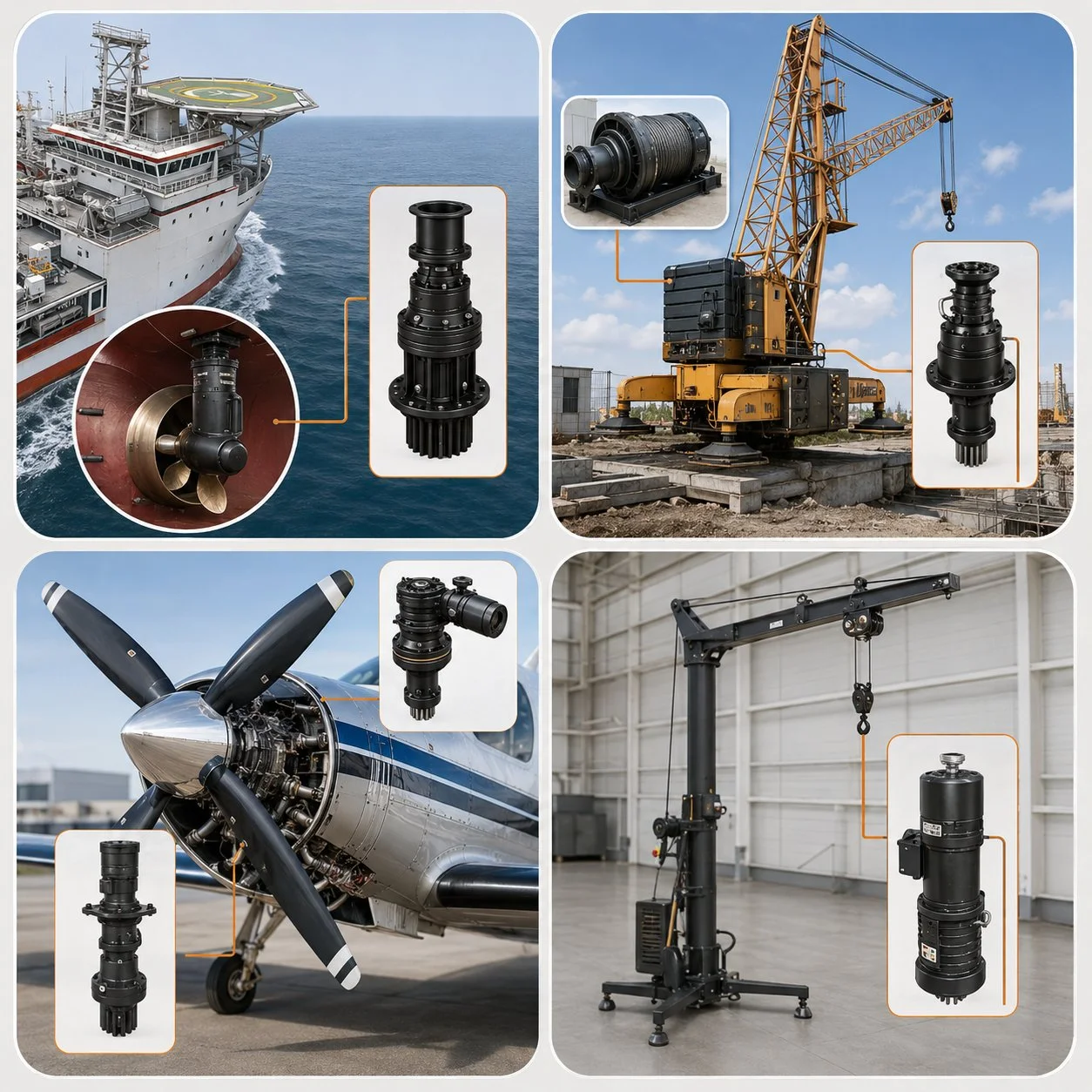
بيئتا تشغيل في آلة واحدة - الطريق السريع وموقع الرافعة
جميع أنواع الرافعات الأخرى تعمل حصرياً كرافعة. أما الرافعة المثبتة على شاحنة فتعمل أيضاً كمركبة على الطريق، وتخضع لحدود السرعة على الطرق السريعة، واهتزازات سطح الطريق، وحدود وزن الجسور، وقواعد المرور. علبة تروس كوكبية ذات محرك دوار يجب تصميمها لتناسب كلا البيئتين:
الهيكل العلوي مُثبّت عند زاوية صفر (الذراع فوق المؤخرة). فرامل الدوران مُفعّلة، ويبقى الترس الصغير مُتشابكًا مع الترس الحلقي. عند سرعة 80 كم/ساعة على طريق وعر، تهتز الشاحنة بأكملها بتردد يتراوح بين 5 و25 هرتز، وينتقل هذا الاهتزاز عبر الهيكل إلى حلقة الدوران ونظام الدفع. تتعرض أسنان الترس الصغير للإجهاد نتيجة الاهتزاز المُصاحب للترس الحلقي في منطقة تلامس واحدة مُثبّتة، مما يُنتج تآكلًا احتكاكيًا مُشابهًا لتآكل انحراف توربينات الرياح، ولكن بتردد أعلى ومع طاقة اهتزاز إضافية ناتجة عن شاحنة متعددة المحاور عند سرعة الطريق السريع.
تُمدد الدعامات الجانبية ويُفتح قفل الهيكل العلوي. يقوم محرك الدوران بتدوير الذراع والكابينة والحمولة المعلقة بزاوية 360 درجة. دورة التشغيل معتدلة (من 5 إلى 20 عملية رفع في الساعة)، ولكن يمكن أن تكون الأحمال ثقيلة (من 25 إلى 500 طن) على أنصاف أقطار من 3 إلى 60 مترًا. يُعد التحكم السلس والمتناسب في السرعة ضروريًا لوضع المعدات بدقة في مواقع البناء المزدحمة.
قد تقطع رافعة مثبتة على شاحنة مسافة تتراوح بين 20,000 و50,000 كيلومتر سنويًا بسرعة الطرق السريعة. عند متوسط اهتزاز الطريق 15 هرتز، ينتج عن ذلك ما يقارب 10 إلى 25 مليون دورة احتكاك دقيقة سنويًا عند نقطة تلامس أسنان الترس المخروطي. على مدى 10 إلى 15 عامًا، قد يستهلك هذا الاحتكاك الناتج عن النقل كمية أكبر من مادة سطح الأسنان مقارنةً بعمليات الدوران أثناء تشغيل الرافعة - وهي نتيجة غير متوقعة لم تُؤخذ في الاعتبار في مواصفات محركات الدوران المبكرة، مما أدى إلى استبدال مبكر للتروس المخروطي في الرافعات التي قطعت مسافات طويلة.
الحل العملي للحد من تآكل التروس أثناء النقل بسيط للغاية: تدوير الهيكل العلوي بمقدار 10 إلى 15 درجة عند كل توقف للتزود بالوقود، مما ينقل موضع التلامس المقفل إلى زوج أسنان جديد. هذا يوزع التآكل على عدة مواضع للأسنان بدلاً من تركيزه على زوج واحد. يُفيد مشغلو الرافعات الذين يتبعون هذه الممارسة باستمرار بزيادة عمر ترس الترس المخروطي بمقدار 30 إلى 50 طنًا مقارنةً بالمشغلين الذين يوقفون الرافعة في نفس وضع التلامس المقفل لكل عملية نقل برية. تتضمن بعض طرازات الرافعات الحديثة قفلًا لترس الترس المخروطي أثناء النقل، مما يرفع الترس المخروطي من تعشيقه مع الترس الحلقي أثناء السير على الطريق، وبالتالي يمنع تآكل التروس أثناء النقل تمامًا.
تختلف آلية تلف الاحتكاك عن التآكل التقليدي لأسنان التروس. ففي الدوران العادي، تتدحرج الأسنان وتنزلق تحت تأثير التزييت الهيدروديناميكي، مما يُنتج تآكلًا سطحيًا تدريجيًا وموزعًا. أما في احتكاك النقل، فتتذبذب الأسنان بمقدار ±0.01 إلى 0.05 مم في ظروف التلامس الحدودي، مُنتجةً حطامًا أكسيديًا يعمل كمادة كاشطة بين أسطح التلامس. يُزيل هذا الاحتكاك التأكسدي مادة السطح بمعدل يتراوح بين 5 إلى 20 ضعفًا لمعدل إزالة المادة في حالة التلامس الدوراني الانزلاقي المكافئ عند نفس الحمل. وتتمثل العلامة المرئية في بقعة بنية محمرة على جوانب السن عند موضع التلامس المُغلق، والتي غالبًا ما تُشتبه في كونها صدأً سطحيًا، ولكنها في الواقع مزيج من حطام احتكاك أكسيد الحديد والتشققات الدقيقة. بمجرد أن تصل بقعة الاحتكاك إلى عمق يتراوح بين 0.05 و0.10 مم، تتأثر صلابة السطح في تلك المنطقة، وقد يبدأ التآكل الكلي تحت تأثير أحمال الرافعة اللاحقة، مما يحول علامة الاحتكاك السطحية إلى عطل هيكلي في الترس.
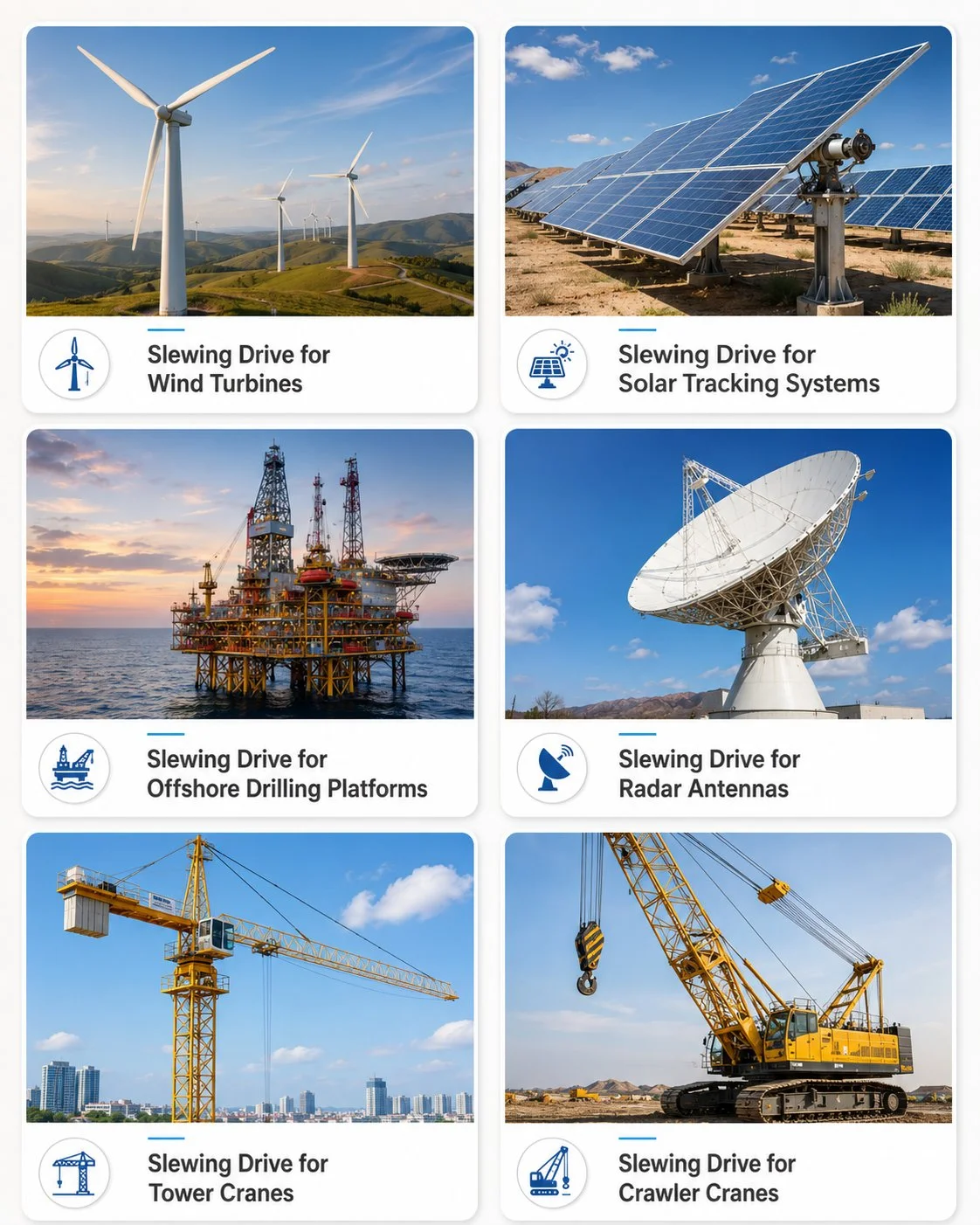
تكوينات الدعامات الجانبية - لماذا يتغير نطاق الاستقرار في كل إعداد؟
تتميز الرافعة المجنزرة بثباتها عند نقطة ارتكازها. وكذلك الرافعة البرجية. أما الرافعة المثبتة على شاحنة، فتتميز بثباتها عند نقطة ارتكازها، حيث يمكن ضبط دعاماتها الخارجية بأشكال مختلفة حسب المساحة المتاحة. وينتج عن كل شكل نطاق ثبات مختلف، ويجب أن يعمل محرك الدوران ضمن هذا النطاق.
| إعداد العوامة الخارجية | بصمة أرضية | سعة | الدوران |
|---|---|---|---|
| ممتد بالكامل (جميع الأربعة) | الحد الأقصى (7×7 م) | 100% | 360 درجة بدون قيود |
| ممتد جزئياً (50%) | 5×5 متر | 50–70% | 360 درجة مصغرة |
| غير متماثل (2+2) | 7×5 متر | عامل | يختلف باختلاف الزاوية |
| على عجلات (بدون دعامات جانبية) | تلامس الإطار | 10–25% | ±10–30° |
يُعدّ الإعداد غير المتماثل أخطر ما يُمكن أن يُواجهه محرك الدوران. فعندما تُثبّت الدعامات الجانبية بشكل غير متماثل (وهو أمر شائع في الشوارع الضيقة، أو بجوار المباني، أو بالقرب من مواقع الحفر)، تتغير مسافة خط الانقلاب بتغير زاوية الدوران. تتمتع الرافعة بكامل طاقتها على الجانب الممتد بالكامل، بينما تنخفض طاقتها بشكل ملحوظ على الجانب الممتد جزئيًا. يجب برمجة مؤشر عزم الحمل (LMI) بشكل صحيح وفقًا لتكوين الدعامات الجانبية الفعلي، كما يجب أن يتفاعل محرك الدوران مع مؤشر عزم الحمل لتقييد سرعة الدوران أو نطاقه في منطقة الطاقة المنخفضة.
إذا تم ضبط مؤشر حركة الحمولة (LMI) بشكل غير صحيح (أو إذا تجاهل المشغل التحذير)، فقد يؤدي تحريك الحمولة من الجانب القوي إلى الجانب الضعيف إلى تجاوز حد الانقلاب. لا يتسبب محرك الدوران بشكل مباشر في هذا العطل، ولكن واجهة محرك الدوران مع مؤشر حركة الحمولة (LMI) هي خط الدفاع الميكانيكي الأخير. يقوم نظام متكامل بشكل صحيح بإيقاف أو إبطاء محرك الدوران قبل دخول ذراع الرافعة إلى المنطقة المحظورة. تحتوي رافعات الشاحنات الحديثة على مستشعرات آلية لموضع الدعامات الخارجية، والتي تحد من قدرة مؤشر حركة الحمولة (LMI) ومحرك الدوران على السعة والمدى الصحيحين للإعداد الفعلي، مما يزيل خطر خطأ الضبط اليدوي.
يتطلب وضع التشغيل على العجلات (بدون دعامات) قيودًا صارمة للغاية على نظام الدوران. فمع اعتماد الثبات فقط على مساحة تلامس الإطارات، يصبح هامش الثبات ضيقًا للغاية؛ إذ قد تُصنّف رافعة بعجلات وزنها 25 طنًا بقدرة رفع تتراوح بين 2.5 و6 أطنان فقط عند نصف قطر قصير، مع اقتصار الدوران على قطاع يتراوح بين ±10 و30 درجة خلف محور الشاحنة. ويجب على نظام الدوران فرض هذه الحدود من خلال موانع ميكانيكية صلبة أو نطاق زاوي مُقفل إلكترونيًا، لأن تجاوز حد قطاع الدوران على العجلات قد يؤدي إلى انقلاب الرافعة خلال 1 إلى 2 درجة من الدوران الإضافي. ولا يوجد هامش للاستعادة: فبمجرد تجاوز خط الانقلاب، تنقلب الرافعة في أقل من ثانيتين. وتُعد هذه الوظيفة الأكثر أهمية من حيث السلامة في نظام الدوران لأي رافعة مثبتة على شاحنة.
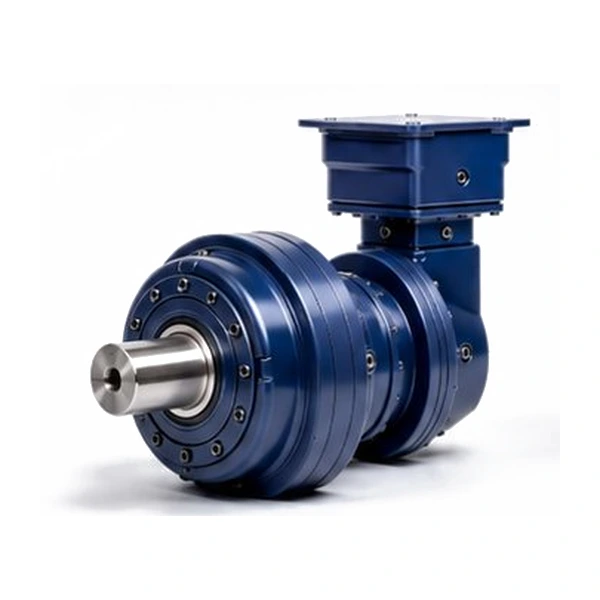
تذبذب ذراع الرافعة التلسكوبية - لماذا تحتاج رافعات الشاحنات إلى منحدرات سرعة أكثر سلاسة من رافعات الشبكة؟
يتميز ذراع الرافعة التلسكوبي الممتد بالكامل (بطول 40 إلى أكثر من 60 مترًا) بمرونة أكبر من ذراع الرافعة الشبكية ذات الطول نفسه، حيث تتمتع أقسام الأنابيب المتداخلة بعزم قصور ذاتي أقل من هيكل الشبكة المفتوحة. عند تسارع أو تباطؤ محرك الدوران بشكل حاد، يتذبذب طرف ذراع الرافعة جانبيًا بتردده الطبيعي (عادةً من 0.3 إلى 1.0 هرتز). في التكوينات ذات المدى الطويل، يمكن أن يُحدث هذا التذبذب إزاحات للطرف تتراوح بين 200 و500 ملم، مما يجعل وضع الحمولة بدقة أمرًا مستحيلاً حتى يتلاشى التذبذب (من 3 إلى 10 ثوانٍ).
غالباً ما يؤدي محاولة المشغلين تصحيح التذبذب عن طريق الدوران المعاكس إلى تضخيمه، وذلك لأن زمن رد فعل الإنسان (من 0.3 إلى 0.5 ثانية) بطيء جداً بحيث لا يواكب تردد التذبذب (من 0.3 إلى 1.0 هرتز)، وبالتالي يصل الإدخال التصحيحي خارج الطور. إن أنجع وسيلة للتحكم في التذبذب هي الوقاية: من خلال تدرج سلس في سرعة الدوران يحد من التسارع الزاوي إلى قيم أقل من عتبة الإثارة الطبيعية لذراع الرافعة.
تتضمن معظم رافعات الشاحنات الحديثة أنظمة تحكم إلكترونية في سرعة الدوران، تعمل على تقليل التسارع الأقصى تلقائيًا في وضعيات الذراع الطويلة. يقرأ نظام التحكم في الرافعة بيانات مستشعر امتداد الذراع، ويحسب التردد الطبيعي للذراع، ويحد من تسارع الدوران إلى قيمة لا تُسبب اهتزازًا - عادةً ما بين 0.1 و0.3 راديان/ثانية² للأذرع الممتدة بالكامل، مقابل 0.5 إلى 1.0 راديان/ثانية² للأذرع القصيرة. يجب أن يستجيب محرك الدوران لأوامر تغيير السرعة هذه بتوفير عزم دوران متناسب وخالٍ من الارتجاجات عبر كامل نطاق إعدادات السرعة.
تؤثر جودة تعشيق التروس بشكل مباشر على سلوك تذبذب ذراع الرافعة. ينتج محرك الدوران المزود بتروس من الفئة DIN 8 نبضات عزم دوران عند تردد تعشيق الأسنان، مما قد يؤدي إلى اهتزاز ذراع الرافعة عند مضاعفات توافقية لتردد التعشيق، حتى عندما يكون معدل التسارع الأساسي أقل من عتبة الاهتزاز. تقلل تروس الفئة DIN 6 هذا الاهتزاز الناتج عن التعشيق بمقدار 60 إلى 80%، مما يجعلها الحد الأدنى المطلوب لرافعات الشاحنات الحديثة ذات الأذرع التلسكوبية التي يزيد طولها عن 40 مترًا. أما بالنسبة للرافعات المزودة بأنظمة إلكترونية مضادة للاهتزاز (تخميد نشط لذراع الرافعة)، فإن متطلبات جودة التروس أكثر صرامة، حيث لا يستطيع النظام التمييز بين الاهتزاز الناتج عن التعشيق والاهتزاز الناتج عن الرياح، وبالتالي يهدر الطاقة في محاولة إلغاء ضوضاء التروس.
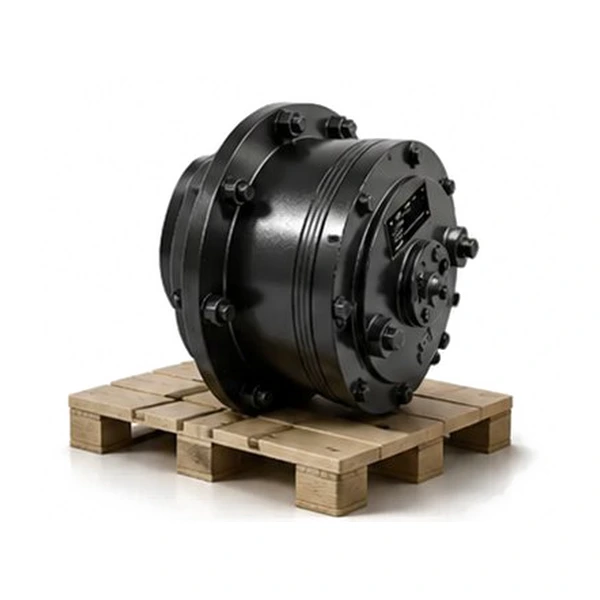
ثلاثة أنماط أعطال خاصة بمحركات دوران الرافعات المثبتة على الشاحنات
مع قطع مسافة تتراوح بين 20,000 و50,000 كيلومتر سنويًا على الطرق، يتسبب الاحتكاك المتراكم عند موضع التلامس الثابت في ظهور علامة تآكل مرئية على أسنان كل من الترس الصغير والترس الحلقي - وهو نمط تآكل لا يوجد في أنواع الرافعات الثابتة. في رافعات أساطيل التأجير التي تقطع مسافات طويلة، قد يستهلك الاحتكاك الناتج عن النقل كمية أكبر من مادة الأسنان مقارنةً بدوران الرافعة. يتركز التلف على زوج واحد من الأسنان ويتعمق تدريجيًا، مما يقلل من مساحة التلامس الفعالة للأسنان ويزيد من إجهاد التلامس، الأمر الذي يُسرّع من التآكل في حلقة مفرغة. في رافعات أساطيل التأجير التي تقطع مسافة تتراوح بين 40,000 و60,000 كيلومتر سنويًا بين مواقع العمل، قد يُقلل الاحتكاك الناتج عن النقل من عمر الترس الصغير المتوقع في وضع الرافعة، والبالغ 12,000 ساعة، إلى 5,000 ساعة فقط - وهو انخفاض يُعزى بالكامل إلى بيئة السفر على الطرق وليس إلى عمليات رفع الرافعة. يمكن أن يصل التأثير الاقتصادي على أسطول تأجير مكون من 20 إلى 50 رافعة شاحنة إلى 50,000 إلى 200,000 دولار أمريكي سنويًا في عمليات استبدال التروس المتسارعة - مما يجعل إدارة احتكاك النقل واحدة من أكثر ممارسات الصيانة فعالية من حيث التكلفة لمشغلي أساطيل الرافعات المتنقلة.
عند ضبط دعامات الرافعة بشكل غير متماثل، تتغير قدرة الرافعة تبعًا لزاوية الدوران. في حال ضبط مؤشر مقاومة الحمل (LMI) بشكل خاطئ (أو تجاوزه)، قد يؤدي دوران الحمولة من الجزء القوي إلى الجزء الضعيف إلى تجاوز حد الانقلاب. لا يتسبب محرك الدوران في هذا العطل بشكل مباشر، ولكن واجهة المحرك مع مؤشر مقاومة الحمل (LMI) هي خط الدفاع الأخير. السيناريو الأكثر خطورة هو عندما يرفع المشغل حمولة من الجانب الممتد بالكامل ثم يدورها 180 درجة إلى الجانب الممتد جزئيًا، مما يؤدي إلى انخفاض تدريجي في القدرة قد لا يُفعّل تحذير مؤشر مقاومة الحمل (LMI) إلا بعد تجاوز نقطة الانقلاب. تُظهر سجلات تحقيقات الحوادث من الهيئات التنظيمية أن انقلاب دعامات الرافعة غير المتماثل هو السبب الأكثر شيوعًا لانقلاب رافعات الشاحنات، حيث يمثل ما بين 25 و401 طنًا من جميع حوادث انقلاب الرافعات المتنقلة في الأسواق الناضجة. وبالتالي فإن تكامل مشفر محرك الدوران وLMI يعتبر أنظمة بالغة الأهمية للسلامة، وليس ميزات مريحة - ويجب أن تفي موثوقية المشفر وتردد المعايرة والتحقق من صحة برنامج LMI بمتطلبات السلامة الوظيفية لمعيار الرافعة المعمول به (EN 13000 في أوروبا، ASME B30.5 في أمريكا الشمالية).
عند امتداد 50 مترًا، يكون للذراع التلسكوبي صلابة جانبية أقل بمقدار 3 إلى 5 مرات من ذراع شبكي بنفس الطول. انخفاض الصلابة يعني انخفاض التردد الطبيعي (من 0.3 إلى 1.0 هرتز مقابل 0.8 إلى 2.0 هرتز للذراع الشبكي) وزيادة سعة التذبذب لنفس مقدار الدوران. يستمر التذبذب تلقائيًا إذا حاول المشغل تصحيح الدوران المعاكس، لأن زمن رد الفعل البشري يتجاوز فترة التذبذب. في الرافعات التي لا تحتوي على نظام تحكم إلكتروني في سرعة الدوران، لا يمكن إيقاف التذبذب إلا بتحرير عصا التحكم والانتظار من 3 إلى 10 ثوانٍ حتى يهدأ التذبذب تلقائيًا، مما يقلل الإنتاجية الفعالة بمقدار 15 إلى 25 طنًا في التكوينات ذات المدى الطويل.
علبة تروس كوكبية دوارة للرافعات المثبتة على الشاحنات - الأسئلة الشائعة
توفر شركة Korea Ever-Power محركات دوران رافعات الشاحنات من 15000 إلى 120000 نيوتن متر مع متانة مزدوجة البيئة، وتكامل LMI، والتحكم في سرعة منحدر الذراع التلسكوبي.
المحرر: Cxm