Winch Drive Series — Building & Construction Vertical Transport
علبة تروس كوكبية لمحرك الرافعة للمصعد
The traction machine gearbox in a passenger or goods lift carries people thousands of times each day in silence — operating in the confined machine room above the shaft with a noise specification that no other winch application demands, an EN 81 safety standard that governs every aspect of its design, and a duty cycle that accumulates millions of start-stop cycles across a 25-year building service life. The علبة تروس كوكبية تعمل بمحرك الرافعة for a lift must be quieter, more precise, and more fatigue-resistant per unit torque than almost any other industrial gearbox — while fitting in the restricted envelope of the standard lift machine room or, increasingly, the machine-room-less shaft head space.
EN 81-1 / EN 81-20 compliant
<55 dB(A) in-cabin noise contribution
20 million cycle design life
Lift and elevator traction machines represent a unique confluence of noise, precision, safety, and fatigue requirements that sets them apart from every other winch drive application in this series. A passenger lift in a hotel or office building makes 300 to 500 trips per day — approximately 150,000 trips per year and 3 million trips over a 20-year building life — in a shaft that is acoustically coupled to every floor of the building. The gear mesh noise generated by the traction machine gearbox transmits through the building structure as low-frequency vibration that is perceived by building occupants as rumble or chatter, making the noise specification the single most demanding technical constraint after the EN 81 safety requirements. Korea Ever-Power supplies planetary winch drive gearboxes for traction lift machines, construction hoists, and industrial goods lifts — covering the full spectrum from compact residential lifts through high-speed commercial passenger lifts and heavy-duty industrial goods elevators — with noise, precision, safety, and fatigue performance matched to the specific requirements of each application category.
Lift and Elevator Applications: Residential to High-Rise Commercial
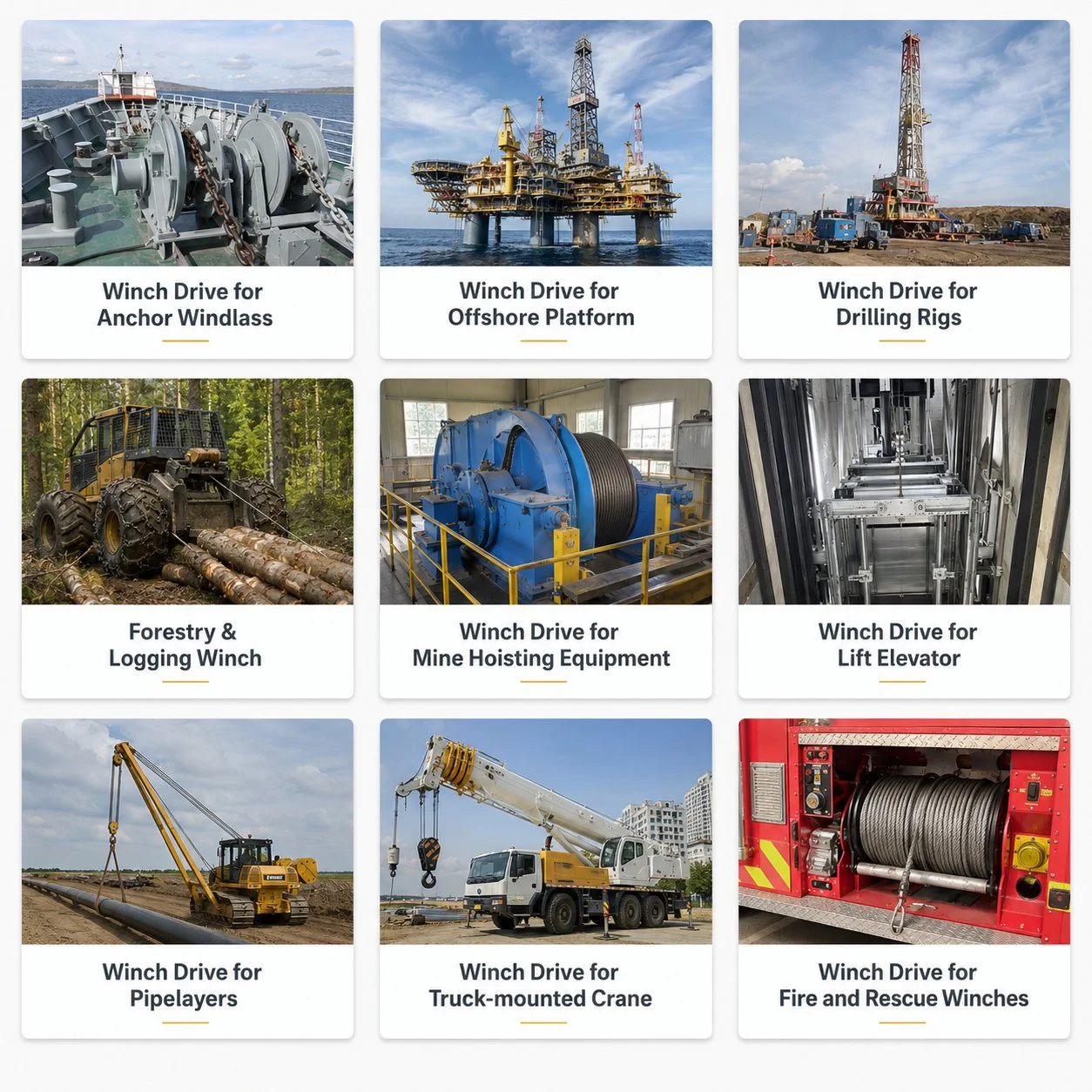
Residential and Light Commercial Lifts (500–2,000 Nm): Lifts serving apartment buildings, small offices, and retail premises typically carry 4 to 8 persons (320 to 630 kg rated load) at speeds of 0.63 to 1.6 m/s through travel heights of 12 to 50 metres. These machines make 100 to 200 trips per day — modest in absolute number but each trip involves a full acceleration, travel, deceleration, and floor levelling sequence that loads the traction machine gearbox at rated torque for 15 to 45 seconds. The critical specification for residential lift traction gearboxes is noise — the shaft is often adjacent to bedroom walls, and any gear mesh noise above the background level of 35 dB(A) in the building is unacceptable. Korea Ever-Power residential lift gearboxes are specified to contribute less than 48 dB(A) measured at 1 metre from the traction machine — a noise level that, after attenuation through the machine room floor and shaft wall, falls below the perceptible threshold in adjacent residential spaces.
Commercial and Office Building Lifts (1,500–6,000 Nm): Office and commercial building lifts carry 8 to 21 persons (630 to 1,600 kg rated load) at speeds of 1.0 to 2.5 m/s in buildings of 6 to 20 floors. These machines make 300 to 500 trips per day, with peak demand during morning arrival and lunchtime periods. The duty cycle intensity is higher than residential, and the gearbox must sustain full rated torque at rated speed continuously during peak periods. Noise specification is slightly less restrictive than residential — in a commercial building machine room with a concrete floor, the in-cabin noise contribution from the traction machine gearbox can be up to 55 dB(A) measured at 1 metre — but the smooth ride quality requirement is strict: any vibration above 30 mg (milli-g) in the vertical direction at rated speed is perceptible to building occupants and will generate maintenance complaints.
Industrial Goods Lifts and Construction Hoists (3,000–15,000 Nm): Industrial goods lifts in factories, warehouses, and hospitals carry loads from 1,000 to 5,000 kg at speeds of 0.25 to 1.0 m/s. These machines prioritise load capacity and reliability over ride comfort, and the noise specification is relaxed compared to passenger lifts. Construction hoists — temporary personnel and materials hoists installed on building facades during construction — carry workers at speeds of 0.5 to 2.0 m/s in rack-and-pinion or wire rope configurations, and the traction gearbox must withstand the construction site environment including dust, cement slurry, and outdoor temperature extremes while maintaining the EN 12159 (construction hoist) safety requirements equivalent to the EN 81 standard for permanent lifts.
EN 81 Safety Standard Requirements for Lift Traction Machine Gearboxes

EN 81-1 (electric lifts — safety rules) and its successor EN 81-20 (safety rules for the construction and installation of lifts) impose specific requirements on traction machine gearboxes that lift manufacturers must satisfy to obtain CE marking and comply with the EU Lift Directive 2014/33/EU. Korea Ever-Power lift traction gearboxes are designed and tested to meet these requirements:
🚫
Brake Holding — EN 81-20 Clause 12.4
EN 81-20 requires the traction machine brake to hold the car with its rated load plus 25% (125% of rated load) in both the upward and downward directions, with the machine de-energised. The brake must hold this load without movement for the duration of the test. Korea Ever-Power lift gearbox SAHR brakes are sized to hold 125% of rated load in both directions, with the spring force calculated at the brake disc diameter to provide this holding torque at the minimum permitted spring preload throughout the spring working life of 500,000 engagement cycles.
⚡
Overspeed Governor — EN 81-20 Clause 9.9
EN 81-20 requires an overspeed governor that triggers the safety gear on the car frame if the car speed exceeds 115% of rated speed in the downward direction. The traction machine gearbox output shaft speed is the reference for governor calibration — the gearbox must maintain a consistent and verified ratio between motor speed and car speed so that the governor trip speed corresponds accurately to 115% of the car rated speed. Korea Ever-Power lift gearboxes carry a ratio tolerance of ±0.1% to support accurate governor calibration.
🔧
Machine Room-Less (MRL) Compact Envelope
Machine-room-less lifts — now the dominant design in new residential and commercial buildings — mount the traction machine in the shaft head space above the top floor landing, where the available volume is severely constrained. The traction machine gearbox must fit within a standard shaft head space height of 3,500 to 4,200 mm above the top floor level, including the sheave, motor, gearbox, and all safety equipment. Korea Ever-Power MRL lift gearboxes are designed with a maximum overall length from motor flange to sheave centreline of 380 mm for units up to 3,000 Nm output, enabling installation in standard MRL shaft head spaces without structural modifications.
📈
Type Examination — EU Lift Directive
The EU Lift Directive 2014/33/EU requires that traction machines (including the gearbox as an integral component) undergo type examination by a notified body before CE marking can be applied. Korea Ever-Power lift traction gearboxes hold type examination certificates from accredited notified bodies covering the applicable machine types and load ratings, enabling lift manufacturers to reference the Korea Ever-Power certificate in their own CE marking documentation without conducting a separate gearbox examination.
Korea Ever-Power Lift Elevator Winch Drive Selection Guide
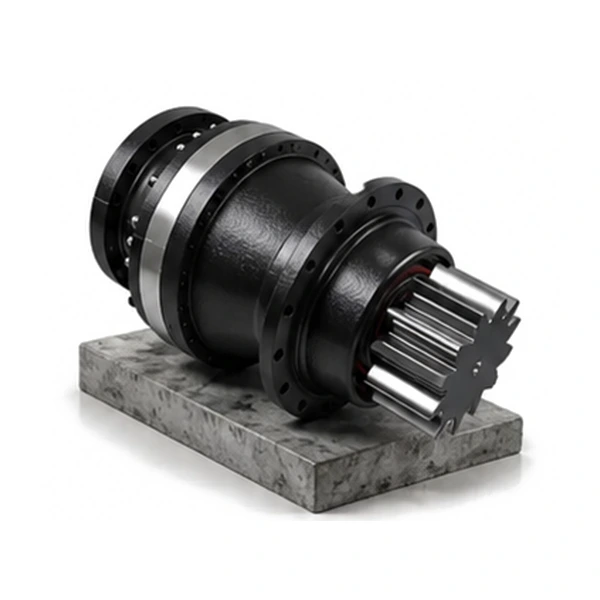
| نموذج | عزم الدوران الناتج | مراحل | نطاق النسبة | Lift Application | Noise at 1 m | ردود فعل عنيفة |
|---|---|---|---|---|---|---|
| ZL55 | 500 – 2,000 Nm | 1–5 | 3.7 – 3,497 | Residential lift, MRL 320–630 kg | < 48 dB(A) | < 8 arcmin |
| ZR75 | 1,000 – 5,000 Nm | 2–5 | 5.1 – 4,884 | Commercial lift 630–1,000 kg | < 52 dB(A) | < 8 arcmin |
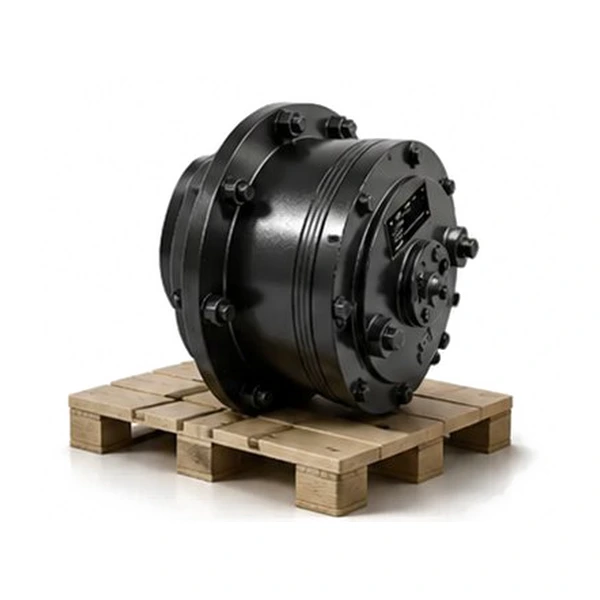
| 407AW | 2000 – 8000 نيوتن متر | 2–3 | 50 – 1,200 | Commercial 1,000–1,600 kg, hospital | < 55 dB(A) | < 8 arcmin |
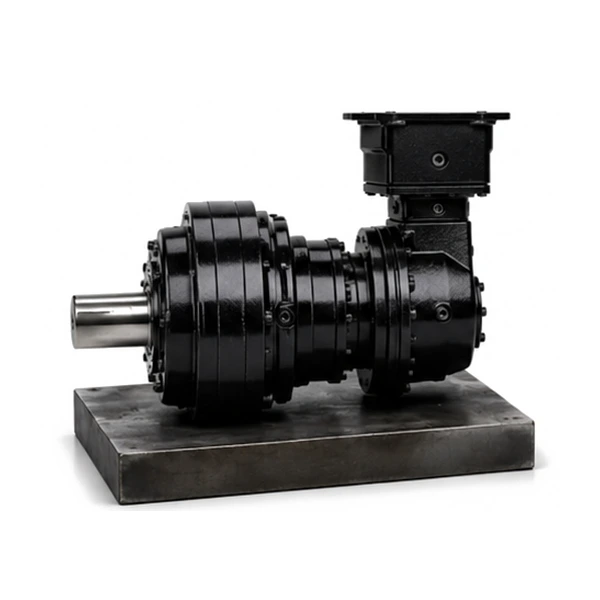
| 414W3 | 4,000 – 15,000 Nm | 3 | 100 – 2,500 | Heavy goods lift, construction hoist | < 65 dB(A) | < 8 arcmin |
Noise Engineering: Achieving <48 dB(A) from a Planetary Gearbox
Ride Comfort, Floor Levelling, and VFD Interaction
Construction Hoists: EN 12159 and Outdoor Environment Requirements
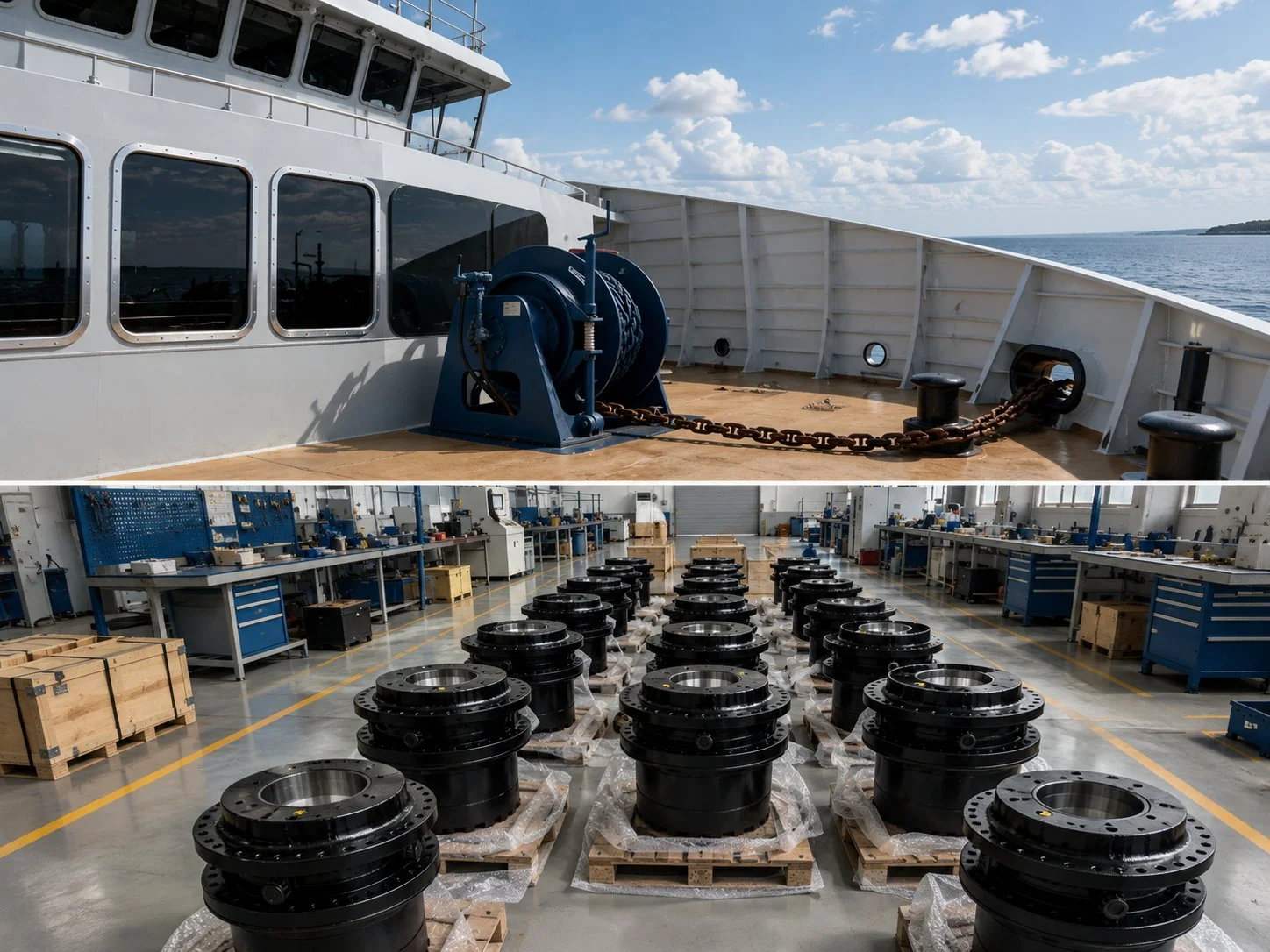
Construction hoists — the temporary personnel and materials hoisting systems installed on building facades during construction — share the safety standard framework of EN 81 (through EN 12159) but differ from permanent lifts in several important engineering aspects:
Outdoor Environment — IP55 Minimum: Construction hoist traction gearboxes are exposed to outdoor weather — rain, wind-driven rain, cement dust from building operations, and ambient temperatures from -20°C to +45°C on most European and North American construction sites. The minimum ingress protection for construction hoist gearboxes is IP55 (dust protected, jet water resistant), compared to IP44 for standard lift machine rooms. Korea Ever-Power construction hoist gearboxes are specified at IP55 as a minimum, with IP65 available for sites in very heavy rainfall regions or where direct water jet exposure from concrete washing operations is likely.
Temperature Range for Seasonal Construction: Construction projects in northern climates continue through winter, requiring the construction hoist to operate at -20°C ambient. The gear oil must maintain adequate fluidity at this temperature for immediate start-up in morning conditions after overnight standstill. Korea Ever-Power construction hoist gearboxes are supplied with PAO synthetic gear oil with pour point below -45°C as standard for all construction hoist applications, covering the full seasonal range of European and North American construction site temperatures.
Removable and Reinstallable Design: Construction hoists are installed, operated for the duration of the construction project, removed, and reinstalled on a new building. The traction gearbox may be installed and removed 10 to 20 times across its service life. Korea Ever-Power construction hoist gearboxes are designed for repeatable installation — all mounting interfaces are machined to the same tolerances as permanent lift gearboxes, and the connection points for the drive sheave, motor, and brake hydraulic circuit are standardised to the common mast section dimensions used by the major construction hoist OEMs. The gearbox can be removed from the mast section and reinstalled on a new mast section within 2 hours without any alignment or shimming adjustment.
Factory Acceptance Testing and EU Type Examination
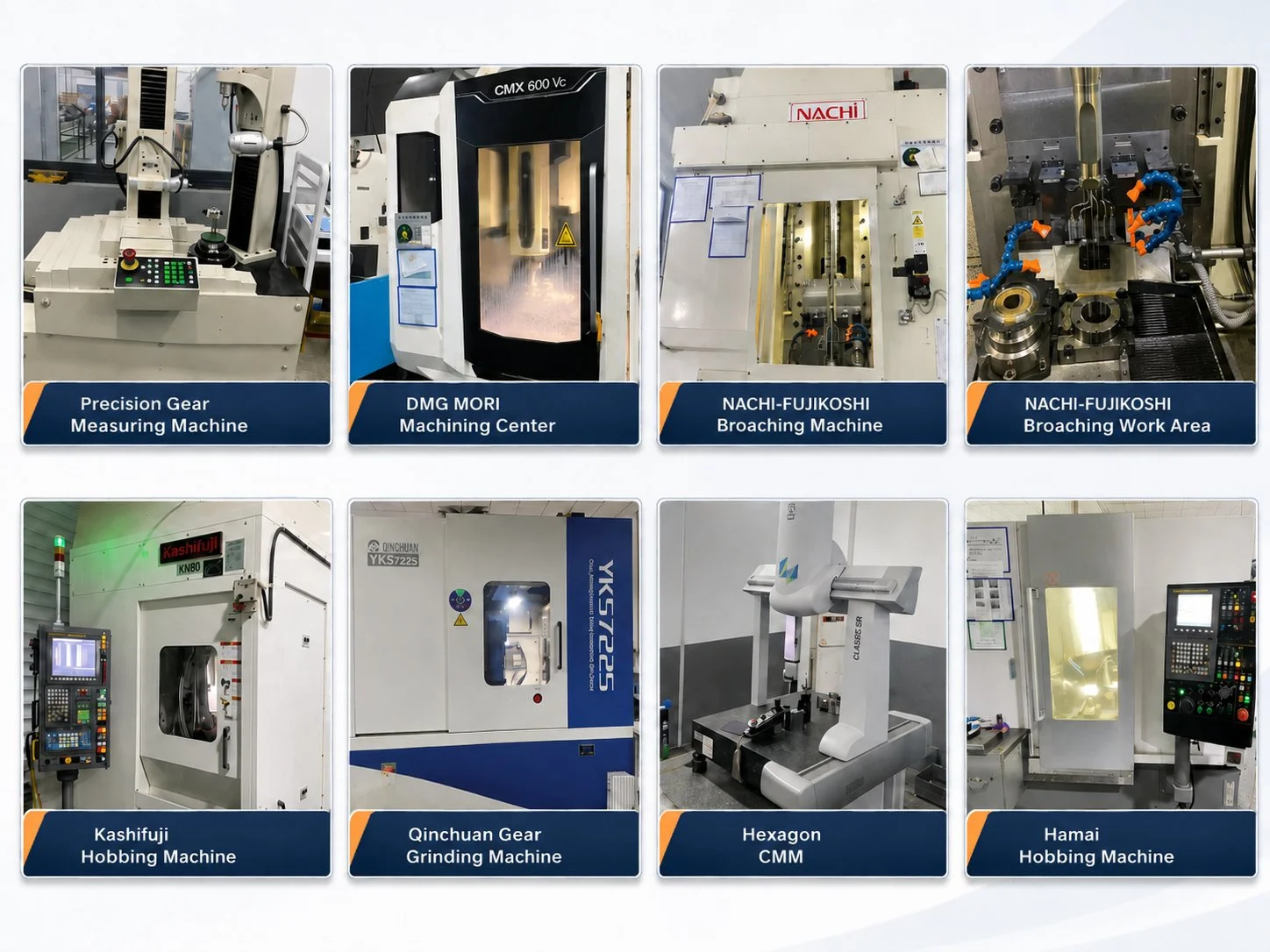
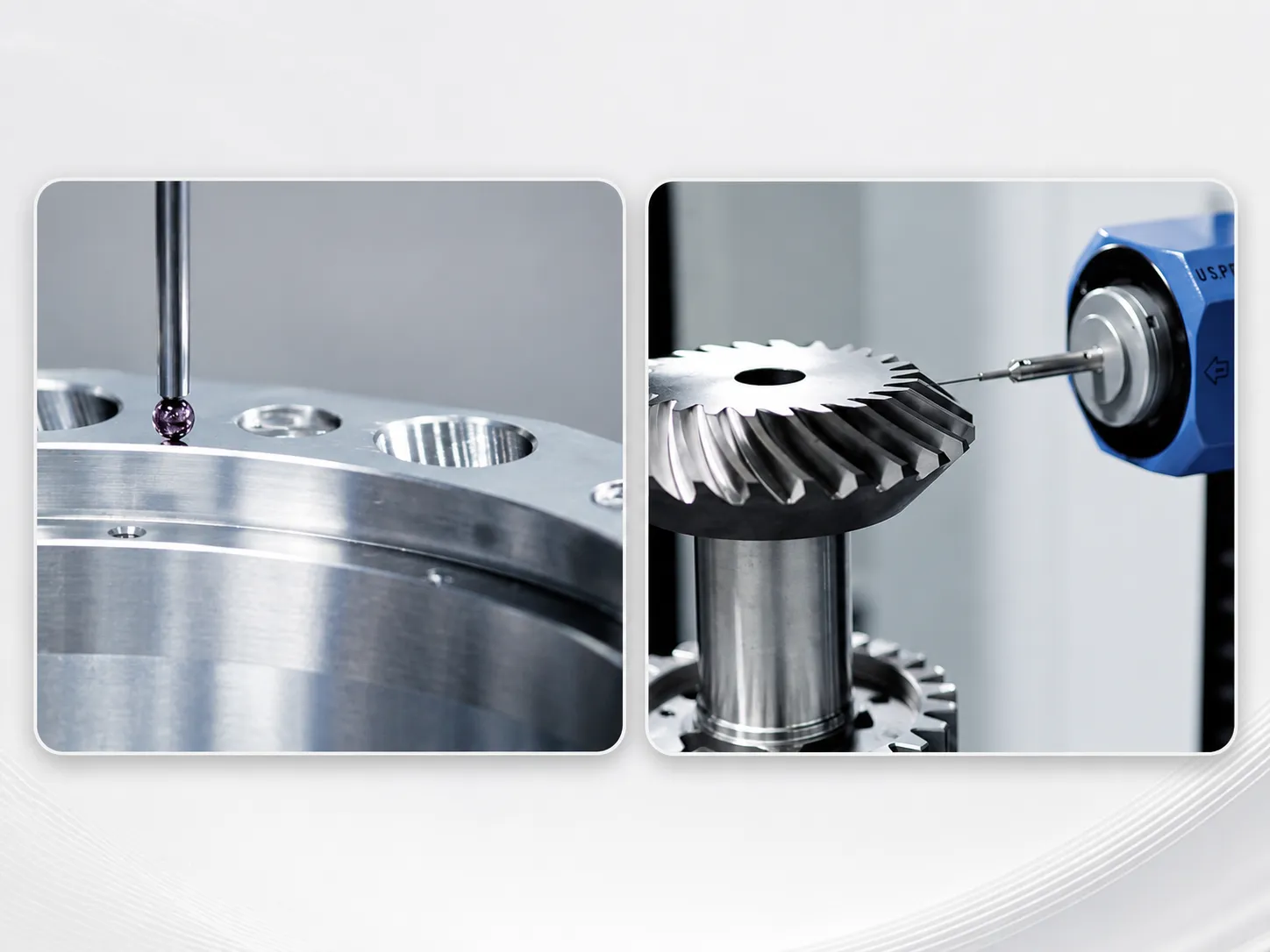
Common Lift Traction Gearbox Failures and Prevention
| نمط الفشل | السبب الجذري | Detection | Prevention |
|---|---|---|---|
| Gear mesh noise increase | Planet bearing wear causing planet radial run-out — unequal tooth contact generating mesh frequency noise above specified limit | Passenger complaints; noise measurement at annual service exceeds specification; vibration trending upward | Annual vibration baseline measurement; replace planet bearing set as matched batch at first noise increase trend |
| Floor levelling judder | Backlash increase from gear tooth wear — judder during slow creep approach to landing floor | Passenger complaints about rough landing; landing within ±5 mm maintained but with visible car movement jerk | Biennial backlash measurement; plan gearbox replacement when backlash exceeds 10 arcminutes before landing quality deteriorates below acceptable level |
| Brake spring fatigue | SAHR brake spring set gradually losing preload after 500,000 engagement cycles — brake holding torque falling below 125% rated load requirement | Annual brake holding test failure at 125% rated load; car moves during static hold with motor de-energised | Replace brake spring pack at 500,000 cycles as planned maintenance; conduct annual brake holding test as EN 81-20 requires |
| Damped ring mount degradation | Rubber-metal isolation layer in ring gear mount hardening with age — noise attenuation reducing, gear mesh noise increasing through housing | Gradual noise increase over years despite no gear wear; housing vibration trending upward at gear mesh frequency | Inspect ring gear isolator mount at 5-year overhaul; replace isolation elements at first sign of hardening or cracking |
| Oil contamination — cement dust (construction hoist) | Cement dust contamination of gear oil through breather — cement forms abrasive calcium silicate particles in oil at gear tooth contact surfaces | Elevated silicon and calcium in oil sample at quarterly check; accelerating gear noise increase on active construction site | Fit IP65-rated labyrinth breather with dust filter; change oil quarterly on active construction sites regardless of oil condition |
Why Lift Manufacturers and Building Owners Choose Korea Ever-Power
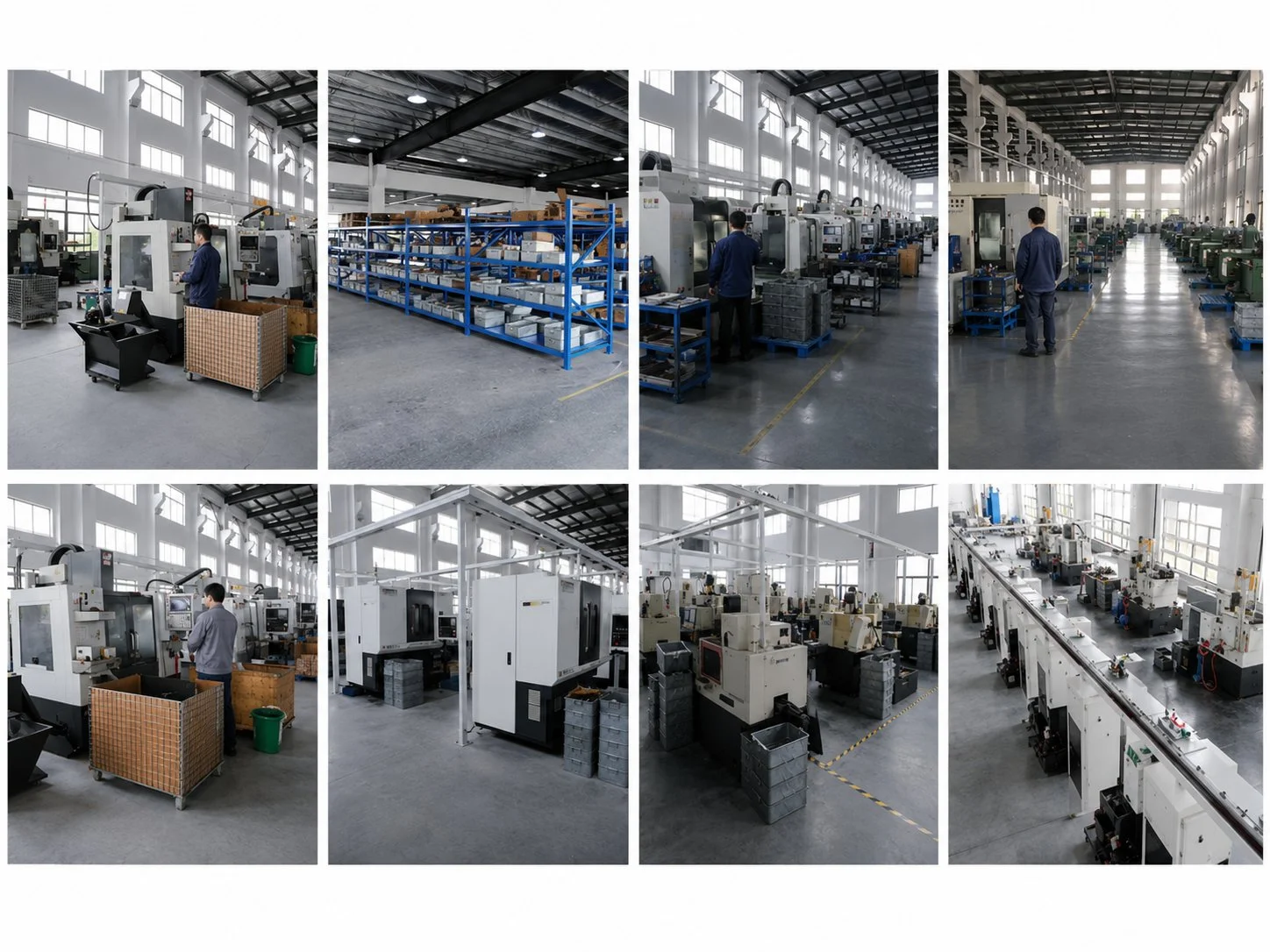
Source Your Lift Elevator Winch Drive Planetary Gearbox
Whether you are designing a new traction lift machine, specifying replacement gearboxes for a lift modernisation project, or commissioning a construction hoist for a new building project — Korea Ever-Power delivers EN 81-20 compliant, sub-48 dB(A) noise rated, 20 million cycle life planetary winch drive gearboxes built for the precision, safety, and quietness that building lift applications demand. Send us your car rated load, travel speed, building type, and noise specification for a free compliance review, acoustic analysis, and gearbox proposal within 48 hours.
Edit by Cxm