613L3 Planetary Wheel Drive Gearbox Reducer
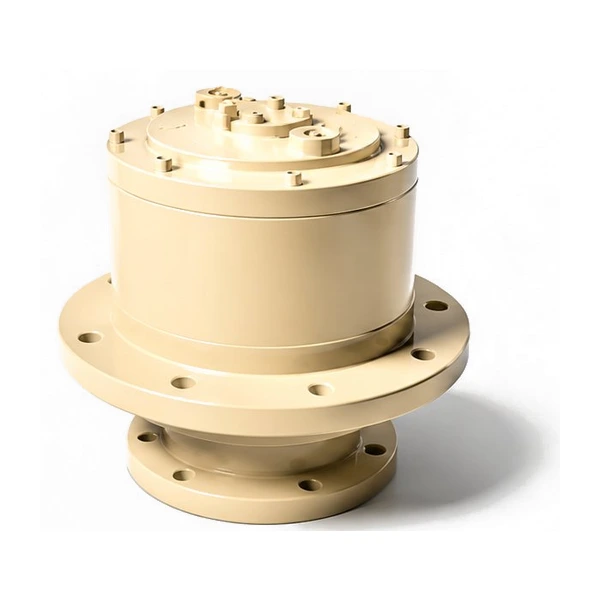
613L3 — 45,000 Nm at 108:1
Nothing to choose. Everything optimised.
The EP-613L3 eliminates every decision except the brake size. There is one ratio, one stage count, one housing, and one set of internal gears — because at 45,000 Nm, the machines are expensive enough and the duty severe enough that the gearbox should be an absolute certainty, not a variable. Every 613L3 that leaves the factory is mechanically identical to every other 613L3. Every oil analysis data point, every vibration baseline, and every field performance record from any 613L3 anywhere in the world is directly comparable to yours.
The EP-613L3 sits between the 611 (36,000 Nm, ratios 41-47) and the flagship 615L3 (60,000 Nm) in the planetary wheel drive gearbox range. Where the 611 serves machines that need moderate-speed travel, the 613L3 at ratio 108 is purpose-built for low-speed, maximum-traction applications where the machine never exceeds 8 km/h — and usually operates below 4. These are the mining haul trucks on the steepest pit ramps, the SPMTs carrying reactor vessels, and the TBM segment erectors rotating 12-tonne concrete rings into position underground.
613L3 Planetary Wheel Drive Gearbox — Technical Parameters
| Output torque (rated max) | 45,000 Nm |
| Предавателно число | 108 : 1 (fixed, three-stage) |
| Planetary stages | 3 |
| Максимална входна скорост | 3000 об/мин |
| Механична ефективност | ≥ 94% |
| Ръчна спирачка | 300 - 800 Nm, hydraulically released, negative multi-disc |
| Emergency towing | Manual declutch (free-wheel disconnect) |
| Wheel mounting | Rotating flange, SAE/Universal bolt circle |
| Сухо тегло | Approx. 385 kg |
| Смазване | Oil bath splash, API GL-5 EP gear oil |
| Работна температура | -20 to +85 deg C (Viton seals available) |
| Материал на зъбното колело | Carburised alloy steel, CNC ground, HRC 58-62 |
Multi-Disc Brake — Why the 613L3 Uses a Different Braking Architecture
Every wheel drive below the 613 uses a single friction disc pressed against a reaction plate by springs and released by hydraulic pressure. This design is compact and adequate for braking torques up to approximately 600 Nm. At 800 Nm — the maximum the 613 offers — a single disc would require either a very large disc diameter (which would not fit inside the housing) or very high spring preload (which would demand excessive hydraulic release pressure). The multi-disc brake solves both problems.
Instead of one large friction disc, the 613L3 stacks multiple thinner discs alternating with steel separator plates. The total friction surface area is the sum of all disc faces, which means the same braking torque can be achieved at lower contact pressure per disc — extending the disc life and reducing the spring force needed. The result is an 800 Nm brake that fits inside the same housing envelope, releases at a practical hydraulic pressure (25-35 bar), and offers a disc life 2-3 times longer than a single-disc design at the same torque rating.

Why One Ratio Is the Correct Engineering Decision at 45,000 Nm
Offering multiple ratios at this torque class would create the illusion of flexibility while delivering no real engineering value. Here is why.
The machines are purpose-built
At 45,000 Nm, every vehicle is a custom-designed machine — a specific mining truck model, a specific SPMT configuration, a specific TBM design. None of these machines can accept a gearbox with "the wrong ratio" because the entire hydraulic circuit, motor selection, pump sizing, and vehicle performance specification are locked to one operating point before the gearbox is ordered. A choice of ratios would not help — it would only create the possibility of ordering the wrong one.
Fleet interchangeability is maximised
With one ratio, every 613L3 in any stockroom anywhere in the world is a direct replacement for any other 613L3. There is no risk of installing a ratio 75 unit where a ratio 108 was specified, no need to verify ratio markings during an emergency midnight replacement, and no possibility of mixing ratios across axles on the same vehicle. One part number, one performance specification, zero ambiguity.
Manufacturing consistency is absolute
Every 613L3 uses identical gears, bearings, and housing castings. The factory produces one gear set configuration, verifies one contact pattern, sets one bearing preload, and runs one dynamometer test programme. This eliminates the manufacturing variability that arises when a production line switches between multiple gear sets — variability that can produce unit-to-unit differences in noise, efficiency, and wear rates within the same model range.
Field data is directly poolable
Oil analysis results, vibration baselines, and failure mode data from every 613L3 in every application worldwide feed into a single statistical population. When a mining fleet in Chile reports a specific iron particle trend at 8,000 hours, a fleet in Zambia running the same model can use that data directly for predictive maintenance scheduling — because the gearboxes are identical, not just similar. Contact Корея Евър-Пауър for fleet-level reliability data sharing arrangements.
45,000 Nm Wheel Drive — The Machines That Define Extreme Traction
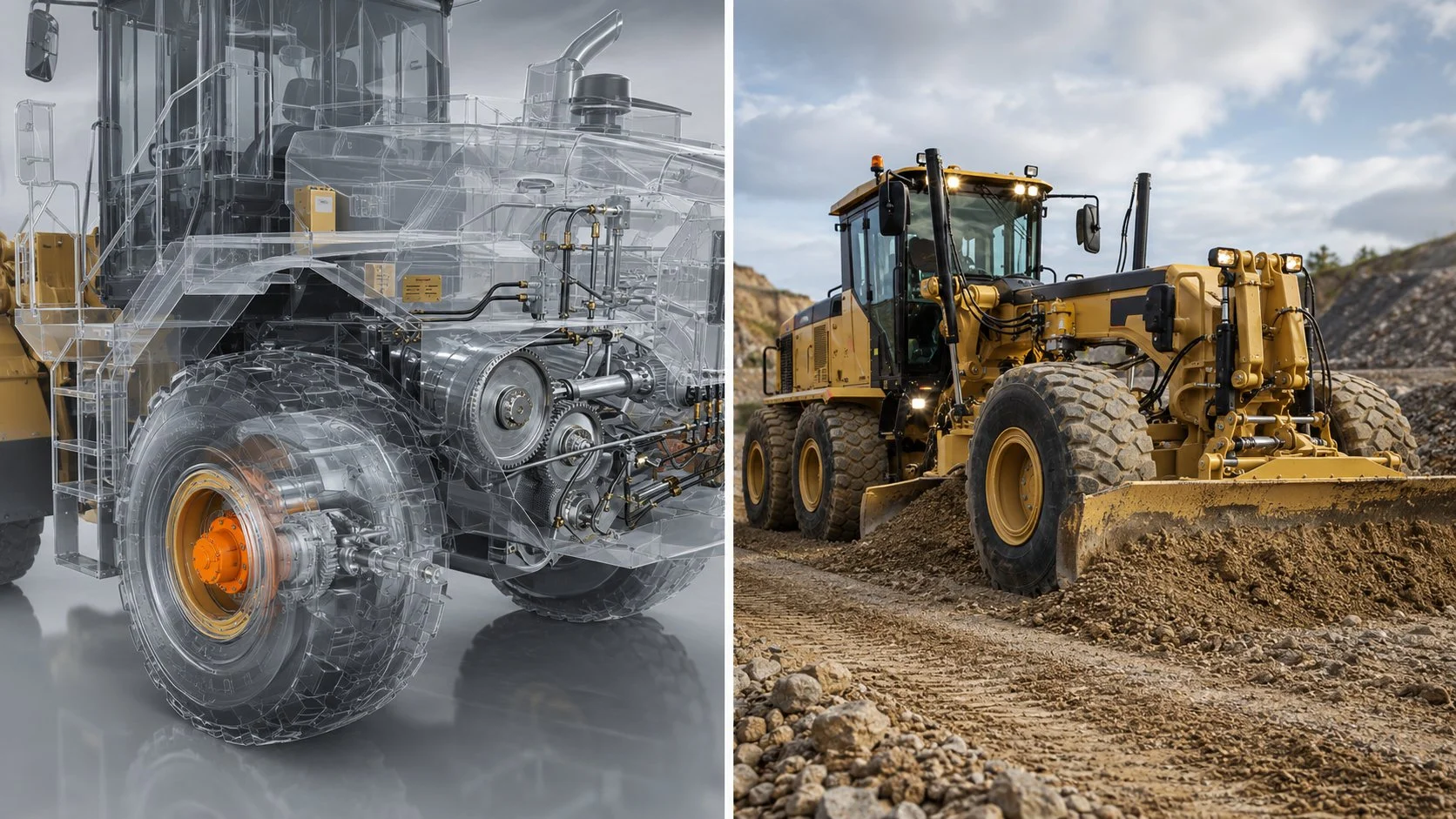
Mining Haul Trucks (60-100 Tonne Payload)
Rigid-frame haul trucks climbing 20-25% loaded haul roads at 4-6 km/h for hours at a time. The 613L3 at ratio 108 provides 45,000 Nm per wheel — and with six or eight driven wheels on these trucks, the total tractive effort reaches 270,000-360,000 N. The multi-disc 800 Nm brake delivers 86,400 Nm of holding torque per wheel, holding a 200-tonne GVW truck on any grade the tyres can physically grip. The планетарна скоростна кутия с верижно задвижване serves the ancillary crawler equipment in the same pit.
Heavy SPMTs (200-600 Tonne Loads)
Self-propelled modular transporters carrying refinery columns, bridge girders, and offshore platform modules at walking pace. Where the 607L3 at ratio 108 carries lighter loads (17,000 Nm per wheel), the 613L3 at the same ratio steps up to 45,000 Nm — serving the heavier trailer configurations with 200-600 tonne payloads where individual wheel loads are proportionally higher. The 108:1 ratio provides the sub-1 km/h creep speed and millimetre-level position control these heavy transport operations demand.
TBM Auxiliary Drives and Shield Movers
Tunnel boring machine segment erectors, gripper advance mechanisms, and backup system propulsion require high torque at very low speed inside confined, wet, high-temperature environments. The 613L3 provides 45,000 Nm in a sealed housing that resists the bentonite, groundwater, and abrasive dust present inside TBM shields. The 108:1 ratio gives the precise rotational control needed for positioning 12-tonne tunnel lining segments within the 2-3 mm tolerances that modern segmental linings require. The slewing drive gearbox handles the erector arm rotation on the same TBM platform.
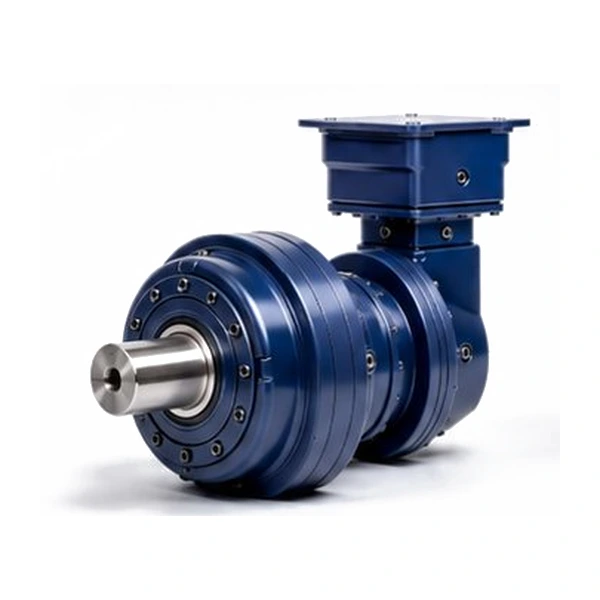
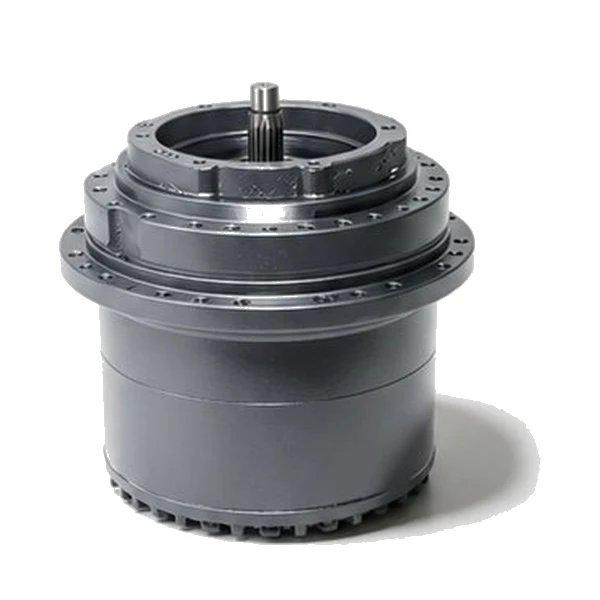
The Heaviest Drives in the Range

Planetary Wheel Drive Gearbox — 45,000 Nm Single-Ratio FAQ
Доклади от полето
32 units across a fleet of four 85-tonne haul trucks. The single-ratio approach was the deciding factor for our procurement team: one part number, one stock quantity, zero risk of mis-specification during emergency replacement. We maintain four spare 613L3 units at the mine site. When a unit needs replacement, the technician grabs any one of those four — no checking, no verifying, no calling the office. Oil analysis trending across all 32 units is pooled into one reliability model. After 6,000 hours on the oldest units, the data shows consistent iron particle counts below threshold. Very satisfied.
72 units on SPMT trailer sets for petrochemical module transport. The 613L3 replaced the 607L3 on our heaviest trailer configurations where the 17,000 Nm per wheel was no longer sufficient for the 400-500 tonne loads our clients are now specifying. The 108:1 ratio is identical between the two models, which meant our hydraulic circuit design did not change — only the gearbox and its mounting frame. Creep speed positioning at 0.3 km/h under a 450-tonne reactor vessel was smooth and controllable. The multi-disc brake is a visible improvement over the single-disc on the 607L3 — the release is cleaner and the engagement feels more progressive.
Segment erector drive on a 12 m diameter TBM for a metro tunnel project. The 613L3 handles the 11-tonne segment rotation smoothly within the tight clearances inside the TBM shield. The IP sealing has held up well in the wet, high-pressure environment. The 4-star rating is because the 385 kg weight made crane access inside the TBM shield challenging during initial installation — the clearance between the shield inner wall and the erector frame barely allowed the lifting sling to pass. For future TBM applications, a factory-supplied custom lifting yoke matched to common erector frame geometries would simplify the initial installation significantly.
Допълнителна информация
| Редактор | Cxm |
|---|
Свързани продукти
-
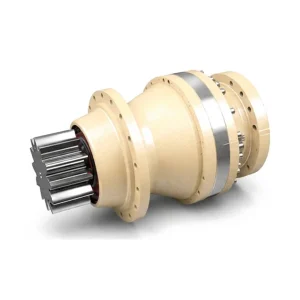
ZL24 Wheel Drive Planetary Gearbox
-
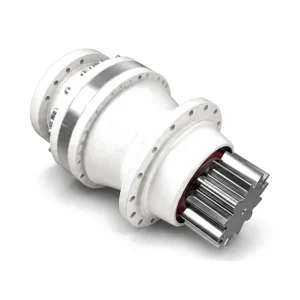
ZL02 Wheel Drive Planetary Gearbox
-

615L3 Planetary Wheel Drive Gearbox Reducer — 3-Stage
-
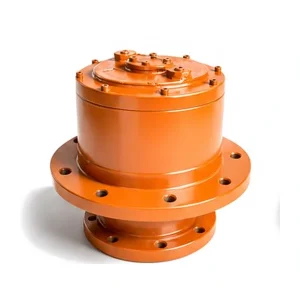
609L2, L3 Planetary Wheel Drive Gearbox
-
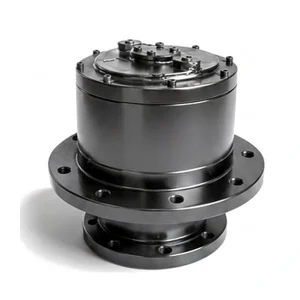
607L2, L3 Planetary Wheel Drive Gearbox Reducer
-
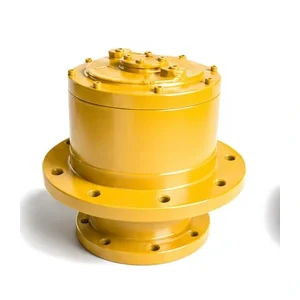
602L2 Planetary Wheel Drive Gearbox Reducer
-
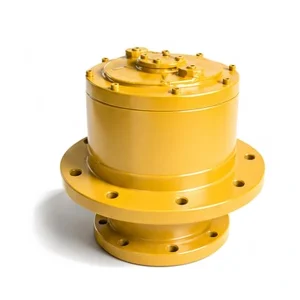
610L2, L3 Planetary Wheel Drive Gearbox Reducer
-
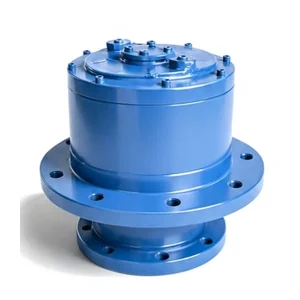
603L2B Planetary Wheel Drive Gearbox Reducer — 2-Stage