ZL45 Winch Drive Planetary Gearbox — 1-4 Stage
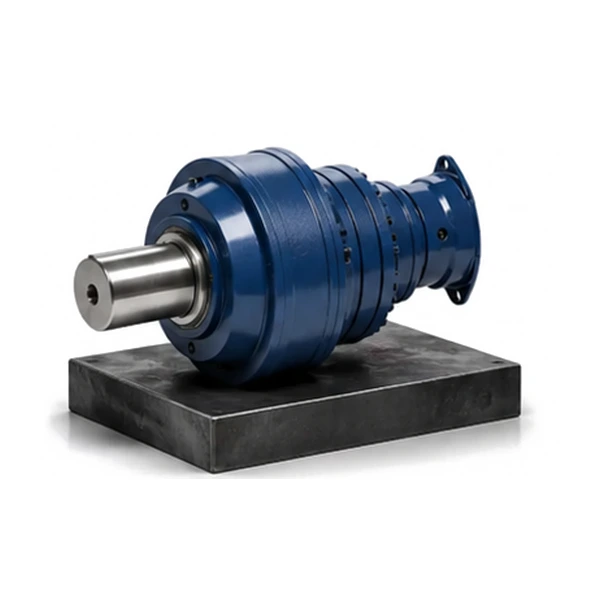
ZL45 — 40,500 Nm
Ang planetary gearbox nga nagmaneho sa winch that sits at the exact torque where the crane industry is deciding between hydraulic and electric. The 410W3 at 37,500 Nm represents the hydraulic answer. The 413W3 at 42,500 Nm is the hydraulic heavy-duty option. The ZL45 at 40,500 Nm is the electric alternative to both — same torque class, different propulsion era.
1-4 Stages
DIN 5-6
IP67+
The ZL45 is the third model in the ZL electric winch drive series and the one most directly compared against the 4xxW hydraulic series by crane OEMs evaluating the transition. At 40,500 Nm continuous and 95,000 Nm peak (2.35:1), it brackets the 410W3 (37,500 Nm, ~75,000 Nm peak at 2x) and the 413W3 (42,500 Nm, ~85,000 Nm peak at 2x) — while offering the ZL advantages of helical-quiet operation, DIN 5-6 encoder-compatible accuracy, IP67+ washdown sealing, and full VFD compatibility for regenerative braking and precision speed control.
ZL45 Electric Winch Drive Planetary Gearbox — Technical Parameters
| Continuous torque (N2xh=100,000) | 40,500 Nm |
| Peak torque | 95,000 Nm (2.35x continuous) |
| Sakup sa ratio sa gear | 3.84 to 1,745 (1-4 stages) |
| Pinakataas nga katulin sa pag-input | 4,000 rpm |
| Thermal power (Pt) | 19 - 55 kW (varies by stage count) |
| Gear type | Helical planetary, 3-planet, DIN 5-6 |
| Integrated brake | None (motor brake or external brake) |
| Sealing | Multi-lip FKM, IP67+ |
| Pabahay | Ductile iron QT600-3 |
| Gear material | 20CrMnTi, HRC 58-62 |
The Crossover — ZL45 vs 410W3 vs 413W3 at the Same Torque Class
Three gearboxes at the same torque, three different engineering packages. The choice between them reveals whether the crane platform is hydraulic-legacy, hydraulic-current, or electric-future.
| Parametro | 410W3 (Hydraulic) | 413W3 (Hydraulic) | ZL45 (Electric) |
|---|---|---|---|
| Continuous | 37,500 Nm | 42,500 Nm | 40,500 Nm |
| Peak | ~75,000 Nm | ~85,000 Nm | 95,000 Nm |
| Gear type | Straight-cut | Straight-cut | Helical DIN 5-6 |
| Int. brake | 530 Nm | 610 Nm | Wala |
| Regen braking | Wala | Wala | Full VFD |
| Noise (1m full load) | 74-80 dB(A) | 72-78 dB(A) | 62-68 dB(A) |
| Katulin sa pagsulod | 3,500 rpm | 3,500 rpm | 4,000 rpm |
| Sealing | Sumbanan | Sumbanan | IP67+ |
A crane OEM replacing a 410W3 hydraulic winch with a ZL45 electric winch eliminates the HPU (hydraulic power unit), oil reservoir, oil cooler, pump, motor, and associated hoses — typically saving 200-500 kg of installed weight and recovering 2-4 m² of machine room floor space. The electric motor plus VFD is lighter, smaller, and requires no fluid maintenance. Regen braking returns 15-25% of the lowering energy. The total-cost-of-ownership break-even typically occurs within 18-30 months of operation for cranes running 2,000+ hours per year.
Thermal Power 19-55 kW — Matching the Motor Size to the Stage Count
The ZL45 thermal power limit varies with stage count because each additional stage adds a heat-generating gear mesh. Selecting the wrong combination — too much motor power through too many stages — causes the gearbox oil temperature to exceed 85 deg C and triggers thermal protection shutdown.
| Mga Yugto | Pt (kW) | Ratio Band | Max Motor (no cooler) | With Ext. Cooler (+50%) |
|---|---|---|---|---|
| 1 | ~55 kW | 3.84-7 | 55 kW | ~82 kW |
| 2 | ~42 kW | 15-50 | 42 kW | ~63 kW |
| 3 | ~28 kW | 50-250 | 28 kW | ~42 kW |
| 4 | ~19 kW | 250-1,745 | 19 kW | ~29 kW |
The "Max Motor (no cooler)" column is the continuous motor power that the ZL45 can transmit indefinitely without exceeding 85 deg C at 20 deg C ambient in still air. With an external oil cooler providing approximately 50% additional heat rejection capacity, the effective thermal limit rises to the "With Ext. Cooler" column. For heavy crane hoists operating above 70% duty cycle, an external cooler is always recommended. Contact Korea nga Walay Katapusan nga Gahom for verified Pt data at your specific ratio and stage combination.
40,500 Nm — The Electric Winch Drive for Every Heavy Crane Converting from Hydraulic

Heavy Electric Crane Hoists (25-40 t SWL)
Next-generation all-electric mobile cranes, offshore platform cranes, and harbour cranes replacing 410W3 and 413W3 hydraulic hoist drives. The ZL45 at ratio 60-140 paired with 200-450 kW electric motors delivers the same lifting performance with 10-14 dB lower noise, 15-25% regen energy recovery, and 200-500 kg lighter installed weight. The slewing drive ug pagmaneho sa ligid handle the crane rotation and travel on the same electric platform.
Electric Marine Deck Cranes
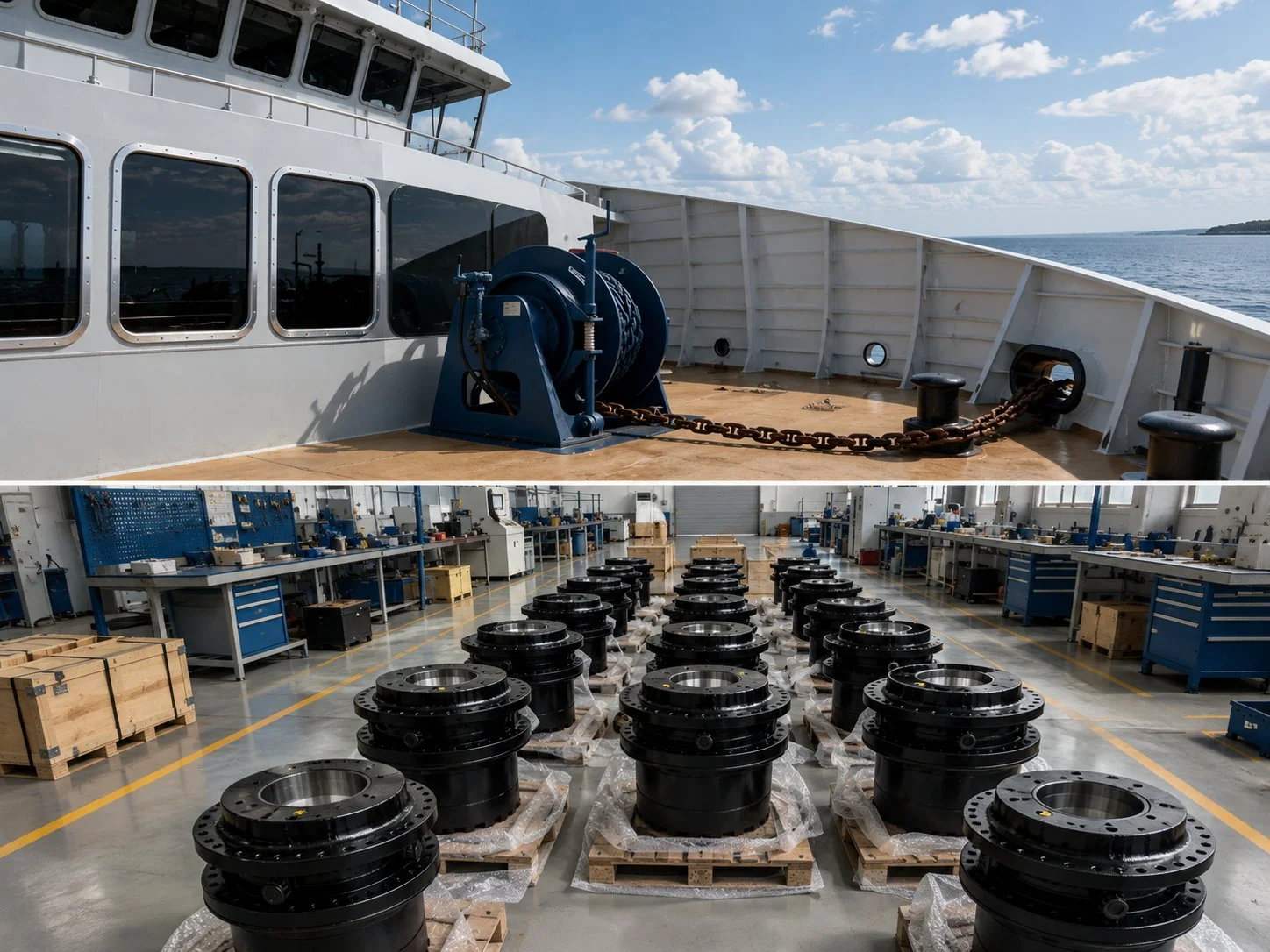
All-electric ship-mounted cranes on offshore support vessels, naval platforms, and research vessels where the vessel is transitioning to hybrid-electric or full-electric propulsion. The ZL45 hoist drive integrates with the vessel power management system — the VFD communicates with the vessel energy management controller to schedule heavy lifts during periods of generator surplus and regen braking during periods of grid demand. The IP67+ sealing handles the marine deck environment without the environmental risk of hydraulic oil spills.
Electric Mining Auxiliary Hoists
Auxiliary hoists at mine shafts handling equipment, materials, and personnel at depths of 200-600 metres. The ZL45 at ratio 100-300 paired with a 100-250 kW AC motor provides the auxiliary winding capacity that supports the main production winder. Mine electrification programmes are converting auxiliary hoists from hydraulic to electric first (lower risk, lower cost) before tackling the main winder — the ZL45 is the entry point for this mine electrification sequence.
The ZL Electric Winch Drive Family

Electric Winch Drive Planetary Gearbox — ZL45 Crossover FAQ
Mga Report sa Natad
Mid-life conversion of a 30 t offshore platform crane from hydraulic (410W3) to electric (ZL45 at ratio 90, 400 kW PMSM). The conversion eliminated the HPU, cooler, reservoir, and 165 metres of hydraulic hose from the crane machinery house. Weight saving: 420 kg on the crane head — which recovered 1.8 tonnes of SWL capacity at maximum boom extension. Energy consumption reduced by 31% (regen + elimination of hydraulic standby losses). Noise at the operator station dropped from 72 dB(A) to 57 dB(A) — the operators describe the crane as "silent" compared to the hydraulic baseline. Conversion payback period: 22 months at current electricity rates. The next two platform cranes in the fleet are already specified for ZL45 conversion.
New-build 35 t all-electric harbour crane, ZL45 at ratio 100, 2-stage, 350 kW AC motor. We evaluated the 413W3 hydraulic option during the concept phase and the ZL45 electric option during the detail design. The ZL45 won on three criteria: 14 dB quieter (the crane operates 200 metres from a residential area), 380 kg lighter at the crane head (structural cost saving on the boom), and 23% lower annual energy cost with regen. The 95,000 Nm peak handled the container snatch loads during our 6-month commissioning without any VFD fault or thermal trip. The harbour authority is now specifying all-electric as the standard for new crane procurements.
Auxiliary hoist at a 450-metre copper mine, ZL45 at ratio 200, 3-stage, 150 kW AC motor. This is the first electric winch drive installed as part of our mine-wide electrification programme — replacing a hydraulic auxiliary hoist that required a dedicated HPU, oil cooler, and 4 annual oil changes. The ZL45 eliminated all hydraulic maintenance on this hoist. The mine ventilation load dropped by 2.3 kW (no hydraulic heat rejection into the underground air circuit). The 4-star is a thermal observation consistent with the ZL series: at 3-stage ratio 200, the Pt is approximately 28 kW. Our 150 kW motor at the actual operating duty (35% continuous) produces approximately 52 kW average thermal load — exceeding the unaided Pt. We added an external cooler. For mine electrification programmes converting multiple hoists, bundling the cooler specification with the gearbox specification in a single procurement package would simplify the conversion process.
Mga may kalabutan nga produkto
-
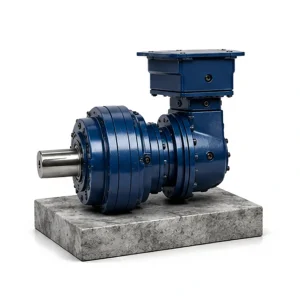
ZR55 Winch Drive Planetary Gearbox — Right-Angle
-
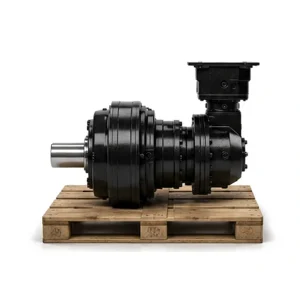
ZL150 Winch Drive Planetary Gearbox — 1-5 Stage
-
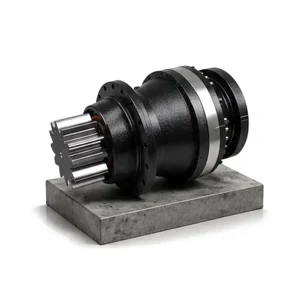
ZL85 Winch Drive Planetary Gearbox
-

415W3 Winch Drive Planetary Gearbox Reducer
-
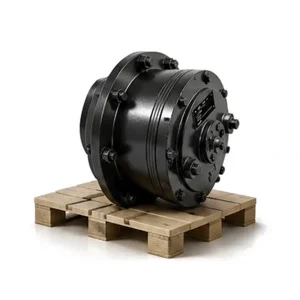
407AW Winch Drive Planetary Gearbox Reducer
-

405.4W Winch Drive Planetary Gearbox Reducer
-
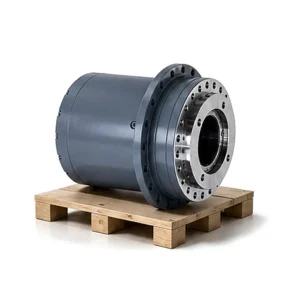
402W2 Winch Drive Planetary Gearbox Reducer
-
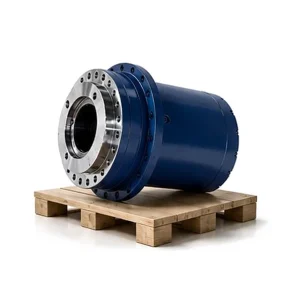
400W1 Winch Drive Planetary Gearbox Reducer