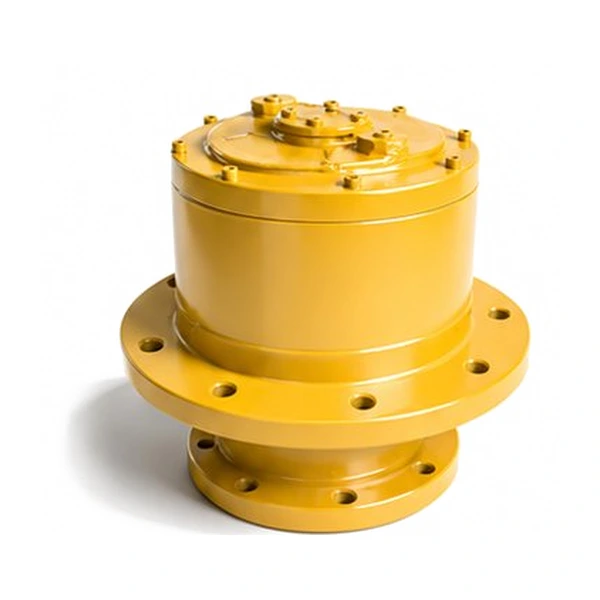
610L2, L3 Planetary Wheel Drive Gearbox Reducer
30,000 Nm
Starting at Ratio 20.
That combination should not be possible in a 265 kg package. It is. The EP-610 L2 at ratio 20 pushes a 50-tonne ADT to highway speed while keeping the full 30,000 Nm available for the loaded climb back up the pit ramp — because the two-stage architecture achieves what a three-stage design geometrically cannot at this ratio.
3,000 RPM
-25 to +85 deg C
Declutch
The EP-610 sits at the inflection point in the planetary wheel drive gearbox range where machines are heavy enough to justify 30,000 Nm but fast enough to demand a ratio as low as 20. Below the 610, the 609 (23,000 Nm) cannot sustain the torque loads of 40-60 tonne ADTs on steep grades with adequate safety margin. Above it, the 611 (36,000 Nm) starts at ratio 41 — too high for machines that need highway roading speed. The 610 occupies the unique intersection of high torque and high speed that defines the modern heavy ADT, large wheel loader, and port straddle carrier.
610L2 / L3 Wheel Drive Planetary Gearbox — Technical Parameters
| Output torque (rated max) | 30,000 Nm |
| Rozsah převodových poměrů | 20 to 111 (L2: lower ratios / L3: full range) |
| Configuration options | L2 (2-stage) or L3 (3-stage) |
| Maximální vstupní rychlost | 3 000 ot/min |
| Mechanical efficiency | ≥ 94% |
| Parking brake | 300 - 800 Nm, spring-applied, hydraulic release |
| Emergency towing | Manual declutch (free-wheel disconnect) |
| Wheel mounting | Rotating flange, SAE/ISO bolt circle |
| Suchá hmotnost | Approx. 265 kg |
| Mazání | Oil bath splash, API GL-5 EP gear oil |
| Provozní teplota | -25 to +85 deg C (Viton seals available) |
| Materiál ozubeného kola | Carburised alloy steel, CNC ground, HRC 58-62 |
Ratio 20 at 30,000 Nm — Why This Combination Is Architecturally Significant
A planetary stage produces its ratio through the tooth count relationship between the sun gear, the planet gears, and the ring gear. At low overall ratios, each stage must contribute a modest reduction — for a total ratio of 20 in two stages, each stage contributes approximately 4.5:1. This requires a sun gear large enough to mesh with the planets at high torque without tooth bending failure, which in turn demands a large ring gear diameter and a heavy housing.
The 610L2 solves this by using a housing diameter and gear module size that are oversized relative to the torque — the same housing that carries 30,000 Nm through two stages at ratio 20 could carry significantly more torque at ratio 40 because the tooth stress is lower at higher ratios. This is why the 610 weighs 265 kg: it is not heavy for its torque class — it is heavy for its ratio, because the low ratio demands large-diameter gears that a lighter housing cannot accommodate.
What ratio 20 means in practice
At 2,500 rpm motor input with 750 mm tyre radius:
Poměr 20 → 125 rpm output → 35.3 km/h (highway speed)
Ratio 60 → 41.7 rpm output → 11.8 km/h (site speed)
Ratio 111 → 22.5 rpm output → 6.4 km/h (creep speed)

Installing a Quarter-Tonne Wheel Drive — Practical Handling Guide
At 265 kg, the 610 cannot be manhandled into position. The installation requires mechanical lifting, precise alignment, and a methodical bolt-up sequence. Rushing this process creates misalignment that will destroy the output seal within months or overload one side of the bearing set, leading to premature spalling.
Lifting and Rigging
Minimum crane or hoist capacity: 500 kg (1.9x safety factor). Use the cast lifting eye-bolts only — never sling around the output shaft or motor flange. Lift horizontally to prevent the housing from pendulumming on the output shaft. On vehicle assembly lines, a purpose-built cradle with roller guides reduces installation time from 45 minutes (free-hanging crane) to 15 minutes (guided insertion).
Flange Alignment
The output flange must seat flat against the wheel mounting surface with no gap exceeding 0.05 mm at any point around the circumference. Use a feeler gauge at 4 equally spaced points before tightening any bolts. A cocked flange concentrates bolt load on one side, which causes bolt fatigue and eventual loosening. If the flange will not seat flat, inspect both the gearbox face and the vehicle mounting plate for burrs, paint build-up, or machining error.
Bolt Torque Sequence
Torque all wheel mounting bolts in a star pattern to 50% of final torque, then repeat the star pattern to 100%. Use a calibrated torque wrench — not an impact gun for the final pass. Re-torque after 50 operating hours. On the 610 frame, under-torqued bolts will work loose within 200 hours and over-torqued bolts will stretch and fatigue-crack within 2,000 hours. Both conditions lead to catastrophic wheel separation.
Hydraulic Connections
Connect the motor pressure lines, the case drain line, and the brake release line before filling the gearbox with oil. Flush the brake release circuit with clean oil before the first operation to remove any assembly debris. Verify brake engagement and release by cycling the brake release pressure 10 times before driving the machine. Contact Korea Ever-Power for the hydraulic connection torque specifications and recommended port fittings for your system pressure class.
Heavy Wheel Drive at 30,000 Nm — Fast Machines That Also Work Hard
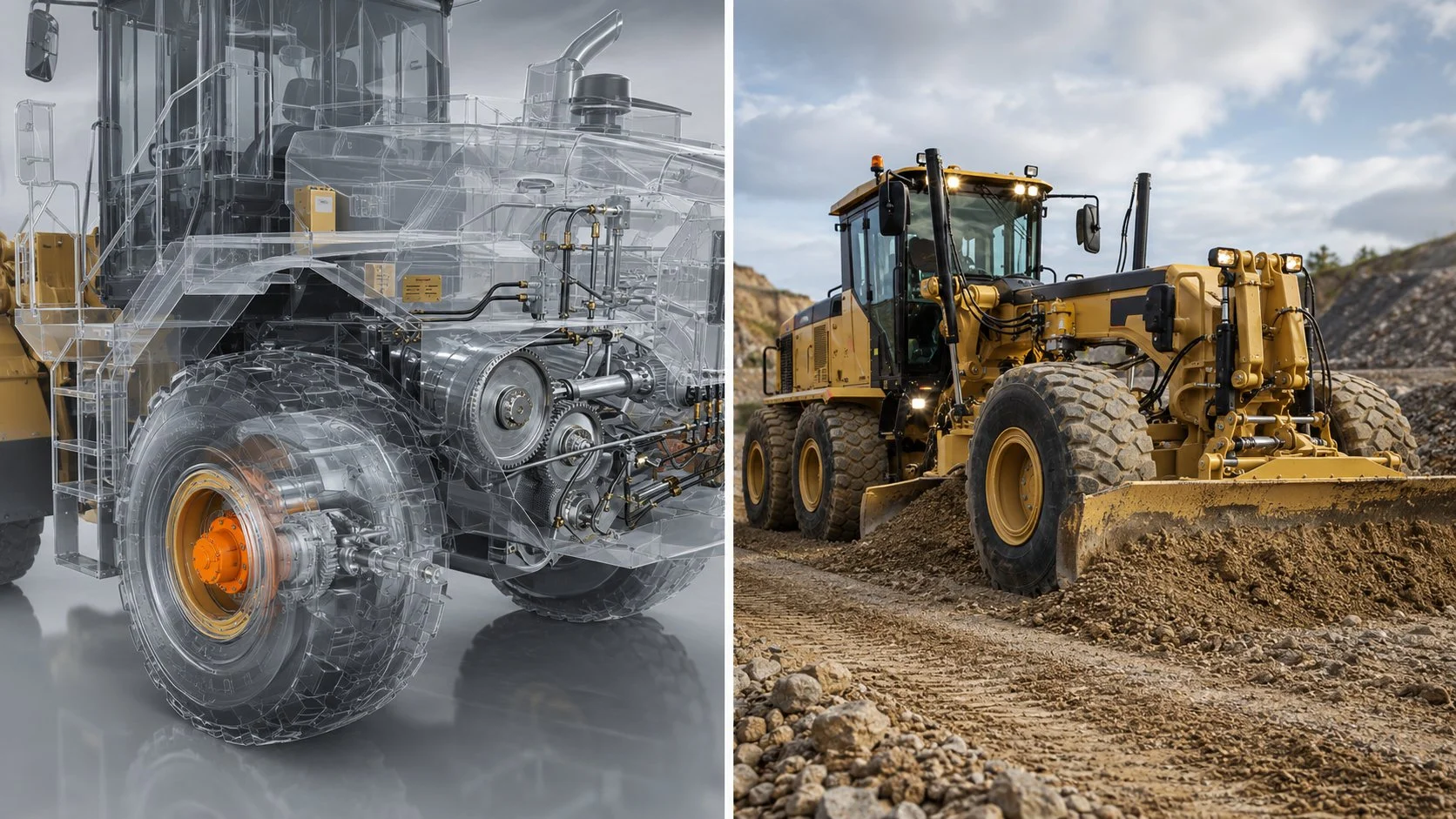
Large ADTs (40-60 Tonne Payload)
Articulated dump trucks in the 40-60 tonne payload class road between pit and dump at 25-35 km/h, then climb 20-25% loaded haul roads at 8-12 km/h. The 610L2 at ratio 20-25 provides the highway speed, and the full 30,000 Nm handles the loaded grade without stalling the hydrostatic circuit. No other wheel drive in the catalogue can deliver both 30,000 Nm and 25+ km/h ground speed — the 609 starts at ratio 33 (too slow) and the 611 starts at ratio 41 (far too slow for roading).
Port Straddle Carriers
Container straddle carriers that pick up, transport, and stack 30-40 tonne containers within port terminals. These machines require 25,000-30,000 Nm per wheel for loaded acceleration on wet, polished terminal surfaces and must travel at 20-25 km/h between stack positions for productive container throughput. The 610L2 at ratio 20-30 matches this speed-torque envelope precisely. The slewing drive gearbox handles the spreader rotation on the same hydraulic platform.
Large Wheel Loaders (18-25 Tonne)
Production loaders with 4-6 m³ buckets in quarry and aggregate operations that fill 50-tonne dump trucks at high cycle rates. The 610L3 at ratio 50-80 provides the traction force for aggressive stockpile penetration, while the 5.6:1 ratio range within the 610 family means the OEM can offer both a quarry-spec (high traction, ratio 80) and a road-spec (fast travel, ratio 30) on the same chassis without any structural modification.
Complete the Heavy-Duty Drive Platform

Wheel Drive Planetary Gearbox — 30,000 Nm Engineering FAQ
Zprávy z terénu
45-tonne ADT platform, 610L2 ratio 22. We evaluated six wheel drive suppliers across two years of development. The 610 was the only unit in any catalogue that combined 30,000 Nm with a ratio low enough to road at 28 km/h. Every competitor started at ratio 30 or higher, which would have required a two-speed motor to hit our road speed target — adding cost, weight, complexity, and a shift mechanism that operators universally hate. The 610L2 eliminated all of that. One motor, one ratio, one gearbox, 28 km/h road, 22% grade loaded. Exactly what we specified.
Straddle carrier fleet, 12 units, 610L2 ratio 25. Container throughput on our terminal improved by 8% after switching to the 610 from the previous supplier. The improvement came from higher inter-stack travel speed (23 km/h vs 18 km/h) without any reduction in loaded traction on the wet dock surface. The installation was straightforward — the guided cradle tooling that Ever-Power provided reduced assembly time to 20 minutes per unit compared to the 50 minutes we were spending with the old crane-lift method.
22-tonne loader, 610L3 ratio 65. The machine has good pulling power into the stockpile and the drives have been running clean for 9 months. The 4-star is because one of the four units arrived with a slightly damaged breather valve cap — likely shipping damage, not a manufacturing issue. It was replaced under warranty in 3 days. My only other observation: the 265 kg weight means that when we needed a field replacement, we had to bring the service truck with the crane instead of doing it with a forklift and two people like we could with the old 180 kg drives. Not a complaint about the product, just a practical reality of working with heavier equipment.
Další informace
| Editor | Cxm |
|---|
Související produkty
-
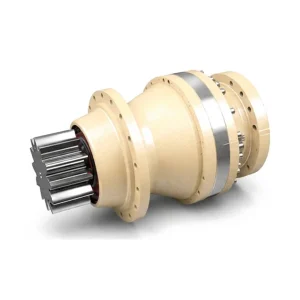
ZL24 Wheel Drive Planetary Gearbox
-
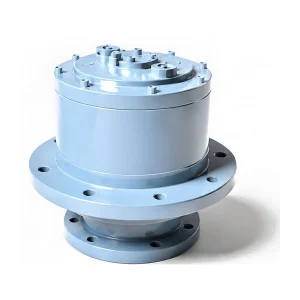
611L2, L3 Planetary Wheel Drive Gearbox Reducer
-

615L3 Planetary Wheel Drive Gearbox Reducer — 3-Stage
-
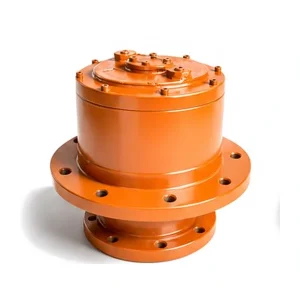
609L2, L3 Planetary Wheel Drive Gearbox
-
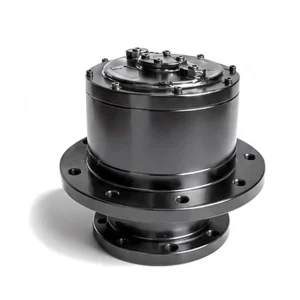
606L2, L3 Planetary Wheel Drive Gearbox Reducer
-
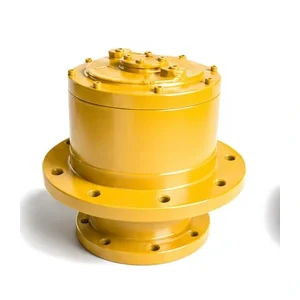
602L2 Planetary Wheel Drive Gearbox Reducer
-
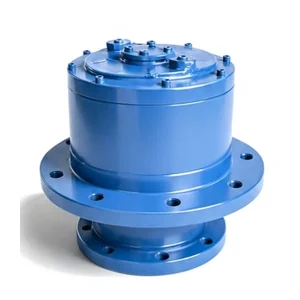
603L2B Planetary Wheel Drive Gearbox Reducer — 2-Stage
-
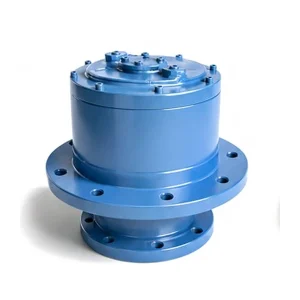
603L2A Planetary Wheel Drive Gearbox Reducer — 2-Stage