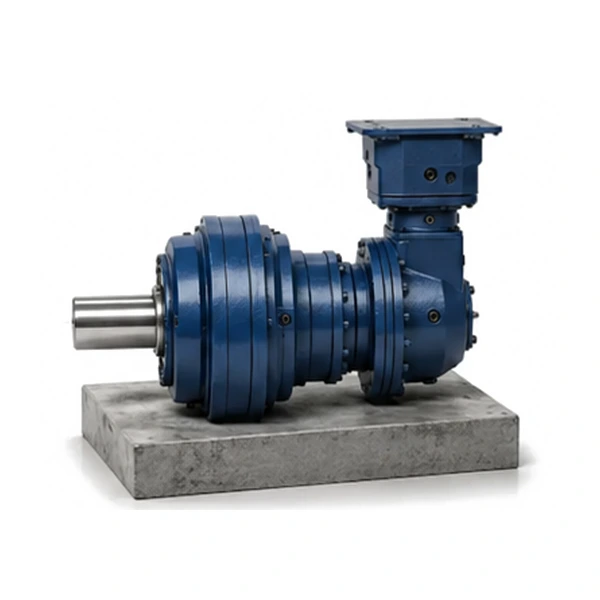
ZL120 Winch Drive Planetary Gearbox
PEAK EXCEEDS 417W3
Pt 100 kW
ZL120 — 133,000 Nm
The electric platform that makes the hydraulic mega-class optional.
The EP-ZL120 is the eighth model in the ZL electric planetová převodovka pohonu navijáku series and the point where the ZL continuous torque effectively reaches parity with the 4xxW mega-class. At 133,000 Nm continuous, the ZL120 falls only 5% short of the 414W3 mega-class entry point (140,000 Nm). But the 280,000 Nm peak exceeds the 417W3 continuous (250,000 Nm) by 12% — meaning the ZL120 absorbs transient loads that would require the second-largest 4xxW model to sustain continuously. For every crane and winch application where the duty is cyclic (lift, lower, pause, repeat) rather than sustained (hold for hours at near-rated load), the ZL120 replaces the mega-class with a lighter, quieter, regen-capable electric platform.
ZL120 Electric Winch Drive Planetary Gearbox — Technical Parameters
| Trvalý točivý moment (N2xh=100 000) | 133,000 Nm |
| Špičkový točivý moment | 280,000 Nm (2.11x continuous) |
| Rozsah převodových poměrů | 4.09 to 5,440 (1-5 stages) |
| Maximální vstupní rychlost | 5,000 rpm |
| Tepelný výkon (Pt) | 27 - 100 kW (first ZL at 100 kW) |
| Typ převodu | Šroubová planetová převodovka, 3planetová, DIN 5-6 |
| Integrovaná brzda | Žádná (motorová brzda nebo externí brzda) |
| Sealing / Housing | IP67+ FKM / QT600-3 |
| Materiál ozubeného kola | 20CrMnTi, HRC 58-62 |
133,000 Nm — Where the Electric ZL Series Makes the Hydraulic Mega-Class Optional
The 4xxW mega-class starts at the 414W3 (140,000 Nm, 1,250 kg, FEM M6, -40 deg C). The ZL120 sits 5% below at 133,000 Nm continuous — but with a peak of 280,000 Nm that the 414W3 cannot match even transiently. The decision between them is no longer about torque capacity. It is about duty profile.
| Parametr | 414W3 Mega-Class | ZL120 Electric |
|---|---|---|
| Nepřetržitý | 140,000 Nm | 133,000 Nm (95%) |
| Vrchol | ~280,000 Nm | 280,000 Nm |
| FEM class | M6 | 100,000 hr life |
| Min temp | -40 deg C | Norma |
| Regen / Noise | N/A / Standard | Full VFD / Helical quiet |
| Maximální poměr | 300 | 5,440 |
| Vstupní rychlost | 2 500 ot/min | 5,000 rpm |
The 414W3 wins when:
The application sustains 133,000-140,000 Nm for hours without rest (mining main production at deep shafts, AHTS anchor chain holding). The Arctic -40 deg C rating is required. An internal brake is mandated. The FEM M6 certification is needed for the specific regulatory framework.
The ZL120 wins when:
The duty is cyclic (crane hoisting, marine winch operations). The sustained load stays below 133,000 Nm with transient peaks up to 280,000 Nm. Regen braking and energy recovery are commercially valuable. Low noise matters. The motor must be compact and lightweight. Ratios above 300 are needed.
Thermal Power 100 kW — First ZL Winch Drive to Cross the Century Mark
The ZL120 1-stage Pt reaches 100 kW — the first ZL winch drive to break this threshold. At 2-stage (the most common configuration for heavy crane hoists), Pt is approximately 75 kW without external cooling, or approximately 115 kW with a standard oil cooler.
What 100 kW Pt Means
A 100 kW thermal limit at 1-stage means the ZL120 can continuously transmit 100 kW of shaft power without exceeding 85 deg C oil temperature in still air at 20 deg C ambient. For a 1-stage gearbox at ratio 5 with a 5,000 rpm motor: 100 kW at 1,000 rpm output = 955 Nm of continuous thermal-limited torque — far below the 133,000 Nm mechanical limit. At 2-stage ratio 80 with a 3,000 rpm motor: 75 kW at 37.5 rpm output = 19,099 Nm thermal-limited. The thermal limit is typically the binding constraint for high-duty-cycle applications, not the mechanical torque limit.
Practical Sizing at 2-Stage for 80 t Crane
An 80 t electric crane at 40% average duty cycle with a 600 kW motor: average thermal load = 600 x 0.40 x (1 - 0.97) = 7.2 kW (at 97% efficiency at 2-stage). This is well within the 75 kW 2-stage Pt — no external cooler needed for this crane. But at 80% average duty cycle (harbour container crane running near-continuously): average thermal load = 600 x 0.80 x 0.03 = 14.4 kW — still within the 75 kW limit. The ZL120 100 kW Pt class makes external cooling unnecessary for the vast majority of crane applications. External coolers become relevant only at sustained 70%+ duty with motors above 500 kW at 3+ stages.
Where the Cooler Is Still Mandatory
Mining production winders operating at 60-80% of continuous torque for 16-24 hours per day. Mooring winches maintaining constant tension for weeks. Any application where the thermal load exceeds the stage-specific Pt for more than 2 consecutive hours. The external oil cooler (+50-100% Pt) brings the effective thermal capacity to 150-200 kW at 1-stage — sufficient for any application within the 133,000 Nm mechanical limit. Contact Korea Ever-Power for cooler sizing at your specific duty profile.
133,000 Nm — The Electric Alternative to the Mega-Class for 80-120 t Applications
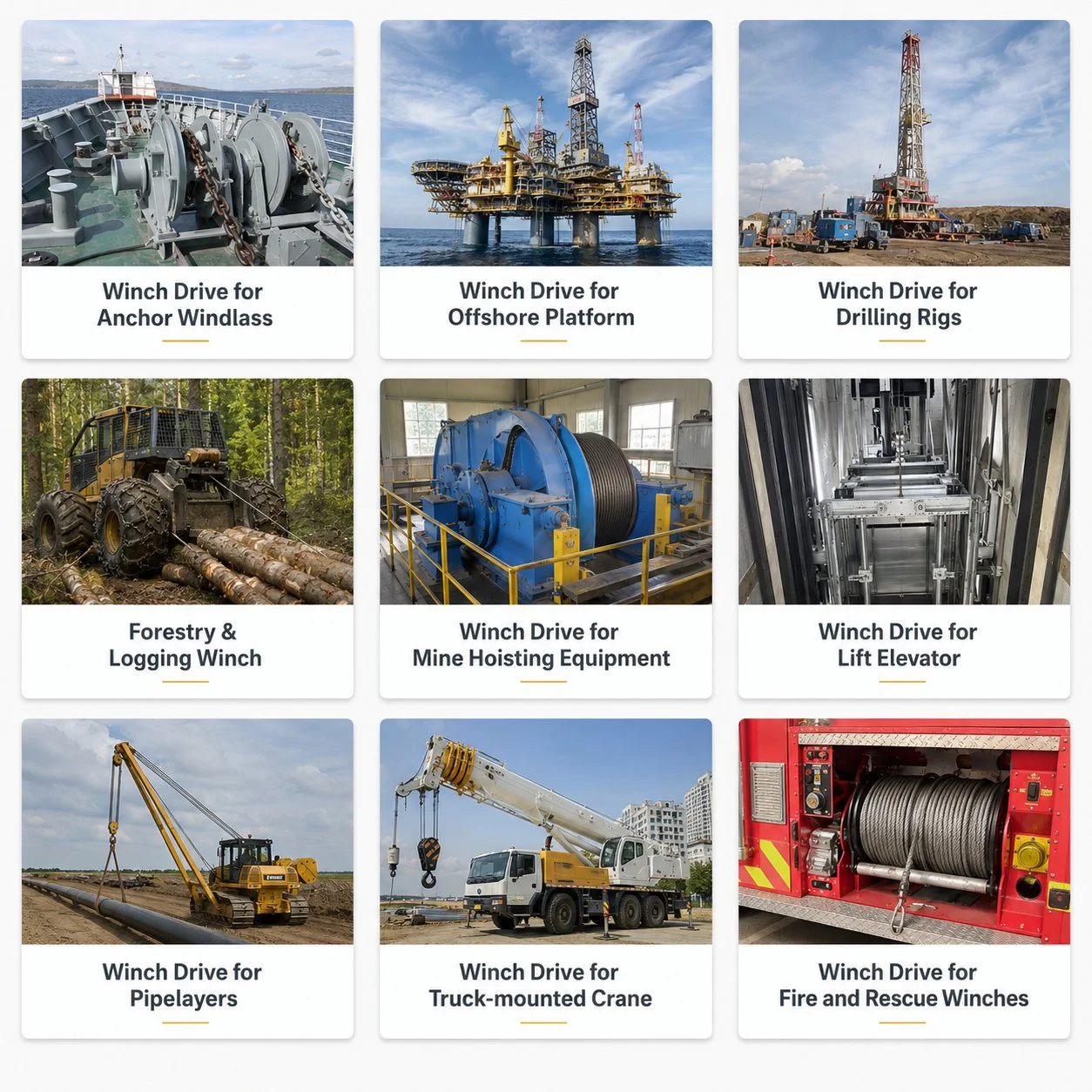
Electric Heavy-Lift Vessel Cranes (80-120 t SWL)
All-electric cranes on the next generation of offshore construction and heavy-lift vessels where the vessel builder has committed to electric propulsion and demands an all-electric crane to match. The ZL120 at ratio 80-200, 2-3 stage, with 600-1,000 kW high-speed motors provides the hoist torque that previously required the 414W3 mega-class plus a multi-motor hydraulic power unit. The otočný pohon a wheel drive complete the all-electric crane on the same electric vessel.
Electric Mining Main Production Winders
Main production winders at mines with shaft depths of 500-900 metres where the sustained drum torque stays within 133,000 Nm. The ZL120 with 5,000 rpm input paired with a compact high-speed AC motor (600-900 kW, IEC 315-400 frame) provides the winding torque with regen recovery of 20-35% of the hoist energy. For mines at this depth range, the ZL120 eliminates the need for the 414W3 mega-class and its associated 1,250 kg housing weight and hydraulic infrastructure.
Large Electric Industrial Overhead Cranes
Electric overhead travelling cranes in steelworks, power stations, and shipbuilding halls handling 50-100 tonne loads at high cycle rates. The ZL120 at ratio 60-150 provides the hoist torque with the helical-quiet operation that enclosed industrial environments demand. The 280,000 Nm peak handles the dynamic loads from ladle engagement, mould clamping, and module positioning that produce transient torques up to 2x the continuous lifting load. The 100 kW Pt at 1-stage means the crane operates without external cooling at typical industrial duty cycles.
The ZL Electric and 4xxW Mega-Class Winch Drives
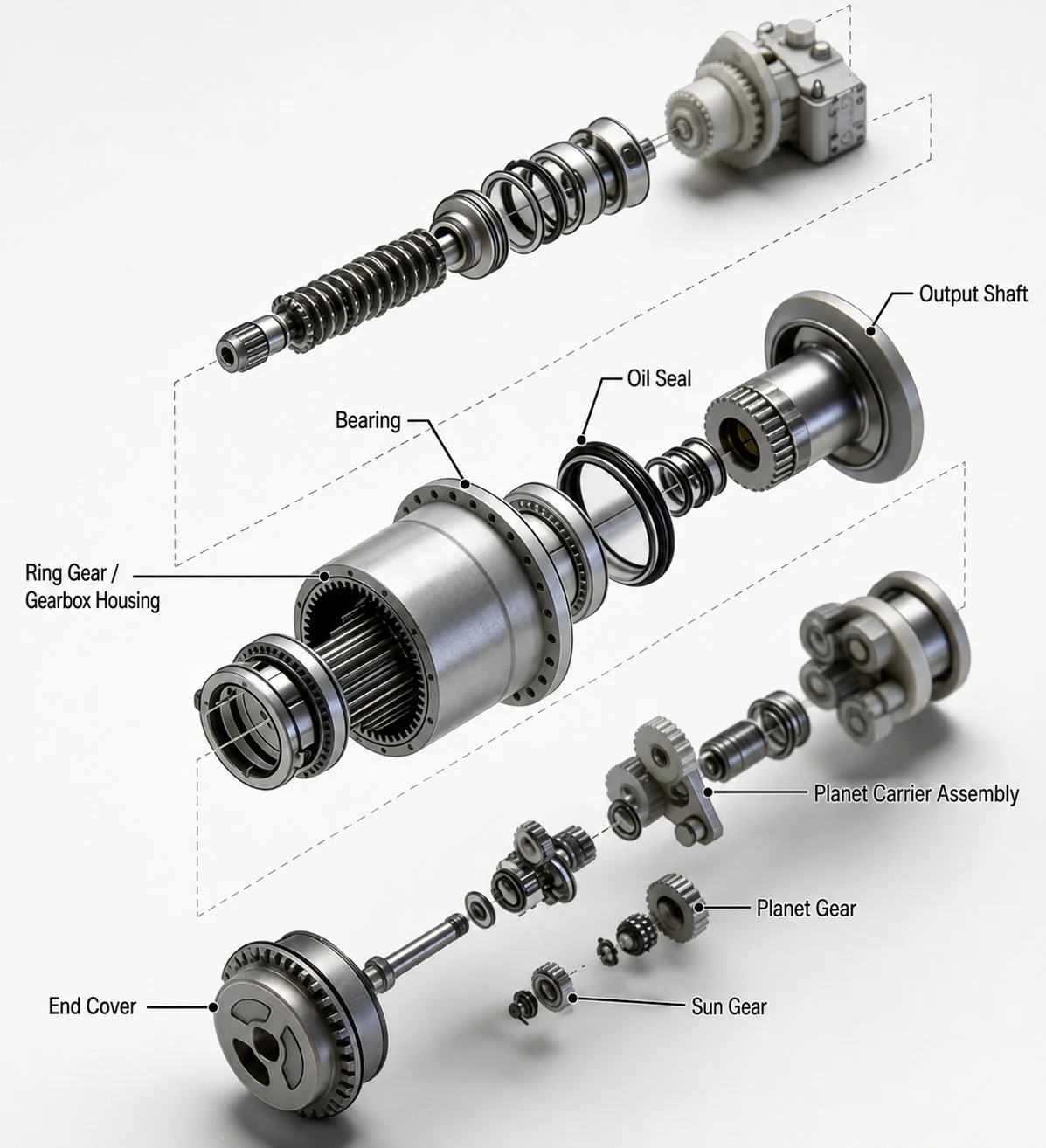
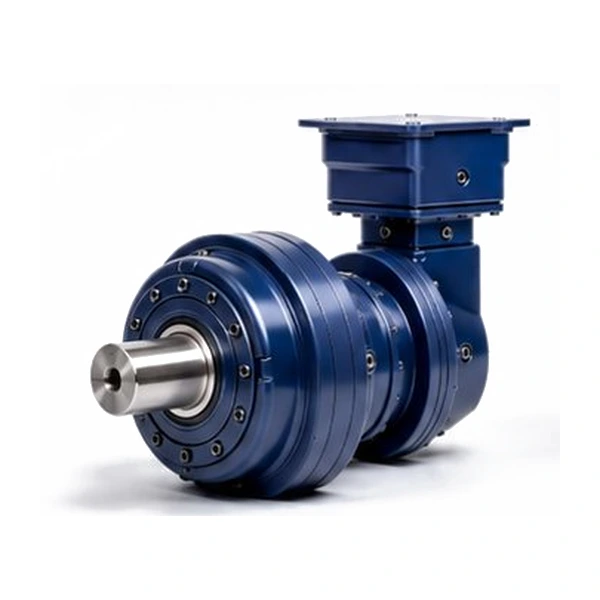
Electric Winch Drive Planetary Gearbox — ZL120 Mega-Class Alternative FAQ
Zprávy z terénu
100 t all-electric offshore construction vessel crane — the largest all-electric crane currently in operation. ZL120 at ratio 110, 2-stage, 900 kW PMSM at 4,800 rpm. The crane replaced a 414W3 hydraulic specification during the vessel design phase after the vessel builder committed to an all-electric power system. Weight saving at the crane head: 680 kg (ZL120 + motor vs 414W3 + HPU + dual motors + cooler). The naval architect used this saving to increase the crane boom length by 2.5 metres. The ZL120 280,000 Nm peak handled the proof-load test (125 t at 1.25x factor) without any VFD overcurrent event. Regen recovery over 9 months: 22% of total crane energy consumption. The vessel operator has stated this is the last hydraulic crane they will specify.
Main production winder at a 650-metre zinc mine, ZL120 at ratio 280, 3-stage, 700 kW AC motor at 4,500 rpm. The skip carries 18 tonnes of ore; rope weight at full depth is 3,200 kg. Sustained drum torque during loaded hoist: 105,000 Nm — 79% of the ZL120 continuous rating. The 414W3 was the original specification, but the mine engineering team switched to the ZL120 after the regen braking analysis showed a projected annual energy saving of USD 280,000 (28% recovery x 350 cycles/day x 300 days/year x average 22 kWh recoverable per cycle). The ZL120 gearbox cost premium over the 414W3 was recovered in 4.5 months of regen savings.
80 t electric overhead crane in a steelworks continuous casting bay, ZL120 at ratio 80, 2-stage, 600 kW AC motor. The crane handles 70-tonne ladle transfers at 120 cycles per day. The ZL120 helical gear noise at 62 dB(A) is a significant improvement over the previous straight-cut gear noise at 78 dB(A) — the operators can now hear the overhead intercom during crane travel, which was impossible with the old gearbox. The 280,000 Nm peak absorbs the ladle engagement shock (measured at 1.8x continuous) without audible gear stress. The 4-star reflects a spare parts observation: we operate three ZL120 units and two ZL85 units on different cranes in the same bay. Despite both being ZL series, zero internal components are interchangeable between the two model sizes. For plants operating multiple ZL models, reducing the internal component overlap between adjacent models (even partially — shared seals or bearings) would simplify our spare parts inventory.
Další informace
| Editor | Cxm |
|---|
Související produkty
-
ZR75 Winch Drive Planetary Gearbox — Right-Angle
-
Planetová převodovka s pohonem navijáku ZL75
-
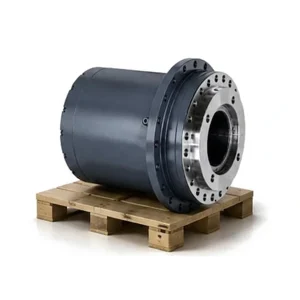
Planetová převodovka s reduktorem pohonu navijáku 419W3
-

Planetová převodovka s reduktorem pohonu navijáku 416W3
-

Planetová převodovka s reduktorem pohonu navijáku 415W3
-
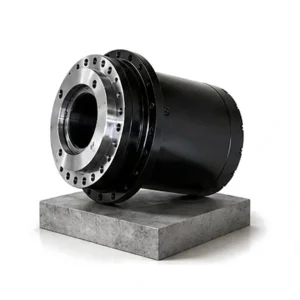
Planetová převodovka s reduktorem pohonu navijáku 414W3
-
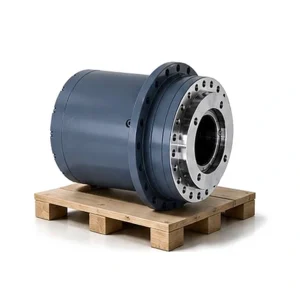
Planetová převodovka s reduktorem pohonu navijáku 406W
-

Planetová převodovka s reduktorem a pohonem navijáku 401W1 – jednostupňová