Winch Drive Series — Steel & Metallurgical Process Equipment
Winch Drive Planetary Gearbox for Furnace Door Opening
The winch drive gearbox that raises and lowers an electric arc furnace door, reheat furnace door, or ladle furnace door operates within metres of process temperatures exceeding 1,600°C — radiant heat that the gearbox housing absorbs continuously through every charging, tapping, and maintenance cycle. The planetarisk gearkasse med spildrev must maintain stable internal lubrication, seal integrity, and gear tooth contact geometry despite this radiant heat load, while delivering the high-cycle reliability that a steel mill demands from equipment integral to the melting and casting schedule.
Radiant heat shield housing
120°C ambient continuous rating
3 million cycle fatigue life
Furnace door drive systems occupy one of the most thermally hostile positions of any winch drive application — mounted on or adjacent to the furnace structure, typically 2 to 5 metres from the door opening through which radiant heat from molten steel, slag, or process gas escapes continuously, especially during charging and tapping operations when the door is open. Electric arc furnace (EAF) doors cycle 15 to 30 times per heat, with 8 to 15 heats produced per day in a high-productivity mill — accumulating well over 100,000 door cycles per year. Reheat furnace doors at rolling mills cycle continuously as billets or slabs enter and exit the furnace on a near-continuous basis during rolling campaigns. Korea Ever-Power supplies planetary winch drive gearboxes engineered specifically for the radiant heat exposure, high-cycle duty, and steel mill environmental contamination (scale, dust, cooling water spray) that furnace door applications impose, across the full range from compact ladle furnace door drives through heavy EAF main door systems.
Furnace Door Applications: EAF, Ladle, and Reheat Furnace Drives
Electric Arc Furnace (EAF) Door Drives (5,000–15,000 Nm): The EAF charging door is a heavy refractory-lined steel door that opens for scrap charging via the roof or for oxygen lancing and sampling operations during the melt cycle, and remains closed during electrical melting to contain heat and protect the furnace shell. The door assembly with refractory lining can weigh 3 to 8 tonnes, and the door drive winch must raise and lower this mass through a vertical or pivoting motion at a controlled speed that avoids slamming (which damages the refractory and door frame) while completing the cycle quickly enough to minimise heat loss during charging windows. The winch gearbox is typically mounted on a bracket extending from the furnace shell or an adjacent steel structure, positioning it within direct view of the open door aperture during every charge — meaning the gearbox absorbs significant radiant heat flux during each of the 15 to 30 daily cycles.
Ladle Furnace and Ladle Metallurgy Station Door Drives (2,000–8,000 Nm): Ladle furnace stations use smaller lid or door mechanisms to control atmosphere and heat loss during secondary steelmaking operations — alloy addition, temperature adjustment, and degassing. These doors cycle less frequently than EAF charging doors but operate in close proximity to the ladle, which contains liquid steel at 1,550 to 1,650°C for extended dwell periods of 20 to 60 minutes per heat. The sustained radiant exposure during this dwell period, rather than brief cycle events, is the dominant thermal load on the ladle furnace door drive gearbox.
Reheat Furnace Door Drives (3,000–10,000 Nm): Continuous reheat furnaces in rolling mills maintain a near-constant internal temperature of 1,150 to 1,280°C to bring steel billets, blooms, or slabs to rolling temperature. The charging and discharging doors at each end of the furnace cycle continuously as material moves through on a walking beam or pusher mechanism — in a high-throughput mill, the discharge door may cycle every 30 to 90 seconds around the clock. This continuous high-frequency cycling, combined with sustained proximity to the furnace interior temperature, makes reheat furnace door drives one of the highest-cycle-count winch drive applications in industrial service, while also facing among the highest sustained ambient temperatures.
Radiant Heat Engineering: Protecting the Gearbox from Furnace Proximity

A gearbox mounted 3 metres from an open furnace door radiating at 1,400°C internal temperature receives a radiant heat flux that, without protection, would raise the housing surface temperature well beyond the point where standard mineral or even synthetic gear oils maintain adequate lubrication properties. Korea Ever-Power furnace door gearboxes incorporate four engineering measures to manage this thermal exposure:
Radiant Heat Shield Panel
A polished or ceramic-coated heat shield panel mounted between the gearbox and the furnace door aperture reflects the majority of incident radiant heat away from the gearbox housing. Korea Ever-Power supplies an optional bolt-on heat shield bracket sized to the specific gearbox model, reducing the radiant heat flux reaching the housing surface by 60 to 75% compared to an unshielded installation at typical EAF door mounting distances.
Water-Cooled Mounting Bracket
For the closest-mounted EAF door drives where radiant flux is most severe, Korea Ever-Power offers a water-cooled mounting bracket that interposes a cooling water circuit between the furnace structure and the gearbox housing, conducting absorbed heat away before it reaches the gear oil. The cooling circuit connects to the furnace cooling water system already present at every EAF installation, requiring no additional plant utility.
High-Temperature Synthetic Lubricant
Korea Ever-Power furnace door gearboxes are filled with a high-temperature synthetic PAG (polyalkylene glycol) or PAO gear oil with a thermal stability rating to 150°C continuous bulk oil temperature — significantly above the 90 to 100°C upper limit of standard industrial gear oils. This oil maintains its EHL film-forming properties and oxidation resistance at the elevated baseline temperature that radiant heat exposure imposes even after shielding measures are applied.
High-Temperature FKM Seals
Standard FKM (fluoroelastomer) seal compounds are rated to approximately 200°C continuous service — adequate for most furnace door applications, but Korea Ever-Power offers a high-temperature FFKM (perfluoroelastomer) seal option rated to 260°C continuous for the most extreme close-mounted EAF door installations where standard FKM service life would be unacceptably shortened by sustained thermal exposure.
Korea Ever-Power Furnace Door Drive Selection Guide
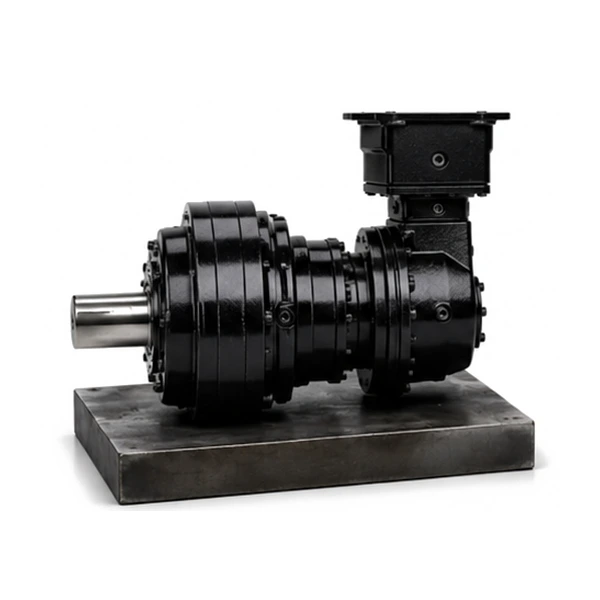
| Model | Udgangsmoment | Stadier | Forholdsområde | Furnace Application | Max Continuous Oil Temp | Forsegle |
|---|---|---|---|---|---|---|
| ZR75 | 1,500 – 6,000 Nm | 2–5 | 5.1 – 4,884 | Ladle furnace lid, small door | 150°C | FKM |
| 407AW | 2,000 – 10,000 Nm | 2–3 | 50 – 1,200 | Reheat furnace door, EAF small | 150°C | FKM / FFKM |
| 414W3 | 8,000 – 15,000 Nm | 3 | 100 – 2,500 | EAF main charging door | 150°C | FKM / FFKM |
Door Speed Control: Protecting Refractory and Door Seals
Steel Mill Contamination: Scale, Dust, and Cooling Water Spray
Beyond the radiant heat challenge, furnace door gearboxes operate in the broader steel mill environment, which presents additional contamination sources that the gearbox sealing and housing design must address:
Mill Scale and Refractory Dust: Reheat furnace and EAF operations generate continuous fallout of mill scale (iron oxide flakes shed from hot steel) and refractory dust (from door and furnace lining wear). This material settles on every horizontal surface near the furnace, including the gearbox housing, and infiltrates any seal gap. Korea Ever-Power furnace door gearboxes use the same FKM floating face cassette seal specification used for marine and mining applications — excluding mill scale and dust ingress at the shaft penetrations.
Cooling Water Spray Exposure: EAF furnace shells and door frames use water-cooled panels to manage the intense heat load, and these cooling circuits occasionally develop minor leaks or experience spray from cooling water connections during maintenance. The furnace door gearbox must tolerate occasional water spray exposure without IP rating compromise — Korea Ever-Power furnace door gearboxes are rated IP66 as standard, providing protection against powerful water jets in addition to the dust exclusion already required for the mill environment.
Thermal Cycling Stress on Housing Castings: The furnace door gearbox experiences significant thermal cycling — radiant heat exposure during each door open event, followed by cooling during the closed dwell period between cycles. Over years of service, this thermal cycling imposes fatigue stress on the gearbox housing casting at geometric stress concentrations. Korea Ever-Power furnace door gearbox housings are stress-relieved after casting and machining to remove residual stresses that would otherwise combine with thermal cycling stress to accelerate housing crack initiation, particularly at mounting bolt bosses and ribbing intersections.
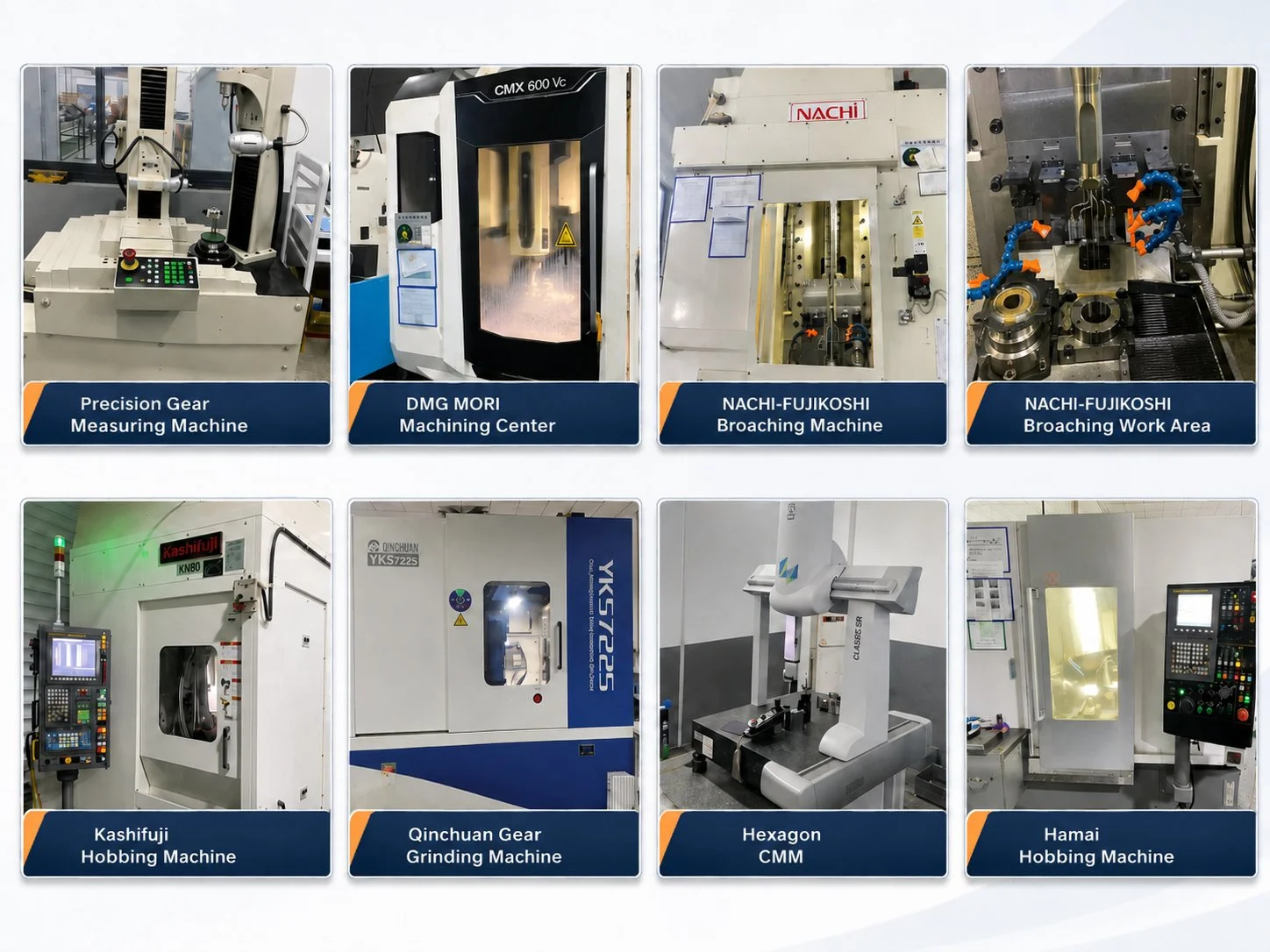
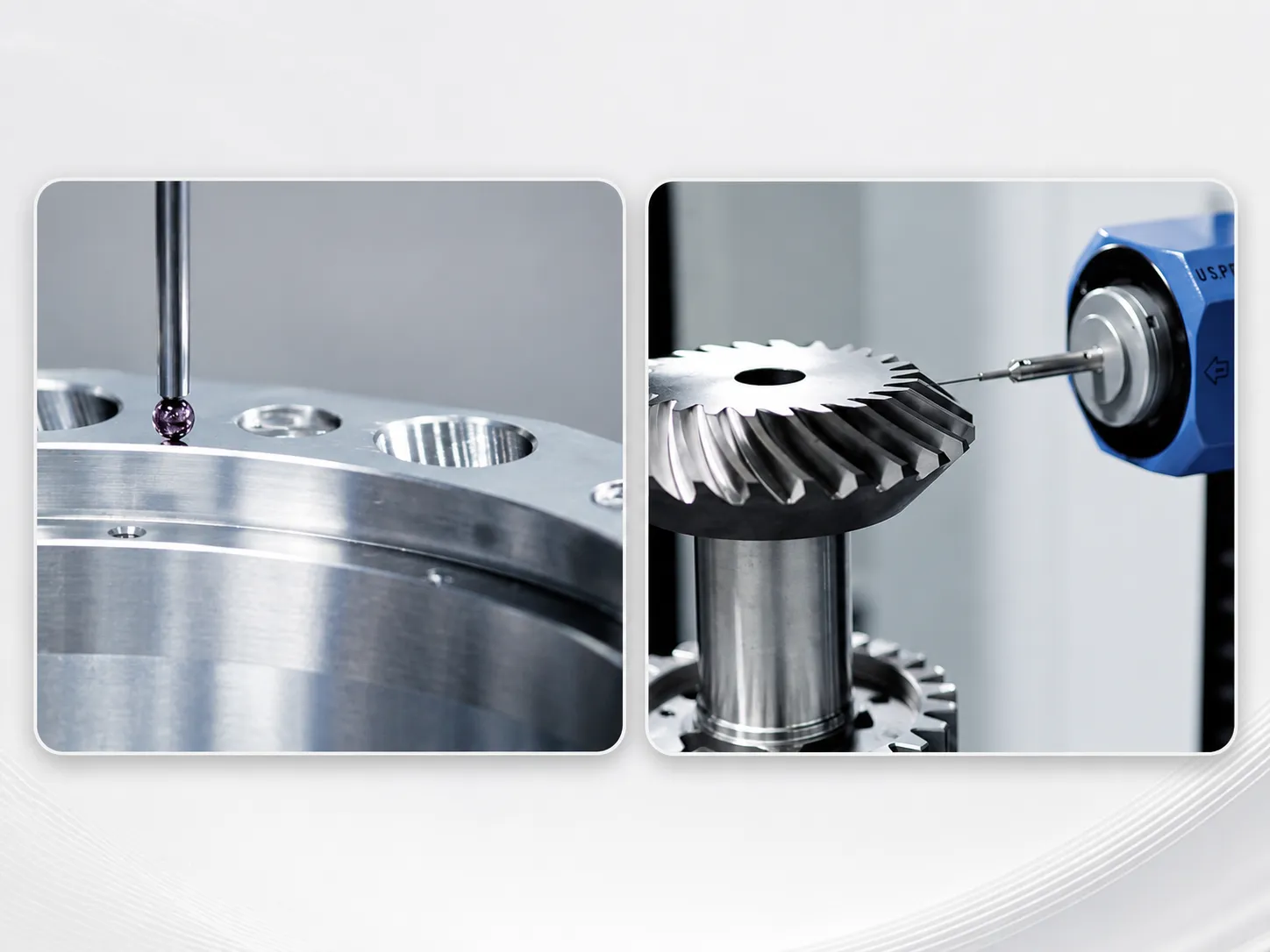
Testing for High-Temperature, High-Cycle Furnace Door Service
Common Furnace Door Drive Failures and Prevention
| Fejltilstand | Grundårsag | Detection | Prevention |
|---|---|---|---|
| Oil carbonisation — radiant heat | Standard mineral or low-temperature synthetic oil exceeding oxidation limit from sustained radiant heat absorption — carbon deposits forming on gear surfaces | Dark, varnished oil at sample; reduced lubrication film causing accelerated gear wear | Specify high-temperature PAG or PAO oil rated to 150°C; fit radiant heat shield if oil temperature trending upward at routine checks |
| FKM seal hardening — extreme heat | Standard FKM seal exceeding its 200°C continuous rating at very close EAF door mounting positions — seal cracking and losing sealing force | Oil weeping at output shaft; visible seal cracking at inspection | Specify FFKM high-temperature seal for close-mounted applications; verify mounting distance against the heat shield protection rating |
| Door slam — closure damage | Single-speed control without creep approach — door impacting closed position at full speed, cracking refractory or damaging seal | Refractory cracking pattern at door edge; audible impact at closure; accelerated seal wear | Implement two-speed VFD profile with creep approach to final 50 to 100 mm of travel; verify encoder feedback for consistent seating depth |
| Gear tooth fatigue — high-cycle reheat door | Reheat furnace door cycling every 30 to 90 seconds exceeding the calculated fatigue life faster than standard maintenance interval anticipates | Gear noise increase tracked against cycle counter; micro-pitting at borescope inspection during planned shutdown | Track actual cycle count against the 3 million cycle rating; schedule replacement at 80% of calculated fatigue life |
| Housing crack — thermal cycling fatigue | Repeated thermal expansion and contraction at mounting bosses without stress relief after casting — fatigue crack initiation over years of cycling | Visible crack at mounting boss or rib intersection at annual inspection; oil weeping from crack location | Specify stress-relieved housing castings; annual visual and dye-penetrant inspection of mounting boss areas on close-mounted EAF door units |
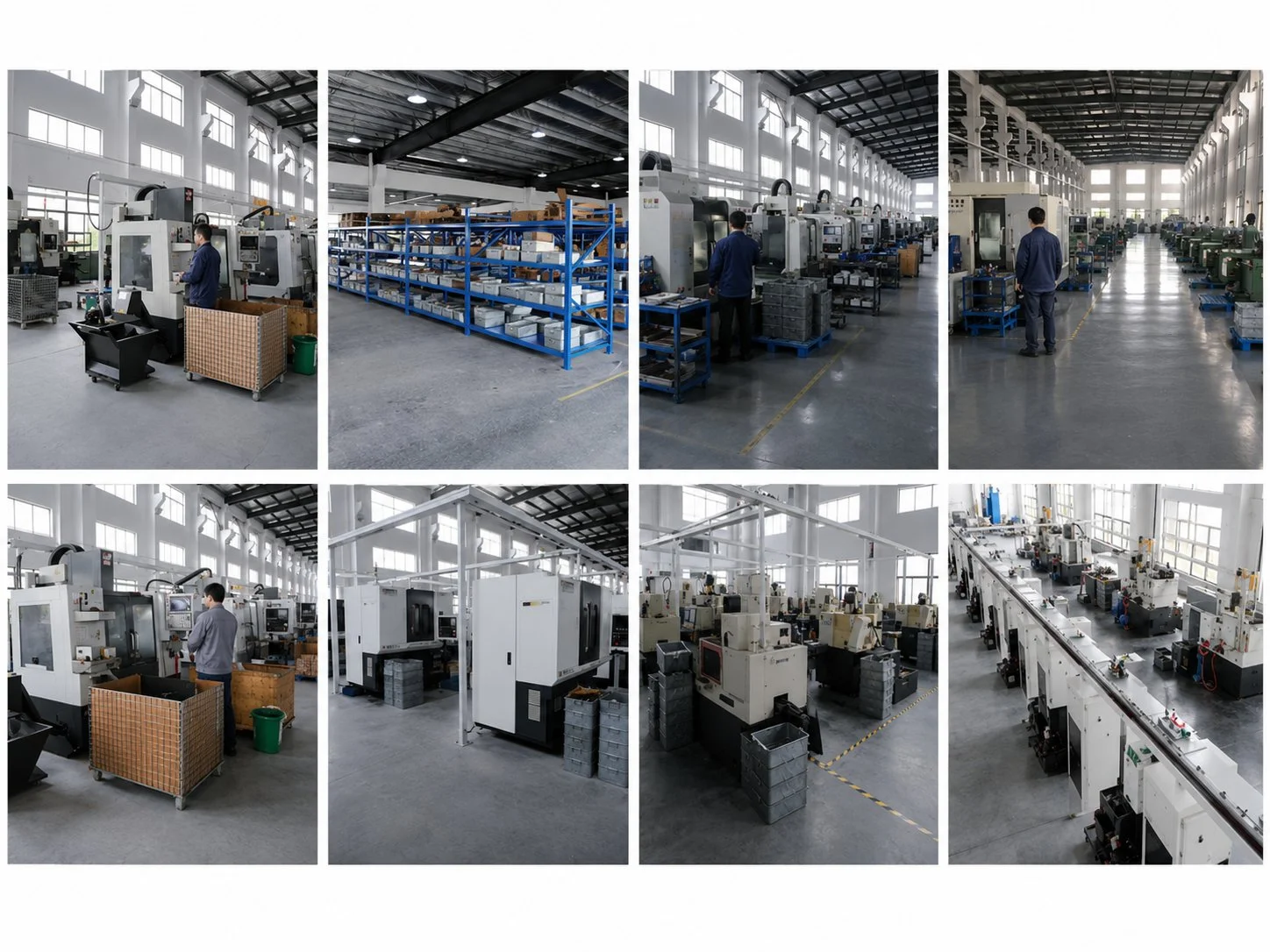
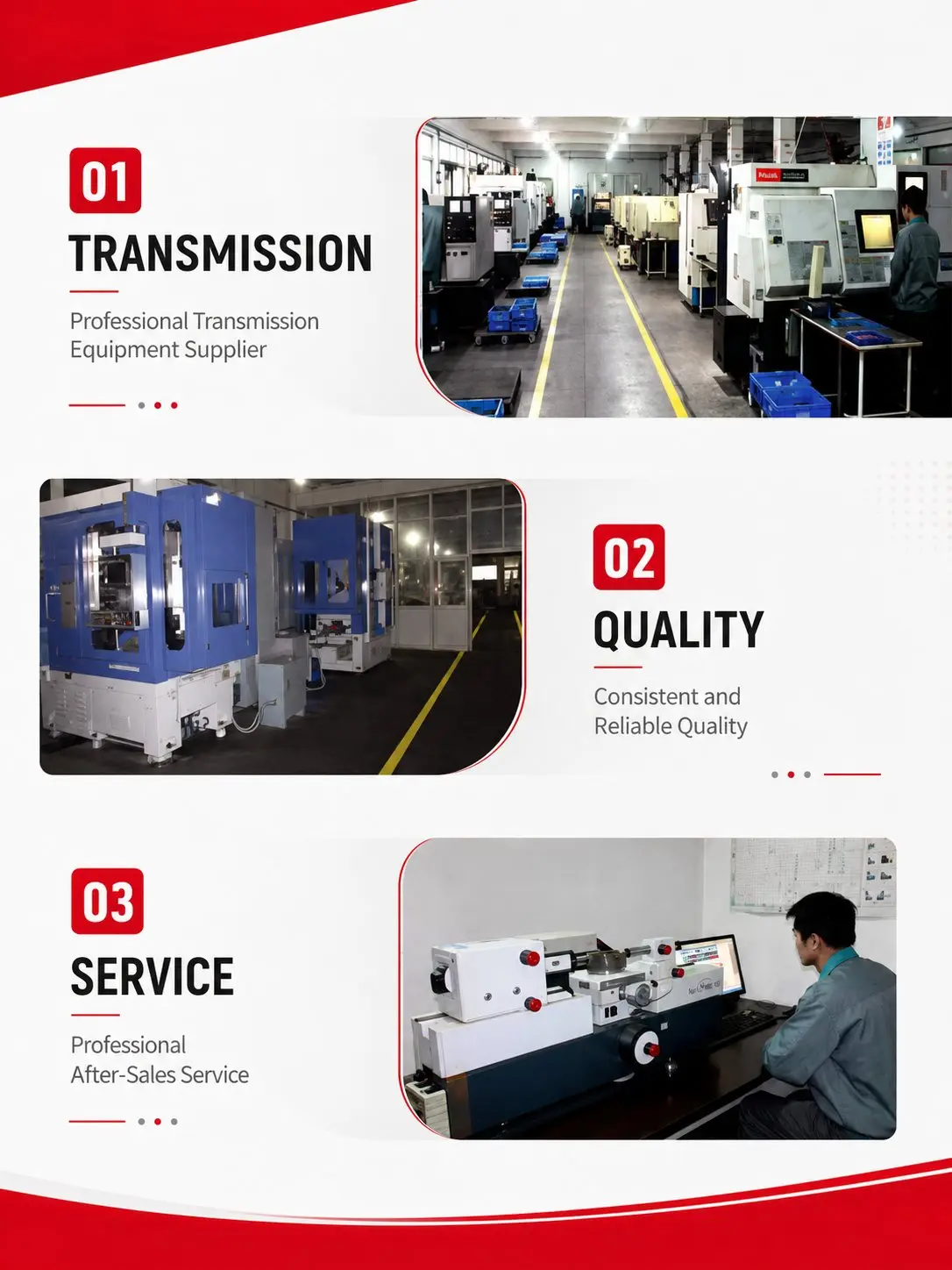
Why Steel Mill Engineers and Furnace OEMs Choose Korea Ever-Power
Source Your Furnace Door Winch Drive Planetary Gearbox
Whether you are specifying door drives for a new electric arc furnace, ladle furnace, or reheat furnace build programme, or sourcing replacement gearboxes for an operating steel mill furnace fleet — Korea Ever-Power delivers radiant-heat-rated, high-cycle planetary winch drive gearboxes built for the thermal and cyclic demands of furnace door duty. Send us your furnace type, door mass, mounting distance, and cycle frequency for a free thermal exposure assessment and gearbox specification within 48 hours.
Edit by Cxm