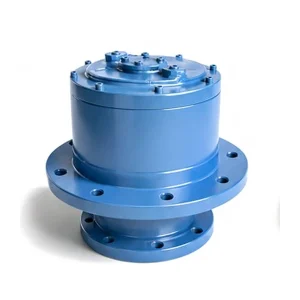
601L1A Planethjulsdrevet gearkasse — Enkelttrins
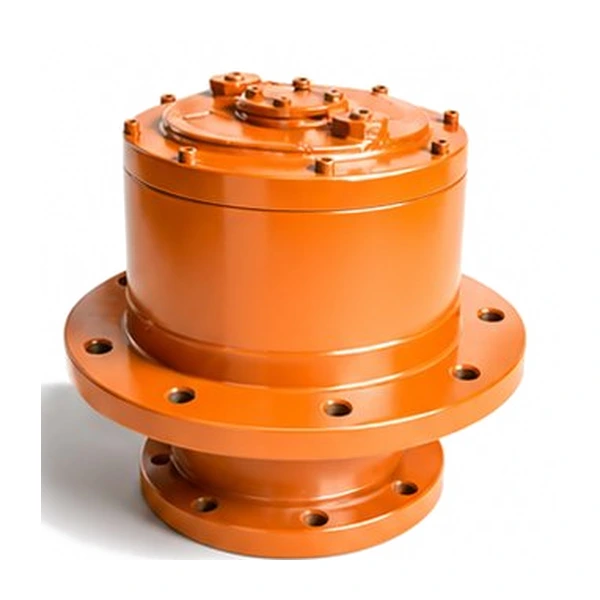
601L1A
The Lightest Wheel Drive in the Catalogue
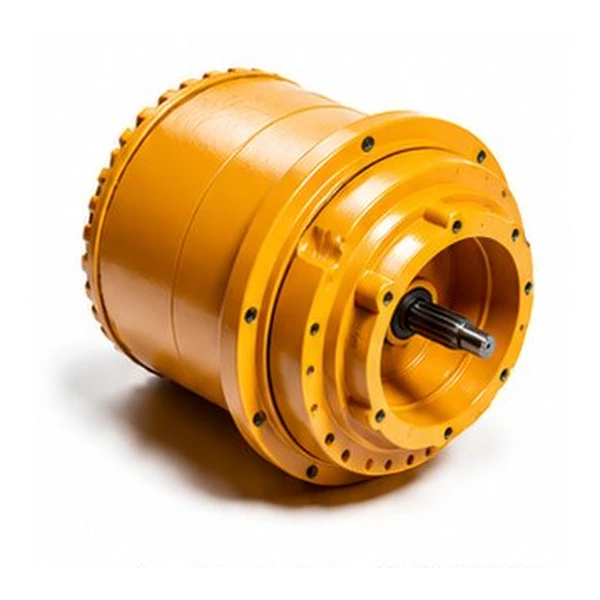
Most planetary wheel drive gearboxes pack two or three planetary stages into the housing. The 601L1A uses one. That single stage at 5.77:1 ratio is all that separates the hydraulic motor shaft from the wheel — and with fewer gears meshing, less energy is wasted as heat, fewer parts can wear, and the unit weighs barely more than a car tyre. For compact machines that do not need high reduction but absolutely need reliability and maximum efficiency per kilogram, this is the wheel drive to specify.

601L1A Wheel Drive Planetary Gearbox — Full Specification
| Udgangsmoment (nominelt maks.) | 1,750 Nm |
| Gearforhold | 5.77 :1 (single planetary stage) |
| Maksimal indgangshastighed | 1,000 rpm |
| Mekanisk effektivitet | ≥ 96% |
| Parkeringsbremse | 450 - 600 Nm, spring-applied, hydraulic release |
| Nødbugsering | Manuel udkobling (friløbsfrakobling) |
| Hjulmontering | Roterende flange, SAE/ISO boltcirkel |
| Tørvægt | Approx. 45 kg |
| Smøring | Oliebadsprøjt, API GL-5 EP gearolie |
| Driftstemperatur | -25 to +85 deg C (Viton seals optional for extremes) |
| Gearmateriale | Karbureret legeret stål, CNC-slebet, HRC 58-62 |
Why a Single-Stage Planetary Wheel Drive Delivers More Than It Appears
Every other planetgearkasse med hjultræk in the Korea Ever-Power catalogue uses two or three planetary stages. The 601L1A uses one. That sounds like a limitation, but for machines that operate at moderate ground speeds (under 15 km/h) and draw torque from low-speed, high-displacement hydraulic motors, the single stage is the mechanically optimal solution.
Fewer gears meshing means 96% efficiency instead of the 93-95% typical of multi-stage planetary wheel drives. It means one fewer set of planet gears to inspect, one fewer sun gear that can wear, and roughly 40% less weight than a two-stage drive of equivalent torque class. On battery-electric or hybrid-electric compact vehicles, that efficiency gain extends range in a way that is difficult to achieve through any other single drivetrain change.
Single-Stage vs Multi-Stage
96% efficiency vs 93-95%
45 kg vs 85-135 kg (2-stage)
3 planet gears vs 6-9 (multi-stage)
1 bearing set vs 2-3 sets
Wheel Drive Sizing — Will 1,750 Nm Move Your Machine?
Selecting a planetary wheel drive gearbox starts with a question of physics: does the torque at the wheel overcome the resistance forces at the tyre contact patch? The calculation below applies to any wheel drive, not just the 601L1A — the method is universal.
Find the required tractive force
F = GVW x (rolling resistance + gradient). For a 3,000 kg compact loader on firm soil (rolling resistance 0.04) climbing a 15% grade: F = 3,000 x 9.81 x (0.04 + 0.15) = 5,592 N. With two wheel drives sharing the load equally, each drive must produce 2,796 N at the tyre contact patch.
Convert to torque at the wheel
T = F x tyre radius. For a 400 mm rolling radius tyre: T = 2,796 x 0.40 = 1,118 Nm per wheel. The 601L1A delivers 1,750 Nm, providing a safety factor of 1.57 — well above the minimum 1.3 recommended for off-road applications with variable terrain.
Verify maximum speed
V = (motor rpm / ratio) x tyre circumference x 60 / 1,000,000. At 800 rpm motor input with 5.77 ratio and 0.4 m radius: V = (800 / 5.77) x (2 x 3.14 x 0.4) x 60 / 1,000,000 = 20.9 km/h. If your required top speed exceeds the calculated value, increase the hydraulic motor displacement or pump flow — not the gear ratio.
The 601L1A is correctly sized for wheeled machines up to approximately 4,000 kg GVW on moderate terrain (grades under 20%, firm to soft soil). Above 4,000 kg or on steep gradients, step up to the 603L2A (4,000 Nm) or 602L2 (5,000 Nm).
Manual Declutch — The Feature That Separates a Good Wheel Drive from a Costly Breakdown
When a hydraulic system fails in the field — a burst hose, a dead pump, an electrical fault — the machine is stranded. Without a declutch, towing it back to the workshop means dragging the wheels against the locked gearbox and pressurised hydraulic motor. The result is usually a destroyed motor, blown seals, and an overheated gearbox that needs a full rebuild on top of the original repair.
The 601L1A solves this with a manual declutch lever accessible from outside the housing. One pull disconnects the planet carrier from the wheel hub, allowing the wheel to spin freely. The machine can then be towed at low speed (under 10 km/h) back to the workshop without any damage to the hydraulic circuit or the gearbox internals. Re-engaging the clutch takes seconds once the hydraulic system is repaired.
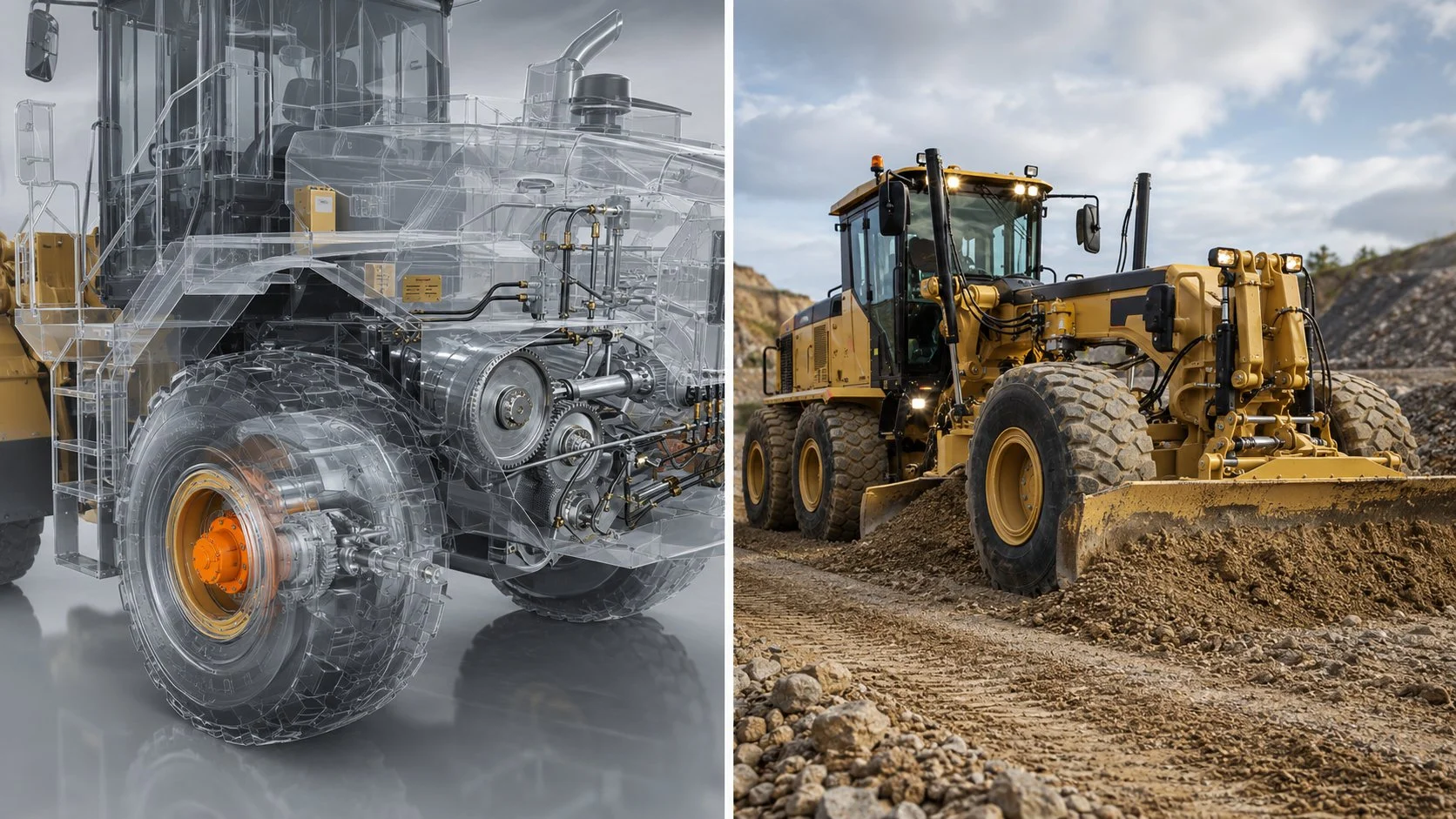
Compact Wheel Drive Applications Under 4 Tonnes GVW
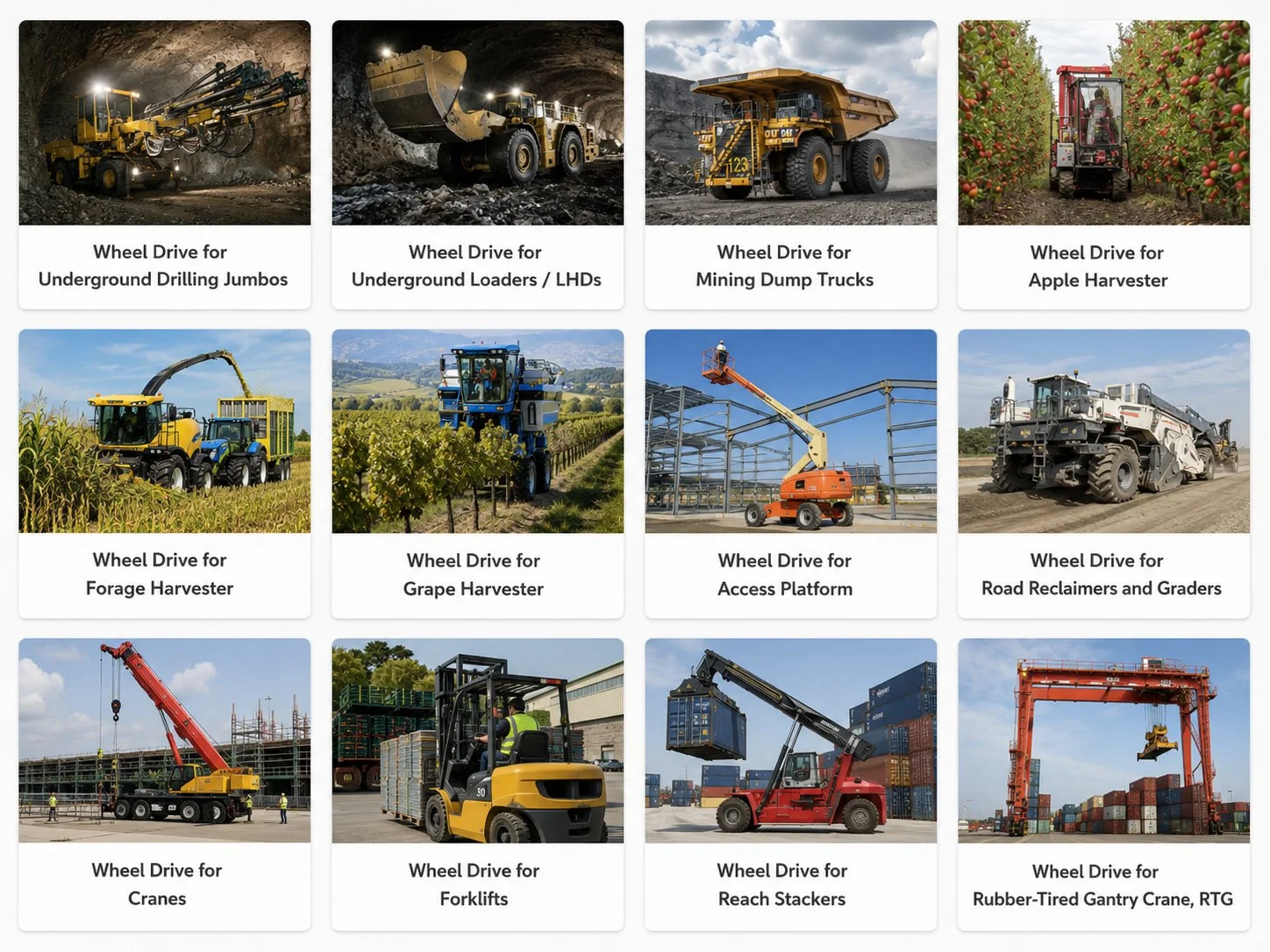
Compact Wheel Loaders and Skid-Steer Variants
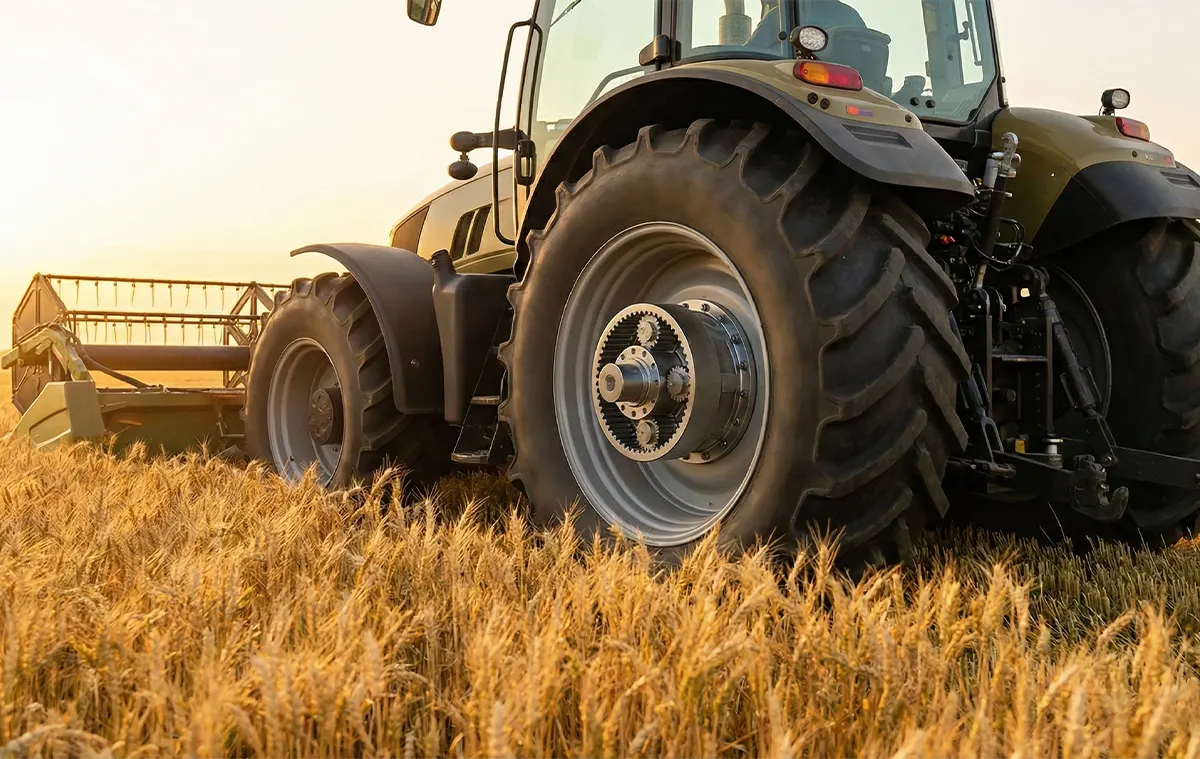
Sub-4-tonne wheel loaders used in landscaping, nursery operations, and small construction sites. These machines rarely exceed 12 km/h travel speed and spend most of their operating hours in low-speed, high-traction manoeuvres — loading, grading, pushing. The 601L1A single-stage efficiency means less hydraulic flow is wasted as gearbox heat, so the same pump that drives the wheels can share more capacity with the loader arms and auxiliary hydraulics.
Turf Maintenance and Golf Course Equipment
Ride-on mowers, turf sprayers, and fairway rollers that must cross soft turf without leaving ruts. The 45 kg dry weight minimises ground pressure contribution from the drivetrain itself — important when every kilogram on the axle matters for turf compaction. The sealed oil-bath lubrication eliminates the grease nipples and open gears that would otherwise deposit lubricant onto playing surfaces.
Electric and Hybrid Utility Vehicles
Battery-electric personnel carriers, warehouse tow tractors, and airport ground support vehicles where the 96% gearbox efficiency directly extends battery range. On a vehicle with a 10 kWh battery pack, switching from a 94% efficient two-stage drive to the 96% single-stage 601L1A recovers approximately 0.2 kWh per full discharge cycle — equivalent to 2-3 km of additional range depending on vehicle weight and terrain.
Quick-Fit Vehicle Reference
- Compact wheel loaders
- Stand-on skid steers
- Ride-on turf mowers
- Fairway sprayers and rollers
- Electric utility vehicles
- Airport tow tractors
- Warehouse AGVs
- Orchard and vineyard carriers
Beyond the Wheel Drive — Complete Drivetrain Solutions
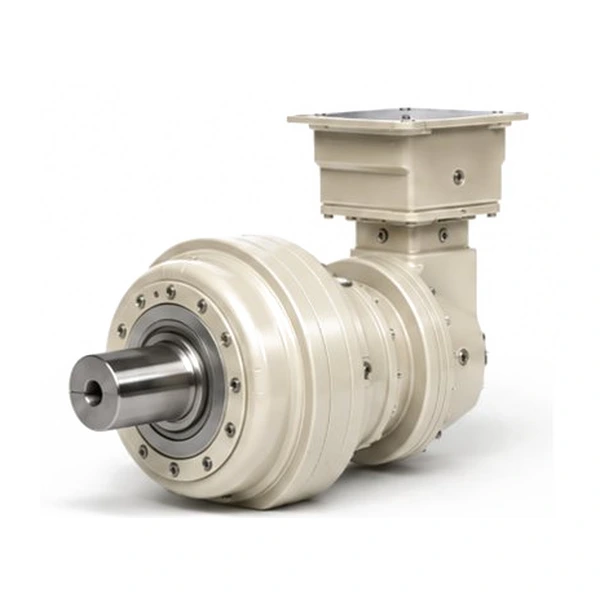
Planetary Wheel Drive Gearbox — Frequently Asked Questions
Feltrapporter
Running these on four compact loaders at a nursery operation. Lots of mud, lots of tight turns on soft ground, lots of loading pallets of plants onto trucks. After two seasons the drives are solid — no leaks, no noise changes, no issues. The declutch saved us once when a hose blew on machine 3 and we were able to tow it back to the shed instead of calling a flatbed. That alone paid for itself.
We integrated the 601L1A into a battery-electric utility platform for airport ground support. The 96% efficiency is real — we measured 95.7% on our dyno across the operating range, which was the deciding factor over a two-stage competitor at 93.1%. The 4-star rating is because the input spline profile needed a custom coupling to mate with our BLDC motor shaft, and that coupling was not available from Ever-Power. We machined our own, but an adapter kit for common EV motor shafts would make this product much more accessible to the electric vehicle market.
Turf sprayer application. Replaced a chain drive that was throwing grease onto the fairways every time the wind changed direction. The sealed housing eliminated that problem completely. The lighter weight also noticeably reduced the rut depth on wet greens compared to the old setup. Simple unit, does what it needs to do.
Yderligere information
| Redaktør | Cxm |
|---|
Relaterede produkter
-
ZL02 Hjuldrevet planetgearkasse
-
611L2, L3 planethjulsdrevet gearkassereduktion
-

615L3 Planetary Wheel Drive Gearbox Reducer — 3-Stage
-
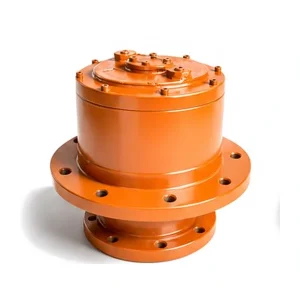
609L2, L3 planethjulsdrevet gearkasse
-
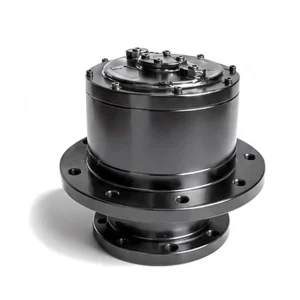
606L2, L3 Planetary Wheel Drive Gearbox Reducer
-
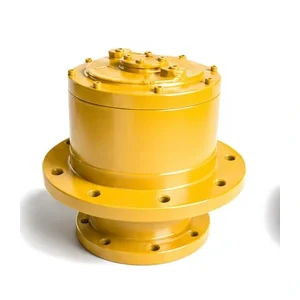
602L2 planethjulsdrevet gearkassereducer
-
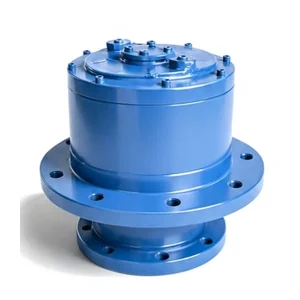
603L2B Planetary Wheel Drive Gearbox Reducer — 2-Stage
-
603L2A Planetary Wheel Drive Gearbox Reducer — 2-Stage