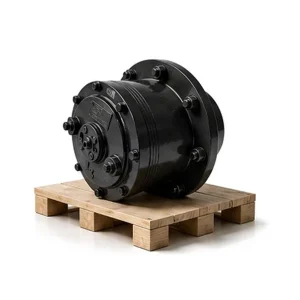
ZL200 Winch Drive Planetary Gearbox
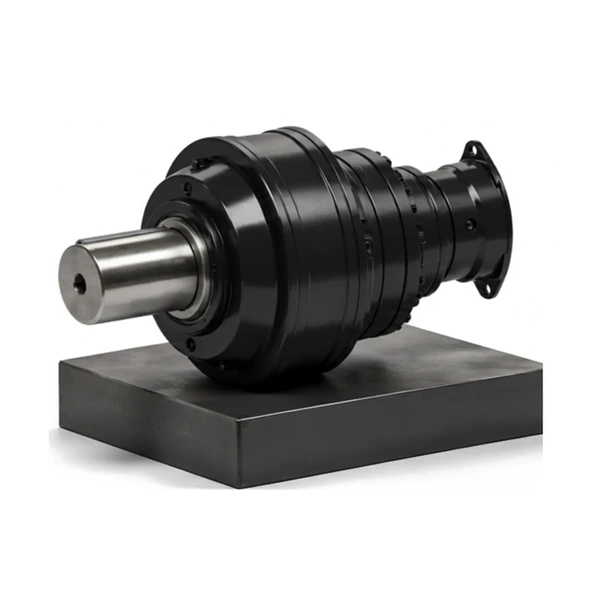
ZL200
175,000 Nm. Nothing above it.
The EP-ZL200 is the end of the ZL electric Caja de engranajes planetarios de accionamiento del cabrestante series. Ten models — ZL30 through ZL200 — span from 27,000 to 175,000 Nm continuous, from 75,500 to 368,000 Nm peak, from 4,000 to 5,000 rpm input, from 1-4 stages to 1-5 stages, and from 15 kW to 130 kW thermal power. The ZL200 sits at the top of every one of these ranges.
At 175,000 Nm continuous, the ZL200 exceeds the 4xxW 414W3 mega-class (140,000 Nm) by 25% and the 415W3 (150,000 Nm) by 17%. At 368,000 Nm peak, it surpasses the 419W3 — the absolute ceiling of the entire 4xxW hydraulic catalogue at 330,000 Nm continuous — by 12%. The electric era ZL series now provides both higher continuous torque AND higher transient capacity than the hydraulic mega-class entry point, from a platform that weighs less, runs quieter, recovers energy, and accepts the newest generation of high-speed electric motors.
ZL200 — The ZL Series Maximum — Technical Parameters
| Continuous torque (N2xh=100,000) | 175,000 Nm (ZL series maximum) |
| Peak torque | 368,000 Nm (2.10x, exceeds 419W3) |
| Rango de relación de transmisión | 4.4 to 4,504 (1-5 stages) |
| Velocidad máxima de entrada | 5,000 rpm |
| Thermal power (Pt) | 36 - 130 kW (ZL series highest) |
| Gear type | Helical planetary, 3-planet, DIN 5-6 |
| Integrated brake | None (motor brake or external brake) |
| Sealing / Housing | IP67+ FKM / QT600-3 |
| Material de engranajes | 20CrMnTi, HRC 58-62 |
175,000 Nm — The Electric Ceiling and What Defines It
The 4xxW series ceiling at 330,000 Nm is set by the housing diameter that fits inside a cable drum. The ZL200 ceiling at 175,000 Nm is set by a different constraint — but the principle is the same.
At 175,000 Nm through ratio 80, the input shaft torque is 2,188 Nm at 5,000 rpm. This approaches the torsional fatigue limit of the input shaft diameter that the ZL200 housing bore can accommodate. Larger input torques would require a larger shaft, a larger housing bore, and a larger housing casting — stepping into a new product platform that does not yet exist in the ZL catalogue. The ZL200 represents the maximum torque that the current ZL housing platform can transmit at 5,000 rpm input.
At 5,000 rpm with the ZL200 first-stage gear module, the tooth peripheral velocity is at the upper limit for carburised 20CrMnTi at DIN 5-6 accuracy. Higher torque would require a larger gear module, which at 5,000 rpm would exceed the safe peripheral velocity and risk lubricant film breakdown at the tooth contacts. The ZL200 sits at the intersection of the maximum gear module size and the maximum input speed — any increase in either parameter would push the other beyond its limit.
For applications exceeding 175,000 Nm continuous from an electric platform, three paths exist: (1) dual ZL200 units through a torque-combining gearbox — producing up to 350,000 Nm continuous, (2) the ZR right-angle winch drive series — a different architecture with right-angle input that can accept larger electric motors, or (3) the 4xxW mega-class for sustained duty above 175,000 Nm where the hydraulic infrastructure already exists. Contact Corea Ever-Power for multi-unit and cross-series configurations.
The Complete ZL Electric Winch Drive Family — 27,000 to 175,000 Nm in Ten Models
| Modelo | Cont. (Nm) | Peak (Nm) | Peak/Cont. | RPM | Etapas | Rango de relación | Pt max (kW) |
|---|---|---|---|---|---|---|---|
| ZL30 | 27,000 | 75,500 | 2.80 | 4,000 | 1-4 | 4-1,259 | 46 |
| ZL35 | 34,000 | 85,000 | 2.50 | 4,000 | 1-4 | 3.84-2,397 | 53 |
| ZL45 | 40,500 | 95,000 | 2.35 | 4,000 | 1-4 | 3.84-1,745 | 55 |
| ZL55 | 55,000 | 112,000 | 2.04 | 4,000 | 1-5 | 4.14-2,190 | 74 |
| ZL75 | 70,000 | 175,000 | 2.50 | 4,000 | 1-5 | 4-1,502 | 86 |
| ZL85 | 88,000 | 200,000 | 2.27 | 4,000 | 1-5 | 4.05-3,509 | 90 |
| ZL95 | 115,000 | 245,000 | 2.13 | 5,000 | 1-5 | 5.07-4,800 | 90 |
| ZL120 | 133,000 | 280,000 | 2.11 | 5,000 | 1-5 | 4.09-5,440 | 100 |
| ZL150 | 160,000 | 355,000 | 2.22 | 5,000 | 1-5 | 3.83-4,256 | 105 |
| ZL200 | 175,000 | 368,000 | 2.10 | 5,000 | 1-5 | 4.4-4,504 | 130 |
From the ZL30 at 27,000 Nm to the ZL200 at 175,000 Nm: a 6.5:1 continuous torque span. From 75,500 Nm peak to 368,000 Nm peak: a 4.9:1 transient span. From 4,000 to 5,000 rpm input. From 1-4 stages to 1-5 stages. From 46 kW to 130 kW thermal power. One architecture, one supplier, one engineering philosophy — scaled across the entire electric winch drive market.
175,000 Nm — The Absolute Ceiling of the Electric Winch Drive Catalogue
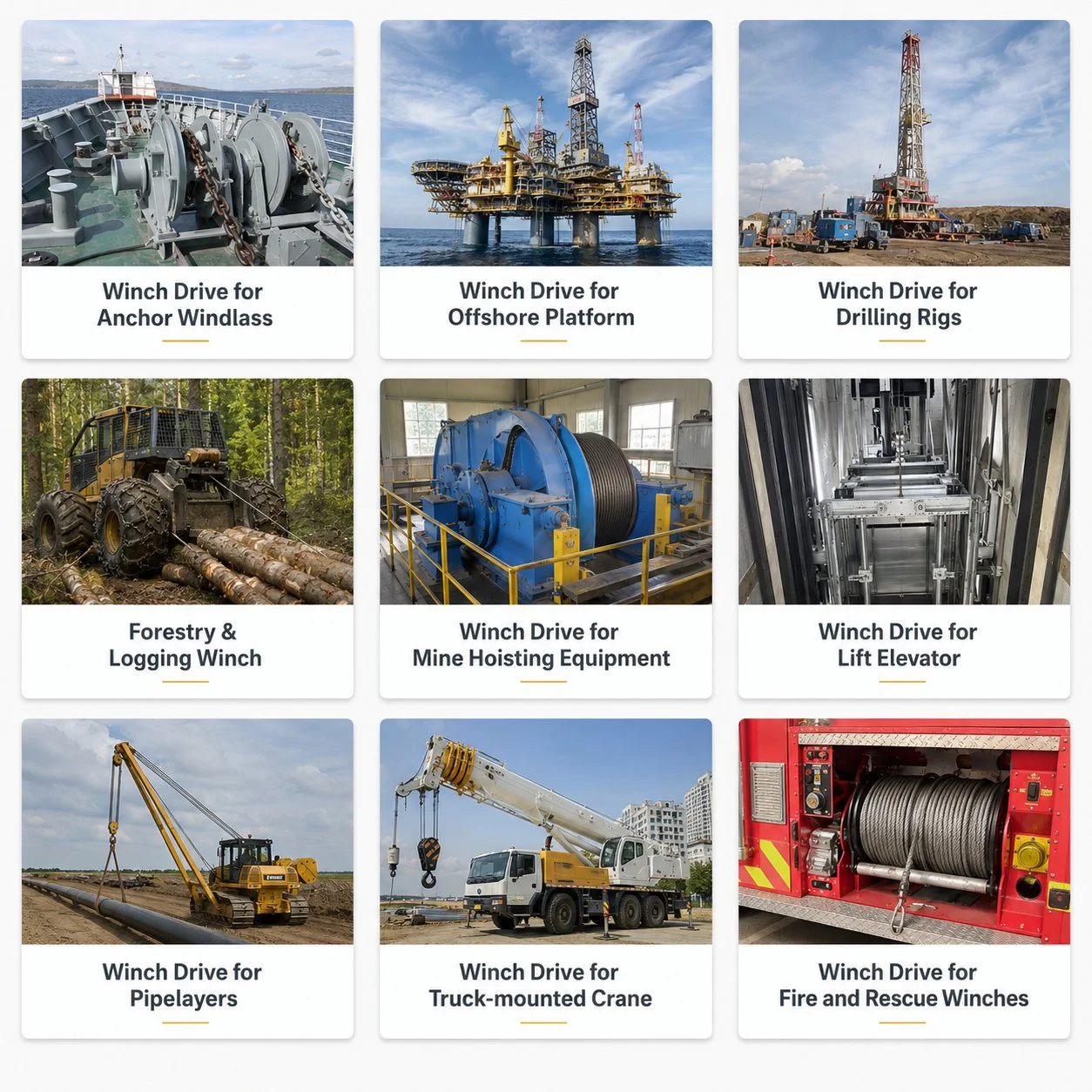
The Largest All-Electric Crane Hoists (120-160 t SWL)
Main hoist drives on the largest all-electric cranes being built today — offshore heavy-lift vessel cranes, shipyard gantry cranes, and heavy-construction tower cranes at 120-160 tonne SWL. The ZL200 at ratio 80-200 with 1,000-1,500 kW motors at 5,000 rpm provides the hoist torque with 368,000 Nm peak capacity — exceeding any transient load a crane at this class will encounter. The slewing drive y wheel drive complete the all-electric mega-class crane platform.
Electric Mining Main Production Winders (700-1,100 m)
Main production winders at moderate-to-deep mines where the sustained drum torque falls within 175,000 Nm. With 20-25 tonne skip loads and shaft depths of 700-1,100 metres, the combined skip, ore, and rope weight typically produces sustained drum torques of 120,000-170,000 Nm — within the ZL200 continuous. The 5,000 rpm input and 130 kW Pt provide the motor flexibility and thermal capacity for production winding at 300-500 cycles per day with 20-35% regen recovery.
Dual-ZL200 Configurations (350,000 Nm)
Two ZL200 units driving one drum through a torque-combining gearbox produce up to 350,000 Nm continuous — matching the 419W3 mega-class ceiling from an all-electric platform. This configuration serves the absolute largest electric winch applications: electric AHTS main winches, electric deep-ocean deployment systems for permanent subsea installations, and electric mining production winders at depths where a single ZL200 is insufficient.
The Complete Korea Ever-Power Winch Drive Ecosystem
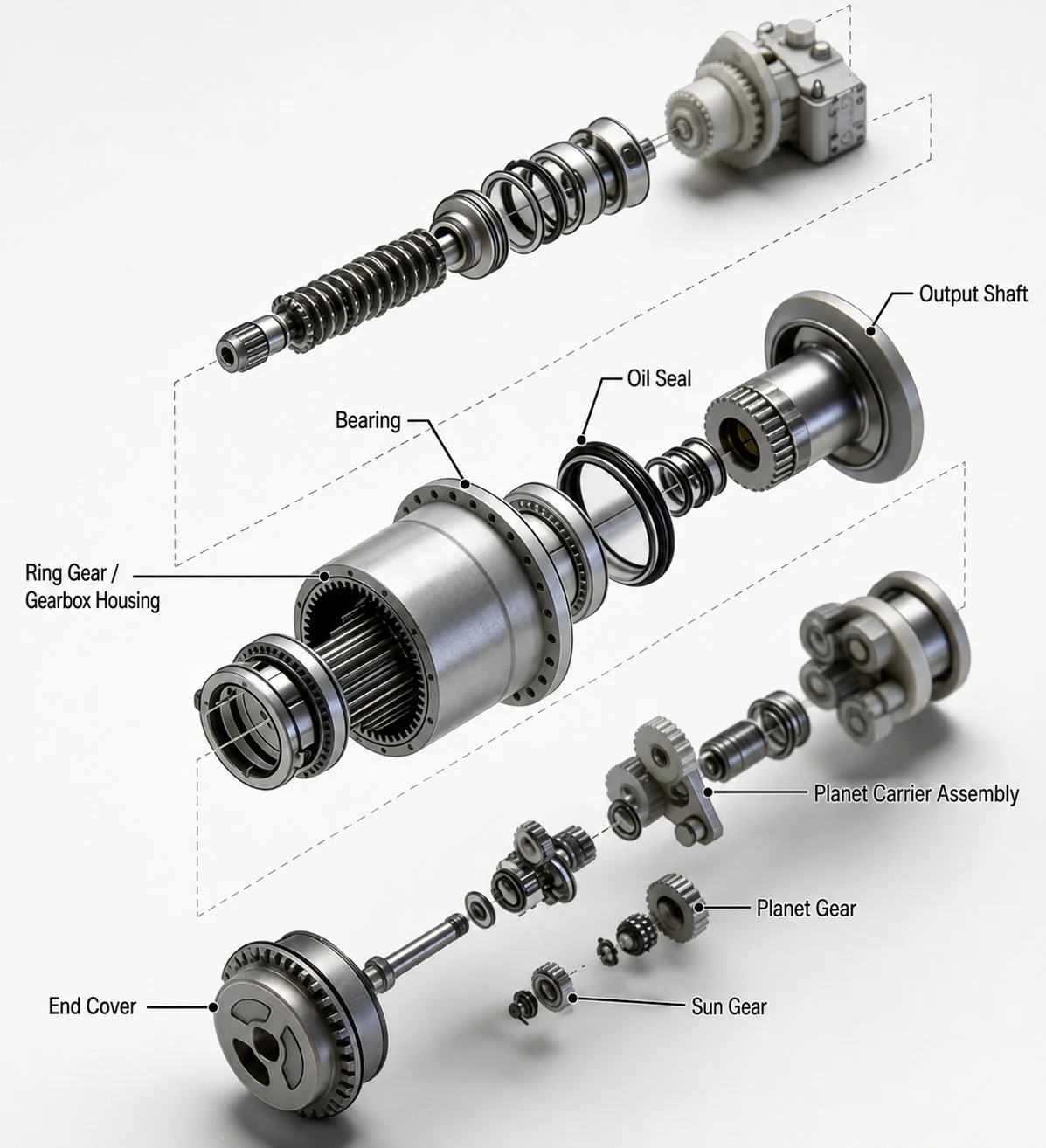
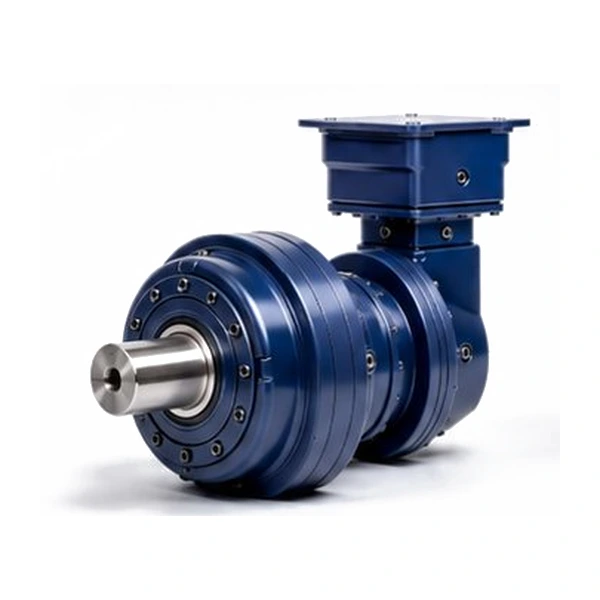

Electric Winch Drive Planetary Gearbox — ZL200 Series Maximum FAQ
Informes de campo
150 t all-electric offshore crane — the largest all-electric crane under contract. ZL200 at ratio 120, 2-stage, 1,400 kW PMSM at 4,800 rpm. The ZL200 replaced a 416W3 + dual hydraulic motor specification that was the baseline when the vessel was first designed. Weight saving: 1,100 kg at the crane head compared to the hydraulic baseline. The 368,000 Nm peak absorbed the classification proof-load test (187.5 t equivalent drum torque) with zero VFD faults. Commissioning time: 3 days (motor alignment + VFD parameterisation + brake test). The hydraulic crane commissioning on our previous vessel: 11 days. This crane has set the benchmark for every heavy-lift vessel crane our company will build for the next decade.
Main production winder at a 950-metre copper-gold mine, ZL200 at ratio 320, 3-stage, 1,100 kW AC motor at 4,200 rpm. The skip carries 24 tonnes; rope weight at full depth is 5,700 kg. Sustained drum torque during loaded hoist: 168,000 Nm — 96% of ZL200 continuous. This is the deepest shaft we could serve with the ZL200 at this skip size — 50 metres deeper and the torque would exceed the continuous rating. The 414W3 was the alternative at 140,000 Nm continuous — which would have been exceeded at this depth. The ZL200 provides the 35,000 Nm of additional continuous capacity that the 414W3 could not, plus regen recovery of USD 510,000 per year. The mine is currently the deepest production shaft operating on a ZL electric winch drive.
Dual-ZL200 configuration on an all-electric AHTS vessel — the first dual-ZL winch drive installation. Two ZL200 units at ratio 200, each driven by a 900 kW AC motor, torque-combined into a single drum at 350,000 Nm continuous capacity. The vessel completed its first ultra-deepwater anchor deployment at 2,000 metres — 260 tonnes of chain handled by the dual-ZL200 with full regen during recovery. Energy saving versus the hydraulic twin-motor 419W3 equivalent: 38% per deployment cycle. The 4-star reflects the integration complexity: the torque-combining gearbox between the two ZL200 units added 350 kg and 200 mm of axial length to the winch assembly — dimensions that were not in the initial vessel stern layout. For future dual-ZL200 projects, publishing a combined unit dimensional envelope (both ZL200s + combiner) as a single assembly drawing would prevent the stern structure redesign we had to perform mid-build.
Información adicional
| Editor | Cxm |
|---|
Productos relacionados
-
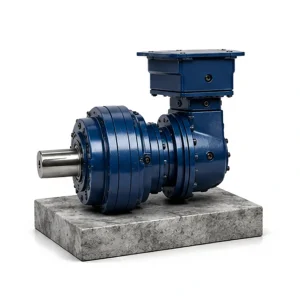
ZR55 Winch Drive Planetary Gearbox — Right-Angle
-
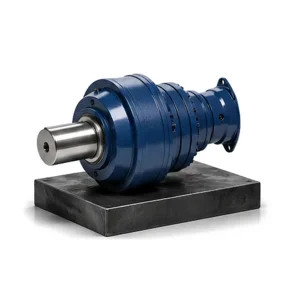
Caja de engranajes planetarios para cabrestante ZL45 — 1-4 etapas
-
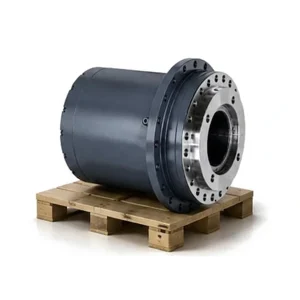
Reductor de engranajes planetarios para accionamiento de cabrestante 419W3
-

Reductor de engranajes planetarios para accionamiento de cabrestante 417W3
-
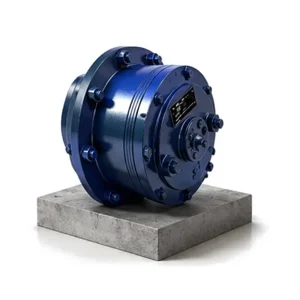
Reductor de engranajes planetarios para accionamiento de cabrestante 407W3
-

Reductor de engranajes planetarios para accionamiento de cabrestante 406BW3
-
Reductor de engranajes planetarios para accionamiento de cabrestante 406AW
-

Reductor de engranajes planetarios para accionamiento de cabrestante de 405 W