Winch Drive Series — Marine & Offshore Equipment
Winch Drive Planetary Gearbox for Anchor Windlass
The anchor windlass is the single most safety-critical powered mechanism on any vessel — controlling the deployment and retrieval of an anchor chain that may weigh 50 tonnes and reach depths of 100 metres. The Caja de engranajes planetarios de accionamiento del cabrestante at its heart must deliver massive torque multiplication in a salt-saturated deck environment, hold the chain under full load with zero creep, and restart under the full static load of a hung anchor without hesitation.
IP68 marine standard
Ratios to 5,000:1
IACS / DNV / ABS ready
Every vessel that anchors — from a 2,000-tonne coastal ferry to a 300,000-tonne VLCC supertanker — depends on a windlass gearbox engineered for the harshest mechanical environment on earth. The open forecastle deck combines continuous salt spray, structural vibration from hull flexing, and temperature cycles from tropical heat to arctic cold. In this environment, a winch drive planetary gearbox must deliver high reduction ratios — typically 200:1 to 2,000:1 — within the compact envelope that anchor windlass designers specify, with a built-in fail-safe holding brake that prevents chain runback under any condition. Korea Ever-Power supplies marine-grade planetary winch drive gearboxes for anchor windlass applications across the full vessel spectrum, with housings, seals, and fasteners engineered for the full 25-year vessel design life without gearbox replacement.
Anchor Windlass Applications: From Coastal Craft to VLCC
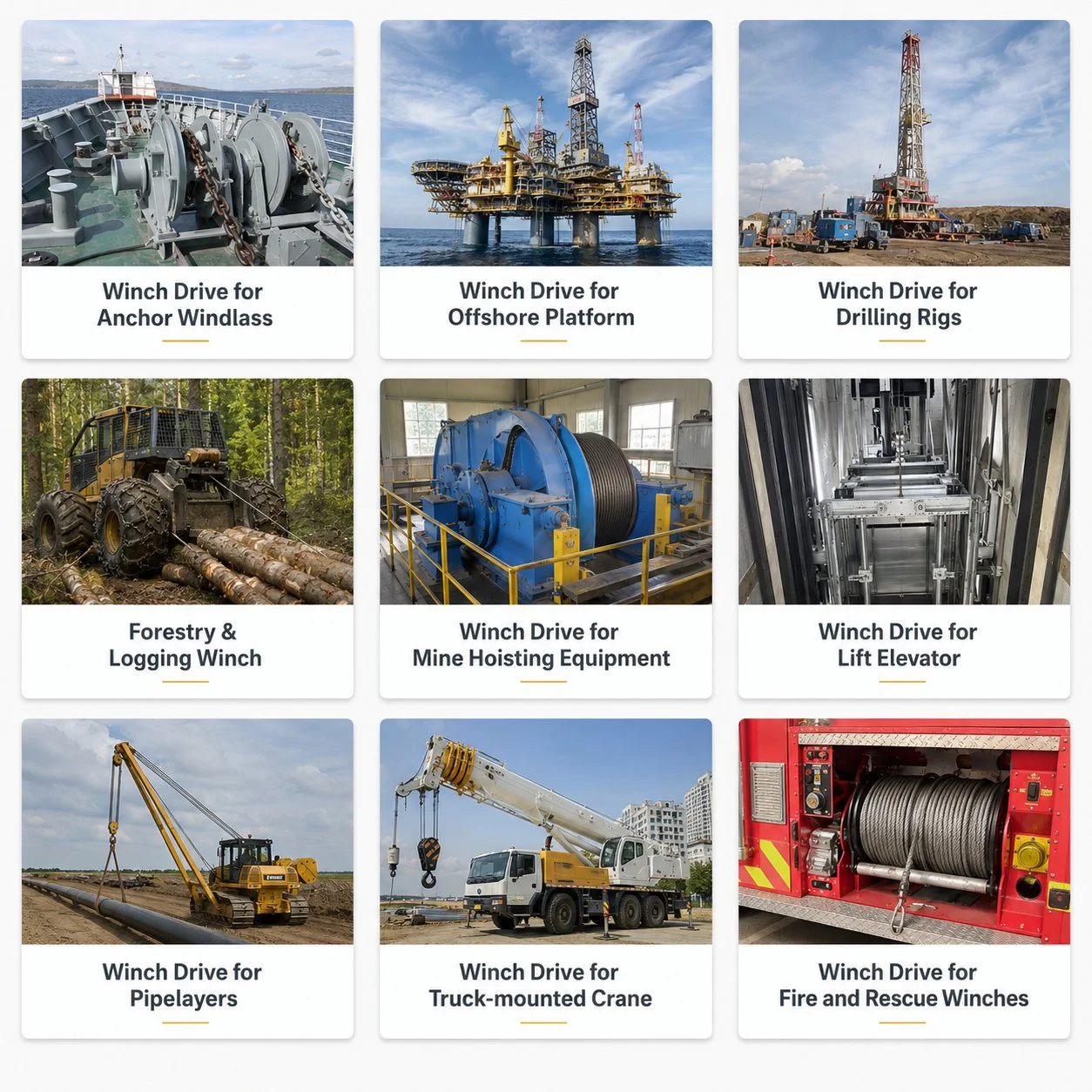
Anchor windlass systems span an enormous range of chain calibres, holding loads, and deployment depths. The winch drive planetary gearbox must be selected against the specific combination of maximum chain pull, chain speed, motor type, and available deck space that each vessel class imposes:
Coastal and Short-Sea Vessels (500–5,000 GT): Ferries, RoRo vessels, coastal bulk carriers, and offshore supply vessels operating in water depths to 80 metres with chain calibres of 28 to 60 mm. Maximum chain pull at the wildcat of 50 to 250 kN. Gearbox output torque requirements of 500 to 5,000 Nm per unit, typically two windlass units per vessel. These vessels anchor frequently — sometimes multiple times per day on ferry services — placing high cycle demands on the gearbox holding brake and input shaft seal.
Medium Ocean-Going Vessels (5,000–50,000 GT): General cargo ships, container feeders, bulk carriers, and product tankers anchoring in depths to 150 metres. Chain calibres of 60 to 95 mm, maximum chain pull of 250 to 800 kN. Output torque 5,000 to 18,000 Nm per windlass unit. Classification society rules (IACS Unified Requirements, DNV, ABS) specify the minimum windlass holding power as a function of chain grade and calibre — the gearbox must hold the specified static chain load with the motor de-energised and the holding brake applied.
Large Deep-Water Capable Vessels (50,000+ GT): VLCCs, large bulk carriers, and anchor handling tug supply vessels operating in depths to 300 metres or more. Chain calibres of 95 to 162 mm, maximum chain pull of 800 to 3,500 kN at the anchor windlass. Output torque 18,000 to 50,000 Nm per unit. At these torque levels, the planetary architecture is the only practical solution — the torque density of a multi-stage planetary unit exceeds any parallel-shaft gearbox of equivalent output rating by a factor of 3 to 5 in gearbox envelope volume.
Why Planetary Architecture Dominates Anchor Windlass Drive Design

Anchor windlass designers consistently specify planetary gearboxes over parallel-shaft worm or helical alternatives for four structural reasons that become more pronounced as the required output torque increases:
⚙ Coaxial Compactness
The coaxial input-output arrangement allows the motor, gearbox, and wildcat drum to align on a single centreline, minimising forecastle deck footprint. A 3-stage planetary unit producing 20,000 Nm output typically occupies 40 to 60% of the deck area of a parallel-shaft helical unit of equivalent rating.
📈 High Single-Train Ratio
A two-stage planetary unit achieves ratios of 50:1 to 400:1; a three-stage unit reaches 500:1 to 5,000:1 — all in one compact housing. This eliminates secondary reduction stages, reducing component count, seal interfaces, and oil leak risk in the marine environment.
🚫 Integrated Holding Brake
The SAHR multi-disc holding brake integrates directly into the planetary housing as a modular cartridge on the input side of the reduction — a compact disc pack holds the full output chain load. This eliminates the external brake drum and band brake arrangement that adds deck height and maintenance complexity to older windlass designs.
⛭ Self-Locking Under Load
At gear ratios above approximately 50:1, a planetary gearbox becomes mechanically irreversible — the output cannot back-drive the input due to friction and inertia of the multiple gear meshes. This self-locking characteristic provides a secondary hold on the anchor chain even if the holding brake fails, preventing runback.
Korea Ever-Power Winch Drive Range — Anchor Windlass Selection Guide
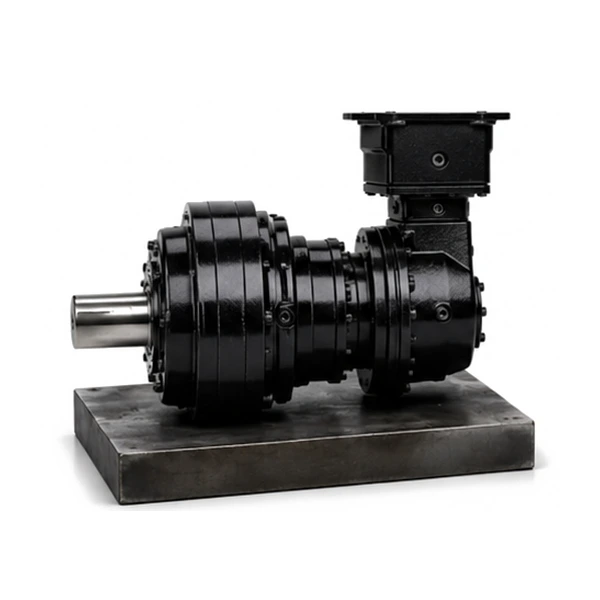
| Modelo | Par de salida | Etapas | Rango de relación | Vessel Class | Input Flange | Seal Grade |
|---|---|---|---|---|---|---|
| ZL55 | 500 – 2,000 Nm | 1–5 | 3.7 – 3,497 | Coastal / small OSV | SAE / IEC | IP67 |
| ZR75 | 1,500 – 6,000 Nm | 2–5 | 5.1 – 4,884 | Short-sea / ferry | SAE / IEC | IP67 |
| 407AW | 3,000 – 10,000 Nm | 2–3 | 50 – 1,200 | General cargo / bulk | SAE B/C / IEC | IP68 FKM |
| 414W3 | 8,000 – 22,000 Nm | 3 | 100 – 2,500 | Ocean-going / tanker | SAE C/D / IEC | IP68 FKM |
| 417W3 | 15,000 – 35,000 Nm | 3 | 100 – 2,500 | Large bulk / AHTS | SAE D / IEC | IP68 FKM |
| 419W3 | 25,000 – 50,000 Nm | 3–4 | 200 – 5,000 | VLCC / large vessel | SAE D / IEC | IP68 FKM |
Marine-Grade Engineering: Beyond Standard Industrial Specifications
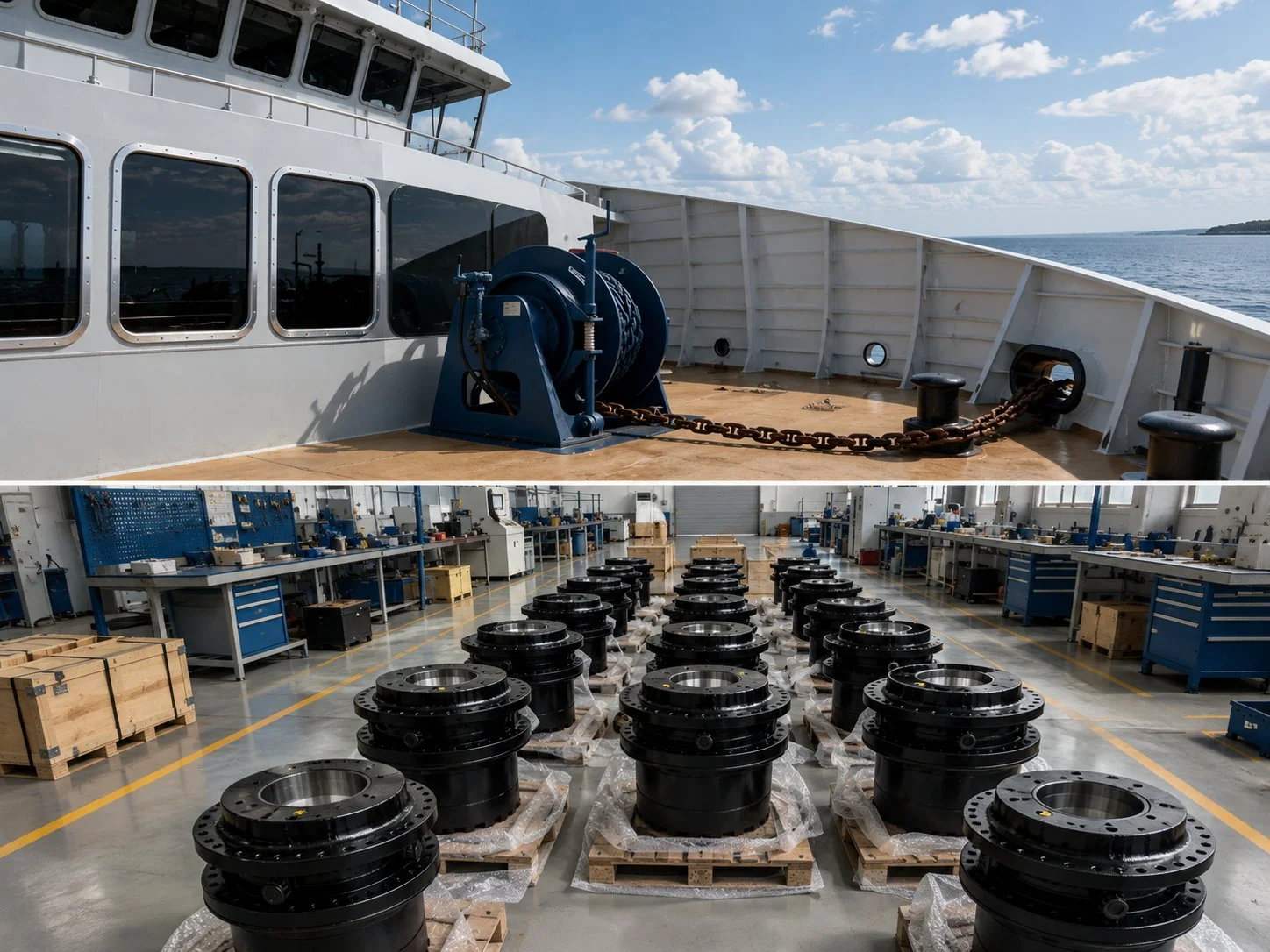
The forecastle deck environment subjects the anchor windlass gearbox to corrosion attack fundamentally different from inland industrial applications. Korea Ever-Power marine-grade winch drive gearboxes incorporate engineering responses to each specific attack mode:
🌊
IP68 Immersion Sealing
Forecastle deck gearboxes experience sustained submersion during heavy weather when breaking seas sweep the deck. Korea Ever-Power marine-duty units are rated IP68 at 1.5 metres sustained depth, using FKM floating face seals on the output shaft and PTFE-lip radial seals on the input shaft, with O-ring face seal housing joints replacing standard gaskets.
⛇
C5-M Corrosion Protection
All external surfaces receive a three-coat system: zinc-rich epoxy primer (60 microns DFT minimum), epoxy barrier mid-coat (80 microns), and polyurethane topcoat (60 microns) — rated to ISO 12944 C5-M (marine, high corrosivity). All external fasteners are A4-316L stainless steel with stainless threaded inserts in tapped housing bores.
🕐
Wide Temperature Range
Units are filled as standard with fully synthetic ISO VG 220 gear oil with pour point below -45°C, maintaining adequate viscosity from cold-start at -40°C through sustained operation at +80°C in tropical conditions. Standard mineral gear oils are not approved for marine winch drive applications in Korea Ever-Power supply.
🔌
Marine Breather System
A sealed, labyrinth-type breather-desiccant assembly rated IP66 is positioned at the highest housing point, plumbed away from the deck wash zone, allowing pressure equalisation while trapping moisture and particulate that would otherwise corrode gear and bearing surfaces internally. The desiccant cartridge is replaceable at annual dry-dock service without gearbox disassembly.
Integrated Holding Brake: Classification Society Compliance and Fail-Safe Design

Motor Integration: Hydraulic, Electric, and Dual-Drive Configurations
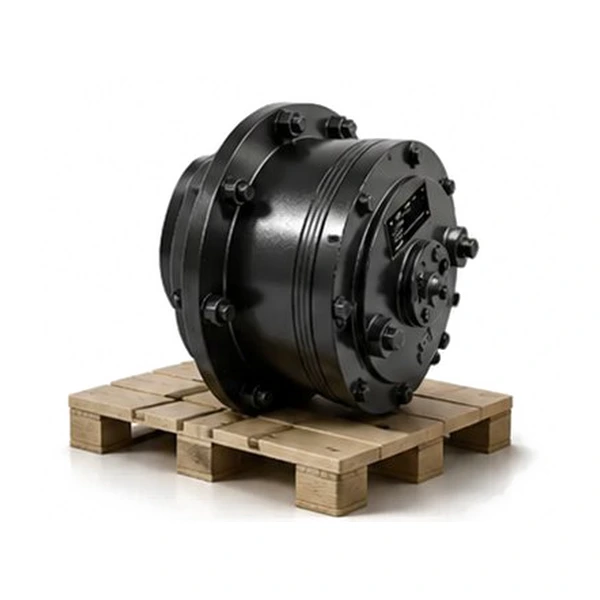
Testing, Certification, and Classification Society Approval
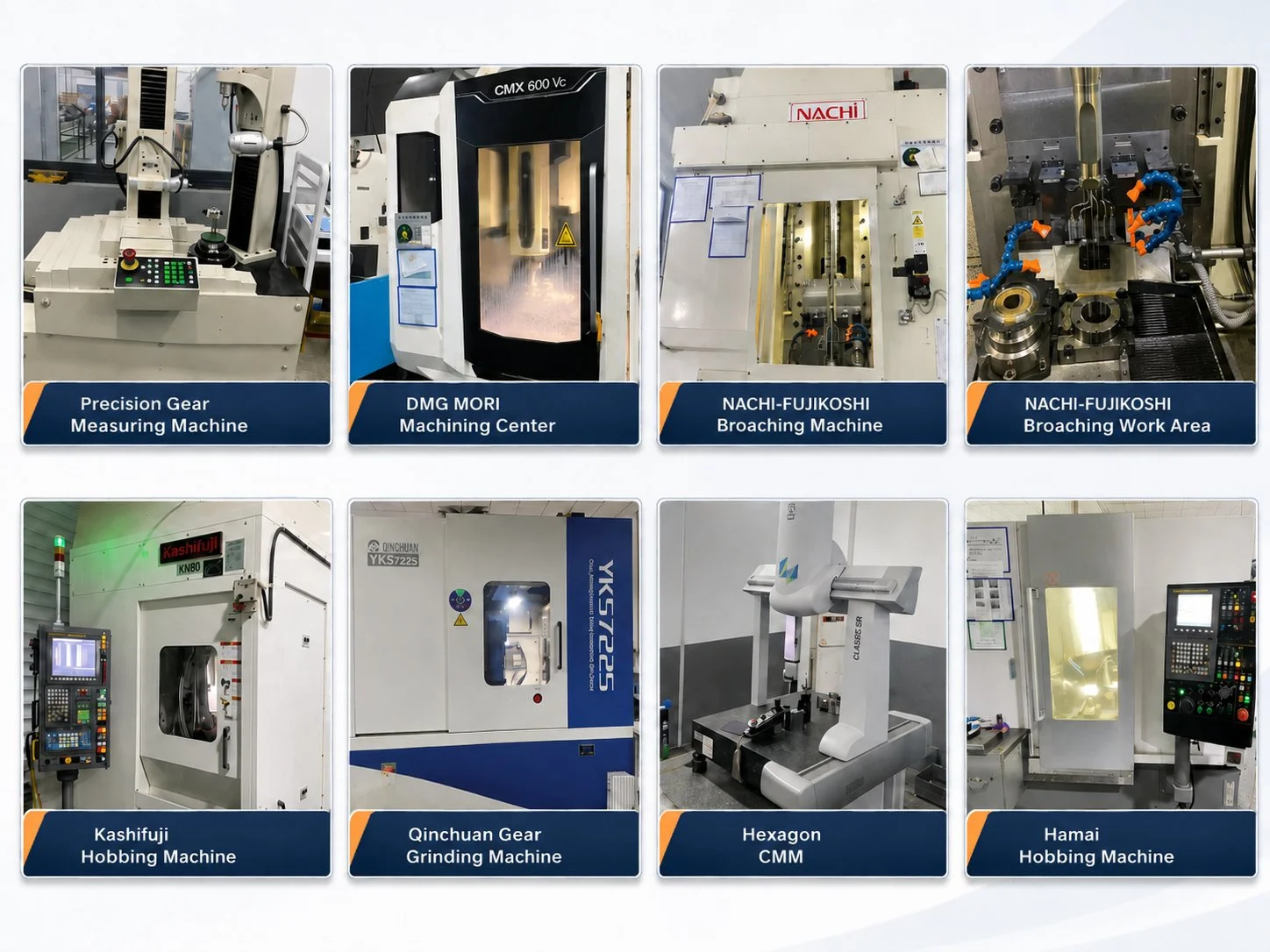
Every Korea Ever-Power winch drive gearbox supplied for anchor windlass applications undergoes a multi-stage testing protocol before shipment. Classification society surveyors may witness any stage upon request, and full test records ship with every unit:
① No-Load Run-In
60-minute no-load rotation at rated input speed in both directions. Oil temperature, noise level, and vibration recorded. Abnormal heat or noise terminates the test for investigation.
② 100% Rated Torque Load Test
30-minute loaded operation at rated output torque. Oil temperature must stabilise within specification limits. Gear mesh noise within specified dB(A) limit at 1 metre. All seal interfaces checked for oil seepage.
③ Brake Holding Test
Static hold at 1.5x rated output torque with brake engaged and motor de-energised. Zero output shaft movement over 10-minute hold period. Brake disc temperature recorded before and after.
④ IP68 Immersion Test
Complete gearbox submerged to 1.5 metres for 60 minutes. Post-immersion inspection for water ingress at all seal interfaces. Conducted on sample basis per production batch for all IP68-rated units.
⑤ Cold-Start Test
For arctic-rated units: gearbox cooled to -35°C and operated at 50% rated torque within 30 seconds of start. Required for vessels trading in IACS Polar Code environmental categories.
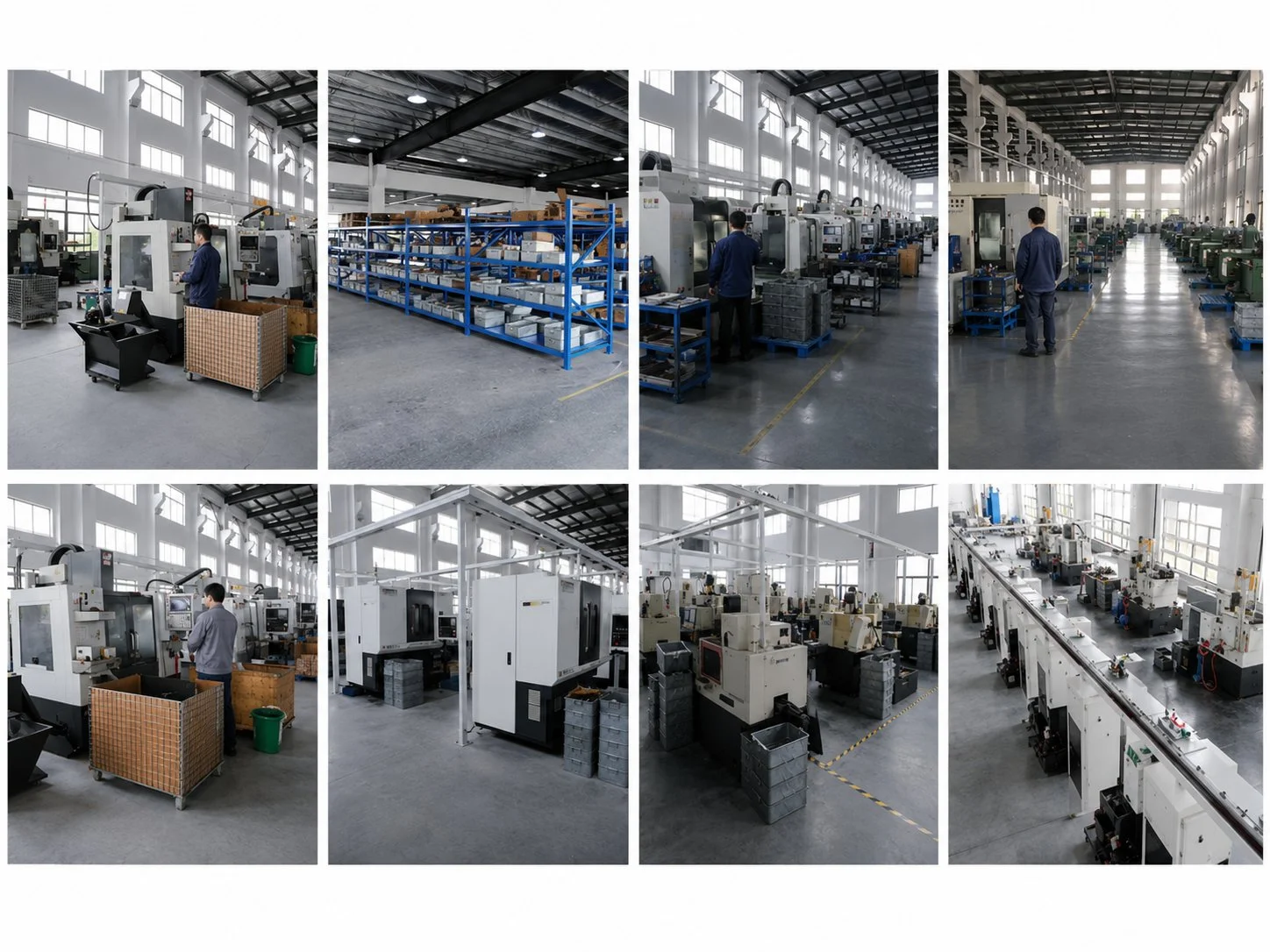
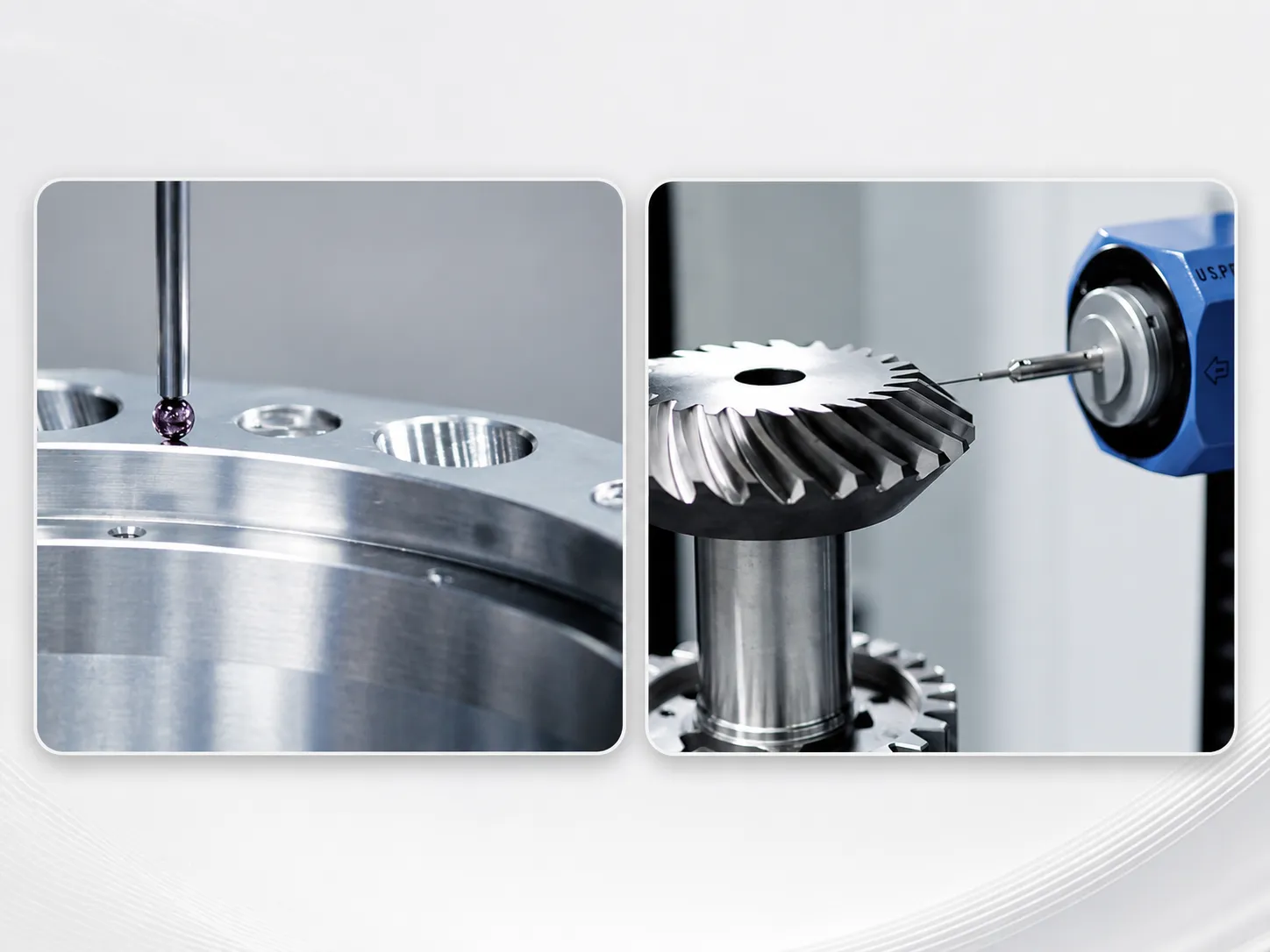
Manufacturing Quality: In-House Gear Cutting, Hardening, and Grinding
Common Anchor Windlass Gearbox Failures and Prevention
| Modo de fallo | Causa principal | Detection | Prevention |
|---|---|---|---|
| Water ingress — gear corrosion | Degraded output shaft seal or inadequate breather allowing moisture entry during thermal cycling | Rust-coloured oil at drain; elevated water content in oil analysis at dry-dock | Annual seal inspection and breather desiccant replacement; oil analysis at each dry-dock interval |
| Brake disc glazing | Repeated partial brake releases under load — chain slipping slightly at each anchoring cycle | Reduced brake holding torque at periodic holding test; glazed disc surface at inspection | Avoid partial releases under load; replace disc pack at each dry-dock regardless of apparent condition |
| Planet bearing pitting | Overload during high-energy anchor retrieval — shock torque exceeds bearing Hertz stress limit | Metallic particles in oil; vibration increase at specific rotation speeds | Fit hydraulic relief valve at correct pressure; annual oil analysis to trend bearing wear metals |
| Sun gear tooth fracture | Chain snatch load — anchor catching on seabed generates momentary torque spike 4 to 5 times rated | Sudden loss of drive; large metallic fragments at drain plug magnetic core | Fit torque-limiting coupling between motor and gearbox; limit chain speed near seabed during retrieval |
| Fastener corrosion seizure | Zinc-plated steel fasteners corroding in marine environment — impossible to remove without damage | Rust weeping from fastener heads; fasteners impossible to loosen at service interval | Specify A4-316L stainless fasteners and stainless threaded inserts — never use zinc-plated hardware on forecastle deck equipment |
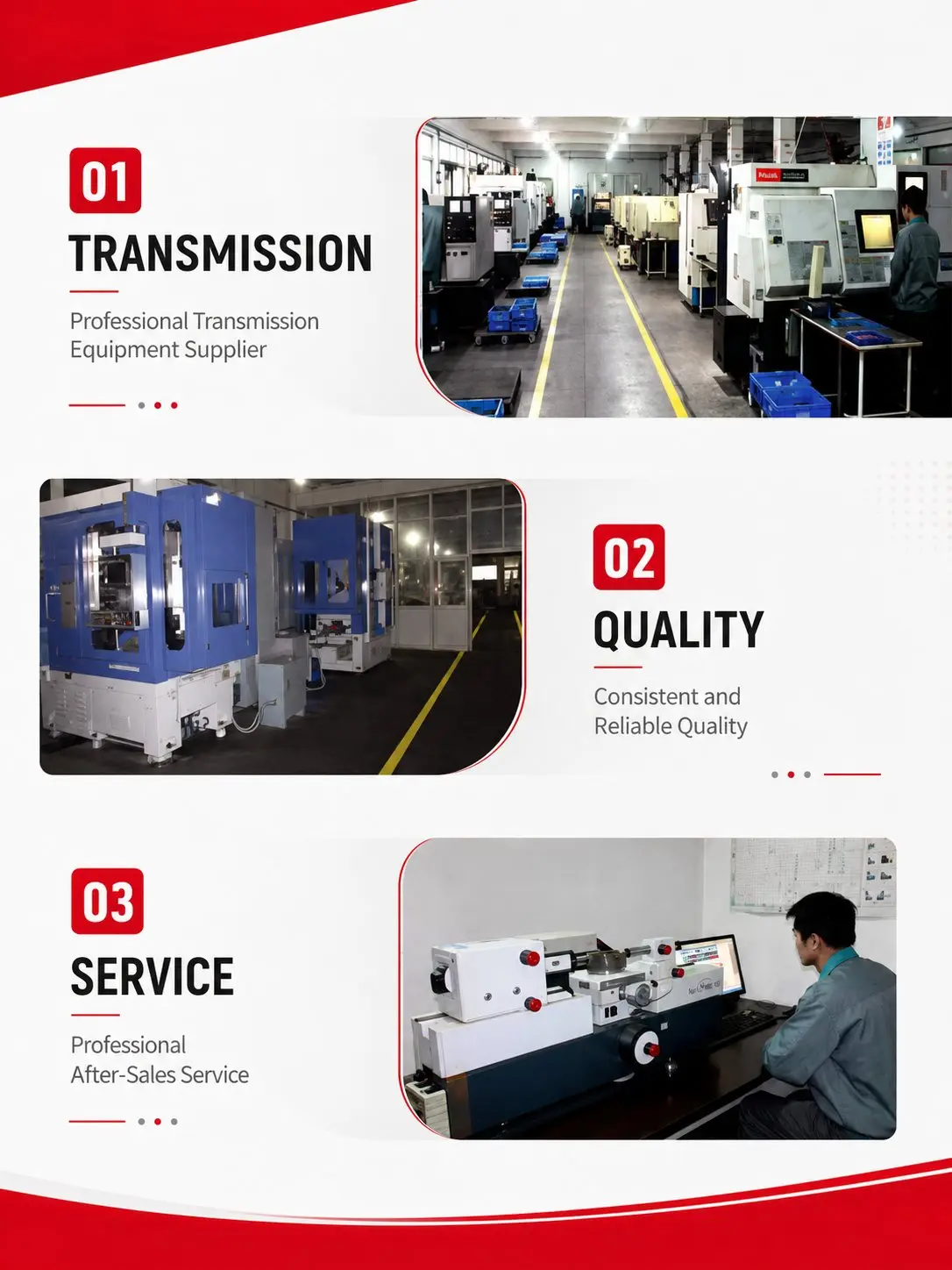
Why Windlass Manufacturers and Vessel Operators Choose Korea Ever-Power
Source Your Anchor Windlass Winch Drive Gearbox
Whether you are designing a new anchor windlass for a vessel under construction, sourcing a replacement gearbox for a vessel in service, or upgrading an existing windlass to meet current classification society holding requirements — Korea Ever-Power delivers marine-grade, classification-ready winch drive planetary gearboxes from stock and to custom specification. Send us your chain calibre, maximum chain pull, motor type, and wildcat drum diameter for a free application review, holding brake sizing, and dimensional drawing within 48 hours.
Edit by Cxm