Winch Drive Series — Marine & Offshore Equipment
Winch Drive Planetary Gearbox for Offshore Construction Vessel
Offshore construction vessels perform some of the most demanding subsea lifting, pipelaying, and structure installation operations in the world — lowering 1,000-tonne structures to 3,000-metre depths, tensioning pipe strings under dynamic sea conditions, and executing abandonment and recovery operations where losing control of the wire means losing millions of dollars of subsea infrastructure. The winch drive planetary gearbox at the heart of every OCV winch drum must deliver absolute load control from near-zero to maximum line pull without backlash, slip, or gear noise that interferes with the structural acoustic monitoring systems these vessels carry.
IP68 offshore-grade sealing
Depth-rated to 3,000 m wire capacity
DP vessel load control compatible
Offshore construction vessels — including heavy-lift crane vessels, pipelaying vessels (S-lay and J-lay), flexible lay vessels, and cable lay vessels — represent the highest-specification segment of the marine winch drive market. The winch drive planetary gearbox on an OCV must do more than simply transmit torque from motor to drum — it must do so with the smoothness, repeatability, and zero-backlash precision that controlled subsea lowering operations demand, in a dynamic sea environment where the vessel is pitching, rolling, and heaving simultaneously, and where the integrated load monitoring and motion compensation systems on the vessel are reading wire tension hundreds of times per second and making real-time adjustments to the winch drive speed. Korea Ever-Power supplies planetary winch drive gearboxes for the full range of OCV winch applications, from crane auxiliary winches through main A&R winches rated for 500-tonne loads at 3,000-metre wire depths.
OCV Winch Types and Their Drive Requirements
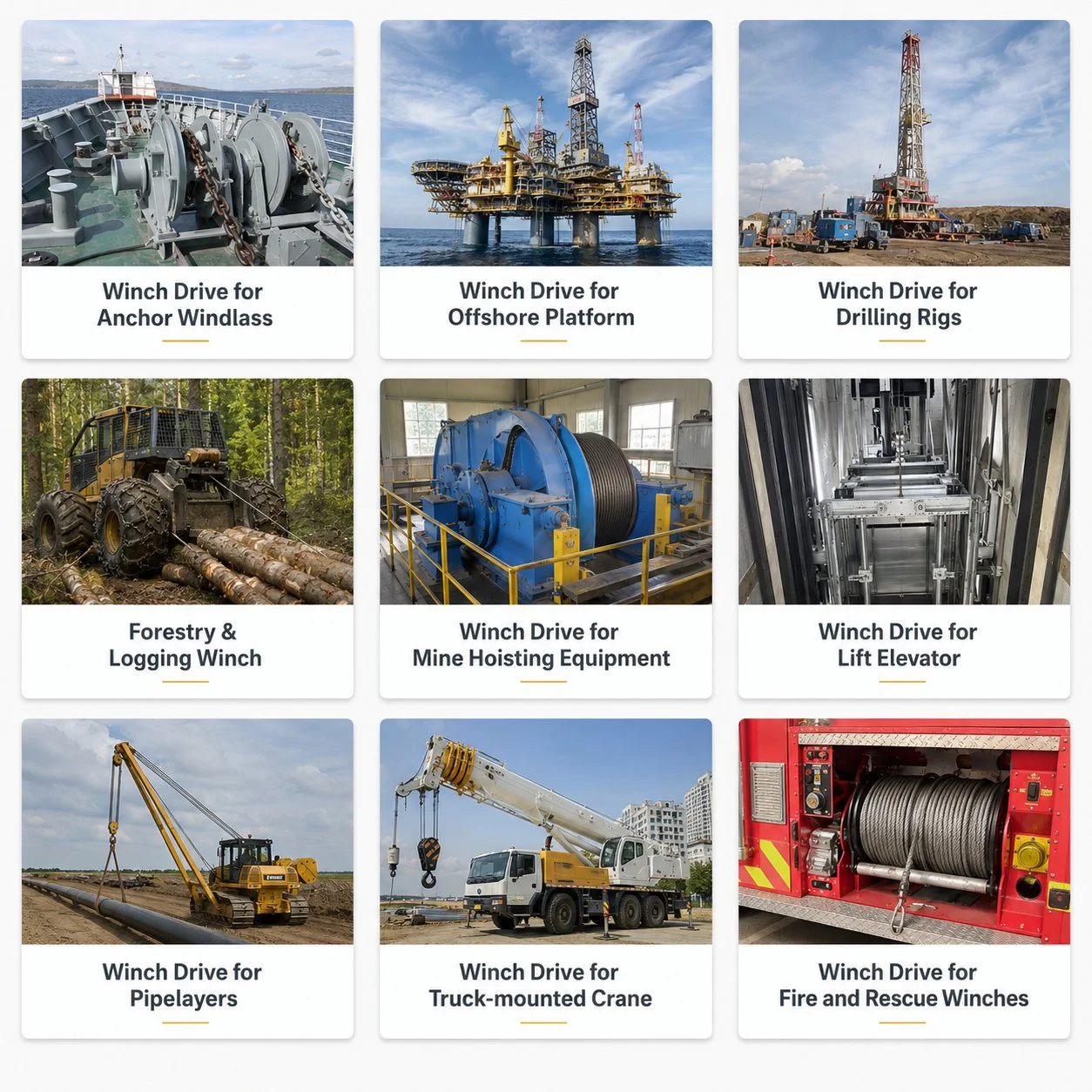
Crane Main Hoist Winch (5,000–50,000 Nm): The main hoist winch on an offshore crane vessel controls the primary lift wire — a steel wire rope or fibre rope carrying the full rated hook load of the crane, which may be 3,000 to 10,000 tonnes on the largest crane vessels. At 3,000-tonne hook load and a wire reeving factor of 12, the individual wire tension is 250 tonnes, and the winch drum torque at the minimum working layer of wire may exceed 40,000 Nm. The gearbox at this duty level uses a multi-stage planetary unit with the output shaft directly coupled to the winch drum shaft — there are no intermediate shafts, flexible couplings, or secondary reductions between the gearbox output and the drum, because any mechanical compliance in this path introduces uncontrolled load variation during precision lowering operations.
Abandonment and Recovery Winch — A&R (10,000–50,000 Nm): The A&R winch is the most critical winch on any pipelaying vessel or flexible lay vessel — it controls the wire that holds the pipe string or flexible riser during lay operations, and must be capable of lowering a full pipe string to the seabed under controlled tension, or recovering it from the seabed if lay operations must be abandoned due to weather. A&R winches operate at very low speeds — 0.1 to 5 m/min — under very high and precisely controlled tensions. The gearbox ratio must be high enough to provide adequate drum torque from the available motor at these low speeds, while the gear mesh must be smooth enough that the tension variations generated by gear tooth-to-tooth pitch errors do not appear as noise in the tension monitoring system. Korea Ever-Power A&R winch gearboxes are ground to DIN 5 gear accuracy to meet this low-noise-in-tension requirement.
Subsea Structure Lowering Winch (8,000–40,000 Nm): Structures lowered to the seabed — pipeline end manifolds (PLEMs), pipeline end terminations (PLETs), subsea trees, and template structures — are lowered at speeds of 0.5 to 10 m/min depending on the hydrodynamic behaviour of the structure in the water column. The winch drive must maintain constant wire speed regardless of the vessel heave motion generated by wave action, which requires the gearbox to respond rapidly to speed correction commands from the vessel motion compensation system. Zero backlash in the planetary gear stages is essential — any backlash at the gearbox output translates to an uncontrolled wire speed variation when the motion compensation system reverses the winch drive direction, potentially causing a jerk load in the wire that stresses both the subsea structure rigging and the wire itself.
Four Technical Demands That Define OCV Winch Gearbox Specification

🎯 Zero-Backlash Precision
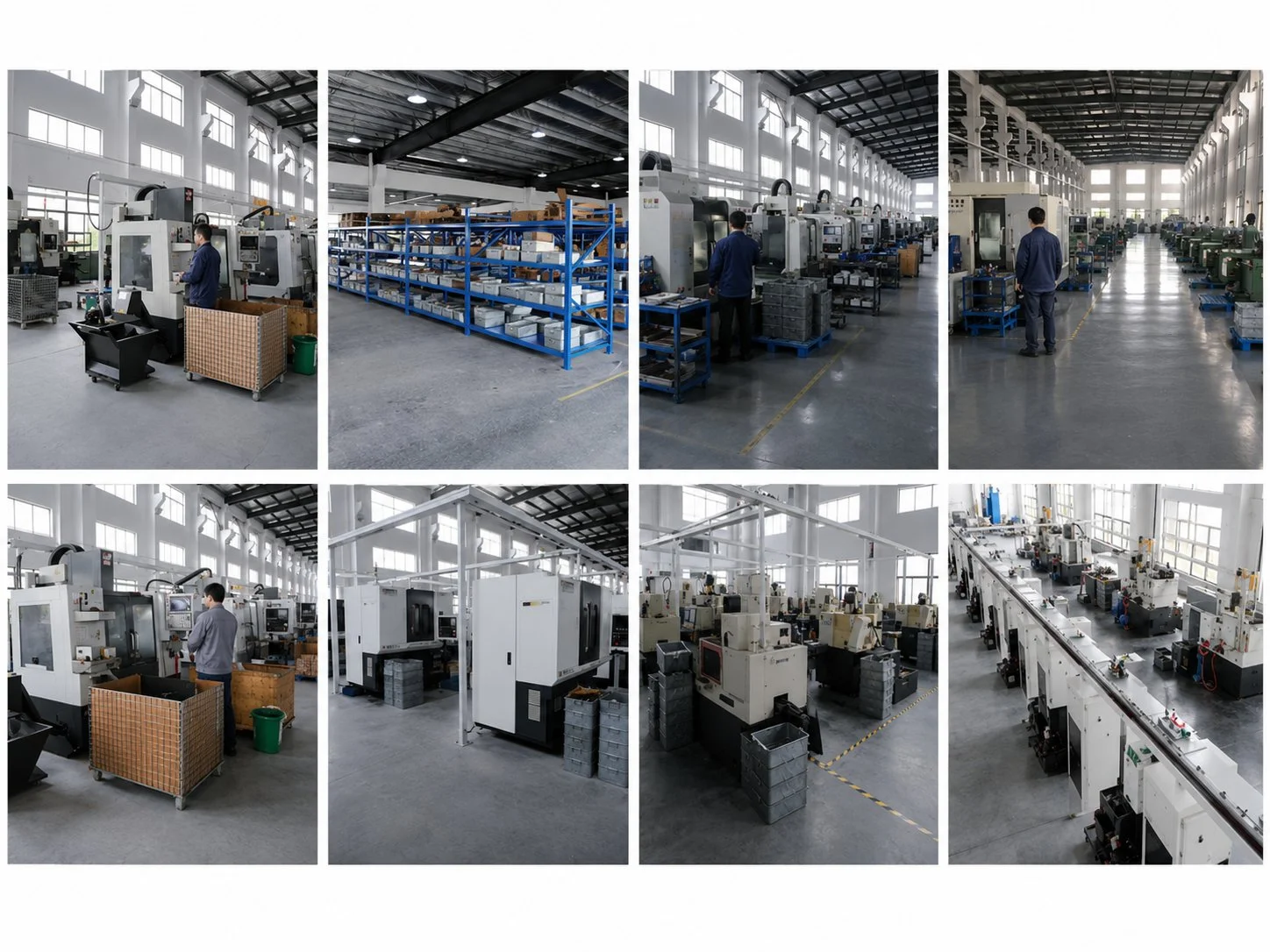
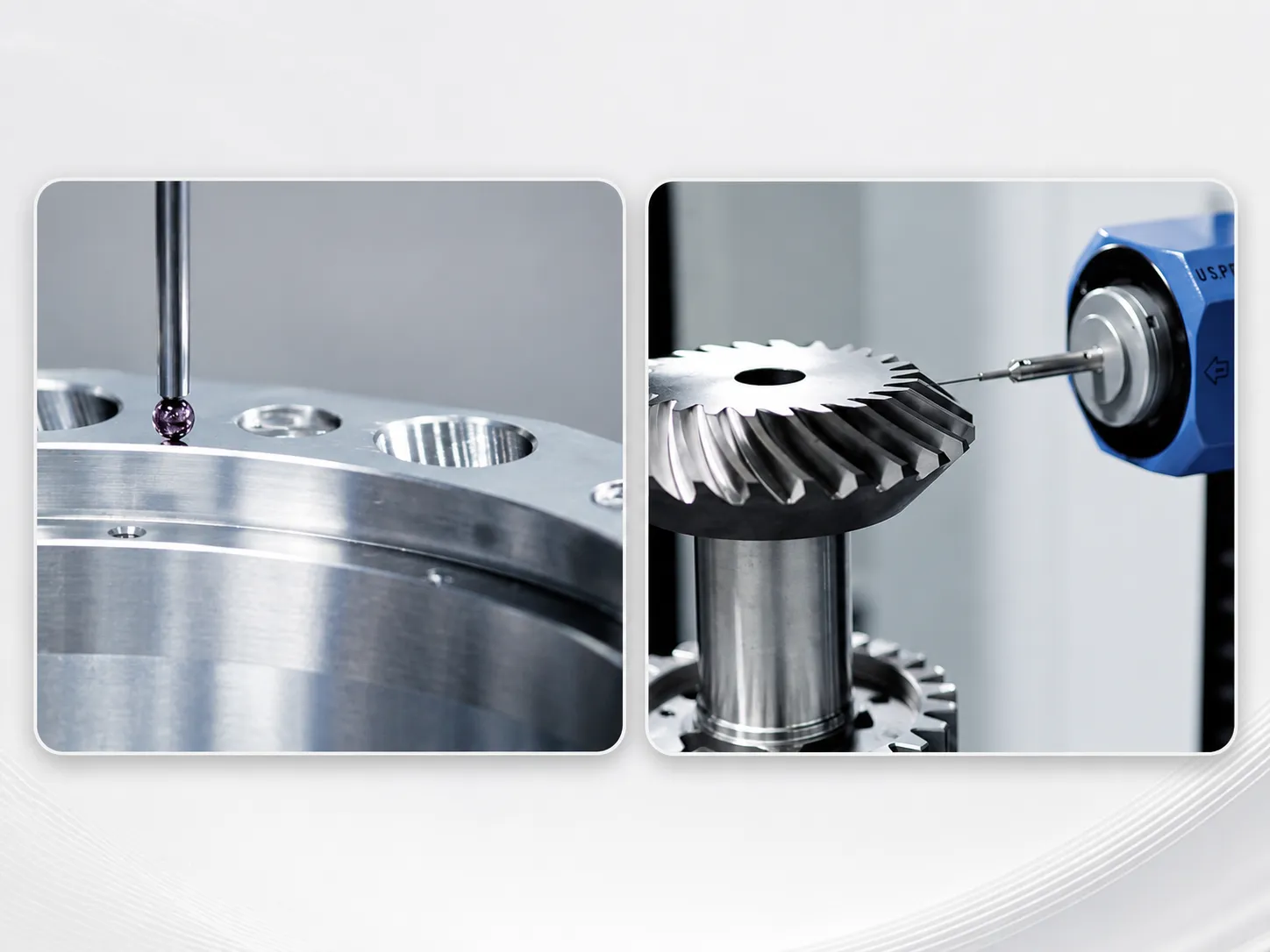
Motion compensation systems on DP vessels reverse winch direction up to 20 times per minute during active heave compensation. Any backlash at the gearbox output creates a dead band in the motion compensation response — the winch drive reverses but the drum does not move until the backlash is taken up, causing uncontrolled wire tension spikes. Korea Ever-Power OCV winch gearboxes are manufactured to sub-8 arcminute backlash through precision gear grinding and matched planet assembly, eliminating this dead band entirely.
🔠 Low Gear Mesh Noise
Wire tension measurement systems on OCV winches use load cells that measure force in the wire with a resolution of 0.1% of full-scale load. Tooth-to-tooth pitch errors in the planetary gear stages generate a tension ripple at the gear mesh frequency — typically 5 to 25 Hz depending on gear ratio and drum speed. Korea Ever-Power OCV winch gearboxes are ground to DIN 5 pitch accuracy, reducing the gear mesh force ripple to below 0.05% of rated torque — below the resolution threshold of the tension monitoring system.
⚡ Dynamic Load Response
During active heave compensation, the winch motor torque reverses from full haul to full pay-out within 100 to 200 milliseconds. The gearbox must transmit this torque reversal without shock loading from backlash or from torsional resonance in the drivetrain. Korea Ever-Power OCV gearboxes use helical planet gears with a minimum 15-degree helix angle, providing a gradual tooth engagement that smooths the torque reversal and eliminates the impulsive tooth mesh force that spur gears generate at high-speed torque reversal.
🌊 Sustained Offshore Environment
OCV crane and A&R winch gearboxes are located on the main deck or on elevated crane pedestals — positions that receive continuous salt spray, breaking wave wash, and high-pressure deck cleaning with detergent solutions. A winch gearbox on an OCV may operate 300 days per year in these conditions for 25 years, accumulating 36,000 to 60,000 hours of deck exposure without dry-dock opportunity for gearbox removal and inspection.
Korea Ever-Power OCV Winch Drive Selection Guide
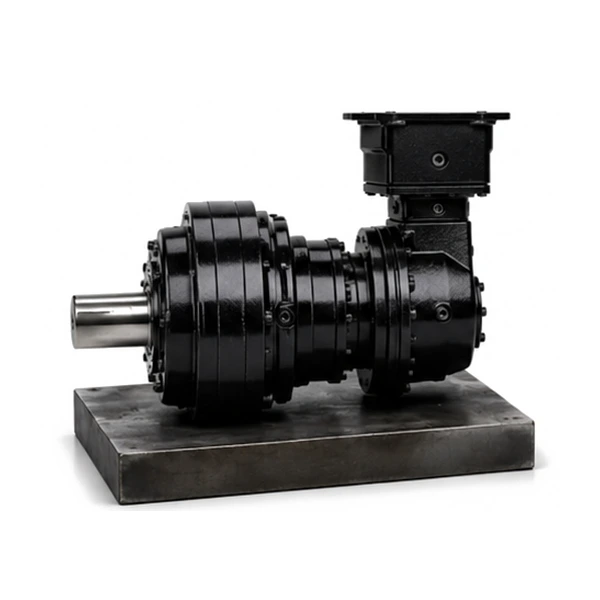
| Modèle | Couple de sortie | Étapes | Plage de ratios | OCV Application | Gear Accuracy | Contrecoup |
|---|---|---|---|---|---|---|
| ZR75 | 1,500 – 6,000 Nm | 2–5 | 5.1 – 4,884 | Auxiliary crane, deck positioning | DIN 6 | < 10 arcmin |
| 407AW | 3,000 – 10,000 Nm | 2–3 | 50 – 1,200 | Crane auxiliary hoist, tugger | DIN 5 | < 8 arcmin |
| 414W3 | 8,000 – 22,000 Nm | 3 | 100 – 2,500 | Subsea lowering, A&R medium | DIN 5 | < 8 arcmin |
| 417W3 | 15,000 – 35,000 Nm | 3 | 100 – 2,500 | Main A&R, crane main hoist | DIN 5 | < 8 arcmin |
| 419W3 | 25,000 – 50,000 Nm | 3–4 | 200 – 5,000 | Heavy lift main hoist, deep A&R | DIN 5 | < 8 arcmin |
Pipelaying Vessel Winch Drives: Tensioner and Stinger Control Requirements

Active Heave Compensation: Gearbox Requirements for Real-Time Motion Correction
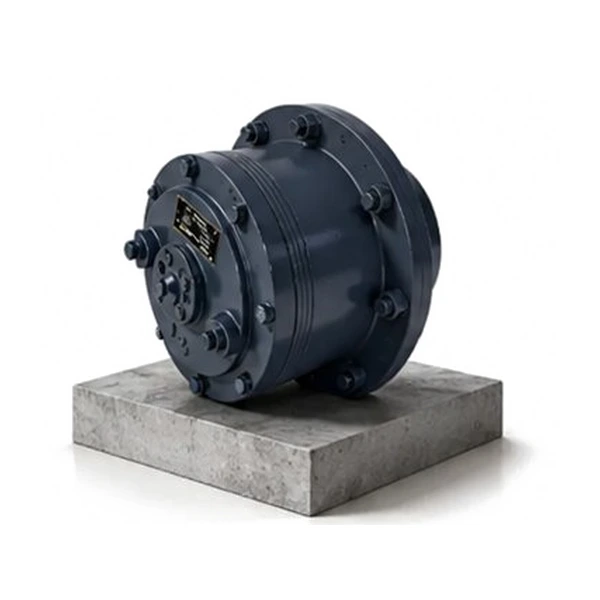
Motor and Control System Interface for OCV Winch Drives
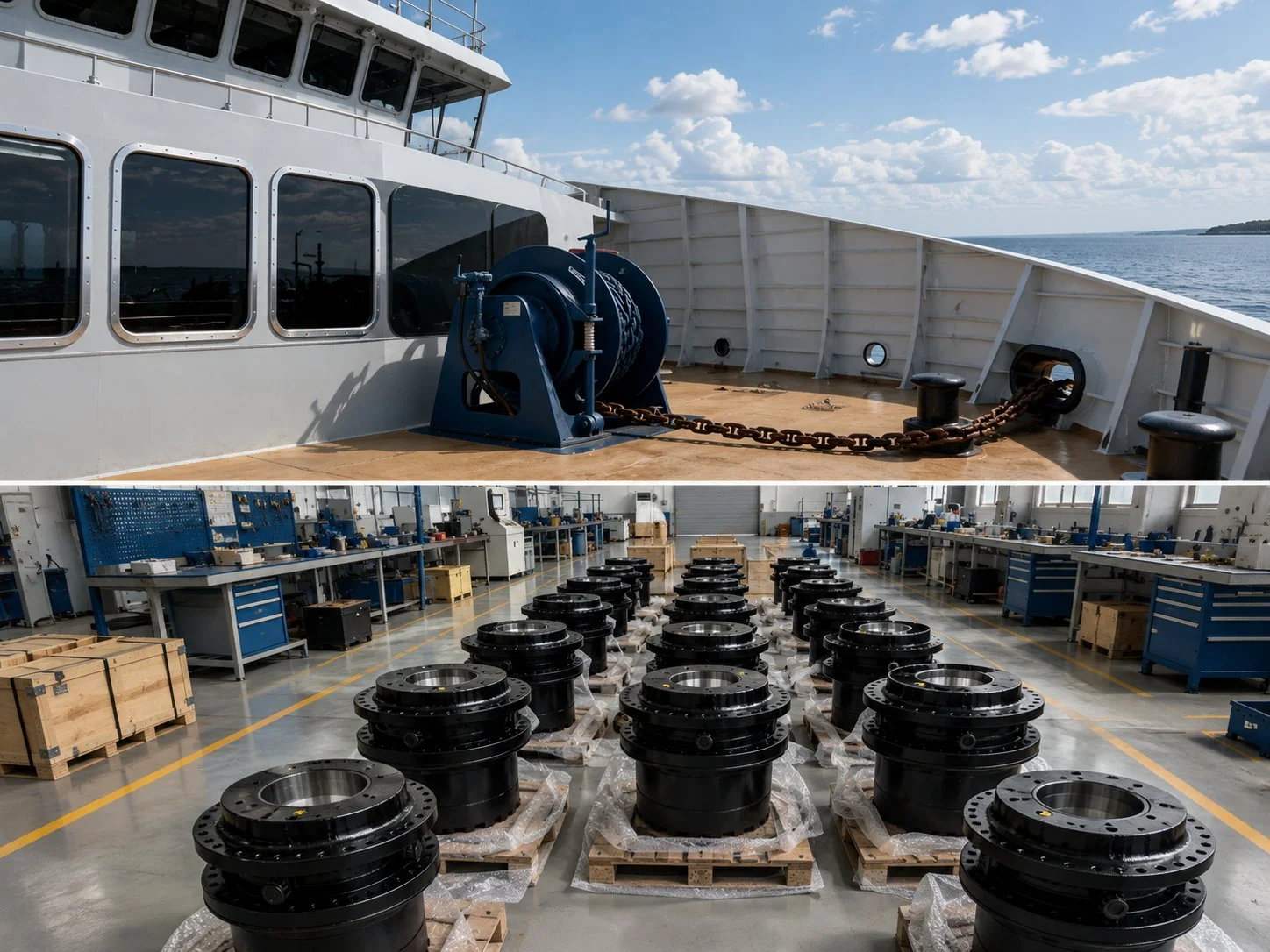
Electric Direct Drive (Preferred for AHC): The majority of modern OCV main hoist and A&R winches use electric direct drive — a high-torque, low-speed permanent magnet or induction motor connected to the winch drum via a single-stage or two-stage planetary gearbox. Electric direct drive eliminates the response lag of hydraulic systems and provides the torque bandwidth needed for AHC control loops operating at 0.5 Hz and above. Korea Ever-Power OCV gearboxes for electric direct drive are available with custom-flanged motor interfaces for the major OCV crane and winch motor manufacturers, including hollow output shaft configurations that allow the winch drum shaft to pass through the gearbox centre — enabling a more compact drum and gearbox arrangement for crane pedestal installations where head room is constrained.
Hydraulic Drive (Standard for Older Vessels and High-Pull Applications): Hydraulic winch drives remain common on older OCVs and on very-high-pull applications where the hydraulic circuit can provide the power density that electrical systems cannot yet match economically. Variable-displacement axial piston motors with electrohydraulic servo control provide response times of 50 to 100 milliseconds — adequate for AHC applications in moderate sea states. Korea Ever-Power gearboxes for hydraulic motor input use SAE C, D, and E flange standards covering motors from 250 cc/rev to 1,200 cc/rev displacement, with dual case drain ports positioned to allow installation on either the port or starboard crane without case drain orientation problems.
Encoder and Resolver Provisions: OCV winch control systems require absolute position and speed feedback from the winch drum — both for AHC load displacement calculation and for wire length monitoring during deep subsea lowering operations. Korea Ever-Power OCV gearboxes include a dedicated encoder mounting adapter on the output shaft, sized for the encoder models specified by the major OCV winch control system suppliers. The adapter positions the encoder concentrically with the output shaft and provides a sealing cap that maintains the IP68 rating of the gearbox assembly even with the encoder fitted.
Factory Acceptance Testing for OCV Winch Drive Gearboxes
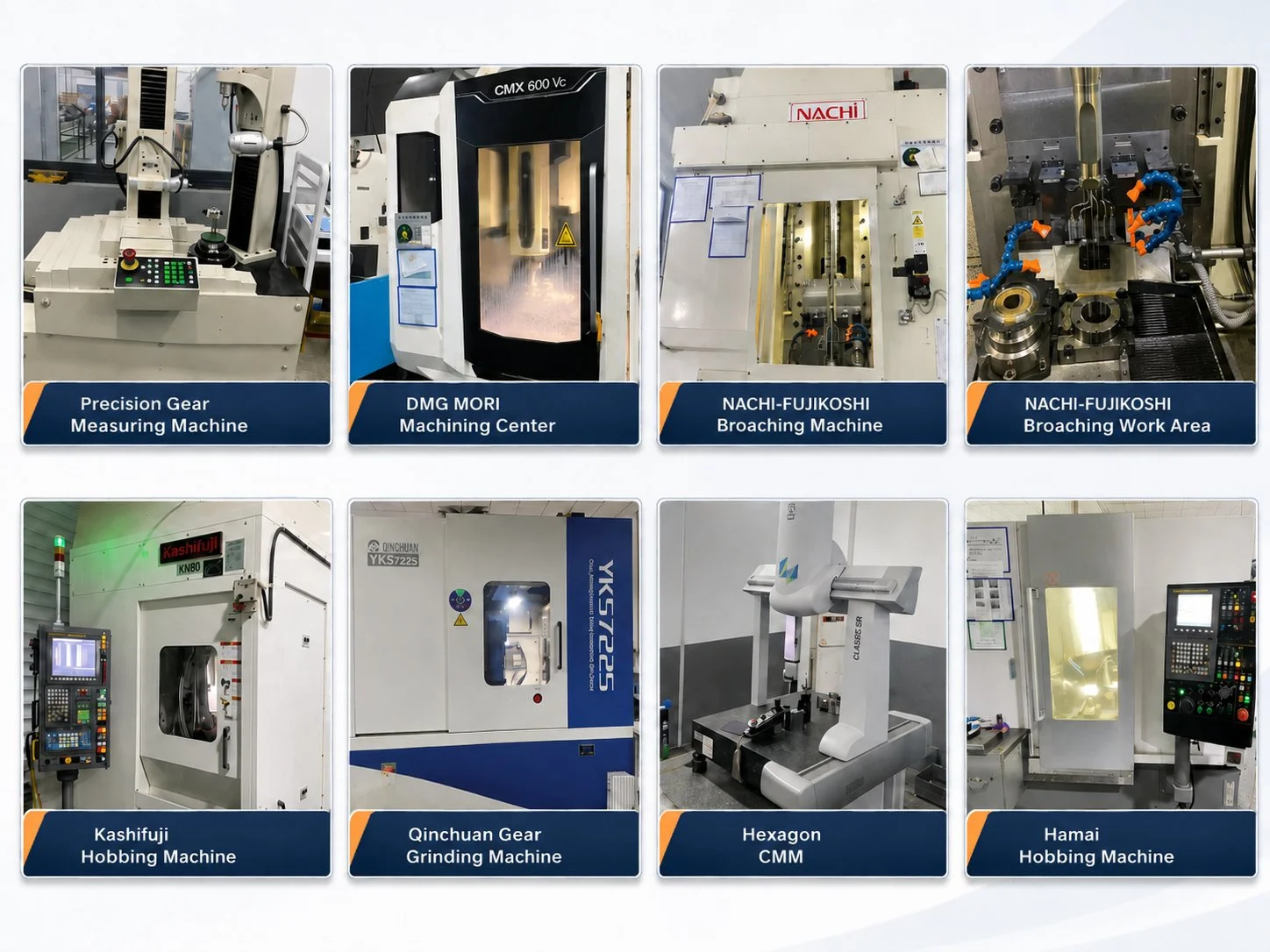
OCV winch drive gearboxes undergo a more comprehensive factory acceptance test (FAT) than standard marine winch drives, reflecting the critical nature of the applications they serve. The FAT protocol is agreed with the customer before manufacture commences and is witnessed by the appointed classification society surveyor:
① Backlash Measurement
Output shaft held fixed; input shaft oscillated through the measured backlash angle using a precision rotary encoder. Result recorded in arcminutes and compared to the specified maximum. Must be below 8 arcminutes for all OCV-grade units.
② Torque Ripple Measurement
Gearbox run at constant input speed with output shaft connected to a precision torque transducer. Output torque variation recorded at all gear mesh frequencies. Peak-to-peak ripple must be below 0.05% of rated torque for A&R and AHC applications.
③ Full-Load Test
60 minutes at 100% rated output torque. Oil temperature stabilisation recorded. Thermal equilibrium must be reached within the maximum oil temperature specified. All seals inspected for leakage after test.
④ AHC Reversal Endurance
For AHC-rated units: 10,000 direction reversal cycles at 75% rated torque simulating heave compensation duty. Backlash remeasured after test — must remain within specification. Bearing and gear surfaces inspected on a representative sample basis.
⑤ IP68 Pressure Test
Housing pressurised to 0.15 bar; submerged in water bath for 60 minutes. Zero bubble formation at any seal or housing joint required. Conducted on every OCV-grade unit — not on a sample basis.
Manufacturing Precision: DIN 5 Gears and Matched Planet Assembly
Common OCV Winch Gearbox Failures and Prevention
| Mode de défaillance | Cause première | Detection | Prevention |
|---|---|---|---|
| Backlash increase over time | Tooth flank wear from AHC reversal cycles accumulating at the tooth engagement and dis-engagement point | AHC tension spike at each reversal gradually increases; backlash measurement at annual dry-dock exceeds 8 arcminute limit | Annual backlash measurement and trend; specify 20CrNiMo steel for superior wear resistance in reversal duty |
| Planet bearing overheating in AHC | Insufficient oil flow to planet bearings during sustained high-frequency AHC cycling — thermal runaway above 100°C oil temperature | Oil temperature alarm from gearbox sensor; bearing noise increase at high AHC cycle rates | Fit oil-to-water heat exchanger; monitor oil temperature continuously during AHC operations; limit AHC duty cycle if oil temperature exceeds 85°C |
| Torque ripple increase | Planet bearing wear causing planet radial displacement — unequal load sharing between planets increasing cyclic torque variation | Tension monitoring system shows increasing ripple amplitude at gear mesh frequency; vibration signature change in periodic monitoring | Annual vibration signature baseline; replace planet bearing set as a matched batch at first sign of ripple increase |
| Encoder mounting corrosion | Salt water ingress at encoder cable gland — corroding encoder body and causing intermittent position signal loss | AHC control system position error alarm; intermittent wire position readout loss | Use IP67-rated encoder with stainless body; inspect cable gland and re-seal at each annual service interval |
| Oil contamination — seawater | Output shaft seal failure during sustained deck immersion — wave swept over crane deck base during heavy weather operations | Water in oil at monthly check; milky oil appearance; rapid bearing corrosion if undetected | Specify IP68 FKM floating face seal on output shaft; monthly oil sample analysis; limit deck operations in sea states exceeding Hs 4 m without checking gearbox oil condition |
Why OCV Designers and Operators Choose Korea Ever-Power
Source Your OCV Winch Drive Planetary Gearbox
Whether you are designing a new offshore construction vessel, specifying replacement winch drives for an operating OCV fleet, or upgrading existing winches for active heave compensation capability — Korea Ever-Power delivers DIN 5 precision, sub-8 arcminute backlash planetary winch drive gearboxes built for the demands of offshore construction service. Send us your drum diameter, maximum wire tension, target lowering speed, and AHC cycle rate for a free application sizing and FAT protocol proposal within 48 hours.
Edit by Cxm