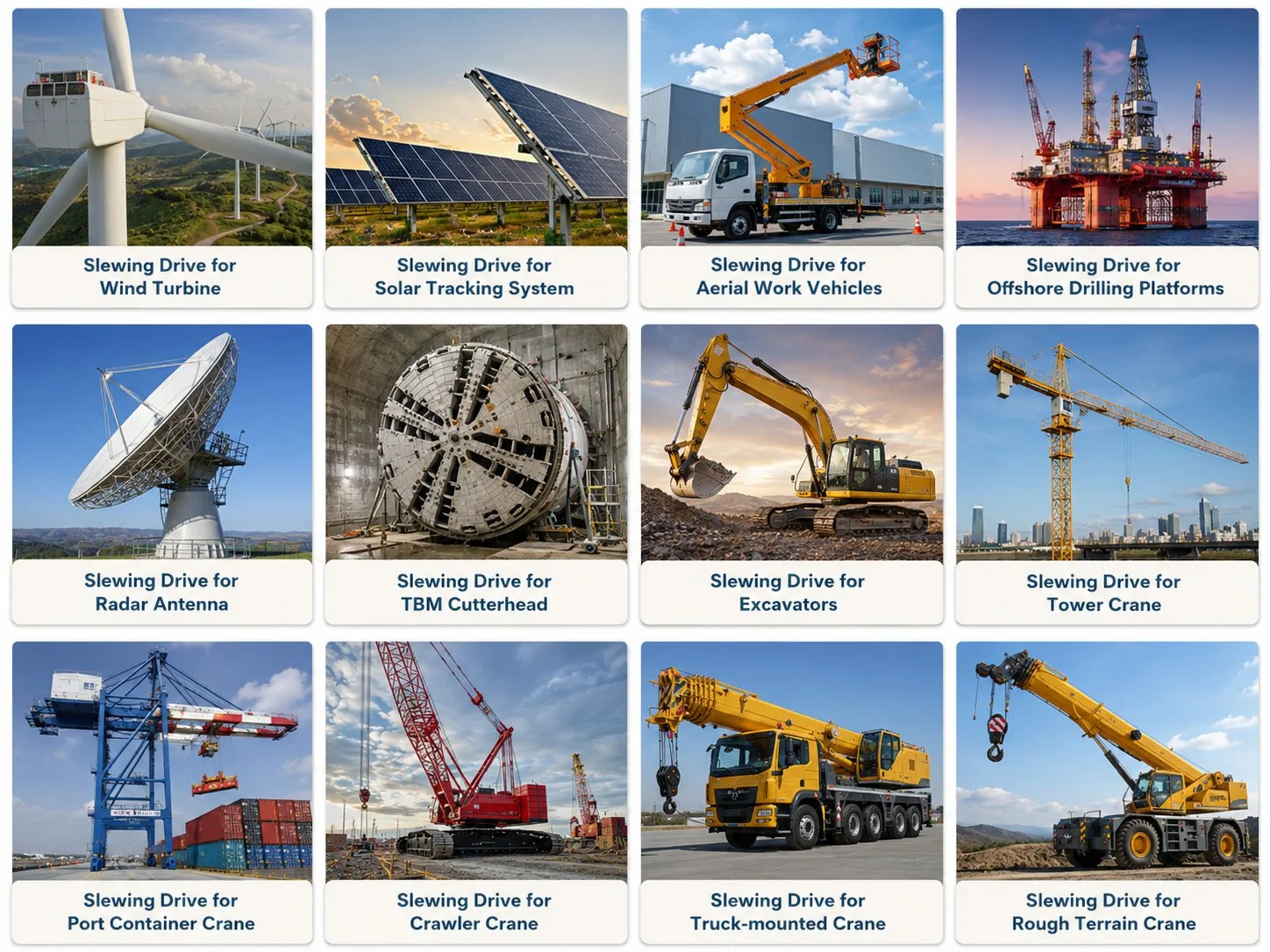
Cara Kerja Sistem Penggerak Kepala Pemotong TBM — 8 hingga 20 Penggerak Berbagi Satu Roda Gigi Cincin
Kepala pemotong TBM adalah cakram baja besar—berdiameter 3 hingga 17 meter—yang dilengkapi dengan pemotong cakram (untuk batuan) atau gigi pemotong dan pengikis (untuk tanah lunak). Cakram ini harus berputar terus menerus saat TBM bergerak maju, dan torsi yang dibutuhkan untuk memutarnya melawan permukaan batuan sangat besar: 10.000 hingga 50.000 kN·m untuk TBM batuan berdiameter besar. Tidak ada satu pun gearbox planet penggerak putar dapat menghasilkan torsi ini sendiri.
Sebaliknya, kepala pemotong dilengkapi dengan roda gigi cincin internal yang besar, dan 8 hingga 20 penggerak putar individual dipasang di sekitar pelindung TBM — masing-masing menggerakkan pinion yang berpasangan dengan roda gigi cincin ini. Penggerak-penggerak tersebut secara teoritis berbagi torsi total secara merata, atau secara proporsional dalam praktiknya tergantung pada kondisi penggerak individual dan keseimbangan hidrolik atau listrik. Arsitektur multi-penggerak ini unik di antara semua aplikasi putar — tidak ada derek, tidak ada ekskavator, dan tidak ada sistem antena yang menggunakan begitu banyak penggerak independen pada satu roda gigi cincin.
Pembagian beban antar penggerak tidak otomatis — harus dikelola secara aktif. Dalam sistem penggerak hidrolik, aliran oli ke setiap motor diukur melalui pembagi aliran atau dikendalikan oleh katup proporsional individual. Dalam sistem penggerak listrik, setiap motor dikendalikan oleh penggerak frekuensi variabel (VFD) masing-masing dengan pembatasan arus untuk mencegah satu motor menyerap lebih dari bagian proporsionalnya. Ketika satu penggerak aus lebih cepat daripada yang lain (karena posisinya relatif terhadap variasi kekerasan tanah), ia menarik arus lebih sedikit atau menerima aliran lebih sedikit — dan penggerak yang berdekatan harus mengkompensasi. Sistem keseimbangan hidrolik atau listrik sama pentingnya untuk masa pakai penggerak jangka panjang seperti halnya gearbox itu sendiri.
Matematika redundansi: Jika satu drive dalam sistem 12 drive gagal, 11 drive yang tersisa masing-masing akan menyerap beban tambahan sebesar 9% — masih dalam faktor keamanan 1,5x. Dua kegagalan simultan akan meningkatkan beban berlebih per drive menjadi 18% — masih dapat dikelola. Tiga kegagalan mencapai 27%, mendekati batas faktor keamanan dan memerlukan pengurangan laju kemajuan segera. Arsitektur multi-drive adalah perlindungan utama yang dimiliki TBM terhadap penghentian operasi di bawah tanah.
Pembagian beban antar penggerak tidak otomatis — harus dikelola secara aktif. Dalam sistem penggerak hidrolik, aliran oli ke setiap motor diukur melalui pembagi aliran atau dikendalikan oleh katup proporsional individual. Dalam sistem penggerak listrik, setiap motor dikendalikan oleh penggerak frekuensi variabelnya sendiri dengan pembatas arus untuk mencegah satu motor menyerap lebih dari bagian proporsionalnya. Ketika satu penggerak aus lebih cepat daripada yang lain (karena posisinya relatif terhadap variasi kekerasan tanah), ia menarik arus lebih sedikit atau menerima aliran lebih sedikit — dan penggerak yang berdekatan harus mengkompensasinya.
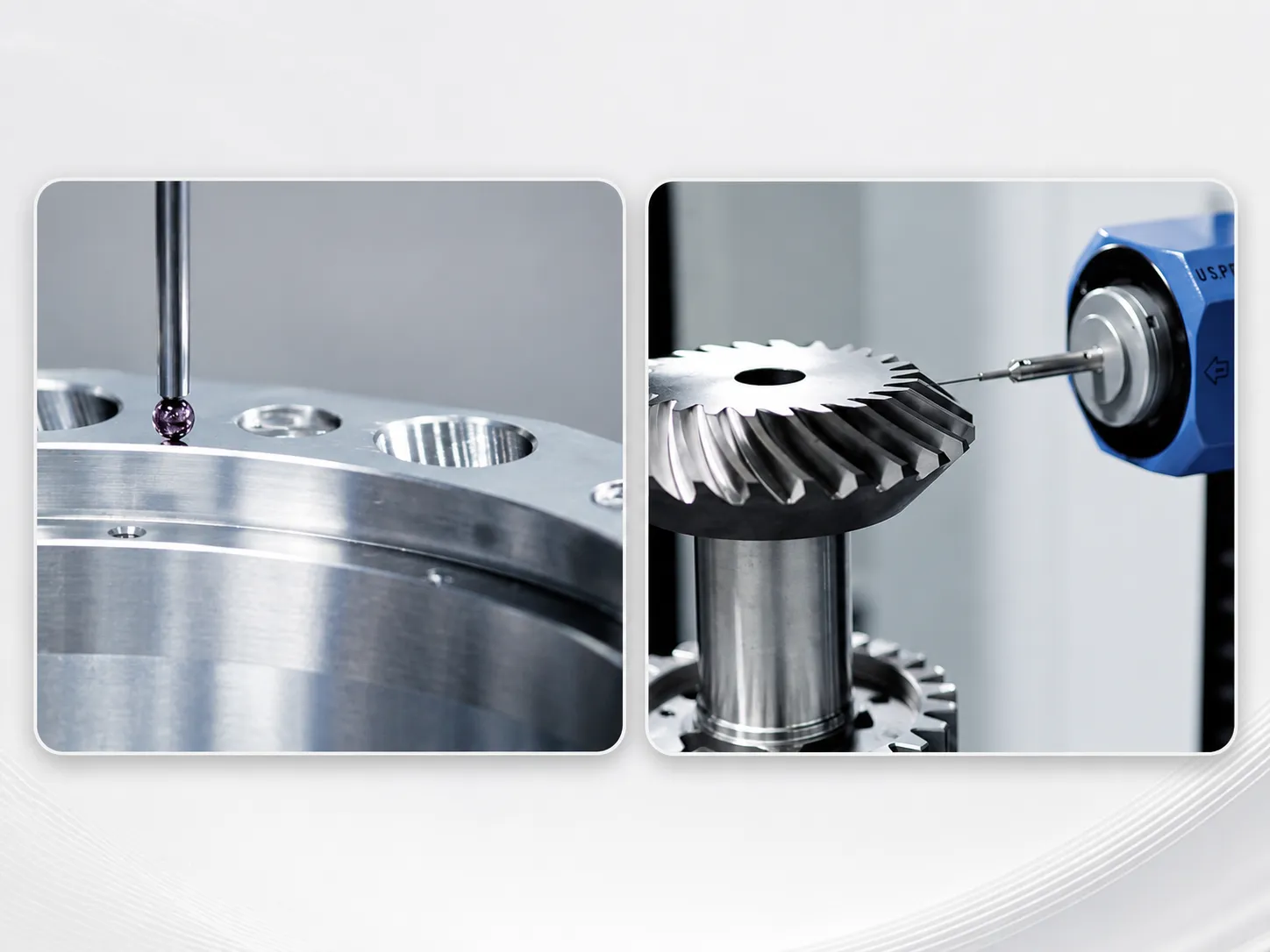
Susunan persambungan roda gigi pinion dan ring juga memengaruhi pembagian beban. Jika pinion ditempatkan secara merata di sekitar ring gear, setiap pinion akan bersambung dengan bagian ring yang berbeda — dan setiap eksentrisitas atau kesalahan jarak antar gigi pada ring gear akan menghasilkan variasi beban sistematis yang berulang pada setiap putaran kepala pemotong. Ring gear berkualitas tinggi dengan akurasi jarak antar gigi DIN Kelas 6 sangat penting untuk pembagian beban yang seragam. Ring gear dengan akurasi jarak antar gigi Kelas 8 dapat menghasilkan variasi beban per pinion sebesar 15 hingga 25% di atas rata-rata — setara dengan kehilangan kapasitas 2 hingga 3 penggerak hanya karena kesalahan gigi saja.
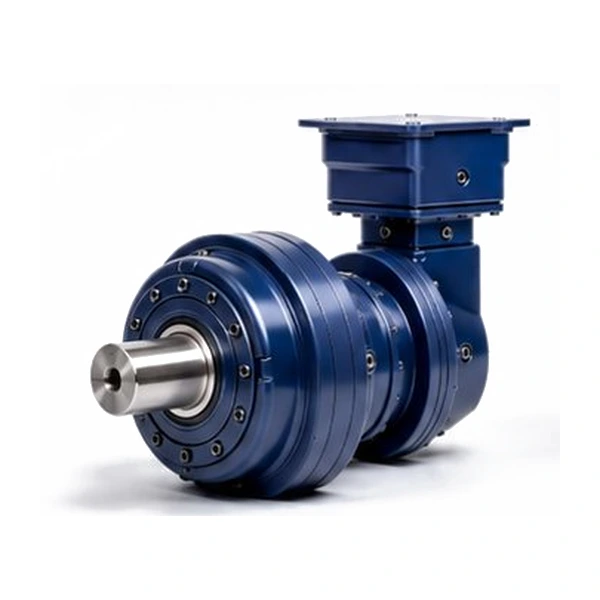
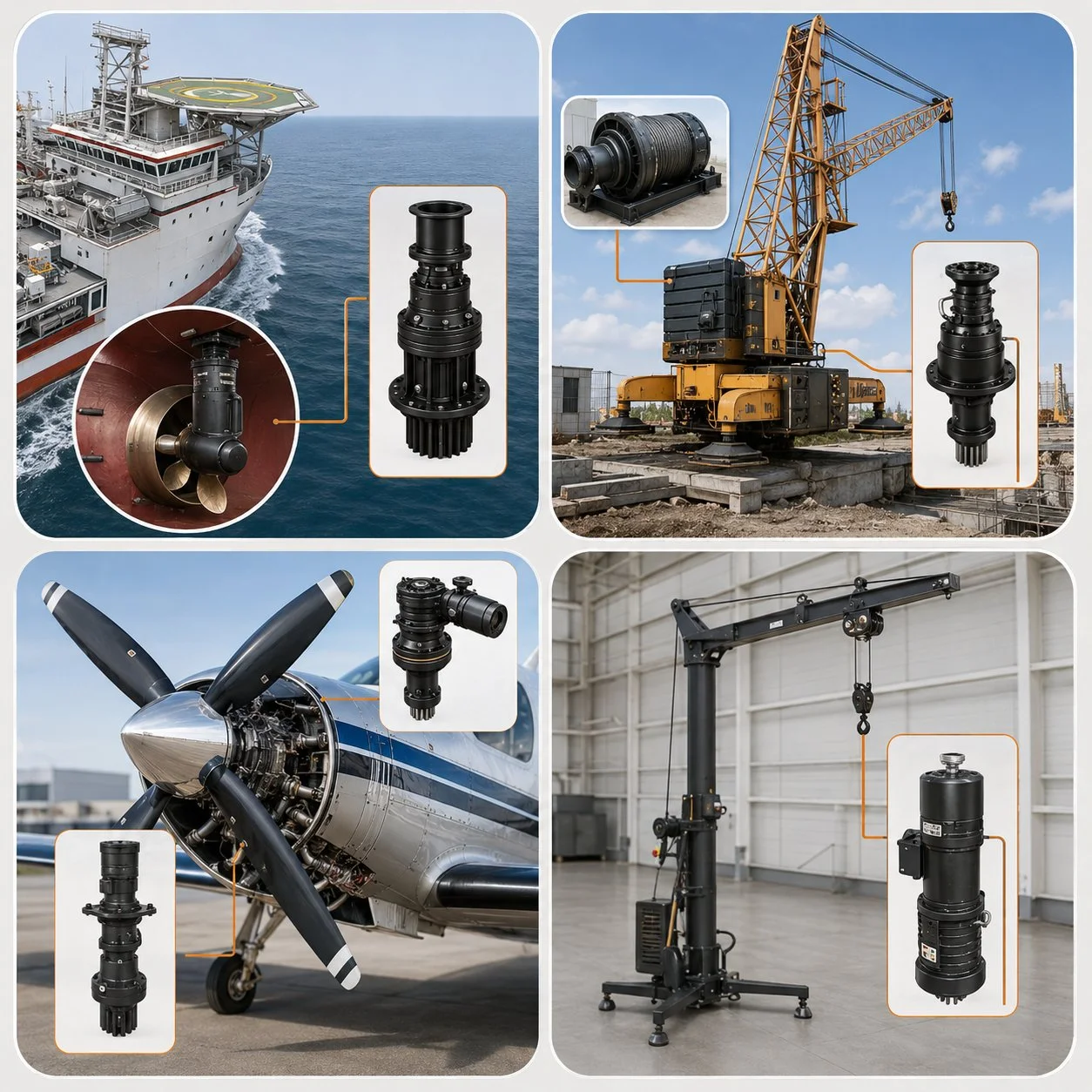
Jenis-jenis TBM dan Persyaratan Penggerak Kepala Pemotong
Spesifikasi penggerak kepala pemotong pada dasarnya bergantung pada jenis TBM — masing-masing dirancang untuk kondisi tanah yang berbeda dan masing-masing memberikan tuntutan yang berbeda pada penggerak putar.
Memotong batuan dengan UCS 50 hingga 300+ MPa menggunakan pemotong cakram. Torsi kepala pemotong sangat tinggi (15.000 hingga 50.000 kN·m) tetapi relatif stabil. Pemotong cakram menghasilkan gaya radial yang menghasilkan getaran frekuensi rendah kontinu yang ditransmisikan melalui roda gigi cincin. Penggerak beroperasi dalam kondisi terbuka (tanpa tekanan) — tidak diperlukan penyegelan lumpur, tetapi debu batuan dan rembesan air tanah tetap ada.
Beroperasi di tanah lunak dengan mempertahankan ruang bertekanan berisi tanah yang telah diolah di belakang kepala pemotong. Torsi lebih rendah (3.000 hingga 15.000 kN·m) tetapi penggerak beroperasi di belakang sekat bertekanan pada 1 hingga 5 bar. Integritas segel sangat penting — kebocoran apa pun memungkinkan lumpur bertekanan masuk ke dalam kotak roda gigi, dan hilangnya tekanan permukaan apa pun berisiko menyebabkan tanah runtuh. Tanah yang telah diolah sangat abrasif dan agresif secara kimia (pH 10 hingga 12).
Menggunakan bubur bentonit bertekanan 2 hingga 6 bar untuk menopang permukaan. Bubur tersebut sangat abrasif (pecahan batuan dengan kecepatan tinggi) dan korosif. Segel penggerak harus mampu menahan tekanan dan abrasi secara bersamaan selama 2.000 hingga 5.000 jam di antara interval servis segel — lingkungan segel yang paling menuntut dari semua aplikasi penggerak putar.
Torsi Tanah Variabel — Dari Tanah Liat Lunak hingga Granit Keras di Terowongan yang Sama
Tidak seperti aplikasi penggerak putar lainnya—di mana bebannya dapat diprediksi dan relatif konstan—torsi kepala pemotong TBM bervariasi secara terus-menerus dan tidak dapat diprediksi seiring perubahan kondisi tanah di sepanjang jalur terowongan. Sebuah terowongan tunggal dapat melewati tanah liat, pasir, kerikil, batu pasir, batu kapur, dan granit—masing-masing membutuhkan torsi kepala pemotong yang berbeda, kecepatan putaran yang berbeda, dan laju kemajuan yang berbeda.
| Jenis Tanah | UCS (MPa) | Torsi (kN·m) | RPM | Per Drive (12) |
|---|---|---|---|---|
| Tanah liat lunak / lumpur | 0,1 – 1 | 3 ribu – 8 ribu | 4 – 10 | 250 – 670 |
| Batu pasir / batu kapur | 20 – 80 | 10 ribu – 25 ribu | 3 – 6 | 830 – 2.080 |
| Batu granit keras | 100 – 300 | 25 ribu – 50 ribu | 1 – 3 | 2.080 – 4.170 |
Penggalian terowongan dengan permukaan campuran — skenario terburuk: Kondisi yang paling merusak adalah medan campuran — di mana kepala pemotong bertemu dengan batuan keras di satu sisi dan tanah lunak di sisi lainnya secara bersamaan. Hal ini menghasilkan gaya radial yang tidak seimbang yang bergantian pada setiap putaran, membebani penggerak di satu sisi sebesar 1,5 hingga 2,5 kali rata-rata sementara sisi yang berlawanannya hampir tidak terbebani. Beban siklik yang tidak seimbang ini menghasilkan kerusakan akibat kelelahan dengan laju 3 hingga 5 kali lebih cepat daripada pengeboran di medan seragam.
Perhitungan Torsi — TBM Batuan 10 Meter, 12 Penggerak
Koefisien gelinding (k) bervariasi secara signifikan tergantung pada jenis batuan dan kondisi pemotong cakram. Pemotong cakram baru pada granit keras menghasilkan nilai k sebesar 0,05 hingga 0,07. Seiring dengan keausan pemotong (cincin karbida mengembangkan bagian yang rata), koefisien gelinding meningkat menjadi 0,08 hingga 0,12 — meningkatkan torsi kepala pemotong sebesar 40 hingga 70% dari kondisi pemotong baru ke kondisi pemotong aus. Penggerak putar harus dirancang untuk torsi pemotong aus, bukan torsi pemotong baru — karena interval penggantian pemotong cakram biasanya 500 hingga 2.000 jam pengeboran, dan 20% terakhir dari masa pakai setiap pemotong menghasilkan hambatan gelinding tertinggi. Kondisi desain pemotong aus ini unik untuk penggerak TBM — tidak ada aplikasi putar lain yang memiliki variabel keausan alat yang mengubah torsi penggerak sebesar 40 hingga 70% selama interval servis yang dapat diprediksi.
Pemeliharaan Ruang Terbatas — Desain yang Didorong oleh Logistik Penggantian
Pada setiap aplikasi penggerak putar lainnya, penggerak yang rusak dapat diganti menggunakan derek bergerak atau forklift. Pada TBM (Tunnel Boring Machine), penggerak putar berada di dalam perisai — terkubur 20 hingga 40 meter di bawah tanah, hanya dapat diakses melalui terowongan yang panjangnya mungkin 2 hingga 10 kilometer. Setiap alat, setiap suku cadang pengganti, dan setiap teknisi harus melewati terowongan ini.
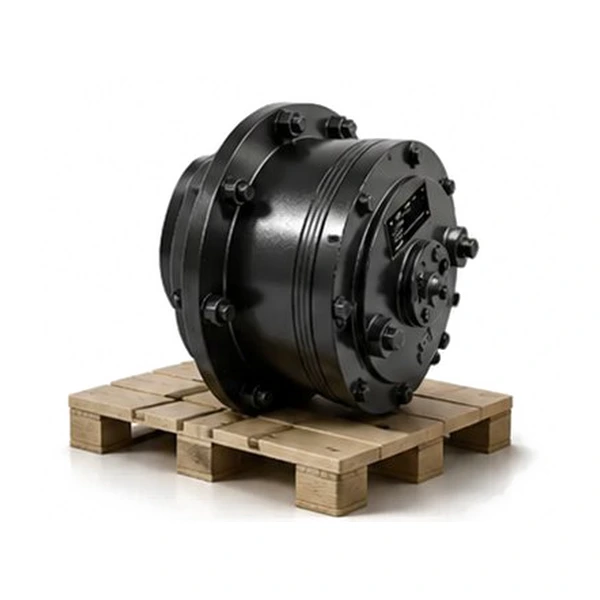
kepala pemotong TBM gearbox planet penggerak putar Dirancang untuk logistik penggantian sekaligus kapasitas torsi. Antarmuka pemasangan, geometri kopling, jalur koneksi oli, dan aksesibilitas pengencang semuanya dioptimalkan untuk busur kunci pas 600 mm, kerekan rantai 5 ton, dan jendela penggantian 8 jam. Setiap jam TBM dihentikan untuk perawatan penggerak, biaya yang hilang dan penundaan proyek mencapai USD 15.000 hingga 50.000.
Prosedur penggantian itu sendiri dirancang dengan cermat seperti halnya penggeraknya: pola baut pemasangan dirancang untuk kunci torsi hidrolik (bukan kunci benturan, yang tidak dapat digunakan secara andal dalam busur yang sempit). Kopling antara motor dan gearbox menggunakan antarmuka bergerigi yang menyelaraskan diri selama pemasangan — menghilangkan kebutuhan akan penyelarasan presisi dengan indikator dial di ruang di mana visibilitas dan akses sangat terbatas. Port pengisian dan pengurasan oli diposisikan untuk pengisian gravitasi dari atas dan pengurasan lengkap dari bawah, menggunakan selang fleksibel yang dapat menjangkau di sekitar peralatan yang berdekatan. Detail logistik ini — yang tidak terlihat dalam spesifikasi pemasangan permukaan — menentukan apakah penggantian penggerak membutuhkan waktu 8 jam (desain yang baik) atau 24 jam (desain yang buruk).
Sebagian besar kontraktor TBM membawa 1 hingga 2 unit penggerak cadangan lengkap di dalam gantry cadangan terowongan — sudah diisi oli, diuji sebelumnya, dan siap dipasang. Strategi penggerak cadangan merupakan bagian penting dari rencana logistik TBM dan harus ditentukan bersamaan dengan pemesanan penggerak awal. Penggerak cadangan yang disimpan di portal terowongan berjarak 2 hingga 10 kilometer dan membutuhkan waktu 2 hingga 4 jam transportasi dari mesin — terlalu jauh untuk penggantian yang mendesak selama transisi tanah yang sulit.
Berat penggerak merupakan batasan yang sangat penting. Setiap unit harus dapat diangkut pada sistem rel terowongan (biasanya dalam gerbong material dengan batas muatan 5 ton) dan dapat diangkat oleh kerekan rantai yang dipasang pada rel atap perisai. Hal ini membatasi berat penggerak individual maksimum hingga sekitar 2.500 hingga 3.000 kg — terlepas dari persyaratan torsi. Untuk TBM yang sangat besar di mana torsi per penggerak melebihi kemampuan unit 3.000 kg, solusinya adalah menambahkan lebih banyak penggerak (meningkat dari 12 menjadi 16 atau 20) daripada membuat setiap penggerak lebih berat. Pendekatan penskalaan ini mempertahankan kemampuan penggantian di ruang terbatas sambil memenuhi persyaratan torsi total melalui unit paralel tambahan.
Rekayasa Segel untuk TBM Bertekanan
Pada TBM batuan keras, penyegelan menggunakan metode konvensional untuk mencegah masuknya debu dan air. Pada TBM EPB dan lumpur, penggerak beroperasi di belakang sekat bertekanan 1 hingga 6 bar. Segel penggerak harus mencegah media bertekanan, abrasif, dan agresif secara kimiawi masuk ke dalam gearbox — secara terus menerus, selama 2.000 hingga 5.000 jam di antara interval servis.
Beberapa bibir tandem (3 hingga 5) untuk pencegahan masuknya debu dan air secara bertahap. Masa pakai: 3.000 hingga 6.000 jam. Tidak cocok untuk tekanan di atas 0,5 bar.
Permukaan silikon karbida atau tungsten karbida ditekan oleh pegas. Mampu menahan tekanan 3 hingga 6 bar. Tingkat keausan: 0,01 hingga 0,03 mm per 1.000 jam. Masa pakai: 4.000 hingga 8.000 jam. Ruang penyegelan telah diisi sebelumnya dengan gemuk bersih pada tekanan positif.
Labirin multi-tahap dengan injeksi gemuk kontinu pada tekanan 0,5 hingga 1,0 bar di atas tekanan muka. Konsumsi: 0,5 hingga 2,0 L/jam per penggerak. Mesin bor terowongan (TBM) lumpur 12 penggerak mengkonsumsi 6 hingga 24 L/jam gemuk penghalang — biaya yang signifikan, tetapi jauh lebih rendah daripada kerusakan gearbox akibat masuknya lumpur.
Pemilihan seal secara langsung memengaruhi model biaya operasional TBM. Seal muka mekanis memiliki biaya operasional lebih rendah (tidak ada konsumsi gemuk) tetapi biaya penggantian lebih tinggi dan membutuhkan teknisi terampil untuk pengamplasan permukaan seal. Seal labirin bertekanan memiliki biaya operasional lebih tinggi (konsumsi gemuk terus menerus sebesar USD 3 hingga 8 per liter) tetapi lebih toleran terhadap ketidaksejajaran dan dapat diservis oleh personel perawatan umum. Untuk TBM lumpur 12-drive yang beroperasi 6.000 jam per tahun dengan 1 L/jam per drive, biaya gemuk tahunan adalah 72.000 liter x USD 5 = USD 360.000 — biaya operasional yang signifikan tetapi dapat diprediksi dibandingkan dengan biaya yang tidak dapat diprediksi dari kegagalan seal mekanis dan banjir gearbox yang diakibatkannya.
Strategi pemantauan segel berbeda-beda tergantung jenis segelnya. Segel muka mekanis dapat dipantau dengan mengukur laju kebocoran gemuk pada lubang pembuangan segel — peningkatan kebocoran yang tiba-tiba menunjukkan keausan muka yang mendekati ambang batas penggantian. Segel labirin bertekanan dapat dipantau dengan melacak laju konsumsi gemuk — penurunan konsumsi pada tekanan injeksi konstan menunjukkan penyumbatan sebagian labirin (akibat penumpukan kontaminasi), sedangkan peningkatan menunjukkan pelebaran celah labirin akibat keausan. Kedua pendekatan pemantauan ini memberikan peringatan dini 500 hingga 1.000 jam sebelum kondisi segel menjadi kritis — waktu yang cukup untuk menjadwalkan penggantian selama shift pemeliharaan yang direncanakan, bukan penghentian darurat.
Tiga Mode Kegagalan Spesifik pada Penggerak Putar Kepala Pemotong TBM
Ketika kepala pemotong bertemu dengan batu besar yang terisolasi di tanah yang lebih lunak, pemotong cakram mengirimkan lonjakan torsi 2 hingga 4 kali lipat dari rata-rata — berlangsung selama 0,1 hingga 0,5 detik. Roda gigi planet harus menyerap guncangan ini tanpa menyebabkan patah gigi. Pertemuan berulang (10 hingga 50 kali per meter di tanah glasial) mengakumulasi kelelahan jauh lebih cepat daripada asumsi tanah yang seragam. Lonjakan torsi merambat melalui jalinan pinion-ring dan ke tahap planet — membebani roda gigi matahari, roda gigi planet, dan pin pembawa dengan impuls yang melebihi torsi desain kondisi tunak. Tegangan akar gigi roda gigi selama lonjakan 3x dapat mendekati kekuatan luluh baja yang dikeraskan permukaannya — dan jika lonjakan tersebut bertepatan dengan retakan kelelahan yang ada dari kejadian sebelumnya, gigi dapat patah secara katastropik, melepaskan fragmen ke dalam jalinan roda gigi yang merusak gigi dan bantalan di sekitarnya dalam kegagalan berantai.
Pada mesin bor terowongan (TBM) tipe EPB dan slurry, kegagalan seal yang parah dapat mengisi gearbox dengan lumpur abrasif di bawah tekanan 2 hingga 6 bar dalam hitungan jam — yang mengakibatkan kerusakan total pada seluruh rangkaian roda gigi dan semua bantalan dalam satu kejadian. Tidak seperti kebocoran bertahap (yang dapat dideteksi melalui analisis oli), kegagalan yang parah bersifat langsung dan total. Biaya penggantian diperparah oleh waktu henti TBM selama 8 hingga 16 jam dengan biaya USD 15.000 hingga 50.000 per jam.
Ketika kepala pemotong macet, operator harus membalikkannya untuk membebaskan hambatan tersebut. Torsi balik membebani sisi gigi yang berlawanan (non-penggerak) — permukaan dengan ketahanan lelah yang lebih rendah karena kontak yang lebih sedikit selama rotasi maju normal. Beberapa siklus macet dan balik per shift di tanah campuran menghasilkan pengelupasan sisi balik yang dipercepat dalam waktu 2.000 hingga 4.000 jam. Masalah ini diperparah oleh fakta bahwa torsi balik sering diterapkan pada tekanan sistem penuh (operator mendorong katup pelepas hidrolik ke maksimum untuk membebaskan kemacetan) — menghasilkan puncak torsi yang melebihi maksimum pemotongan maju normal sebesar 10 hingga 30%. Kombinasi permukaan kontak yang kurang keras dan torsi yang lebih tinggi dari normal ini menjadikan kegagalan sisi balik sebagai mode kerusakan roda gigi yang paling umum dalam pembuatan terowongan TBM di tanah campuran.
Gearbox Planetary Penggerak Putar untuk Kepala Pemotong TBM — Pertanyaan yang Sering Diajukan
Korea Ever-Power menyediakan gearbox planet penggerak putar kepala pemotong TBM dari 200 hingga 4.500 kN·m per unit dengan roda gigi tahan guncangan, segel bertekanan, dan pemasangan di ruang terbatas.
Editor: Cxm