Winch Drive Series — Automated Intralogistics & Warehouse Systems
Winch Drive Planetary Gearbox for 3D Warehouses
Automated storage and retrieval systems in high-bay warehouses execute millions of load cycles per year at heights of 30 to 50 metres, with positioning accuracy requirements of ±2 mm at every stop point, and availability targets of 99.5% that leave less than 44 hours of annual downtime across the entire system. The winch drive planetary gearbox on every stacker crane hoist must deliver absolute positional repeatability, near-silent operation in temperature-controlled warehouse environments, and a 20-year design life with planned maintenance intervals that do not require taking the machine out of service.
±2 mm positioning accuracy
<8 arcmin backlash
10 million cycles design life
The automated 3D warehouse — also known as an automated storage and retrieval system (ASRS) or high-bay warehouse — represents one of the most demanding long-term duty cycle applications for a winch drive gearbox. A stacker crane in a large distribution centre may execute 120 to 250 storage and retrieval cycles per hour across two daily shifts, accumulating 600,000 to 1,000,000 lift cycles per year. Over a 20-year system design life, a single hoist winch gearbox accumulates 12 to 20 million load cycles — a fatigue life requirement that fundamentally exceeds the design basis of any standard industrial winch gearbox and requires a precision-engineered planetary unit with verified gear tooth fatigue ratings, low-noise gear mesh for sensitive indoor environments, and sub-8 arcminute backlash for the encoder-based positioning systems that control pallet placement accuracy at every rack face. Korea Ever-Power supplies planetary winch drive gearboxes for every level of the 3D warehouse equipment hierarchy — from compact unit load stacker crane hoists through pallet ASRS systems, vertical lift modules, and goods-to-person shuttle system elevation drives.
3D Warehouse Winch Applications: ASRS, VLM, and Goods Elevator
Unit Load ASRS Stacker Crane Hoist (500–3,000 Nm): Unit load stacker cranes handle standardised totes, bins, or cases — typically 30 to 200 kg per load unit — in high-bay racks reaching 30 to 45 metres in height. The hoist drive lifts and lowers the load handling device (LHD) at speeds of 0.5 to 1.5 m/s, with acceleration and deceleration profiles shaped by the VFD to minimise load swing and settle time at the rack face. At 200 cycles per hour and 16 operating hours per day, a single hoist gearbox accumulates approximately 1.17 million lift cycles per year. The gear tooth fatigue life must be verified against this cycle count at the actual load distribution — not just at maximum rated load, but weighted by the load spectrum that the system will handle, which typically includes a significant fraction of empty or part-loaded cycles that impose lower torque but still accumulate tooth bending fatigue cycles at the root.
Pallet ASRS Stacker Crane Hoist (2,000–8,000 Nm): Pallet handling ASRS systems store full-sized EUR or ISO pallets weighing 500 to 1,500 kg in racks reaching 40 to 50 metres. Hoist speeds are lower than unit load systems — 0.3 to 0.8 m/s — but the load per cycle is higher and the gear tooth stress per cycle is proportionally greater. Pallet ASRS hoists typically operate at 40 to 80 cycles per hour, accumulating 200,000 to 400,000 lift cycles per year. The gearbox output torque requirement at maximum load and minimum wire layer (full drum height) reaches 2,000 to 8,000 Nm depending on the hoist drum diameter and wire reeving configuration. The positioning accuracy requirement for pallet systems — ±3 to 5 mm at the pallet support face — is slightly less demanding than unit load systems but still requires sub-8 arcminute backlash to prevent positioning errors from accumulating through multiple lift cycles.
Vertical Lift Modules and Goods Elevators (200–2,000 Nm): Vertical lift modules (VLMs) bring storage trays to the operator at an access opening rather than sending a stacker crane to a fixed rack — the entire inventory rotates to the operator, dramatically reducing the floor area needed for the equivalent storage capacity. VLM hoist drives operate at very high cycle rates — 300 to 500 tray retrievals per hour in a busy picking operation — but at relatively modest torque because individual tray weights are typically 50 to 250 kg and the hoist travel distance within the VLM is only 3 to 12 metres. Industrial goods elevators serving multi-level warehouse mezzanines impose steady-state hoist loads at 200 to 2,000 Nm but at relatively low cycle rates compared to ASRS systems. Both applications share the absolute requirement for silent operation — a VLM or goods elevator generating gear mesh noise in a warehouse picking environment is unacceptable from an ergonomic standpoint, and the noise specification for Korea Ever-Power 3D warehouse gearboxes is less than 65 dB(A) at 1 metre at rated speed and load.
Positioning Precision: How Gearbox Backlash Translates to Rack Face Accuracy

The positioning accuracy specification for a warehouse ASRS stacker crane hoist — typically ±2 mm at the rack face — sets a hard limit on the allowable backlash in the hoist winch drive gearbox. This connection between backlash and positioning accuracy is not widely understood outside of precision motion control engineering, but it is the governing specification for 3D warehouse gearbox selection:
A stacker crane hoist with a 300 mm drum diameter decelerates from full speed and comes to rest at the target rack position, with the motor encoder providing position feedback. When the crane has stopped and the VFD holds the motor at zero speed, the load on the wire tends to back-drive the drum — but the planetary gearbox prevents back-driving through a combination of gear mesh irreversibility and holding brake engagement. During this load transfer from VFD torque hold to brake hold, the gearbox output shaft rotates by the backlash angle before the gear mesh engages in the new direction. At a drum diameter of 300 mm, a backlash of 8 arcminutes corresponds to a drum surface displacement of (8/60) x (π/180) x 150 mm = 0.35 mm. The load handling device position error from this displacement is amplified by the hoist wire reeving ratio — at 2:1 reeving, the LHD moves 0.7 mm from the backlash. For a ±2 mm positioning target, this 0.7 mm backlash contribution leaves only 1.3 mm of budget for all other positioning error sources combined. This analysis explains why sub-8 arcminute backlash is the threshold specification for 3D warehouse hoist gearboxes: higher backlash directly consumes the positioning error budget and degrades system accuracy.
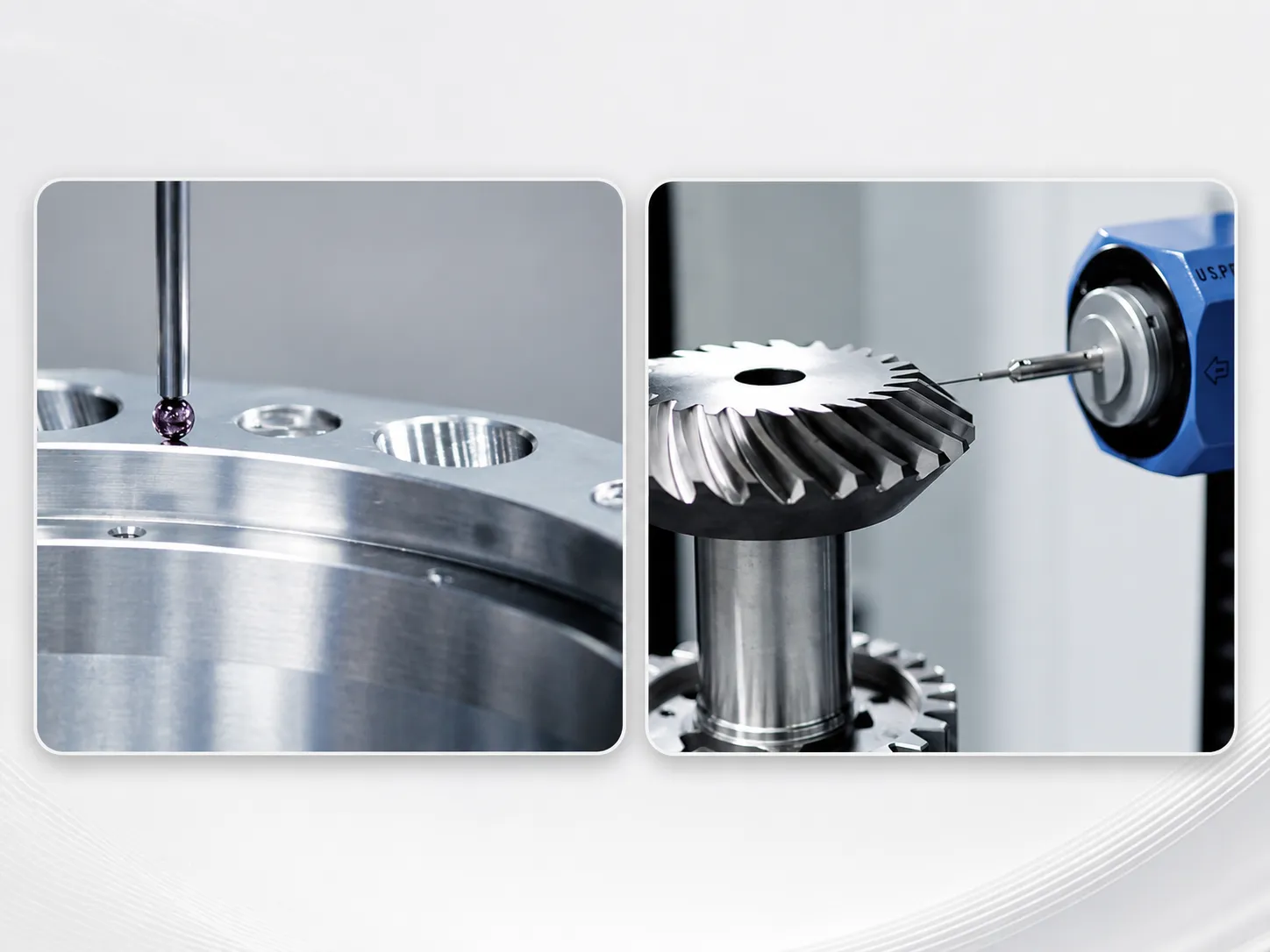
Korea Ever-Power achieves the sub-8 arcminute backlash specification for 3D warehouse hoist gearboxes through three manufacturing controls applied to every production unit: DIN 5 gear tooth profile and lead accuracy to minimise tooth-to-tooth pitch variation; matched planet set assembly with tooth thickness variation within 0.003 mm across all planets in a stage; and planet pin position tolerance of ±0.008 mm in the carrier bores. Every production unit is backlash-tested on a precision rotary encoder bench before shipment, with the measured backlash in arcminutes recorded on the unit serial number tag and shipping documentation.
Korea Ever-Power 3D Warehouse Winch Drive Selection Guide
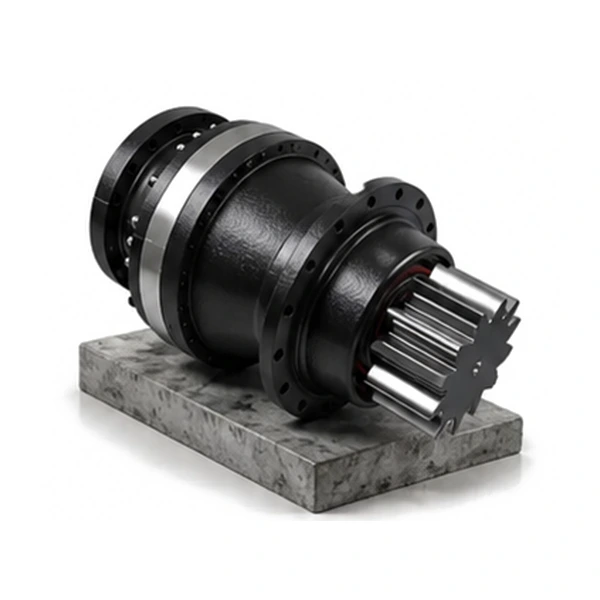
| Modello | Coppia di uscita | Fasi | Ratio Range | Warehouse Application | Gioco | Noise at 1m |
|---|---|---|---|---|---|---|
| ZL55 | 200 – 2,000 Nm | 1–5 | 3.7 – 3,497 | VLM tray hoist, goods elevator | < 8 arcmin | < 62 dB(A) |
| ZR75 | 500 – 6,000 Nm | 2–5 | 5.1 – 4,884 | Unit load ASRS stacker crane hoist | < 8 arcmin | < 65 dB(A) |
| 407AW | 1,500 – 6,000 Nm | 2–3 | 50 – 1,200 | Light pallet ASRS, shuttle elevator | < 8 arcmin | < 65 dB(A) |
| 414W3 | 3,000 – 8,000 Nm | 3 | 100 – 2,500 | Heavy pallet ASRS, deep-lane system | < 8 arcmin | < 68 dB(A) |
10 Million Cycle Gear Fatigue Life: Engineering for ASRS Design Life
Servo Motor and VFD Integration for ASRS Hoist Control
Food-Grade and Pharmaceutical Warehouse Requirements
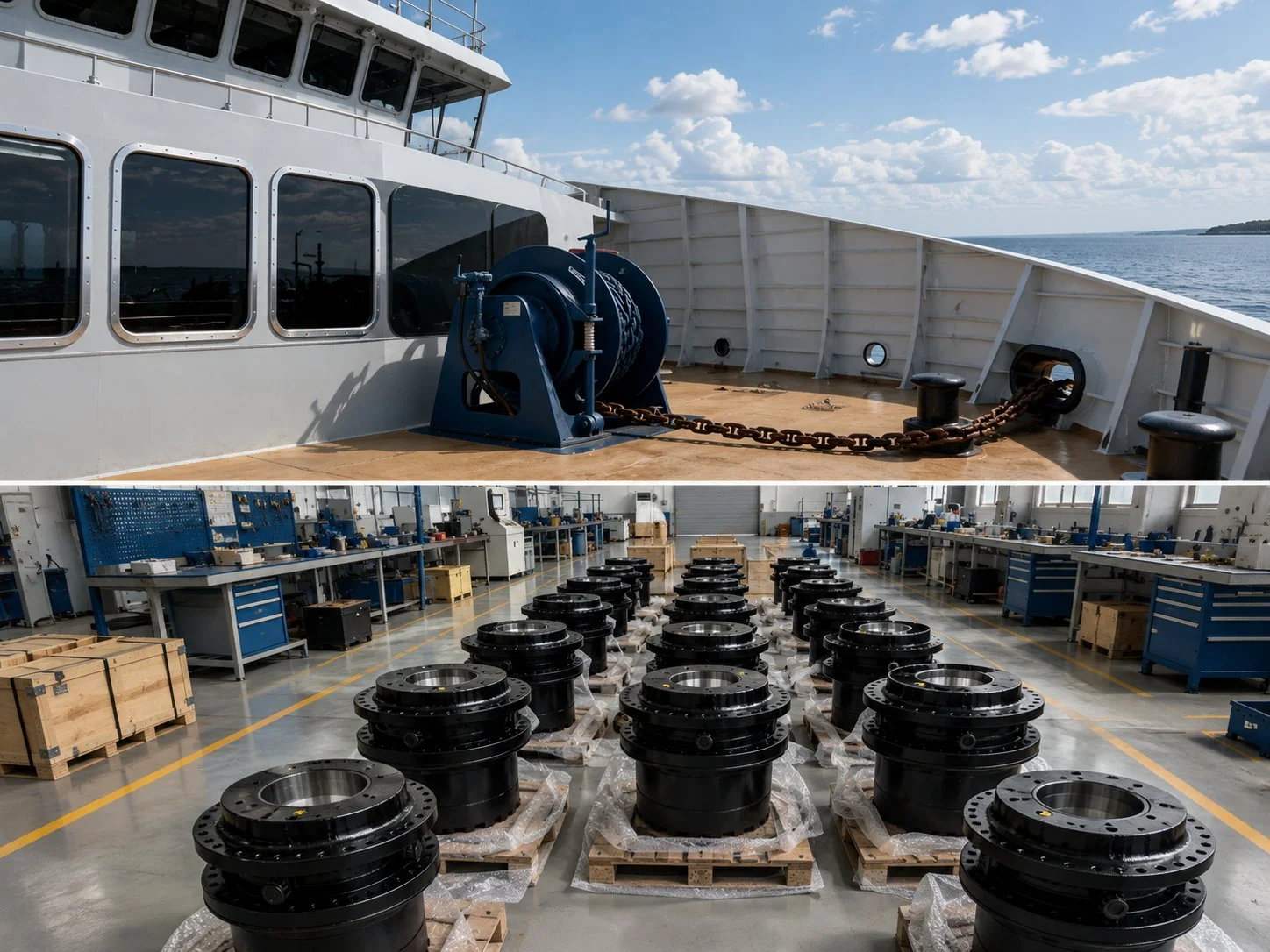
A significant and growing proportion of 3D warehouse ASRS installations are in food distribution centres, cold storage warehouses, pharmaceutical distribution facilities, and medical device warehouses — environments that impose hygiene and contamination control requirements beyond the standard industrial specification:
Food-Grade Lubricant (H1 Rating): In food distribution warehouses where the stored products include unpackaged or minimally packaged food items, any lubricant that could potentially contact food must carry NSF H1 (incidental food contact) certification. Korea Ever-Power 3D warehouse gearboxes are available with NSF H1 certified PAO gear oil filling — a synthetic polyalphaolefin oil that provides equivalent or superior lubrication performance to standard EP gear oils while meeting the incidental food contact safety requirement. This option eliminates the need for post-installation oil changes by the warehouse operator before commissioning in food-grade environments.
Sealed-for-Life Output Bearing: In pharmaceutical warehouse ASRS systems, any periodic maintenance activity on the stacker crane hoist requires a change control procedure and documentation review — adding significant administrative overhead to every planned maintenance event. Korea Ever-Power 3D warehouse gearboxes use sealed-for-life output bearings that require no periodic greasing, reducing the planned maintenance scope to oil inspection and oil change at the gearbox-internal oil intervals. The sealed bearing uses a long-life lithium complex grease with a calculated service life of 60,000 hours — exceeding the 20-year ASRS design life at the typical bearing speed of the hoist output shaft in a stacker crane application.
Cold Storage ASRS (-30°C Operation): Cold storage warehouse ASRS systems store frozen food products at -25°C to -30°C in fully automated environments where the entire aisle structure, rack system, and stacker cranes operate continuously at these temperatures. Gear oil viscosity at -30°C must be low enough for adequate circulation to the planet bearings within seconds of start-up at cold-ambient temperature. Korea Ever-Power cold storage ASRS gearboxes are filled with PAO ISO VG 100 gear oil with pour point below -55°C, maintaining a kinematic viscosity below 2,500 cSt at -30°C — within the pump circulation capability of the planetary carrier oil channels that feed the planet bearings at cold-start conditions.
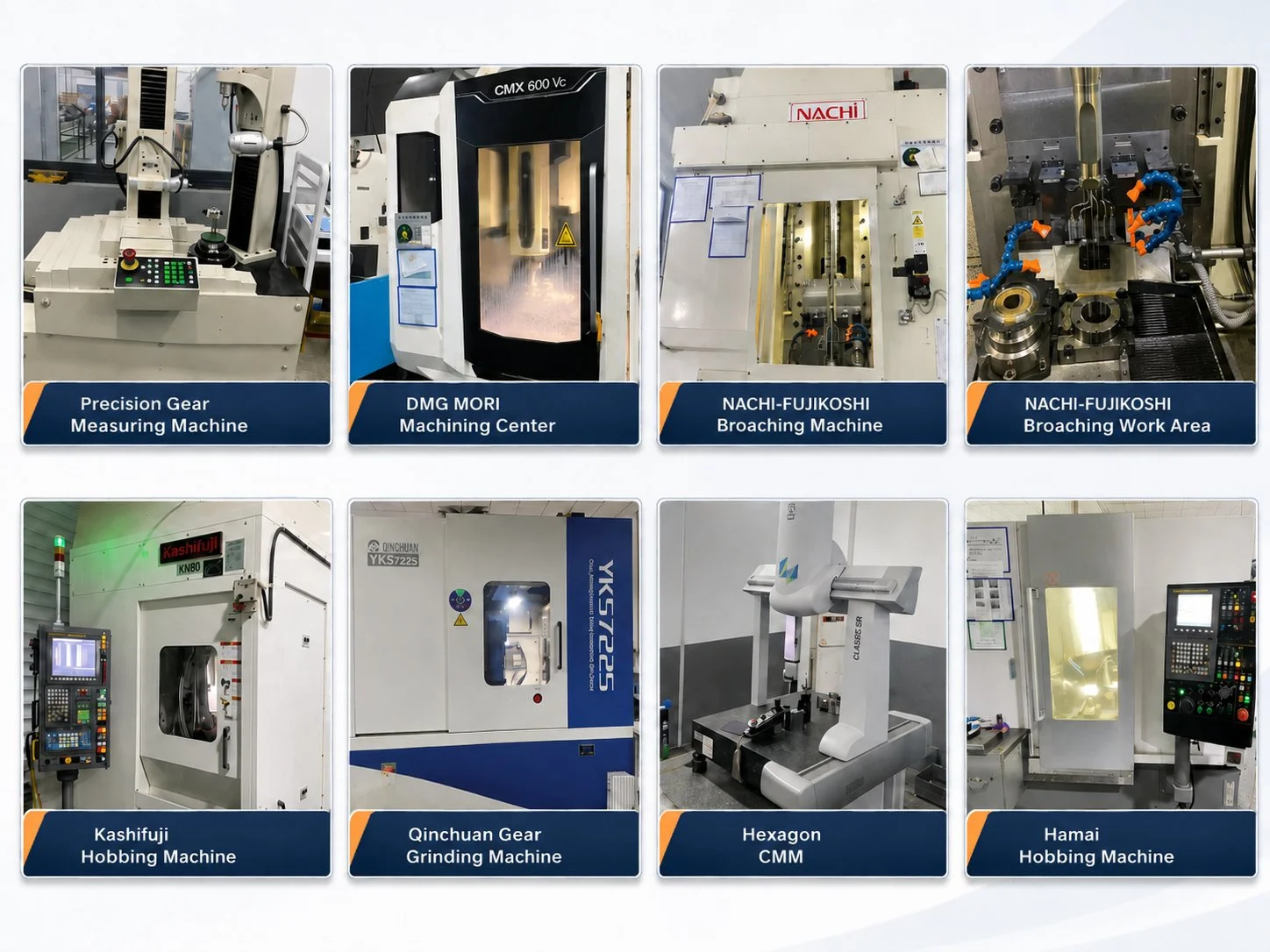
Factory Acceptance Testing for 3D Warehouse Hoist Gearboxes
Maintenance Strategy for 20-Year ASRS System Life

An ASRS system in a distribution centre operating 365 days per year cannot afford extended unplanned downtime — every hour a stacker crane is out of service reduces throughput that must be recovered through overtime or external warehouse capacity. Korea Ever-Power designs 3D warehouse hoist gearboxes for the minimum planned maintenance burden compatible with the 20-year design life:
Oil Change Interval: The internal gear oil in a 3D warehouse hoist gearbox operates in a clean, temperature-controlled environment without the contamination sources that shorten oil life in outdoor industrial applications. With the specified PAO synthetic oil and clean indoor operating conditions, Korea Ever-Power recommends an oil change interval of 5,000 hours — approximately 2.5 years at two-shift operation. The oil change requires no gearbox removal from the crane: drain via the magnetic plug accessible from the crane maintenance platform, refill via the oil fill port, check level via the sight glass. Total time: 20 to 30 minutes per crane.
Backlash Monitoring: Because backlash is the governing specification for ASRS positioning accuracy, Korea Ever-Power recommends including a periodic backlash check in the planned maintenance programme — every 2 years, or every 2 million hoist cycles, whichever comes first. The backlash check uses the same torque wrench method described for forestry applications: hold the output shaft fixed, rotate the input shaft manually, measure the input rotation before output rotation begins. Any backlash reading above 10 arcminutes on a unit originally delivered below 8 arcminutes indicates that gear tooth wear is beginning to approach the specification limit, and the gearbox should be scheduled for replacement at the next planned maintenance shutdown before positioning accuracy degrades below the system specification.
Planned Replacement at 15 Million Cycles: Korea Ever-Power recommends planning for gearbox replacement at 15 million hoist cycles — 50% beyond the rated 10 million cycle fatigue life — as a conservative scheduled maintenance measure rather than running to failure. This replacement philosophy keeps the crane available without unplanned downtime while ensuring the gear tooth fatigue life is not exceeded. Replacement units are pre-tested to the full warehouse precision specification and can be installed by a maintenance technician familiar with the crane design in 4 to 6 hours during a planned maintenance window.
Common 3D Warehouse Hoist Gearbox Failures and Prevention
| Failure Mode | Root Cause | Detection | Prevention |
|---|---|---|---|
| Backlash increase — positioning drift | Gear tooth flank wear accumulated over high-cycle operation — backlash growing beyond 8 arcminute limit | ASRS control system reports increasing position deviation at rack face; periodic backlash measurement exceeds 10 arcminutes | Biennial backlash check; plan gearbox replacement at 15 million cycles regardless of apparent condition |
| Gear mesh noise increase | Planet bearing wear causing planet radial displacement — unequal tooth contact load generating mesh frequency vibration | Noise level increasing above baseline; vibration signature change at gear mesh frequency in periodic monitoring | Annual vibration baseline measurement; replace planet bearing set as matched batch at first noise increase trend |
| Input flange runout — encoder error | Motor mount loosening over high-cycle vibration — TIR increasing, causing encoder position error at hoist deceleration | ASRS controller reports intermittent position fault; positioning accuracy degrading beyond ±2 mm threshold | Apply thread-locking compound to all motor flange fasteners at installation; verify TIR at annual maintenance inspection |
| Oil viscosity loss — cold storage | Moisture condensation from freeze-thaw cycles diluting gear oil in cold storage ASRS — viscosity falling below minimum film thickness requirement | Water content above 0.2% in annual oil sample; milky appearance in oil window | Annual oil sample check in cold storage applications; change oil immediately if water content exceeds 0.2% |
| Overload damage from blocked pallet | LHD attempting to force a misaligned or blocked pallet beyond the torque limit of the hoist drive — torque spike exceeding gear rating | VFD torque alarm during hoist cycle; sudden noise from gearbox; subsequent backlash measurement shows step increase | Fit motor torque limit in VFD at 150% rated torque; inspect gearbox after any torque alarm event before resuming normal operation |
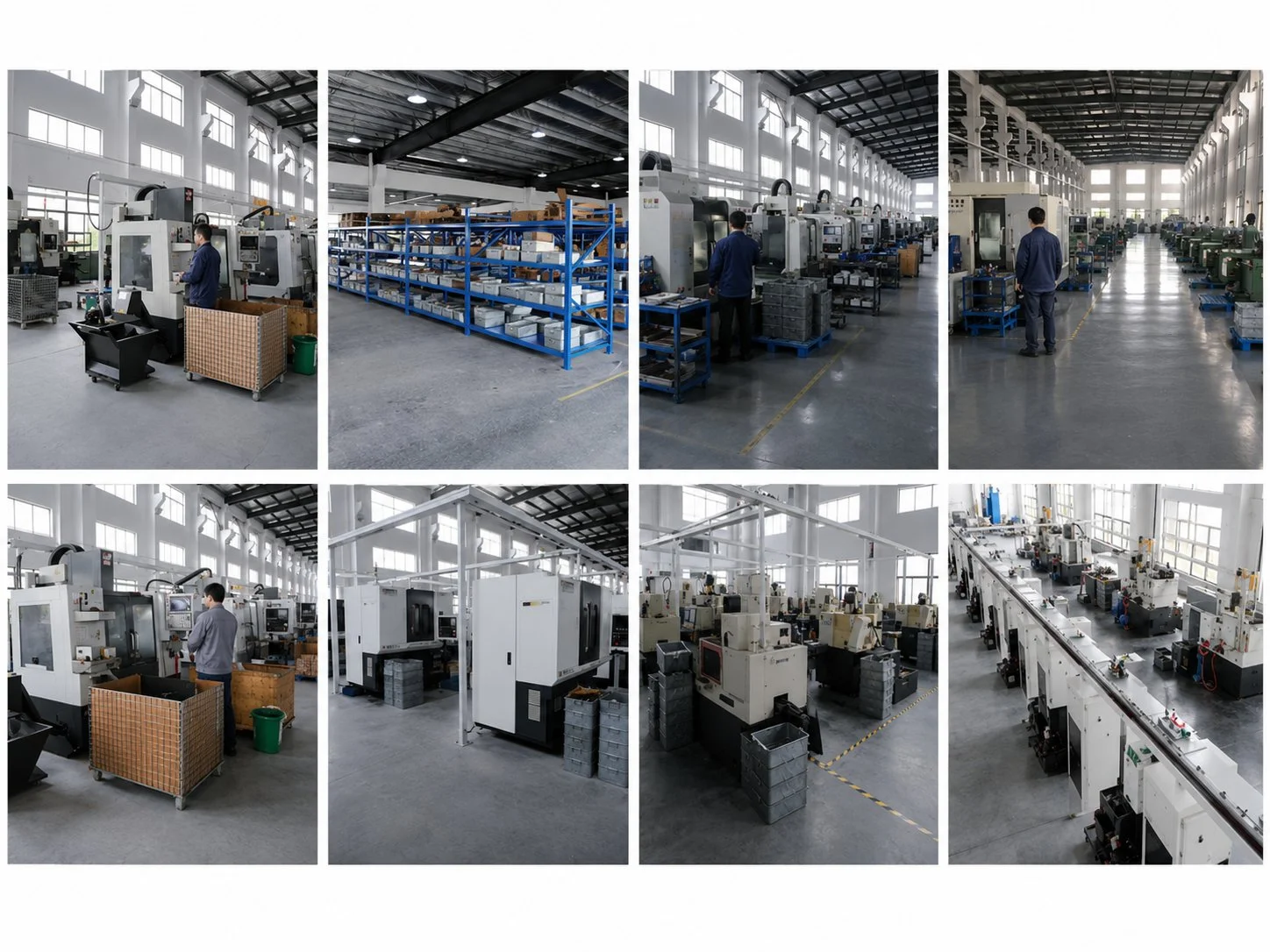
Why ASRS Manufacturers and Warehouse Operators Choose Korea Ever-Power
Source Your 3D Warehouse Winch Drive Planetary Gearbox
Whether you are designing a new ASRS stacker crane, specifying replacement hoist gearboxes for an operating warehouse system, or commissioning a food-grade or cold storage ASRS installation — Korea Ever-Power delivers sub-8 arcminute backlash, 10 million cycle-rated planetary winch drive gearboxes built for the precision and longevity that 3D warehouse automation demands. Send us your hoist load, cycle rate, positioning accuracy requirement, and environment specification for a free backlash budget analysis, fatigue life calculation, and gearbox proposal within 48 hours.
Edit by Cxm