A chi è rivolto questo confronto e le tre domande che si pongono gli ingegneri coreani
I costruttori di macchinari e gli ingegneri dell'automazione coreani che cercano alternative ad Apex Dynamics in Corea si trovano in genere in una di queste tre situazioni. Comprendere quale situazione si applica al proprio caso è fondamentale per determinare quali aspetti sono più importanti in questo confronto.
Utilizziamo già Apex Dynamics su macchinari esistenti. Stiamo progettando una nuova macchina e ci chiediamo se sia possibile migliorare l'esperienza di approvvigionamento (tempi di consegna di 3-4 settimane, documentazione in inglese/cinese, fatturazione in USD con pagamento in KRW) senza compromettere la precisione offerta dai prodotti Apex Dynamics. Domanda principale: Le specifiche dell'Ever-Power EP coreano sono effettivamente equivalenti? Posso passare a questa configurazione senza dover riprogettare la macchina?
Sto scrivendo una nuova distinta base per una macchina coreana. Ho ricevuto preventivi sia dal distributore Apex Dynamics che da Ever-Power, azienda coreana. Esiste una differenza di prezzo, ma l'ingegnere ha bisogno di garanzie tecniche che la scelta di Ever-Power non comporti rischi per la qualità o l'assistenza. Domanda principale: Cosa emerge dal confronto delle specifiche e cosa mi offre concretamente la differenza di prezzo?
Responsabile dei costi della distinta base e della resilienza della catena di fornitura in uno stabilimento coreano. Il reparto di ingegneria gli ha comunicato che Apex Dynamics rappresenta la specifica standard. Sta valutando la possibilità di estendere tale standard per includere un'alternativa coreana qualificata, al fine di ottimizzare i costi e i tempi di consegna. Domanda principale: Qual è il confronto completo dei costi di approvvigionamento, comprensivo di prezzo unitario, dazi, rischio di cambio e costi di assistenza?
Questo articolo affronta tutte e tre le situazioni. Il confronto tecnico (moduli 2-4) si riferisce alle situazioni ① e ②. L'analisi dei costi di approvvigionamento (modulo 5) si riferisce alla situazione ③. La tabella di sostituzione diretta (modulo 6) fornisce un riferimento pratico per tutte e tre le situazioni.
Panoramica dell'azienda e del prodotto: contesto prima del confronto
- Fondata nel 1999 a Taiwan; rete di distribuzione globale
- Gamma di prodotti: riduttori epicicloidali in linea, ad angolo retto, ad albero cavo, serie ad alta velocità
- Gradi di gioco: P0 (≤1′), P1 (≤3′), P2 (≤5′) standard
- Intervallo di coppia: da ~2 N·m a ~4.000 N·m a seconda del telaio
- Grado di protezione IP: standard IP65; IP67 su modelli selezionati
- Disponibilità tipica in Corea: tramite distributori coreani autorizzati; tempi di consegna standard di 3-6 settimane da Taiwan per gli articoli non disponibili a magazzino.
- Documentazione: inglese, cinese; coreano parziale
- Marchio destinato al mercato coreano; gruppo manifatturiero di riferimento con base ingegneristica nella regione Asia-Pacifico.
- Gamma di prodotti: EP-AB/AF/AFH/ABR/ADR/AFR/AH/KF-KH/Linea economica — dalla massima precisione al settore pesante
- Gradi di contraccolpo: P0 (≤1′), P1 (≤3′), P2 (≤5′) — stessa nomenclatura dei gradi
- Intervallo di coppia: da ~3 N·m a 9.585 N·m (EP-AH New Line)
- Grado di protezione IP: standard IP65; IP67 solo per EP-AE/AER.
- Disponibilità in Corea: articoli standard disponibili a magazzino in Corea; consegna in settimana; supporto tecnico in lingua coreana.
- Documentazione: coreano, inglese
Quando si valuta una strategia di approvvigionamento alternativa per i riduttori Apex Dynamics in Corea, entrambe le linee di prodotto utilizzano la stessa architettura di ingranaggi epicicloidali di precisione con ingranaggi planetari elicoidali temprati e rettificati, costruzione a grasso permanente sigillato e sistema di classificazione P0/P1/P2. Nessuna delle due è un'imitazione a basso costo dell'altra: si tratta di prodotti progettati in modo indipendente che convergono sugli stessi standard di precisione perché tali standard (qualità degli ingranaggi DIN 3960/3961, grado di protezione IP IEC 60529, metodologia di durata dei cuscinetti ISO 281) sono diffusi in tutto il settore. Le differenze significative risiedono nel contesto di approvvigionamento coreano, non nella tecnologia fondamentale degli ingranaggi.
Confronto delle specifiche tecniche: cosa mostrano le schede tecniche
Il seguente confronto utilizza le configurazioni più frequentemente specificate: serie standard di precisione in linea, telaio da 90 mm, grado P1, monostadio i=25. Questa configurazione rappresenta il volume maggiore di riduttori per servoassistiti acquistati in Corea per applicazioni in macchine per imballaggio, trasporto e assemblaggio.
| Parametro di specifica | Apex Dynamics (frame 090, P1, i=25) | Corea Ever-Power EP-AB090 P1 i=25 | Verdetto |
|---|---|---|---|
| Reazione negativa — Grado P1 | ≤3 minuti d'arco | ≤3 minuti d'arco | Pari |
| Punto di misurazione del gioco | Albero di uscita (sistema completo) | Albero di uscita (sistema completo) | Uguale ✓ |
| Coppia nominale in uscita (i=25) | ~300–360 N·m | ~300–350 N·m | Essenzialmente uguali |
| Velocità massima di ingresso | ~4.000–5.000 giri al minuto | ~3.000–5.000 giri al minuto | Confermare per modello |
| Standard di classificazione IP | IP65 | IP65 | Pari |
| Temperatura di esercizio | Da -10 a +90 °C | Da -10 a +90 °C | Pari |
| Flangia/interfaccia di montaggio | Flange standard IEC/NEMA | Flange standard IEC/NEMA | Uguale - montaggio diretto |
| Lubrificazione | Grasso sigillato, riempimento a vita | Grasso sigillato, riempimento a vita | Pari |
| Certificato di consegna / rapporto di prova di gioco | Disponibile in grado P0 | Disponibile su P0 e P1 | Vantaggio EP su P1 |
| Scheda tecnica in lingua coreana | Parziale (tradotto dal distributore) | Documentazione completa in coreano | Vantaggio EP |
Per qualsiasi ingegnere che valuti un'alternativa di riduttore epicicloidale di precisione in Corea, il confronto delle specifiche tecniche mostra che entrambi i prodotti appartengono allo stesso livello di precisione. Per l'applicazione coreana più comune – un riduttore epicicloidale in linea di precisione standard su un asse di confezionamento servoassistito o di trasporto di grado P1 – le specifiche del riduttore sono funzionalmente equivalenti. Le differenze significative tra Apex Dynamics e Korea Ever-Power per gli acquirenti coreani non risiedono nella tecnologia degli ingranaggi, bensì nel contesto di approvvigionamento.
Prima di sostituire i riduttori Apex Dynamics con le unità EP-AB di Korea Ever-Power in una macchina esistente, verificare che il diametro dell'albero di uscita, la larghezza della sede della chiavetta e le dimensioni della piastra adattatrice del motore corrispondano. Entrambe le serie utilizzano interfacce motore standard IEC, ma il diametro dell'albero di uscita può differire di 1-2 mm tra le dimensioni equivalenti del telaio nelle due linee di prodotto. Korea Ever-Power può fornire, su richiesta, un disegno dimensionale diretto per qualsiasi modello Apex Dynamics specifico che si intende sostituire: verificare le dimensioni prima di ordinare il ricambio.
Il valore di P1 ≤3 Arcmin è lo stesso per tutti i produttori? La questione dello standard di misura
La domanda più tecnicamente accurata che un ingegnere coreano si pone prima di cambiare fornitore di riduttori è: Il valore P1 ≤3 arcmin di Ever-Power Corea ha lo stesso significato del valore P1 ≤3 arcmin di Apex Dynamics? Si tratta di una domanda legittima perché, in linea di principio, il "gioco meccanico" può essere misurato in modo diverso da produttori diversi, e una semplice etichetta di classificazione non garantisce l'equivalenza.

La risposta è: entrambi i produttori misurano il gioco sull'albero di uscita con l'albero di ingresso bloccato, applicando una piccola coppia di prova (tipicamente 2–5% della coppia nominale) in ciascuna direzione e registrando lo spostamento angolare totale. Questo è il metodo di misurazione standard in tutto il settore dei riduttori epicicloidali. Entrambi specificano il valore come totale Gioco attraversato sull'albero di uscita durante l'inversione di direzione: non è un equivalente sull'albero di ingresso, né una misurazione parziale.
Le etichette di grado P0/P1/P2 sono convenzioni standard del settore — ≤1 arcmin, ≤3 arcmin, ≤5 arcmin — che entrambi i produttori specificano e misurano in modo indipendente sull'albero di uscita. Un certificato di consegna P1 di Ever-Power Korea che riporta un valore misurato di, ad esempio, 2,1 arcmin è direttamente confrontabile con un'unità P1 di Apex Dynamics misurata a 2,4 arcmin. Entrambe rientrano nel grado P1; entrambe rappresentano un gioco effettivo di ≤3 arcmin sull'albero di uscita.
Una differenza pratica: Korea Ever-Power rilascia certificati di consegna con valori misurati sia per il grado P1 che per il grado P0. I certificati Apex Dynamics sono standard per il grado P0. Per le procedure di qualificazione IQ/OQ coreane (comuni nelle applicazioni farmaceutiche e di confezionamento alimentare) che richiedono un valore di gioco misurato sull'unità consegnata, e non solo una dichiarazione di conformità al grado, il certificato Korea Ever-Power P1 è direttamente utilizzabile nella documentazione di qualificazione.
Confronto completo dei costi di approvvigionamento: oltre il prezzo unitario
Il prezzo unitario è la parte visibile del confronto dei costi di approvvigionamento. I responsabili degli acquisti coreani che valutano le decisioni di approvvigionamento dei riduttori a livello di distinta base (BOM), per la costruzione di una macchina con 20-50 assi servoassistiti di precisione, devono tenere conto di quattro elementi di costo aggiuntivi che non compaiono mai nel preventivo del prezzo unitario, ma che rappresentano costi reali negli acquisti effettuati presso le fabbriche coreane.
① Tariffa di importazione
I componenti meccanici di precisione importati da Taiwan in Corea sono soggetti al dazio MFN (Nazione più favorita) nell'ambito dell'accordo commerciale tra Corea e Taiwan. Il codice HS applicabile ai riduttori epicicloidali (8483.40) prevede un'aliquota MFN che si applica ai prodotti taiwanesi non coperti dall'accordo di libero scambio tra Corea e ASEAN (Taiwan non è membro dell'ASEAN). I prodotti Korea Ever-Power, fabbricati per il mercato coreano, non sono soggetti a dazi all'importazione.
Totale: ₩8.000.000
Tariffa di importazione @ ~8%: ₩640.000 aggiuntivi
+ Spese di sdoganamento: ~₩80.000
Sovrapprezzo effettivo per i costi di importazione: ~₩720.000
② Premio di rischio per i tempi di consegna
Un tempo di consegna di 3-6 settimane per gli articoli Apex Dynamics non a magazzino provenienti da Taiwan significa che un costruttore di macchine coreano deve tenere scorte di sicurezza o accettare il rischio di ritardi nella pianificazione del progetto. Per un produttore coreano di macchine utensili con cicli di assemblaggio di 4-6 settimane, un tempo di consegna di 3 settimane per un riduttore consuma metà del periodo di assemblaggio disponibile. Il trasporto aereo di emergenza, quando un programma di spedizione standard subisce ritardi, aggiunge ₩150.000-300.000 per spedizione al costo del trasporto marittimo.
Costo previsto: 0,3 × ₩200.000 = ₩60.000/anno
Costo di mantenimento delle scorte di sicurezza (2 unità):
2 × ₩400.000 × 20% costo del capitale = ₩160.000/anno
Premio totale per i tempi di consegna: ~₩220.000/anno
③ Esposizione valutaria
Apex Dynamics fattura in USD o TWD. Gli acquirenti coreani che pagano in KRW sono esposti al rischio di cambio tra preventivo e pagamento. Il tasso di cambio KRW/USD ha oscillato tra 8 e 151 TP3T in qualsiasi periodo di 12 mesi negli ultimi cinque anni. Per un costruttore di macchinari coreano che acquista annualmente ₩10.000.000 di riduttori da Taiwan, ciò rappresenta un'esposizione valutaria compresa tra ₩800.000 e ₩1.500.000 all'anno. Korea Ever-Power fattura in KRW, eliminando così il rischio di cambio per gli acquirenti coreani.
Volatilità KRW/USD a 1 anno: ±10% tipica
Impatto previsto del tasso di cambio: ₩0–1.000.000/anno
Costo di copertura (se utilizzato): ~1–2% = ₩100.000–200.000/anno
④ Costo dell'assistenza tecnica
Il supporto del distributore coreano di Apex Dynamics è disponibile, ma in genere in coreano con assistenza tecnica in inglese per le problematiche più complesse. Per le applicazioni non standard, come surriscaldamento, aumento anomalo del gioco, calcolo del carico sull'albero, l'ingegnere coreano deve consultare una scheda tecnica in inglese e, se è necessaria assistenza di livello superiore, lavorare con fusi orari diversi da GMT+8 e GMT+9, con un ciclo di risposta di un giorno. Il team di ingegneri applicativi di Ever-Power in Corea risponde in coreano, entro la stessa giornata lavorativa. Per i costruttori di macchine coreani con un team di ingegneri composto da 1 a 3 persone, il costo in termini di tempo dovuto alla barriera linguistica nell'assistenza tecnica è un fattore determinante.
Tempo di risoluzione aggiuntivo per query: 1-2 ore
Costo dell'ingegnere: ₩50.000/ora
Costo annuo di attrito del supporto: ₩200.000–800.000
| Elemento di costo | Apex Dynamics (importazione da Taiwan) | Corea Ever-Power (locale) |
|---|---|---|
| Prezzo unitario (indicativo) | ₩400.000 × 20 = ₩8.000.000 | ₩320.000 × 20 = ₩6.400.000 |
| Tariffa di importazione + dazi doganali | +₩720.000 | ₩0 (nazionale) |
| Supplemento per tempi di consegna (scorte di sicurezza + trasporto aereo) | +₩220.000/anno | ≈₩0 (azioni della stessa settimana) |
| Esposizione valutaria / copertura | +₩100.000–1.000.000/anno | ₩0 (fattura KRW) |
| Attrito di supporto | +₩200.000–800.000/anno | ≈₩0 (stessa lingua, stesso giorno) |
| Costo annuo effettivo totale (stima media) | ≈₩9.740.000 | ≈₩6.400.000 |
Il prezzo unitario è indicativo: i preventivi effettivi variano in base al volume, al rapporto commerciale e alle tempistiche. La tariffa doganale è soggetta alla classificazione HS vigente. L'esposizione al rischio di cambio è un valore previsto, non una garanzia. Lo scopo di questa tabella è mostrare la struttura dei costi, non fornire cifre esatte. Richiedete preventivi aggiornati a entrambi i fornitori per il vostro modello e volume specifici.
Riferimento di sostituzione diretta: la serie Apex Dynamics è equivalente all'Ever-Power EP coreano.
La tabella seguente associa le serie Apex Dynamics più comuni ai loro equivalenti funzionali presso Ever-Power Korea. Per "equivalente funzionale" si intende la stessa struttura di precisione, lo stesso standard di interfaccia di montaggio, la stessa costruzione con grasso sigillato e la stessa gamma di coppia. Verificare sempre il diametro dell'albero di uscita e le dimensioni dell'adattatore motore sui modelli specifici prima di effettuare l'ordine.
| Serie Apex Dynamics | Tipo / Caratteristica principale | Equivalente di Ever-Power Corea | Note |
|---|---|---|---|
| Serie AB / AF (in linea) | Standard in linea, P0–P2, flangia quadrata | EP-AB P0–P2 | Verificare il diametro dell'albero di uscita. Stessa struttura e standard di misurazione. |
| ABR / AFR (ad angolo retto) | R/A in linea, P0–P2, flangia quadrata | EP-ABR / EP-AFR | Il gioco conico misurato sull'albero di uscita R/A su entrambi i lati ha confermato l'equivalenza del punto di misurazione. |
| Serie AG / AGR (alta rigidità) | Albero ad alto carico radiale, in linea/R/A | EP-AF / EP-AFR | Conferma il diametro dell'albero (Ø) e la forza F_r_perm alla distanza di sbalzo. Il modulo 2 dell'articolo 16 fornisce il metodo di calcolo. |
| Serie AE (ultra-precisione) | Standard ≤1 arcmin, tutti i rapporti | EP-AFH | Specifiche standard EP-AFH ≤1′ su tutta la gamma. Non è richiesto alcun codice di grado P. Equivalente funzionale diretto. |
| Serie di alberi cavi | Albero di uscita cavo, collegamento senza chiavetta | Disco cavo EP-KF-S3/S4 + disco termoretraibile | ⚠ EP-KF/KH 0°C minimo — solo per uso interno. Verificare la temperatura prima di passare dalla serie Apex Dynamics con albero cavo. |
Verificare sempre (1) il diametro dell'albero di uscita in mm, (2) le dimensioni della sede della chiavetta, (3) il diametro del cerchio dei bulloni della flangia dell'adattatore del motore e (4) la lunghezza del corpo del riduttore (assiale). Korea Ever-Power fornisce un disegno dimensionale per qualsiasi modello della serie EP su richiesta, specificamente per la verifica della sostituzione. Inviare il codice articolo Apex Dynamics e Korea Ever-Power fornirà il confronto dimensionale entro un giorno lavorativo.
Quando mantenere Apex Dynamics: una guida onesta sugli scenari in cui il passaggio non è consigliato.

Un confronto obiettivo deve includere gli scenari in cui il fornitore attuale rappresenta la scelta migliore. Esistono quattro situazioni in cui gli ingegneri coreani dovrebbero continuare a utilizzare Apex Dynamics o valutare il passaggio con maggiore attenzione:
① Esportare macchine con certificazione Apex Dynamics esistente
I costruttori di macchine coreani che esportano in mercati in cui il cliente finale o l'ente regolatore ha già approvato la macchina con riduttori Apex Dynamics (fascicolo tecnico della direttiva macchine CE, documentazione UL/CSA o specifiche conformi allo standard giapponese JIS) dovrebbero valutare se il vantaggio della continuità documentale superi il risparmio sui costi di approvvigionamento. Nei mercati regolamentati, la sostituzione del riduttore rappresenta una modifica progettuale che potrebbe richiedere una nuova verifica.
② Configurazioni proprietarie senza equivalente dimensionale diretto
Alcuni modelli Apex Dynamics offrono configurazioni dell'albero, schemi di flangiatura o opzioni di encoder integrato non disponibili nella gamma Ever-Power coreana. Se l'applicazione utilizza un'estremità dell'albero non standard, una specifica opzione di feedback integrato o uno schema di montaggio proprietario, verificare se esiste un equivalente nella serie EP prima di specificare l'interruttore. Ever-Power coreana non offre tutte le configurazioni offerte da Apex Dynamics; e viceversa.
③ Ampia base installata senza problemi di manutenzione pregressa
Un costruttore di macchine coreano con una solida base installata di Apex Dynamics (senza guasti ricorrenti, senza problemi di approvvigionamento e con un'esperienza di supporto soddisfacente) dovrebbe valutare il passaggio basandosi esclusivamente su criteri economici (modulo 5 sopra). Se la differenza di costo è inferiore alla soglia che giustifica una modifica della distinta base e una procedura di qualificazione del fornitore, non vi è alcuna ragione operativa per cambiare. La continuità ha valore.
④ Applicazioni ad altissimo volume per le quali Apex Dynamics offre prezzi a volume
Per i produttori OEM coreani che realizzano più di 500 unità all'anno di una macchina con le stesse specifiche di riduttore, Apex Dynamics può offrire prezzi di volume molto vantaggiosi attraverso il suo canale di distribuzione autorizzato in Corea, riducendo o eliminando il divario di prezzo unitario. In tal caso, i costi relativi a dazi e cambi diventano i principali vantaggi rimanenti del passaggio a Korea Ever-Power: ancora significativi, ma meno determinanti rispetto agli acquisti di volumi medi.
Quando Ever-Power Corea è la scelta migliore per i costruttori di macchine coreani
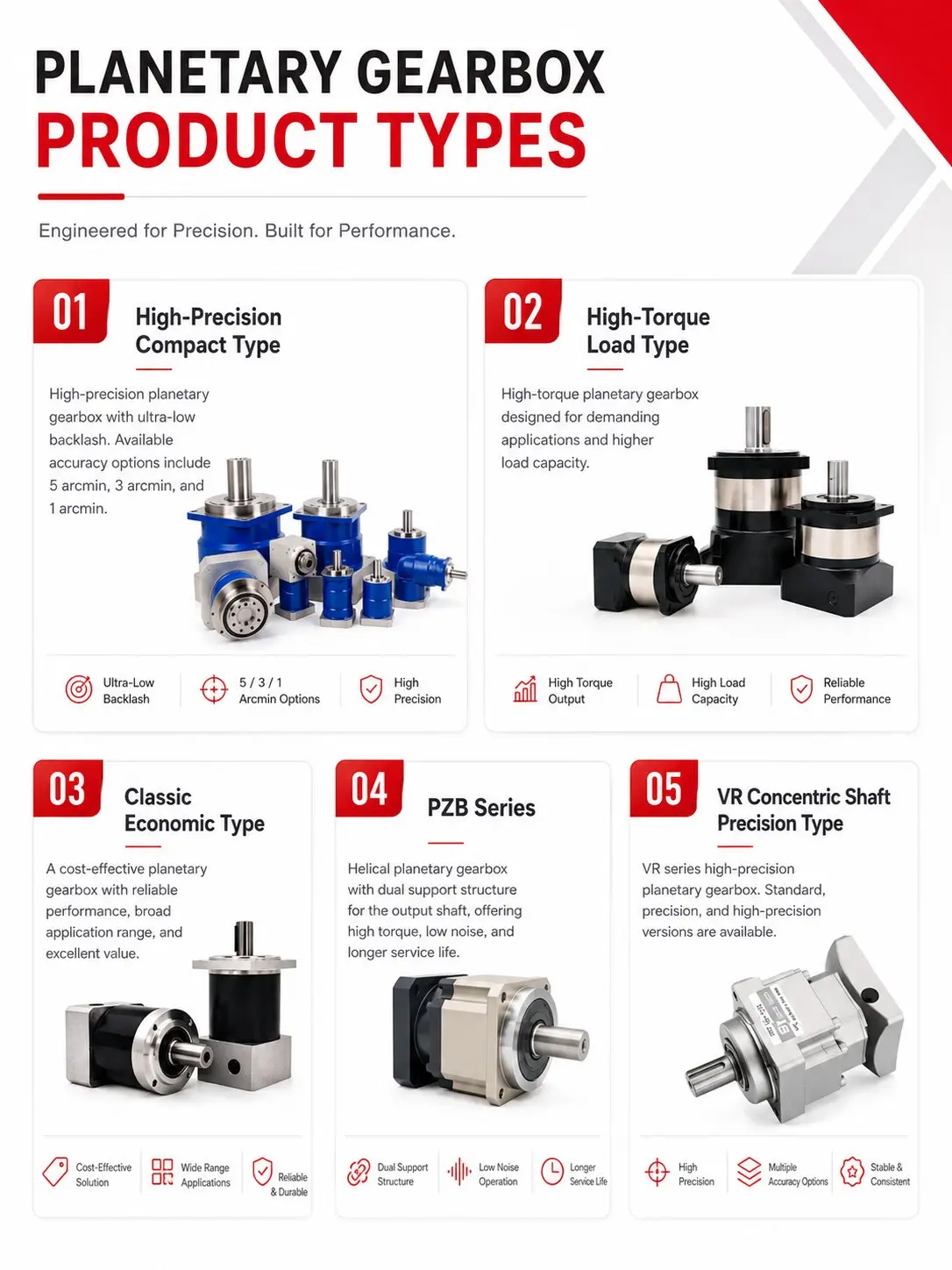
Macchina venduta e installata esclusivamente in Corea. Non è necessaria alcuna documentazione per l'esportazione. L'analisi completa dei costi (modulo 5) è a favore di Korea Ever-Power. L'assistenza tecnica in giornata in lingua coreana elimina le difficoltà linguistiche per il team di ingegneri.
La consegna in settimana da parte di Ever-Power Korea per le configurazioni standard EP-AB/AF/BPG elimina l'approvvigionamento dei riduttori come elemento critico del processo produttivo. I tempi di consegna di 3-6 settimane per l'importazione da Taiwan si traducono spesso in un elemento critico per i costruttori di macchine coreani con cicli di assemblaggio brevi.
Qualsiasi selezione non standard, come coppie di serraggio insolite, calcoli del carico radiale, considerazioni relative alla temperatura stagionale o specifiche per camere bianche, beneficia del supporto tecnico in lingua coreana disponibile in giornata. Le applicazioni che richiedono un dialogo continuo si risolvono più rapidamente con un team di ingegneri locali in lingua coreana.
La documentazione per la qualificazione IQ/OQ del settore farmaceutico e per la KFDA coreana richiede certificati in lingua coreana. Korea Ever-Power offre pacchetti completi di documentazione in lingua coreana, inclusi certificati di resistenza al gioco meccanico, dichiarazioni dei materiali e modelli IQ/OQ. La documentazione di importazione non è in coreano.
Il divario di costo totale è più evidente nei volumi medi, dove dazi, costi di cambio e costi delle scorte di sicurezza sono significativi, ma i prezzi all'ingrosso offerti dai fornitori esteri non li hanno ancora neutralizzati. In questa fascia di prezzo, gli acquisti sul mercato interno coreano, esenti da dazi, risultano particolarmente vantaggiosi.
Apex Dynamics non offre una serie di riduttori a vite senza fine di ricambio diretti. Serie a risparmio energetico EP-BPG La flangia di montaggio a vite senza fine standard IEC è un'offerta specifica di Ever-Power Korea: non esiste un equivalente diretto di Apex Dynamics per questa categoria di applicazioni.
Domande frequenti
Richiedi un confronto dimensionale e un preventivo da Korea Ever-Power
Fornisci il codice articolo Apex Dynamics e Korea Ever-Power ti invierà un disegno comparativo dimensionale, un suggerimento per un modello equivalente, un preventivo in lingua coreana e i tempi di consegna, il tutto entro la stessa giornata lavorativa e in coreano.
Redattore: Cxm