Winch Drive Series — Mining & Underground Industrial Equipment
Winch Drive Planetary Gearbox for Mine Hoisting Equipment
Mine hoisting systems carry personnel and ore through vertical shafts that may reach 3,500 metres in depth — making the winch drive gearbox on a mine hoist one of the few mechanical components on earth where a single failure has the potential for mass fatality. Every planetary gearbox supplied for man-riding hoisting service must meet statutory safety regulations, dual-independent holding brake requirements, documented design factor verification, and third-party certification from an accredited mining inspectorate — requirements that place mine hoisting gearboxes in a completely separate engineering and regulatory category from any other winch application.
Dual independent SAHR brakes
Design factor 3.0x on structural components
Mining inspectorate certification
Mine hoisting systems — including shaft-sinking winches, ore skip hoists, cage hoists, and man-riding winches — represent the highest-consequence winch application in any industry. Regulations governing mine hoisting equipment in every major mining jurisdiction (South Africa SANS 10294, Australia AS 3637, USA 30 CFR Part 57, EU Machinery Directive 2006/42/EC mine annexes, and equivalent) impose design, manufacturing, testing, and operational requirements that go substantially beyond any other lifting equipment standard. The 윈치 구동 유성 기어박스 for a man-riding mine hoist must carry a statutory design factor of 3.0 on all structural components, two independent brakes each capable of holding the full cage load independently, a documented gear tooth and shaft fatigue analysis accepted by the relevant mining inspectorate, and a maintenance record system that tracks every service intervention across the full operational life of the equipment. Korea Ever-Power supplies planetary winch drive gearboxes for mine hoisting applications to these exacting statutory and engineering standards, from compact shaft-sinking winches through main hoisting systems on deep-level gold and platinum mines.
Mine Hoisting Applications: Shaft Sinking to Production Hoisting
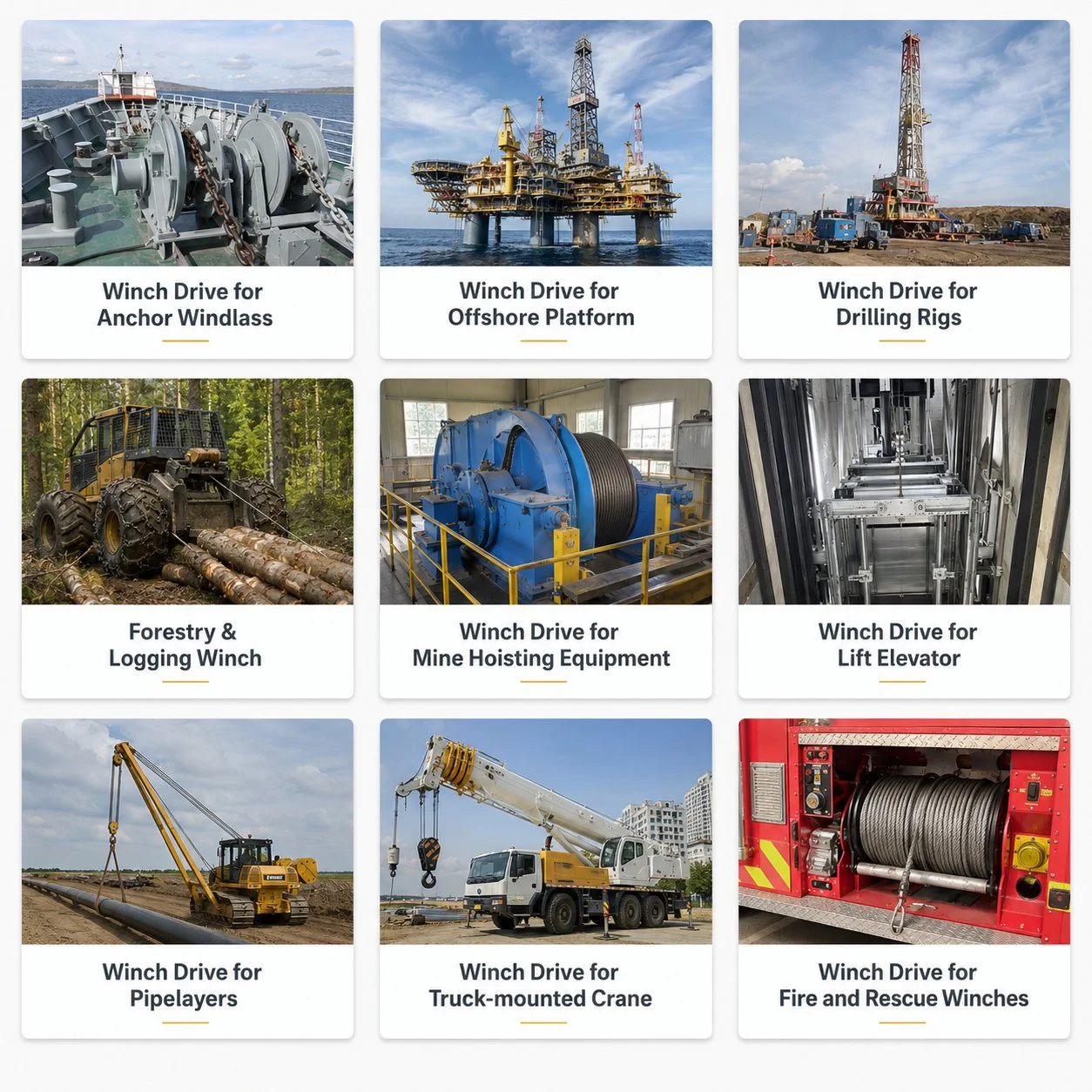
Shaft Sinking Winches (2,000–20,000 Nm): Shaft sinking is the most hazardous phase of any underground mine development — workers are suspended in a sinking kibble (bucket) or stage at the bottom of a partially-completed shaft that may be hundreds of metres deep, with the winch being the only mechanism holding them above the shaft bottom during blasting cycles. Shaft sinking winches operate in short cycles — lower crew to shaft bottom, wait during drilling and blasting, raise crew to surface, lower mucking equipment to clean the shaft bottom, raise equipment, repeat. The duty cycle is relatively low in terms of operating hours per year but the consequence of any winch failure during a man-riding cycle is catastrophic. South African mine regulations (SANS 10294) require shaft sinking man-riding winches to have a minimum design factor of 3.0 on all rope and mechanical components, two independent brakes, overspeed detection with automatic brake engagement, and an independent safety arrestor that catches the stage in the event of complete winch rope failure.
Ore Skip and Rock Hoisting Winches (5,000–50,000 Nm): Once a mine shaft is complete, the primary production hoisting system lifts ore skips — large steel containers that are loaded at the ore pass mouth at the shaft bottom and hoisted to the headframe at surface for discharge into the processing plant. A deep-level gold mine may have a single hoist raising 500,000 tonnes of ore per year through a shaft 3,000 to 3,500 metres deep. The main hoist drive is typically a large drum hoist or friction (Koepe) hoist directly driven by large AC or DC motors — equipment of a scale and specialisation beyond the Korea Ever-Power winch drive product range. However, the auxiliary hoisting systems associated with the main shaft — ore pass control winches, rock breaker positioning winches, pipe and cable lowering winches, and maintenance cage hoists — use planetary winch drive gearboxes in the 5,000 to 50,000 Nm range and must meet the same regulatory requirements as the main production hoist.
Man-Riding Cage Hoists (3,000–30,000 Nm): In producing mines, workers travel between surface and working levels in a cage — a guided personnel carrier that runs on shaft guides. The cage hoist may travel 2,000 to 3,500 metres in a single trip at speeds of 8 to 15 m/s on large deep-level mines. At a travel distance of 3,000 metres and a speed of 12 m/s, a single cage trip takes approximately 4.2 minutes. A mine operating three shifts with 500 workers per shift may run 1,000 cage trips per day during shift change periods — placing substantial fatigue cycle demands on the cage hoist drive gearbox that must be verified against the statutory design factor and documented in the equipment safety case submitted to the mining inspectorate. The man-riding classification — personnel are being conveyed in the cage — triggers the highest level of regulatory scrutiny and the most demanding design, manufacturing, and maintenance requirements.
Statutory Design Requirements: Design Factor, Dual Brake, and Overspeed

Design Factor 3.0 on Structural Components: Mining regulations across all major jurisdictions require that every structural component of a man-riding hoist — including all gear teeth, shafts, planet carriers, and housing bolts — be designed to a minimum design factor of 3.0 on the ultimate tensile strength of the material, applied to the maximum static load case. For a cage hoist gearbox, the maximum static load includes the cage weight, maximum permitted personnel load, plus any ropes and attachments, multiplied by a dynamic factor of 1.3 for the acceleration and deceleration loads at rated hoist speed. Applied to a 30,000 Nm rated gearbox, the design factor of 3.0 requires all gear and shaft components to sustain 90,000 Nm without fracture — a calculation verified by finite element analysis of each critical component and documented in the design safety case submitted to the mining inspectorate.
Dual Independent Holding Brakes: Every man-riding mine hoist is required to have two completely independent holding brake systems, each capable of bringing the fully-loaded cage to a controlled stop from maximum rated speed and holding it stationary — with no assistance from the other brake system. Korea Ever-Power satisfies this requirement through a dual-brake arrangement: Primary Brake — an integrated SAHR multi-disc brake in the gearbox housing on the input (high-speed) side of the planetary reduction, sized to hold 1.3 times the maximum cage static load at the brake drum diameter; Secondary Brake — an additional SAHR brake mounted on the low-speed output shaft of the gearbox, operating independently of the primary brake with a separate hydraulic circuit and separate spring pack. Either brake alone must hold the fully-loaded cage on the steepest shaft inclination without movement. Both brakes must be tested to this specification annually and the test results recorded in the statutory maintenance register.
Overspeed Detection and Automatic Brake Engagement: Mining regulations require automatic brake engagement if the hoist drum or cage exceeds a set percentage above rated speed — typically 110% of rated speed for the primary trip and 115% for the final trip. Korea Ever-Power mine hoist gearboxes include an overspeed sensor mounting provision on both the high-speed input shaft (for primary detection) and the low-speed output shaft (for secondary confirmation), compatible with the centrifugal overspeed switches and electronic tachometer-based overspeed systems used in modern mine winder control rooms. The overspeed sensor signal directly energises the brake release solenoid — removing hydraulic pressure and causing spring engagement of both SAHR brakes simultaneously within the response time required by the applicable mining regulation.
Korea Ever-Power Mine Hoisting Winch Drive Selection Guide
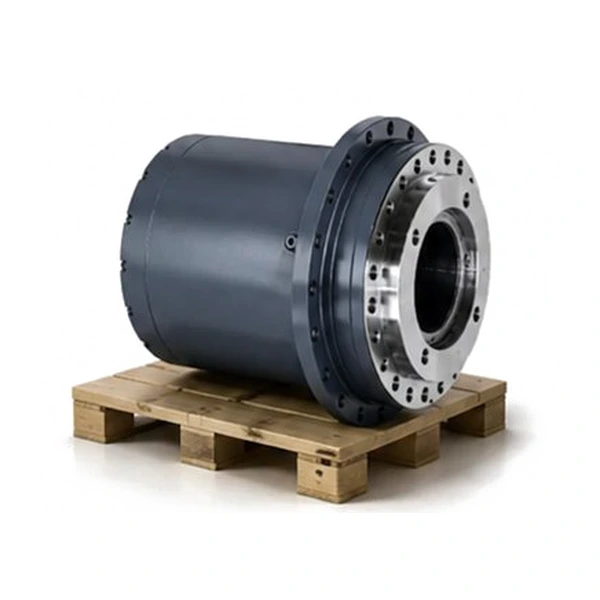
| 모델 | 출력 토크 | 단계 | 비율 범위 | Mine Application | Design Factor | Brake Config |
|---|---|---|---|---|---|---|
| 407AW | 2,000 – 10,000 Nm | 2–3 | 50 – 1,200 | Shaft sinking kibble, small cage | 3.0x | Dual SAHR |
| 414W3 | 8,000 – 22,000 Nm | 3 | 100 – 2,500 | Auxiliary cage, ore pass control | 3.0x | Dual SAHR |
| 417W3 | 15,000 – 35,000 Nm | 3 | 100 – 2,500 | Man-riding cage, skip auxiliary | 3.0x | Dual SAHR |
| 419W3 | 25,000 – 50,000 Nm | 3–4 | 200 – 5,000 | Deep-level cage, rock hoist aux | 3.0x | Dual SAHR |
Underground Mine Environment: Heat, Humidity, and Rock Dust
Statutory Documentation and Maintenance Register Requirements

Shaft Sinking Winch Specifics: Stage Control and Safety Arrestor Interface
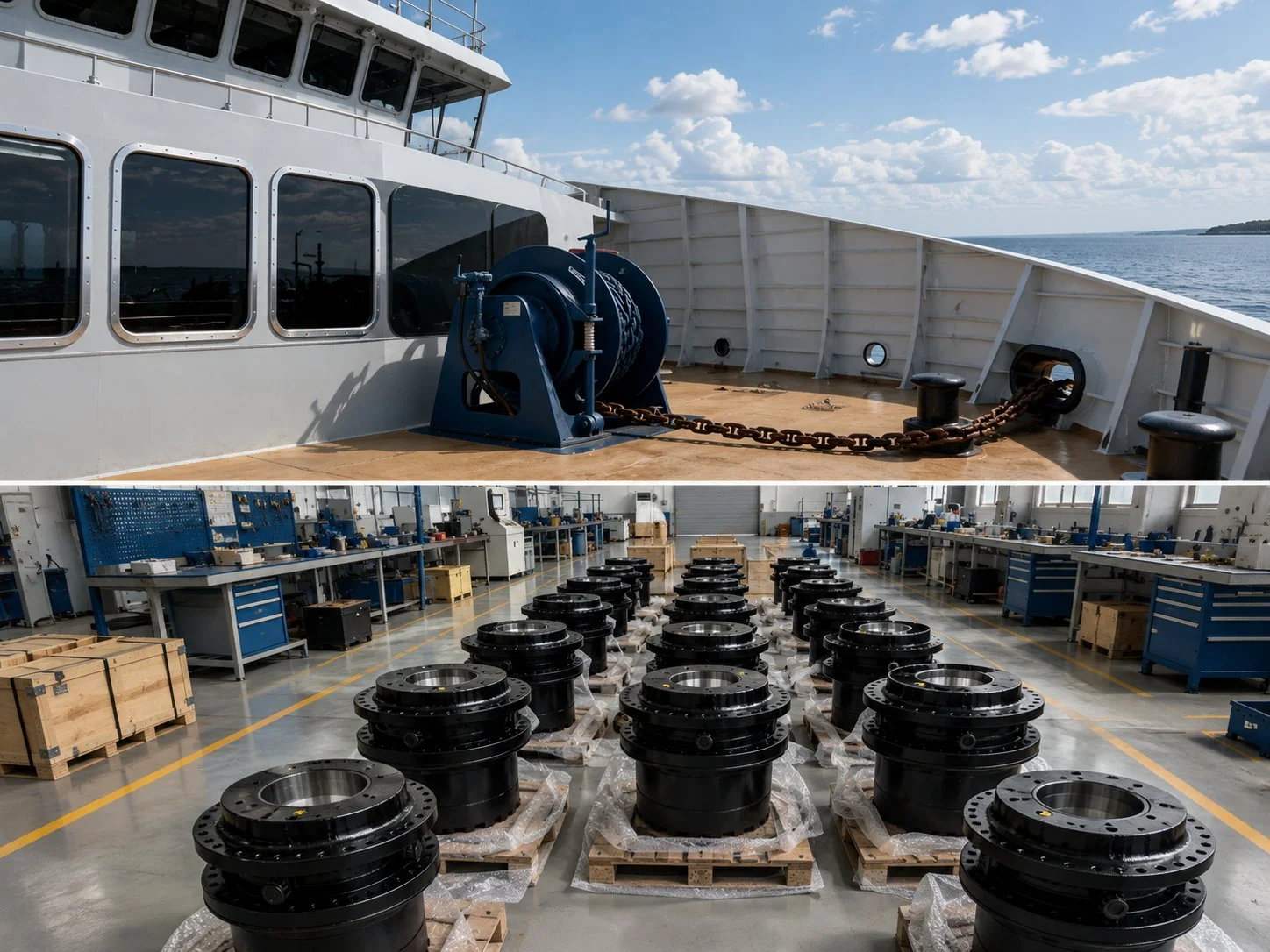
Shaft sinking is the most technically demanding and highest-risk phase of mine development. The sinking stage — the working platform suspended at the shaft bottom — carries the sinking crew of 6 to 40 people during drilling cycles and must be raised to a safe position during blasting. The stage winch must satisfy requirements that are unique to this application and not found in any other hoisting configuration:
Creep Speed Precision for Alignment: During shaft lining operations — when concrete is being placed in the permanent shaft lining form — the stage must be lowered at extremely precise creep speeds of 0.05 to 0.2 m/min to maintain the correct concrete pour rate and form alignment. At these speeds, any backlash in the winch drive gearbox causes a stick-slip phenomenon — the drum moves in jerks rather than continuously, causing concrete pour rate variation that affects the structural quality of the shaft lining. Korea Ever-Power shaft sinking gearboxes specify sub-8 arcminute backlash as standard, enabling smooth, continuous stage movement at creep speeds without the stick-slip that higher-backlash gearboxes generate at near-zero speed.
Safety Arrestor Interface: In addition to the statutory dual brake requirement, shaft sinking regulations in most jurisdictions also require an independent safety arrestor — a mechanical device that grips the shaft guide ropes or keps (catches in the shaft) in the event of complete rope failure, preventing the stage from falling to the shaft bottom. The arrestor is triggered by the sudden acceleration that follows rope failure — typically detected by an accelerometer or by a rope tension monitor. Korea Ever-Power shaft sinking winch gearboxes include a dedicated arrestor trigger interface on the control cabinet connection, enabling the arrestor release solenoid to be wired in series with the primary brake release circuit so that arrestor engagement occurs simultaneously with brake application whenever the emergency stop is triggered.
Slinging Winch for Shaft Equipment: Below the sinking stage, a separate smaller winch — the slinging winch or kibble winch — lowers and raises the mucking kibble and sinking equipment between the stage and the shaft bottom. The slinging winch operates in the most confined space at the base of the shaft, subject to blast overpressure during the blast cycle and continuous water ingress from shaft dewatering. Korea Ever-Power slinging winch gearboxes are supplied with IP67 rated sealing and blast overpressure protection — the housing is rated for 100 kPa (1 bar) external pressure pulse without seal failure, matching the maximum blast overpressure specification used in most shaft sinking blast designs.
Testing, Certification, and Mining Inspectorate Acceptance
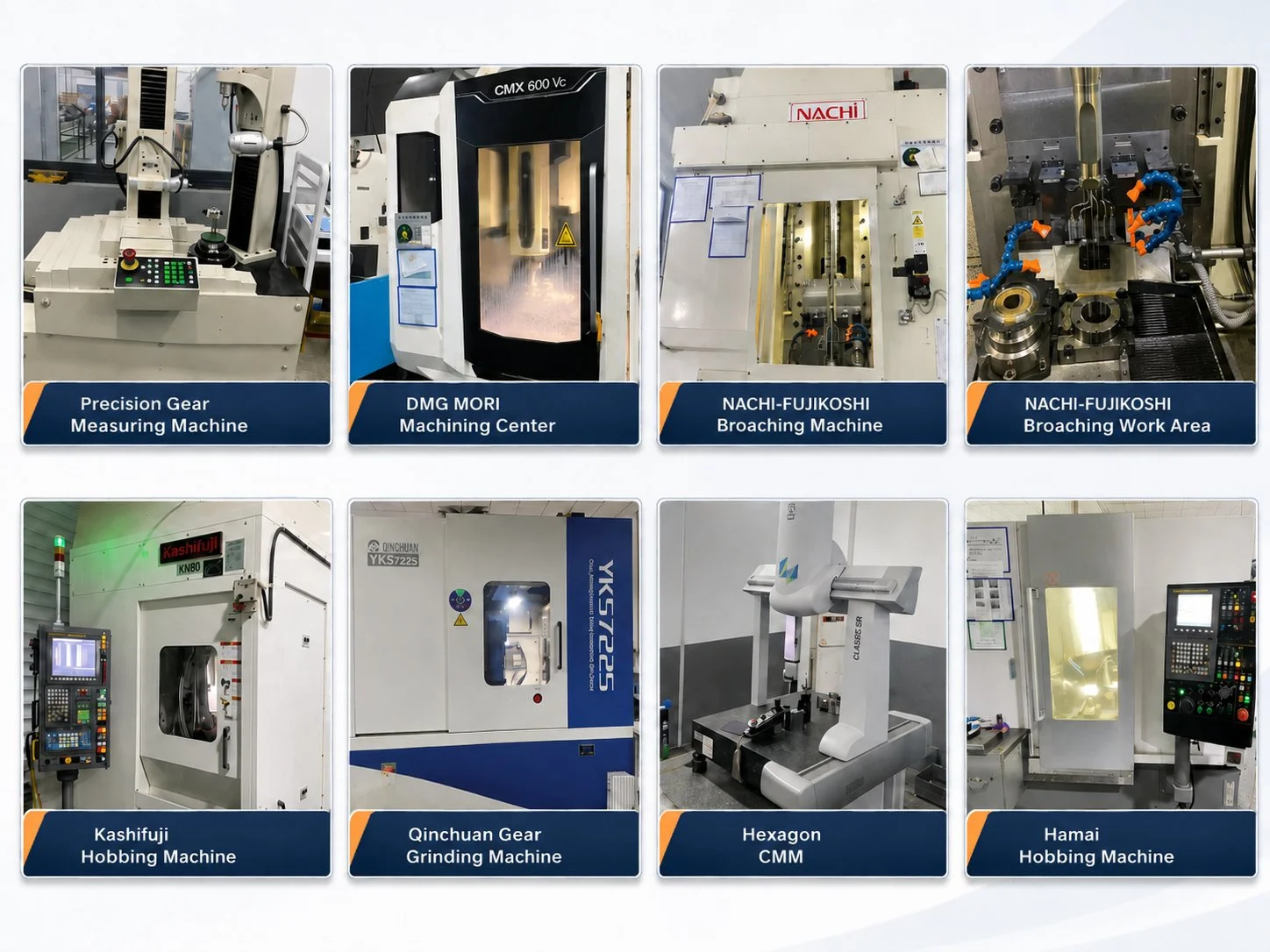
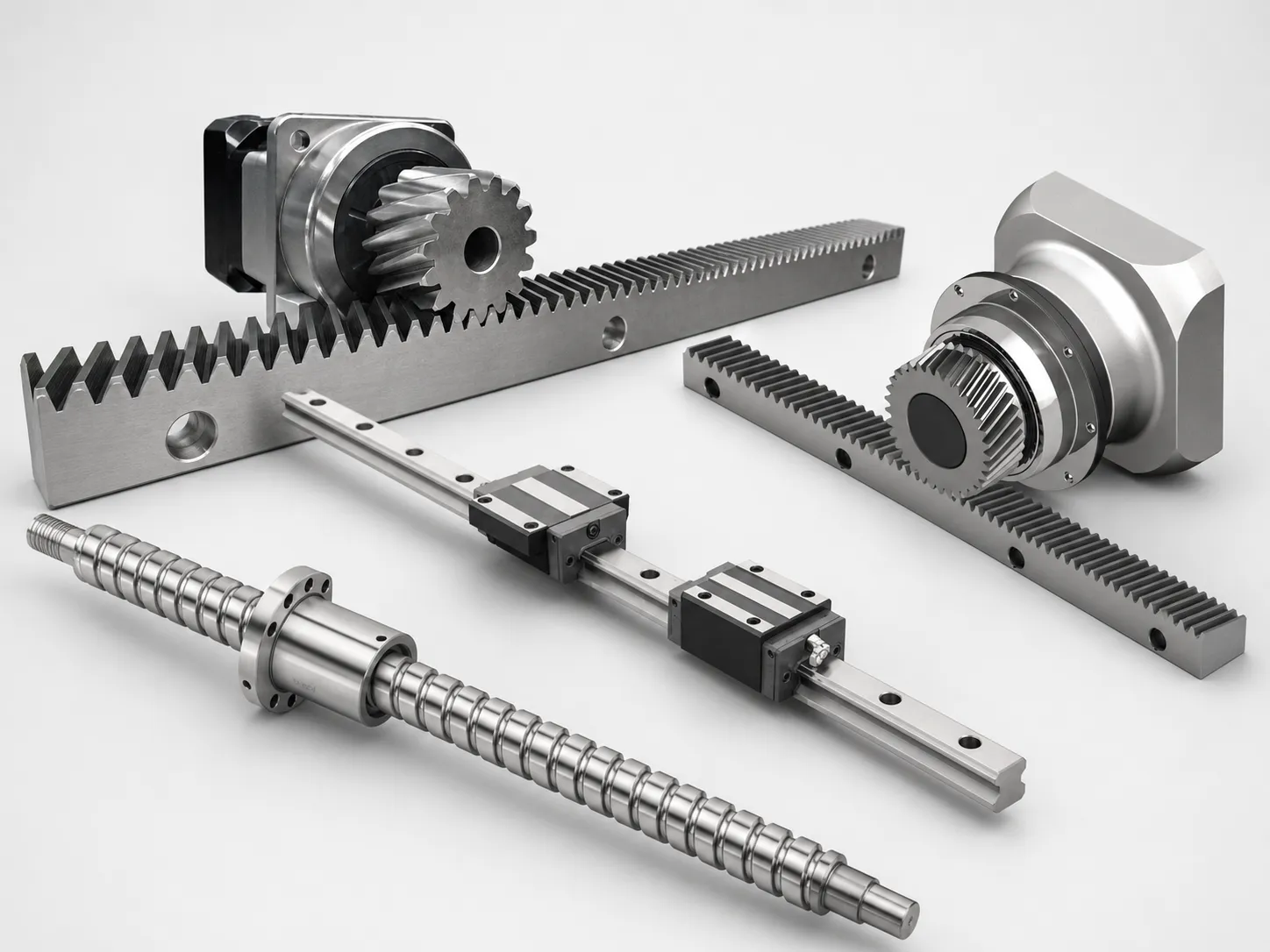
Manufacturing Standards for Mine Hoisting Safety-Critical Service
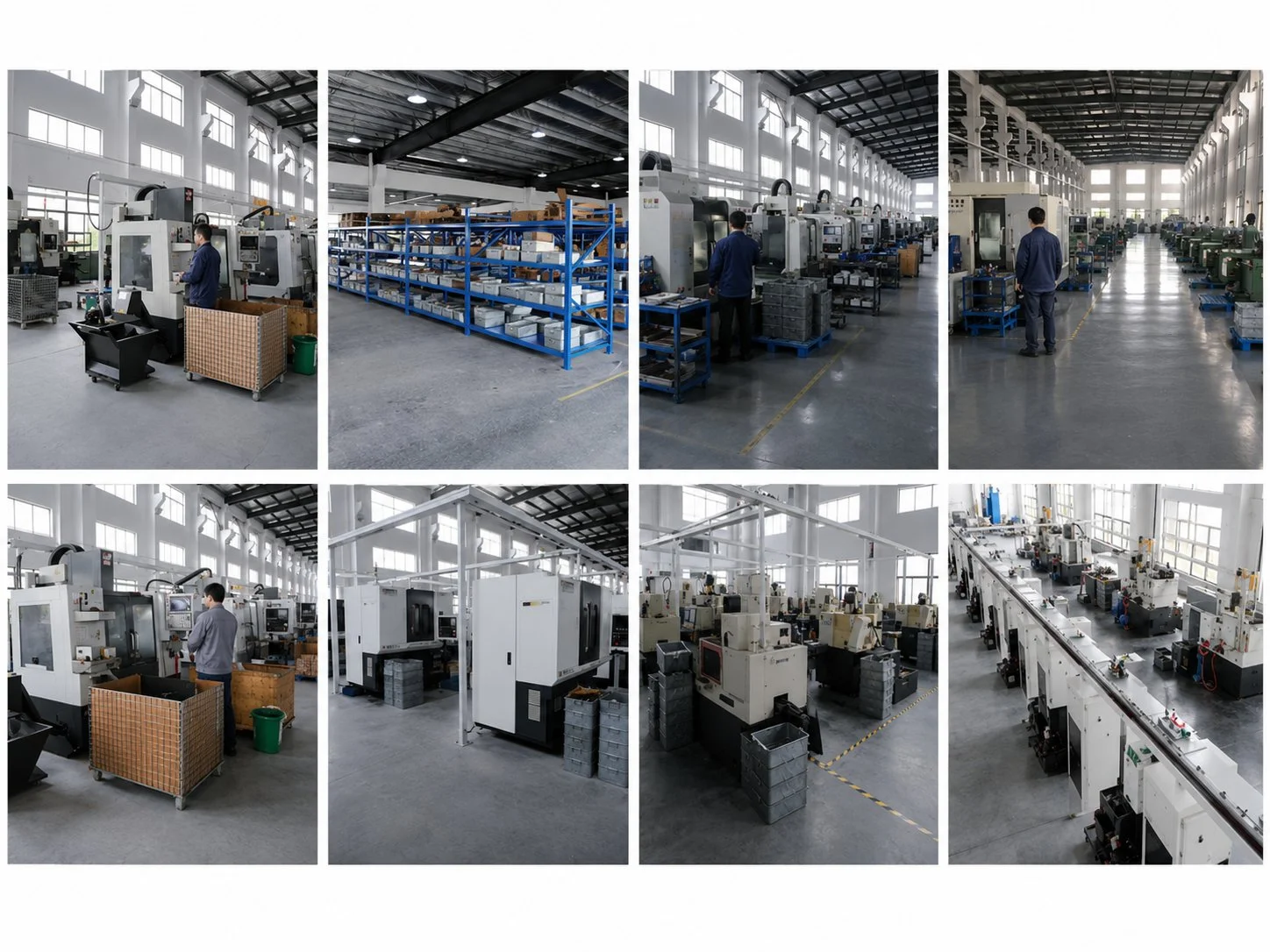
The manufacturing standard for mine hoist gearboxes exceeds the standard for any other winch application in the Korea Ever-Power product range, reflecting the statutory design factor requirements and the safety-critical man-riding classification of the application:
Gear Material Specification — 20CrNi2MoA: Mine hoist gearboxes use a higher-alloy gear steel than standard winch drive production — 20CrNi2MoA rather than the 20CrNiMo used in offshore and forestry applications. The additional nickel and molybdenum content of 20CrNi2MoA increases both the case hardenability depth and the core toughness after heat treatment, providing better resistance to brittle fracture under the shock loads that could occur during an emergency stop from maximum hoist speed. Core hardness after carburising and quenching is specified at 38 to 45 HRC — higher than the 35 to 42 HRC used in standard production — increasing the resistance to plastic deformation of the shaft and carrier under the 3.0x design factor proof load.
100% Component NDE: Standard winch drive production uses batch-sample MPI inspection of critical components. Mine hoist gearboxes require 100% NDE inspection of every structural component — every gear, shaft, planet carrier arm, and housing weld — with individual inspection records traceable to the component serial number. This requirement reflects the statutory need to demonstrate that no defective component can reach the mine hoist installation undetected.
Gear Accuracy to DIN 4: Mine hoist gearboxes are ground to DIN 4 gear accuracy — one grade above the DIN 5 used for OCV and warehouse applications. DIN 4 accuracy requires tighter profile error (below 4 microns) and pitch error (below 4 microns) tolerances that further reduce the gear mesh force ripple, contributing to smoother operation at the creep speeds used for shaft lining operations and reducing the cyclic tooth root bending stress amplitude that accumulates fatigue damage over the design life cycle count.
Critical Failure Modes in Mine Hoisting Gearboxes and Prevention
| 고장 모드 | 근본 원인 | Detection | Prevention |
|---|---|---|---|
| Brake system failure — secondary brake | Secondary brake hydraulic circuit isolation valve corroded shut — secondary brake cannot release for hoist travel | Secondary brake independent hold test failure at six-month inspection; brake drag during hoist travel | Six-monthly independent brake test as statutory requirement; stainless steel valves and fittings in both brake hydraulic circuits |
| Shaft corrosion fatigue — condensation | 100% humidity condensation forming water film on shaft surface at key transition — fretting corrosion generating fatigue stress concentration above design allowable | Shaft fatigue crack detected at annual MPI inspection before propagation to failure | Annual MPI of output shaft at key and shoulder transitions; stainless steel key material; shaft coating at condensation-prone locations |
| Overspeed sensor failure | Rock dust contamination of speed sensor target or sensor face — false overspeed trips or failure to trip at actual overspeed | Nuisance overspeed trips during normal operation; failure of overspeed function test at monthly test | Monthly overspeed function test as statutory requirement; sealed IP67 sensor mounting with compressed air purge provision |
| Planet carrier arm fatigue | Cyclic bending fatigue accumulated at planet pin bore radius — insufficient design factor applied at this stress concentration under the actual fatigue cycle count | Crack at carrier arm root detected at annual MPI inspection; gear noise increase if carrier deflects before detection | Annual carrier MPI as statutory maintenance requirement; verify carrier FEA at pin bore radius is within 3.0x design factor at the actual cycle count |
| Maintenance register gap | Failure to record a component replacement or test in the statutory maintenance register — regulatory non-compliance discovered at inspectorate audit | Inspectorate audit finding; potential suspension of hoist operating certificate | Use Korea Ever-Power supplied digital maintenance record template; record every intervention within 24 hours in the statutory register with technician signature |
Why Mine Operators and Shaft Engineers Choose Korea Ever-Power
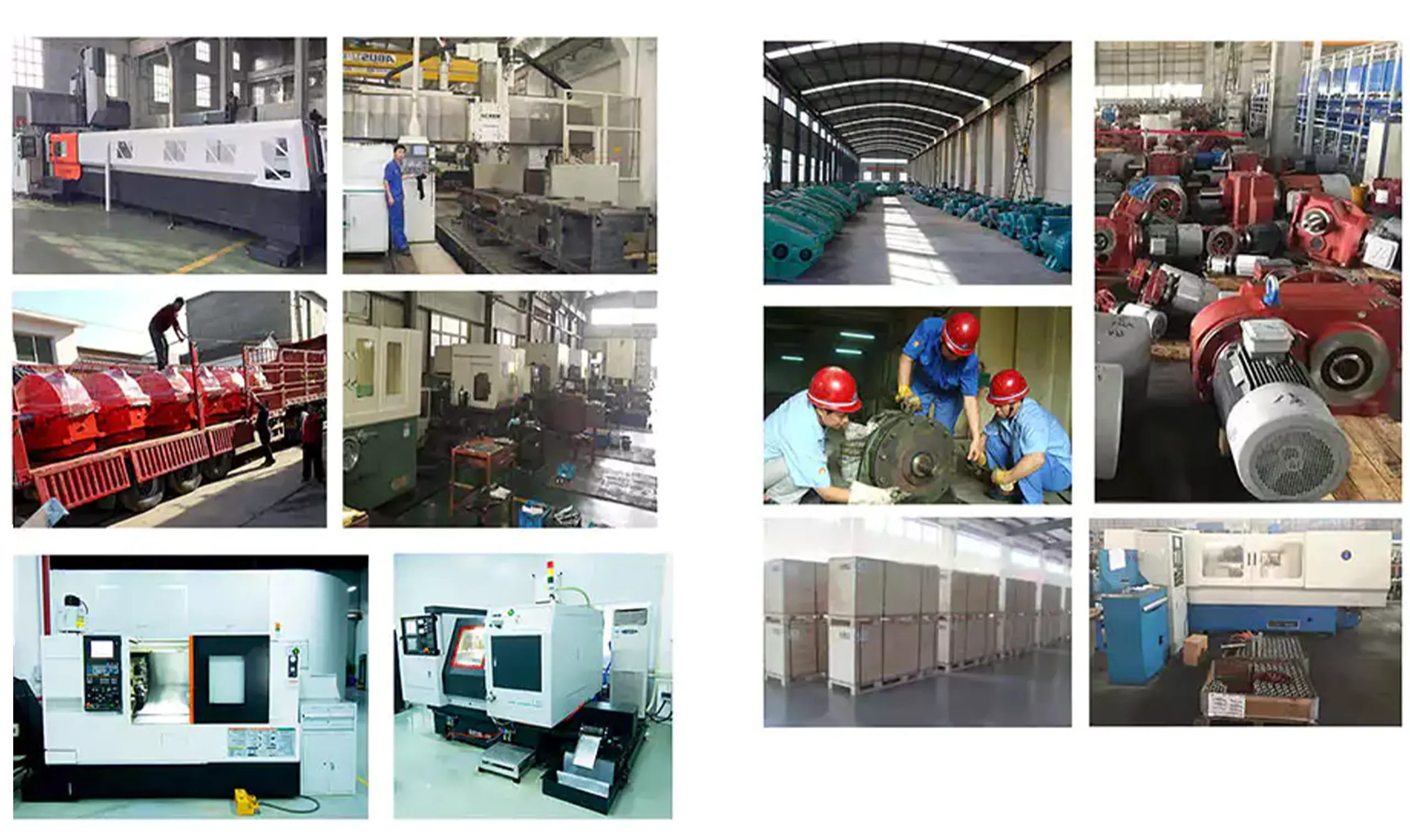
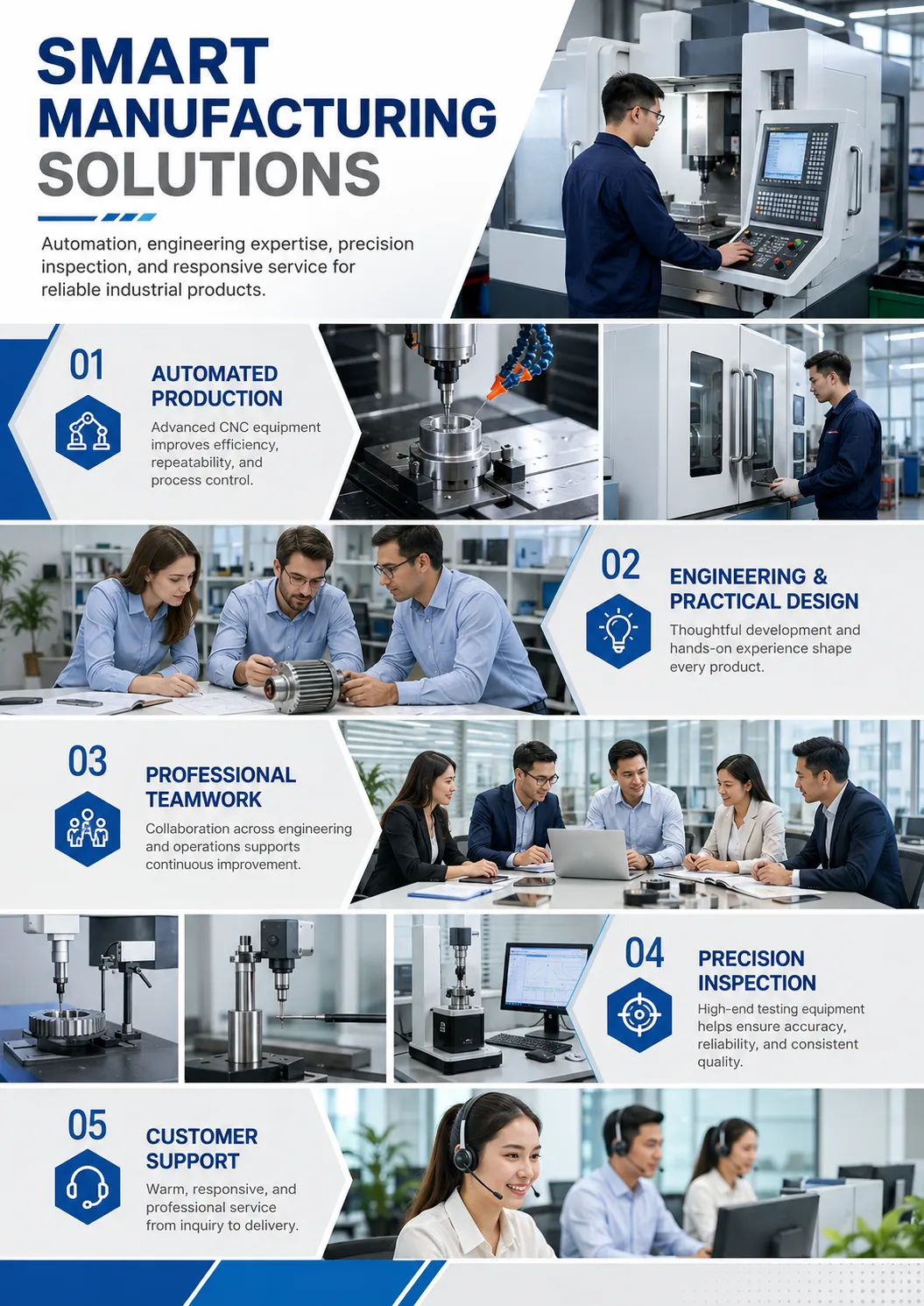
Source Your Mine Hoist Winch Drive Planetary Gearbox
Whether you are specifying winch drives for a new shaft sinking project, commissioning a replacement cage hoist for a producing mine, or upgrading existing auxiliary hoisting equipment to current statutory standards — Korea Ever-Power delivers design-factor-verified, dual-brake, mining-inspectorate-accepted planetary winch drive gearboxes with the documentation package that the statutory certification process requires. Send us your applicable mining regulation, cage payload, shaft depth, and duty cycle for a free design safety case outline, FEA summary, and gearbox specification proposal within 48 hours.
Edit by Cxm