ZR75 Winch Drive Planetary Gearbox — Right-Angle
40-60 t SWEET SPOT
ZR75 — 70,000 Nm
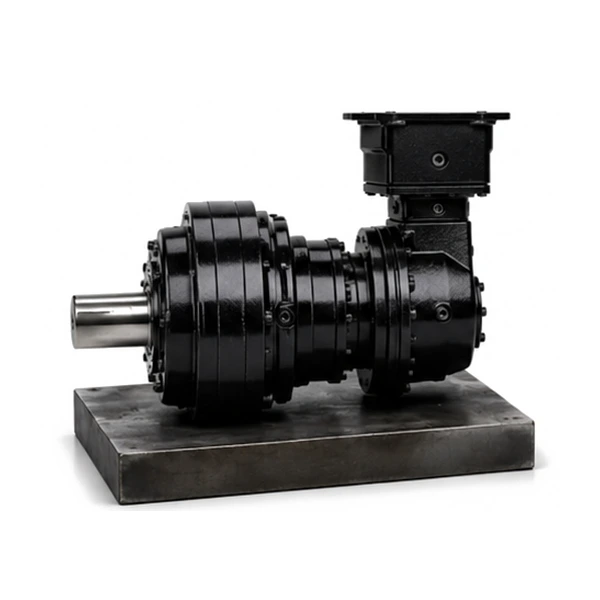
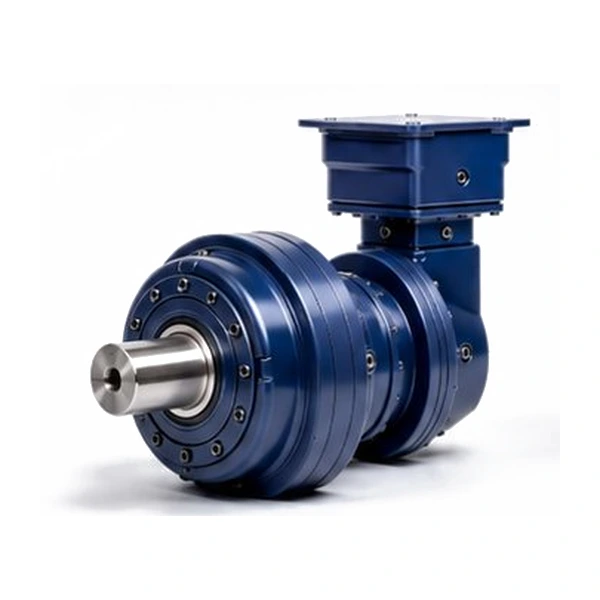
The right-angle twin of the most-specified ZL model. Same 70,000 Nm continuous, same 175,000 Nm peak, different motor axis — for every 40-60 t winch drive installation where the coaxial geometry hits a wall.
DIN 5-6
IP67+
Peak 2.5x
The ZR75 is the second model in the ZR right-angle winch drive series and the one that serves the largest crane market segment: 40-60 tonne SWL. At 70,000 Nm continuous and 175,000 Nm peak — identical to the ZL75 coaxial — the ZR75 covers the same crane SWL range but with the motor mounted perpendicular to the drum axis. The input speed drops from the ZR55 3,300 rpm to 3,100 rpm because the larger bevel gears in the ZR75 produce higher tooth peripheral velocities at the same shaft speed — requiring the speed ceiling to decrease as the torque (and bevel gear diameter) increases.
ZR75 Right-Angle Winch Drive Planetary Gearbox — Technical Parameters
| Continuous torque (N2xh=100,000) | 70,000 Nm |
| Peak torque | 175,000 Nm (2.5x continuous) |
| Input configuration | Right-angle (90 deg helical bevel + planetary) |
| Maximum input speed | 3,100 rpm |
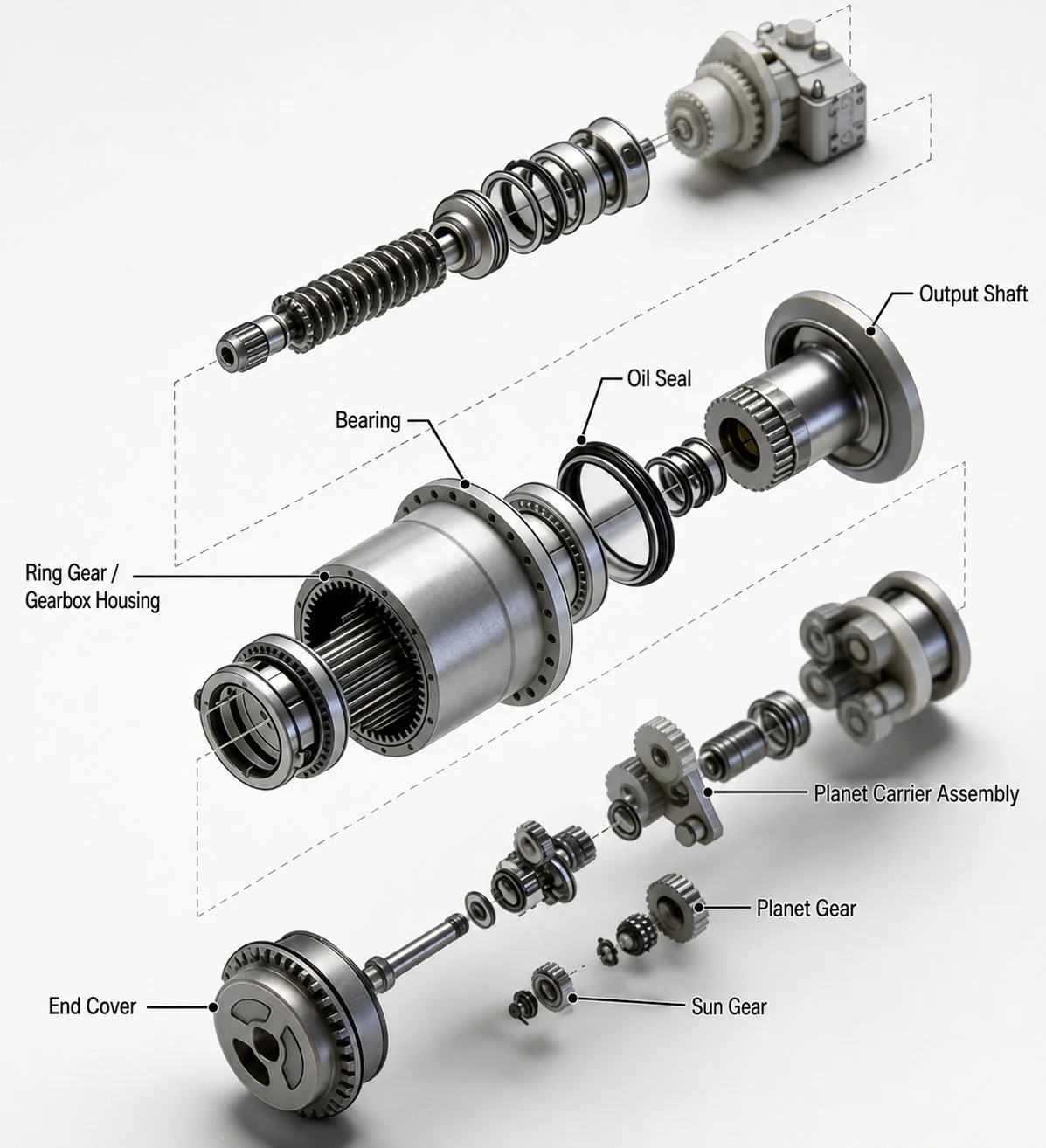
| Available stages | 2-5 (1 bevel + 1-4 planetary) |
| Thermal power (Pt) | 24 - 86 kW |
| Gear type | Helical bevel + helical planetary, DIN 5-6 |
| Integrated brake | None (motor brake or external brake) |
| Sealing / Housing | IP67+ FKM / QT600-3 |
| Gear material | 20CrMnTi, HRC 58-62 |
3,100 RPM — Why the Right-Angle Input Speed Decreases as the ZR Series Gets Larger
The ZR55 accepts 3,300 rpm. The ZR75 accepts 3,100 rpm. This 200 rpm reduction is not arbitrary — it follows a physical constraint that defines the entire ZR series.
| ZR Model | Torque (Nm) | 최대 RPM | Min Stages | Trend |
|---|---|---|---|---|
| ZR55 | 55,000 | 3,300 | 2 | ██████ |
| ZR75 | 70,000 | 3,100 | 2 | █████ |
| ZR85-ZR95 | 88-115k | 3,100 | 2 | █████ |
| ZR120-ZR150 | 133-160k | 3,000 | 3 | ████ |
| ZR200 | 175,000 | 3,000 | 4 | ████ |
As torque increases, the bevel gears grow in diameter to carry the higher load. Larger diameter at the same RPM means higher tooth peripheral velocity — eventually reaching the lubrication film limit. The ZR series manages this by reducing the RPM ceiling (3,300→3,100→3,000) AND by increasing the minimum stage count (2→3→4) at the largest models. The ZR75 at 3,100 rpm matches standard 4-pole industrial motors at both 50 Hz (3,000 rpm) and 60 Hz (3,600 rpm, derated to 3,100) — the most common motor speeds in the global industrial market.
The Right-Angle Retrofit — ZR75 for 40-60 t Crane Conversions in Constrained Spaces
The 40-60 tonne SWL crane class is where the highest volume of hydraulic-to-electric conversions is happening today. And the majority of those cranes were designed with the hydraulic motor mounted coaxially inside the drum — which means the existing machinery room layout has been optimised for a coaxial geometry that may not suit an electric motor.
A hydraulic motor at 160 cc/rev is approximately 200 mm in diameter and 300 mm long — it sits inside the drum cavity behind the gearbox. An electric motor at 400 kW is approximately 500 mm in diameter and 700 mm long — it projects far beyond the drum cavity into the machinery room. If the machinery room has 400-600 mm of free space behind the drum (common on offshore platform cranes and harbour cranes built in the 1990s-2010s), the electric motor does not fit coaxially. The ZR75 redirects the motor perpendicular — fitting a 700 mm long motor into the 1,200-2,000 mm of lateral space that most machinery rooms provide beside the drum.
By avoiding structural modification to the machinery room: typically USD 50,000-200,000 in steel work, welding, NDT, and re-certification — depending on whether the structure is a vessel (class survey required), an offshore platform (structural modification permit required), or a harbour crane (less costly but still significant). The ZR75 pays for itself in structural modification avoidance before the first lift is made.
Step 1: Measure the axial depth behind the drum. Step 2: If the electric motor fits coaxially, specify ZL75. Step 3: If it does not, specify ZR75. Both deliver 70,000 Nm / 175,000 Nm. Both use the same DIN 5-6 helical planetary stages. The only difference is the input geometry and the 500 rpm lower input speed (3,100 vs 4,000 for ZL75). Contact 한국 에버파워 with your machinery room dimensions for a geometry recommendation.
70,000 Nm Right-Angle — The Conversion Enabler for the Largest Crane Retrofit Market

Offshore Platform Crane Conversions (40-60 t)
Mid-life hydraulic-to-electric conversions on offshore platform cranes where the existing deck layout, structural penetrations, and machinery room geometry are fixed. The ZR75 is the model that makes these conversions physically possible without structural redesign — delivering the same 70,000 Nm torque and 175,000 Nm peak as the coaxial ZL75 through a geometry that fits the existing space. The slewing drive conversion follows on the same platform.
Large Marine Deck Winches
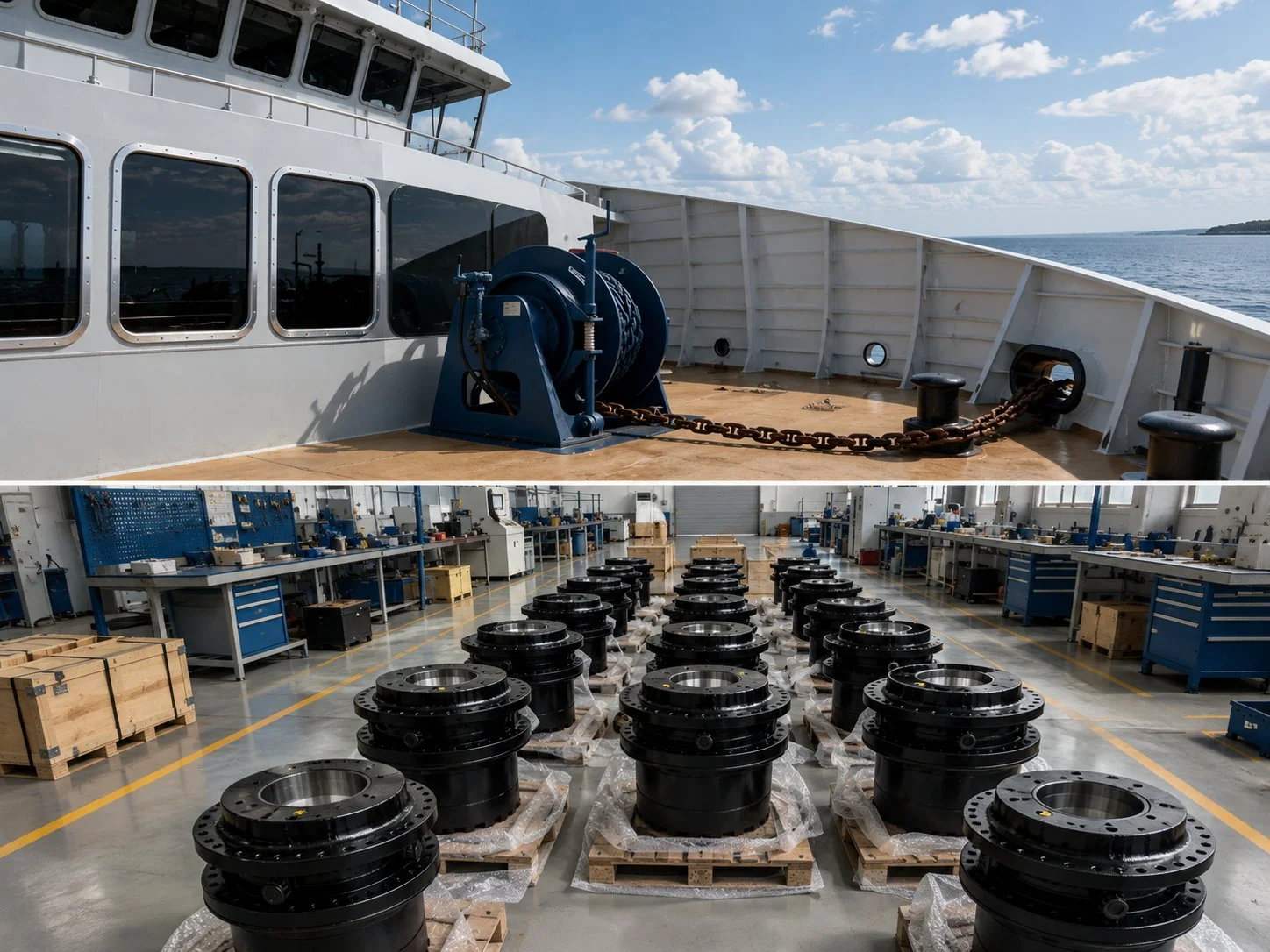
Anchor handling, towing, and mooring winches on vessels where the drum axis runs athwartship and the motor must mount fore-and-aft. The ZR75 at 70,000 Nm provides the main deck winch torque for vessels in the 5,000-15,000 DWT range — cargo ships, offshore support vessels, and multi-purpose vessels. The 3,100 rpm input matches the 4-pole AC motors that vessel electrical systems standardise on. The IP67+ sealing survives the deck-mounted marine environment.
Heavy Industrial Hoists in Existing Buildings
Overhead crane hoist replacements in steelworks, power stations, and heavy manufacturing plants where the crane bridge beam limits the axial depth above the drum. The ZR75 mounts the motor horizontally alongside the drum, keeping the total height within the existing crane bridge clearance. For industrial modernisation programmes where the building structure cannot be modified, the ZR right-angle geometry is often the only way to upgrade the hoist drive to electric without raising the roof.
The ZR Right-Angle and ZL Coaxial Families
Right-Angle Winch Drive Planetary Gearbox — ZR75 Retrofit FAQ
Field Reports
50 t offshore platform crane, hydraulic-to-electric conversion. The machinery room survey showed 520 mm of free space behind the drum — enough for the hydraulic motor but not for a 400 kW electric motor (680 mm deep). The ZL75 was our first specification; the ZR75 was the rescue. Motor mounted horizontally to starboard of the drum, right-angle input turning the torque into the drum. Zero structural modification. The conversion cost came in 22% under budget because we avoided the deck extension that the ZL75 would have required. After 11 months of operation: same hoisting performance as the ZL75 installations on our newer platforms, 21% regen recovery (versus 23% on the ZL75 — the 2% difference is the bevel mesh loss, exactly as predicted). We are now surveying 6 additional platform cranes for ZR75 conversion.
60 t shipyard gantry crane, ZR75 at ratio 140, 3-stage, 350 kW AC motor mounted vertically below the drum on the gantry trolley. The crane bridge beam is 800 mm deep — no room for a coaxial motor above the drum. The ZR75 vertical motor mounting keeps the total hoist assembly height to 650 mm, fitting within the bridge clearance with 150 mm to spare. The crane positioned a 55-tonne engine block to within 4 mm of the foundation bolts on the first approach — the DIN 5-6 accuracy and the 175,000 Nm peak absorbed the block engagement shock without any perceptible hesitation in the hoist speed. The shipyard has ordered 3 additional ZR75 units for the remaining gantry cranes.
40 t harbour portal crane, ZR75 at ratio 80, 2-stage, 400 kW AC motor. The crane operates 200 metres from a residential area — noise was the primary specification driver. The ZR75 helical gear noise at 64 dB(A) at the operator station is a substantial improvement over the previous hydraulic system at 76 dB(A). The right-angle mounting was necessary because the portal crane machinery house has a steel access stairway 450 mm behind the drum position. The 4-star is a maintenance access observation: the bevel housing on the ZR75 projects laterally from the drum housing, and the oil drain plug for the bevel section is positioned facing the stairway — requiring the crane maintenance team to reach across the stairway handrail to access the drain. Rotating the bevel housing 90 degrees during installation would have positioned the drain plug on the accessible side. For future ZR installations, a commissioning note recommending that the maintenance team verify oil drain accessibility before final bolting would prevent this recurring issue.
추가 정보
| 편집자 | Cxm |
|---|
관련 상품
-
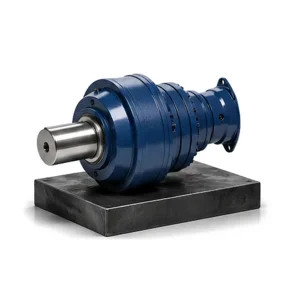
ZL45 Winch Drive Planetary Gearbox — 1-4 Stage
-

415W3 윈치 구동 유성 기어박스 감속기
-
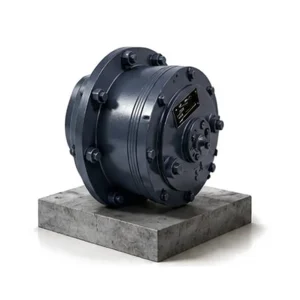
410W3 Winch Drive Planetary Gearbox Reducer
-
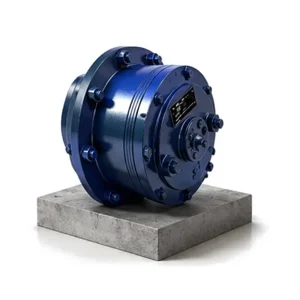
407W3 Winch Drive Planetary Gearbox Reducer
-
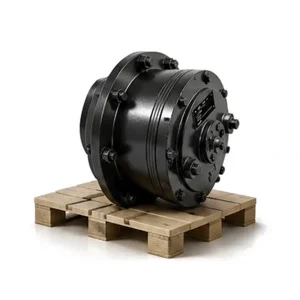
407AW Winch Drive Planetary Gearbox Reducer
-

406BW3 Winch Drive Planetary Gearbox Reducer
-
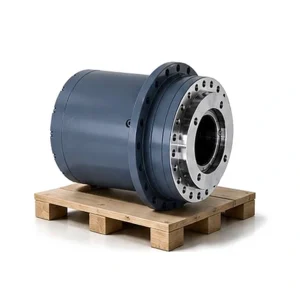
406W Winch Drive Planetary Gearbox Reducer
-

401W1 Winch Drive Planetary Gearbox Reducer — Single-Stage