607L2, L3 Planetary Wheel Drive Gearbox Reducer
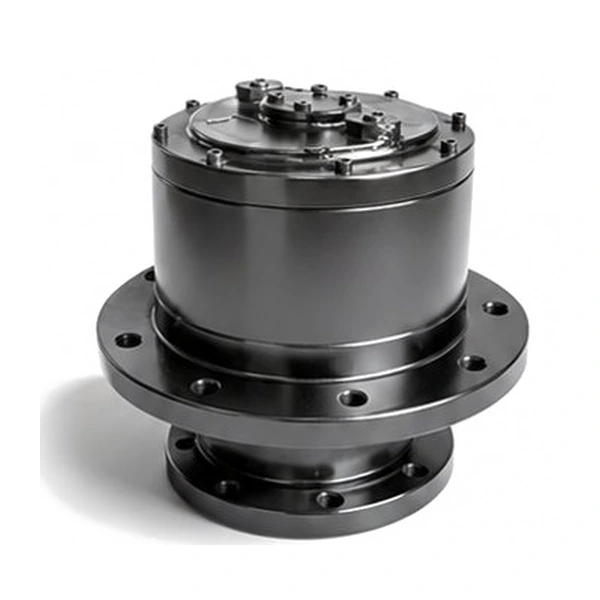
17,000 Nm
Three ratios for three different machines.
Most planetary wheel drive gearbox models cluster their ratios within a narrow band — four or five options separated by 20-40% so the engineer can fine-tune ground speed for a single machine type. The EP-607 takes the opposite approach. Its three ratios (33, 75, 108) span a 3.3:1 range with deliberate gaps between them, because the machines that need 17,000 Nm of wheel torque are not variations of the same platform. They are fundamentally different vehicles that happen to share a torque requirement.
A wheeled excavator needs speed. A mining hauler needs traction. A modular transporter needs precision creep. The 607 puts each of those needs at a dedicated ratio point rather than compromising between them with intermediate values that serve none of them optimally. Available in both L2 (two-stage) and L3 (three-stage) configurations, with integral parking brakes from 300 to 600 Nm and manual declutch for emergency towing.

607L2 / L3 Planetary Wheel Drive — Technical Parameters
| Output torque (rated max) | 17,000 Nm |
| نسب التروس | 33 | 75 | 108 |
| Configuration options | L2 (2-stage): ratio 33 · L3 (3-stage): ratios 33, 75, 108 |
| Maximum input speed | 3000 دورة في الدقيقة |
| Mechanical efficiency | ≥ 94% |
| Parking brake | 300 - 600 Nm, spring-applied, hydraulic release |
| Emergency towing | Manual declutch (free-wheel disconnect) |
| Wheel mounting | Rotating flange, SAE/ISO bolt circle |
| الوزن الجاف | Approx. 185 kg (varies by L2/L3 and brake option) |
| تشحيم | Oil bath splash, API GL-5 EP gear oil |
| درجة حرارة التشغيل | -25 to +85 deg C (Viton seals available) |
| Gear material | Carburised alloy steel, CNC ground, HRC 58-62 |
One Wheel Drive Gearbox Family, Three Completely Different Machines
Each ratio point on the 607 exists for a specific vehicle class with a specific speed and traction profile. The table below maps each ratio to its engineering use case at a reference tyre radius of 650 mm and motor input of 2,500 rpm.
The Road Machine — 18-25 Tonne Wheeled Excavators
Output speed 75.8 rpm = 18.5 km/h. Wheeled excavators that must road between job sites at 15-20 km/h and need the full 17,000 Nm for slewing into hard material during digging. The low ratio allows the use of a standard 80-100 cc/rev variable-displacement motor at moderate pressure. Available in both L2 (shorter, lighter) and L3 configuration — L2 preferred at this ratio due to higher efficiency.
The Hauler — 25-35 Tonne Mining Dump Trucks
Output speed 33.3 rpm = 8.1 km/h. Mining rigid-frame or articulated dump trucks that climb 15-25% loaded haul roads at sustained full torque for hours at a time. The high ratio allows the motor to operate at high speed and low torque — reducing motor size, cost, and case drain losses. The L3 configuration is the only option at this ratio.
The Creeper — 100+ Tonne Self-Propelled Modular Transporters
Output speed 23.1 rpm = 5.7 km/h. SPMTs and heavy-lift platform vehicles that carry bridge girders, transformer units, and offshore modules at walking pace. Every wheel is independently driven, often 16-32 units in a single trailer. The 108:1 ratio provides sub-1 km/h creep speed at low motor rpm for millimetre-precision positioning under loads where overshoot is not acceptable.
Creep Speed Engineering — What Happens Below 2 km/h
At ratio 108, the 607L3 operates in a speed regime where conventional wheel drive engineering assumptions break down. Below 2 km/h, the requirements shift from traction and efficiency to position accuracy and speed stability — parameters that are rarely discussed in gearbox specifications but dominate the engineering challenge of heavy transport operations.
Speed Stability at 0.3 km/h
At 0.3 km/h with a 650 mm tyre, the gearbox output turns at 1.2 rpm — one revolution every 50 seconds. At this speed, any irregularity in hydraulic flow (pump pulsation, relief valve chatter, thermal expansion) translates directly to jerk at the wheel. The 108:1 ratio acts as a mechanical low-pass filter: a 5% flow oscillation at the motor produces only a 0.046% speed oscillation at the wheel, because the high inertia of the planetary gear train damps high-frequency disturbances before they reach the output.
Position Resolution
Each full revolution of the motor shaft moves the wheel 2 x 3.14 x 0.65 / 108 = 37.8 mm on the ground. A motor capable of 0.5-degree positioning accuracy delivers ground-level position resolution of approximately 0.05 mm per motor step. This is the precision that allows an SPMT to position a 300-tonne bridge girder onto bearing pads with tolerances measured in single-digit millimetres — using wheel drives as the final positioning actuator.
Thermal Behaviour at Creep
At very low output speeds, the gearbox generates almost no internal heat because the power throughput is minimal (17,000 Nm at 1 rpm = 1.78 kW). The housing acts as a heat sink rather than a heat source, absorbing and dissipating the small amount of mesh friction without any oil temperature rise. This means the thermal power limit of the gearbox is never the constraining factor in creep-speed applications — the constraint is always the hydraulic system upstream.
Lubrication at Near-Zero Speed
Oil-bath splash lubrication relies on gear rotation to distribute oil to the bearings. Below 2 rpm output speed, the splash action is minimal. The 607L3 addresses this with bearing pre-grease pockets and oil channel geometry that ensures the upper bearing surfaces remain wetted even at sustained near-zero rotation. For applications requiring extended periods (hours) at sub-0.5 km/h, specify the Viton-sealed variant, which includes additional internal oil routing passages that maintain bearing lubrication down to output speeds approaching zero.
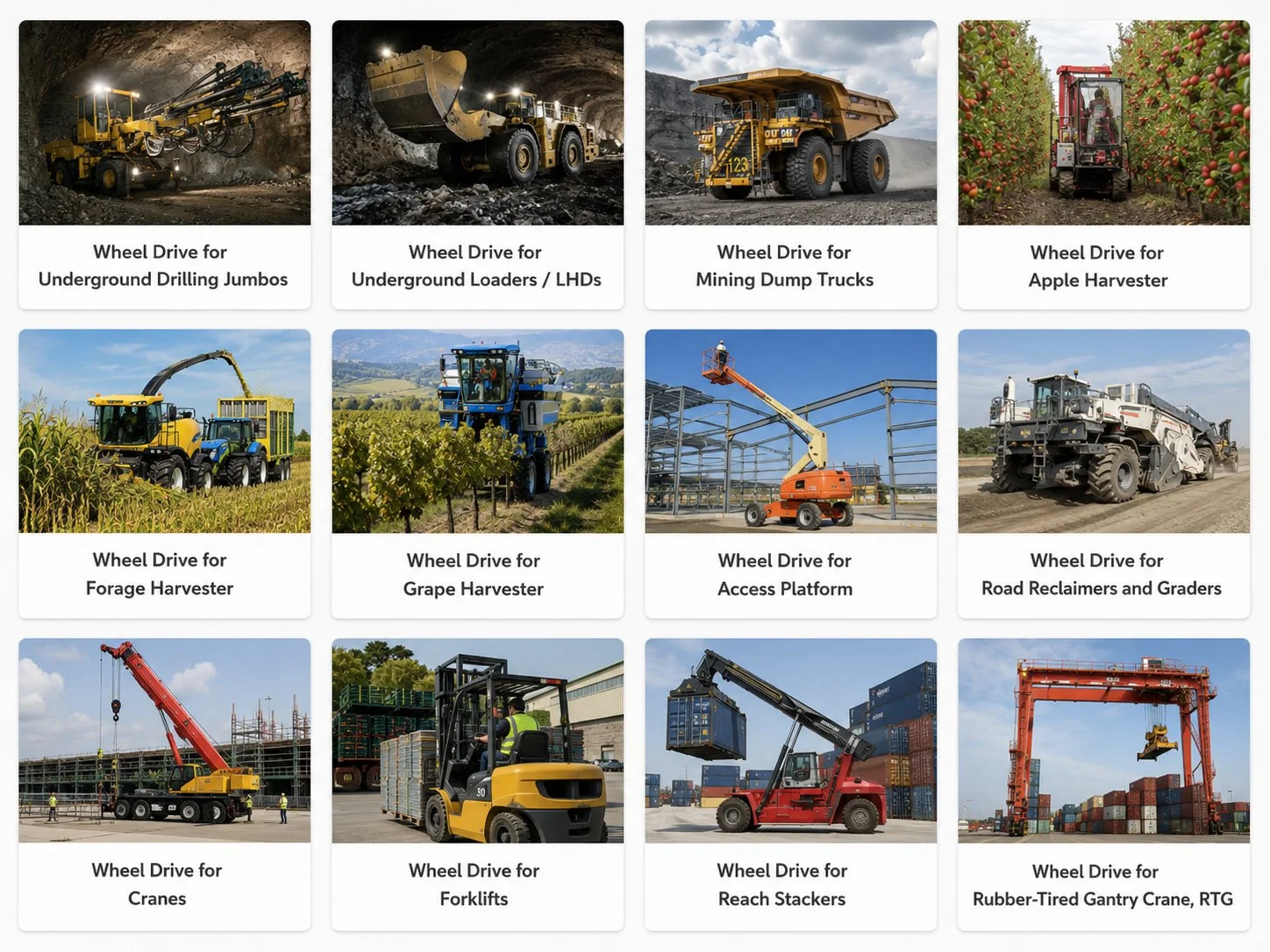
Heavy-Duty Wheel Drive at 17,000 Nm — The Machines That Need It
Large Wheeled Excavators (18-25 t)
Production wheeled excavators with operating weights of 18-25 tonnes need both highway-speed travel (15-20 km/h for inter-site mobility) and the full 17,000 Nm for simultaneous travel and upper-structure slewing during material loading. The 607L2 at ratio 33 provides the speed, and the L2 two-stage configuration maximises efficiency at this demanding continuous duty point.
Rigid and Articulated Mining Haulers
Mining dump trucks in the 25-35 tonne payload class ascending 20-25% loaded haul roads for 8-10 hours per shift. The 607L3 at ratio 75 provides sustained hill-climb traction at 6-8 km/h, which is the productive speed envelope for most single-bench quarry and open-pit mining haul cycles. The 600 Nm brake option holds the loaded truck on the steepest section of the haul road with the engine shut down for shift changeover.
SPMTs and Heavy-Lift Transport
Self-propelled modular transporters carrying 100-500 tonne indivisible loads (bridge sections, refinery modules, offshore topsides) at walking pace. Each SPMT axle line uses 4-8 planetary wheel drives. The 607L3 at ratio 108 provides the sub-1 km/h creep speed and millimetre-level position control these operations demand, with the 108:1 ratio filtering out hydraulic flow pulsation before it reaches the wheel.
Complete the Drive System

Planetary Wheel Drive Gearbox — Heavy-Duty Engineering FAQ
Field Reports
22-tonne wheeled excavator platform, 607L2 ratio 33. The machine needs to road at 18 km/h between urban job sites and then dig utility trenches without losing time. The L2 at 33 delivers the speed, and the two-stage efficiency keeps the hydraulic oil temperature manageable during the combined travel-and-dig duty cycle. We tested three supplier options and the 607 matched the best of them mechanically. Where Ever-Power won was delivery — 4 weeks from order to dock, which was 3 weeks faster than the European alternative.
96 units, 607L3 ratio 108, distributed across four 6-axle SPMT trailer sets for bridge girder and refinery module transport. The units replaced a discontinued European brand. Ever-Power matched the mounting dimensions from the old drawing and the replacement was bolt-for-bolt compatible. We have completed 14 heavy lifts including a 280-tonne transformer move. The creep speed stability at 0.4 km/h under the transformer was excellent — the operators reported smoother positioning than the previous units. The declutch feature saved us during one move when a hydraulic hose failed mid-transport and we needed to free-wheel three axles to continue with the remaining 21.
30-tonne ADT, 607L3 ratio 75. The unit performs well on our 22% haul road grades with full payload. Hill-climb speed loaded is 7.2 km/h, which matches our cycle time model. The 600 Nm brake holds on the steepest section during shift change. The 4-star is because we ordered 8 units and two arrived with slightly different paint colour on the housing — cosmetic only, zero functional impact, but it raised questions from our quality inspector during goods-in inspection. Subsequent orders have been consistent.
معلومات إضافية
| محرر | Cxm |
|---|
المنتجات ذات الصلة
-
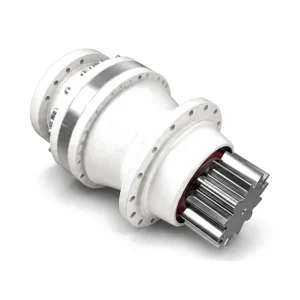
ZL02 Wheel Drive Planetary Gearbox
-
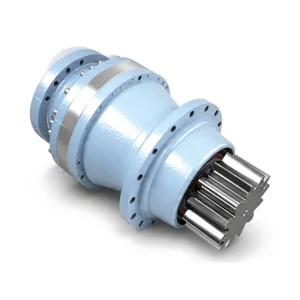
ZL01 Wheel Drive Planetary Gearbox
-
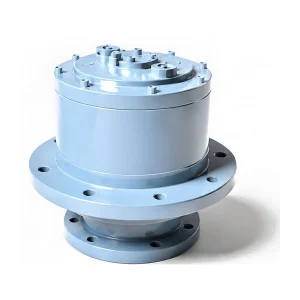
611L2, L3 Planetary Wheel Drive Gearbox Reducer
-
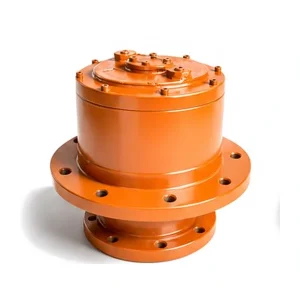
609L2, L3 Planetary Wheel Drive Gearbox
-
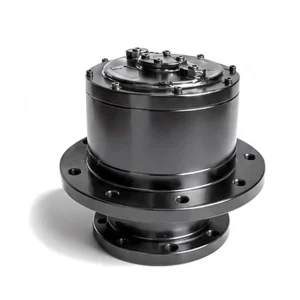
606L2, L3 Planetary Wheel Drive Gearbox Reducer
-
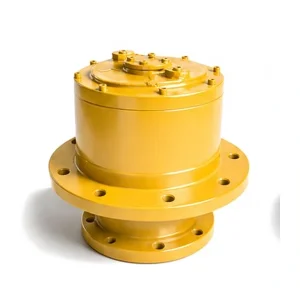
605L2 Planetary Wheel Drive Gearbox Reducer
-
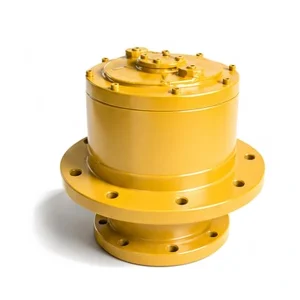
610L2, L3 Planetary Wheel Drive Gearbox Reducer
-
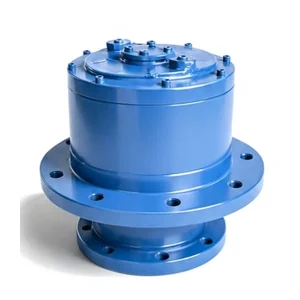
603L2B Planetary Wheel Drive Gearbox Reducer — 2-Stage