لماذا تحتاج أجهزة تتبع الطاقة الشمسية إلى محركات دوران؟ ولماذا يُعدّ المحرك هو جهاز التتبع؟
تواجه الألواح الشمسية ذات الميل الثابت الجنوب (في نصف الكرة الشمالي) بزاوية ثابتة. وهي لا تلتقط أقصى قدر من الإشعاع الشمسي إلا عند الظهيرة الشمسية، أما بقية اليوم، فتكون زاوية سقوط ضوء الشمس على سطح اللوحة غير مثالية، مما يقلل من كمية الطاقة الملتقطة بنسبة تتراوح بين 25 و40% مقارنةً بلوحة تواجه الشمس باستمرار.
يقوم نظام تتبع شمسي بتدوير مجموعة الألواح للحفاظ على الزاوية المثلى طوال اليوم. علبة تروس كوكبية ذات محرك دوار لا يُعدّ محرّك الدوران مجرّد مكوّن من مكوّنات نظام التتبّع، بل هو في معظم التصاميم الحديثة نظام التتبّع نفسه. فهو يعمل في آنٍ واحد كمحمل هيكلي (يدعم وزن الألواح)، وآلية دوران (تدير المصفوفة)، وقفل موضع (يُثبّت المصفوفة في مواجهة الرياح). لا يوجد مكوّن آخر في صناعة الطاقة الشمسية يؤدي ثلاث وظائف هيكلية وميكانيكية في وحدة واحدة.
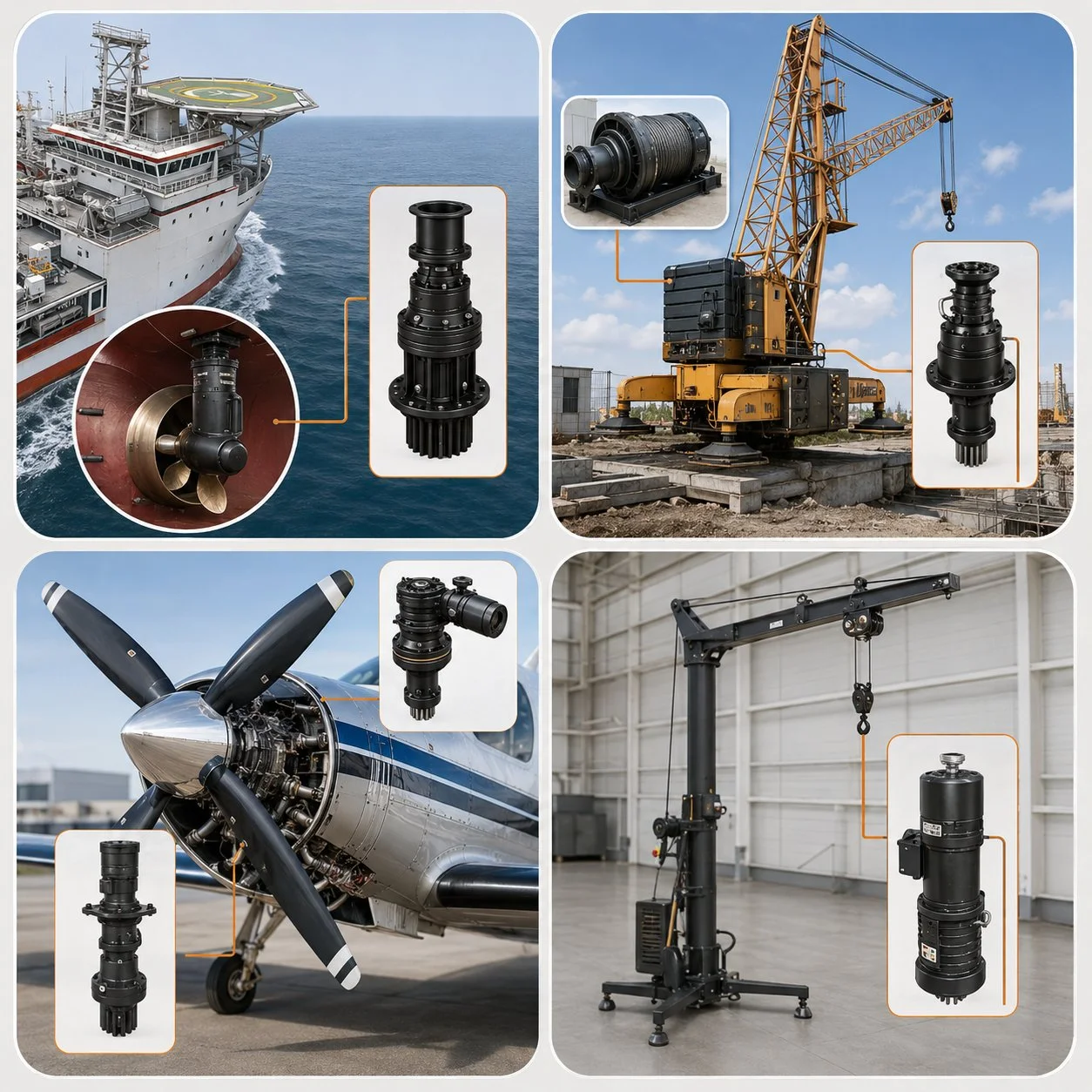
محرك الدوران هو جهاز تتبع الطاقة الشمسية: فهو يدعم وزن اللوحة، ويدير المصفوفة، ويقفل ضد الرياح - ثلاث وظائف في وحدة متكاملة واحدة.
المحور الأحادي مقابل المحور المزدوج - بنيتان للتتبع، ومتطلباتان مختلفتان للمحرك
تنقسم أنظمة تتبع الطاقة الشمسية إلى فئتين، ولكل منهما متطلبات مختلفة على محرك الدوران. يُعد فهم هذا التمييز ضروريًا لتحديد المحرك المناسب، لأن استخدام محرك أحادي المحور في تطبيق ثنائي المحور سيؤدي إلى تعطله بسبب أحمال الميل الإضافية، بينما استخدام محرك ثنائي المحور في تطبيق أحادي المحور يُعد إهدارًا للتكاليف على قدرات غير ضرورية.
| المعلمة | جهاز تتبع أحادي المحور | جهاز تتبع ثنائي المحور |
|---|---|---|
| محاور الدوران | 1 (السمت الشرقي الغربي) | 2 (السمت + الارتفاع) |
| إنتاج الطاقة مقابل الطاقة الثابتة | +25 إلى 30% | +35 إلى 45% |
| محركات الدوران لكل جهاز تتبع | 1 | 2 (واحد لكل محور) |
| مساحة اللوحة لكل جهاز تتبع | 20 – 120 متر مربع | 4 – 30 م2 |
| حصة السوق (المنفعة) | 85 – 90% | 10 – 15% |
| عزم دوران خرج المحرك | 2000 – 8000 نيوتن متر | 500 – 3000 نيوتن متر |
| عزم دوران توقف الرياح | 15000 – 50000 نيوتن متر | 3000 – 15000 نيوتن متر |
لماذا يتجاوز عزم دوران توقف الرياح عزم الدوران المحرك من 3 إلى 8 مرات؟ عزم دوران المحرك اللازم لتدوير مصفوفة الألواح الشمسية أثناء التتبع الهادئ متواضع، ويتراوح بين 2000 و8000 نيوتن متر لنظام التتبع أحادي المحور. أما عزم الدوران اللازم لتثبيت المصفوفة أثناء العواصف - لمقاومة أحمال رياح تصل سرعتها إلى 150 كم/ساعة على سطح لوحة مساحته من 60 إلى 120 مترًا مربعًا - فيتراوح بين 15000 و50000 نيوتن متر. يجب تصميم محرك الدوران وفقًا لحالة التثبيت هذه، وليس حالة التتبع. تقضي معظم محركات الدوران الشمسية 99.9% من عمرها الافتراضي عند أقل من 20% من قدرتها المقدرة، ويجب أن تتحمل عواصف تصل إلى 0.1% عند 100%.
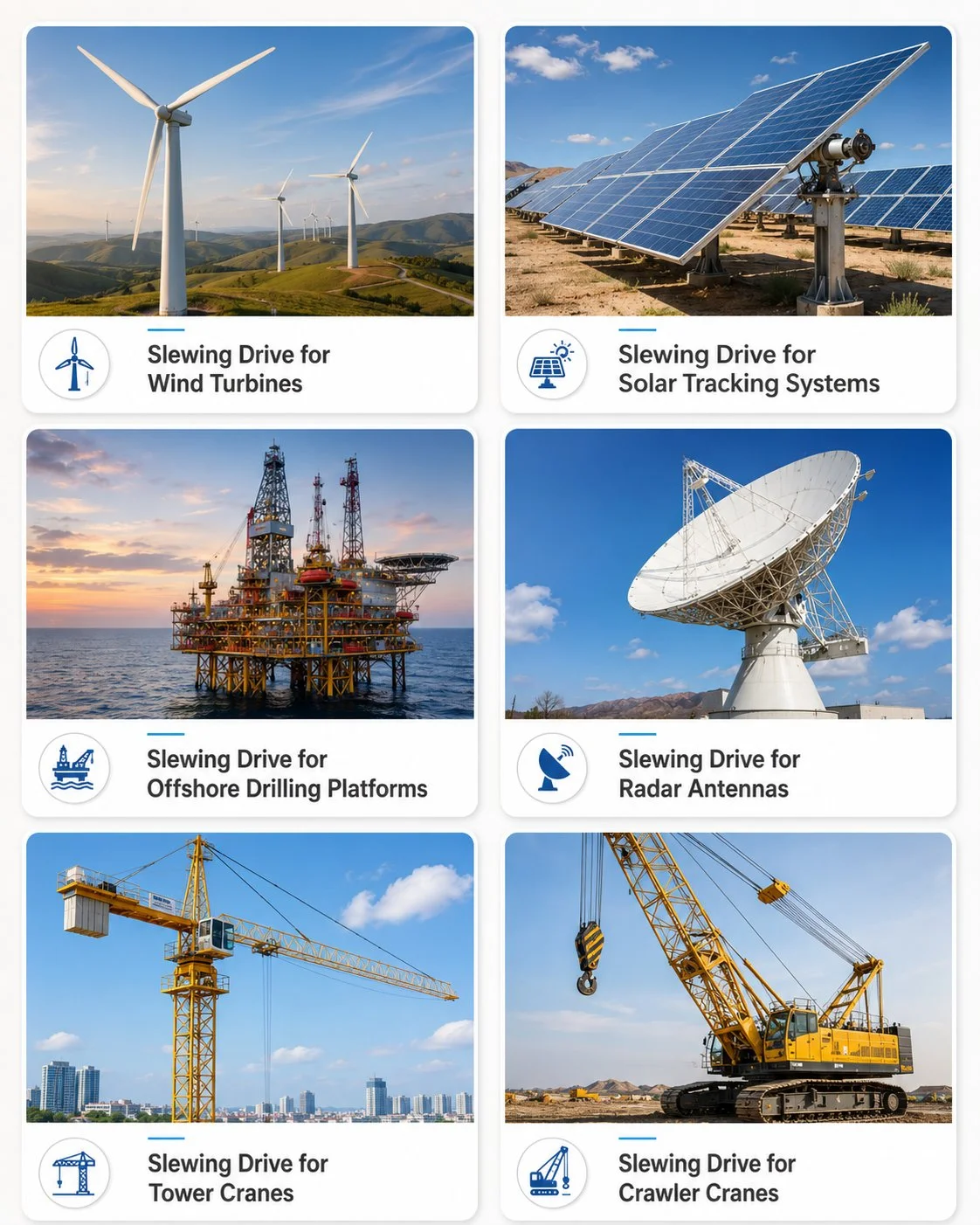
تستخدم أجهزة التتبع ثنائية المحور محركين للدوران: أحدهما للحركة الأفقية (السمت) والآخر للحركة الرأسية (زاوية الميل). أما أجهزة التتبع أحادية المحور فتستخدم محركًا واحدًا لحركة التتبع الأساسية من الشرق إلى الغرب.
خاصية القفل الذاتي - وهي خاصية تلغي الحاجة إلى المكابح والمحركات واستهلاك الطاقة بين الحركات.
تستخدم معظم محركات الدوران الصناعية تروسًا كوكبية حلزونية أو مستقيمة قابلة للدوران العكسي، حيث يمكن لحمل على المخرج تدوير التروس عكسيًا وتشغيل المحرك. يتطلب هذا وجود مكبح لتثبيت الوضع عند إيقاف المحرك. أما محركات الدوران الخاصة بأجهزة تتبع الطاقة الشمسية فتستخدم بنية مختلفة: مرحلة إدخال بترس دودي مُدمجة مع مرحلة إخراج كوكبية. يوفر الترس الدودي خاصية القفل الذاتي، حيث تتجاوز زاوية احتكاك لولب الترس الدودي زاوية التوجيه، مما يجعل من المستحيل ميكانيكيًا أن يقوم حمل الإخراج (الرياح على الألواح) بتدوير الإدخال عكسيًا.
تُغني خاصية القفل الذاتي هذه عن ثلاثة مكونات: فرامل التثبيت، وتزويد المحرك بالطاقة بشكل مستمر، وحلقة التغذية الراجعة لمستشعر الموضع. بين حركات التتبع، يتم فصل الطاقة عن المحرك، وتُثبّت الألواح في مكانها بواسطة الهندسة الميكانيكية للترس الدودي، دون استهلاك أي طاقة كهربائية. بالنسبة لمحطة طاقة شمسية بقدرة 100 ميجاواط مزودة بـ 15000 جهاز تتبع، يُمثل توفير طاقة الفرامل ومحرك التثبيت انخفاضًا ملحوظًا في الحمل الطفيلي.
المفاضلة بين الكفاءة والتكلفة: تأتي خاصية القفل الذاتي في التروس الدودية بتكلفة: تتراوح كفاءة الحركة الأمامية للمرحلة الدودية بين 40 و65%، وهي أقل بكثير من كفاءة المرحلة الكوكبية ذات التروس المستقيمة التي تتراوح بين 94 و97%. ولكن في أنظمة تتبع الشمس، تُعد هذه الكفاءة المنخفضة مقبولة لأن حمل التتبع ضئيل للغاية (يعمل المحرك لمدة تتراوح بين دقيقتين و5 دقائق فقط في الساعة)، والطاقة المستهلكة أثناء التتبع أقل من 0.1% من الطاقة التي ينتجها جهاز التتبع. وتفوق ميزة القفل الذاتي - انعدام طاقة التثبيت، وعدم الحاجة إلى الفرامل، وانعدام خطر فقدان الموقع أثناء انقطاع التيار الكهربائي - بكثير فقدان الكفاءة خلال حركات التتبع القصيرة.
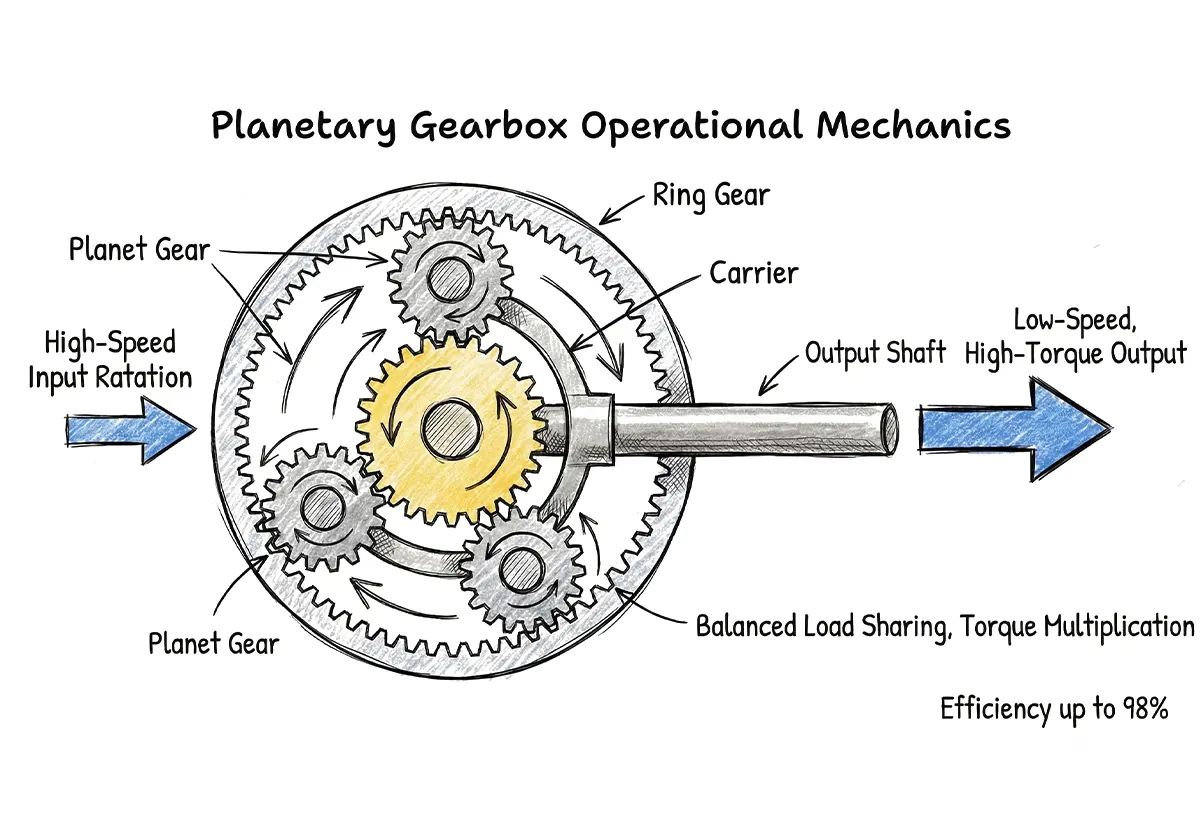
مبدأ التروس الكوكبية. تجمع محركات التدوير لتتبع الطاقة الشمسية بين مرحلة إدخال دودة ذاتية القفل ومرحلة إخراج كوكبية مضاعفة لعزم الدوران - دمج قدرة تثبيت الموضع مع عزم دوران عالي للإخراج.
الحياة في الصحراء على مدى 30 عامًا - التحديات البيئية التي تحدد هندسة محركات الدوران الشمسية
تقع غالبية محطات الطاقة الشمسية واسعة النطاق في بيئات صحراوية أو شبه قاحلة أو ذات إشعاع شمسي عالٍ، وهي نفس المواقع التي تُنتج أعلى إنتاجية للطاقة الشمسية، ولكنها تُنتج أيضًا أقسى الظروف للمعدات الميكانيكية. يجب أن يتحمل محرك الدوران هذه الظروف لمدة تتراوح بين 25 و30 عامًا دون الحاجة إلى استبداله بشكل دوري.
الكمية والجودة - لماذا تُحفز الطاقة الشمسية الطلب على اتساق التصنيع على نطاق واسع
يتطلب مشروع محطة طاقة شمسية واحدة بقدرة 100 ميغاواط طلب ما بين 10,000 و20,000 محرك دوران - دفعة واحدة، يتم تسليمها إلى موقع واحد، وتركيبها في غضون 6 إلى 12 شهرًا. إذا تعطل 1% من هذه المحركات خلال السنوات الخمس الأولى، فهذا يعني استبدال ما بين 100 و200 محرك في الموقع - يتطلب كل منها شاحنة صيانة، وفني، ورافعة أو جهاز رفع، وما بين ساعتين إلى أربع ساعات عمل لكل محرك. بتكلفة تتراوح بين 500 و800 دولار أمريكي لكل زيارة صيانة بالإضافة إلى تكلفة استبدال المحرك، فإن معدل الفشل المبكر لـ 1% يكلف ما بين 75,000 و200,000 دولار أمريكي في الصيانة غير المخطط لها.
لهذا السبب، يُعطي مطورو محطات الطاقة الشمسية ومقاولو الهندسة والمشتريات والإنشاءات الأولوية لتناسق التصنيع على حساب مواصفات الأداء القصوى. فالمحرك الذي يحقق تجانسًا بنسبة 99.9% عند عزم دوران نظري أقصى يبلغ 90% يُعدّ أكثر قيمة من محرك يحقق عزم دوران بنسبة 100% مع تباين بنسبة 2% بين الدفعات. كوريا قوة دائمة تم تجهيز مرافق التصنيع لتلبية أحجام الدفعات ومعدلات الاختبار التي تتطلبها مشاريع الطاقة الشمسية على نطاق المرافق العامة.
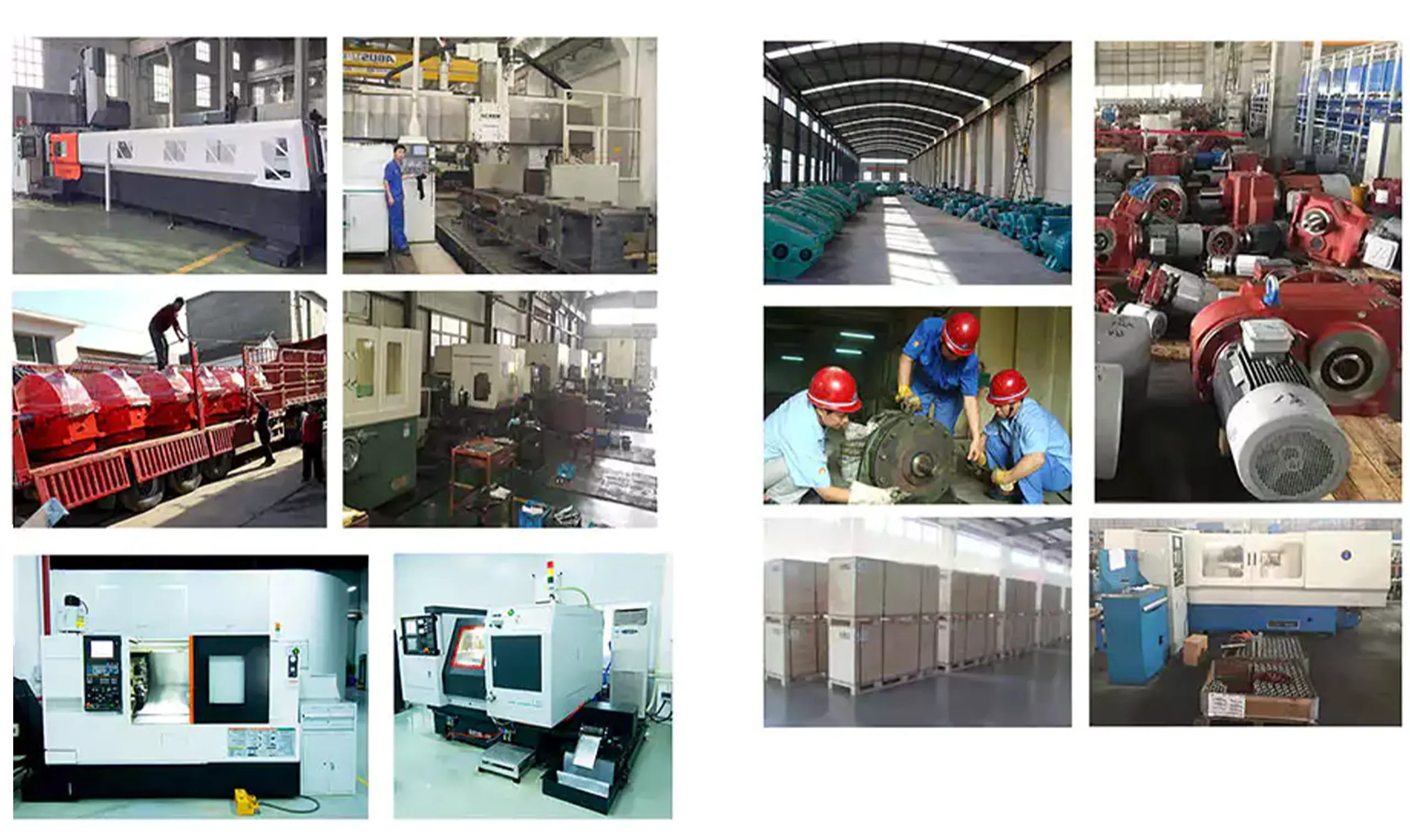
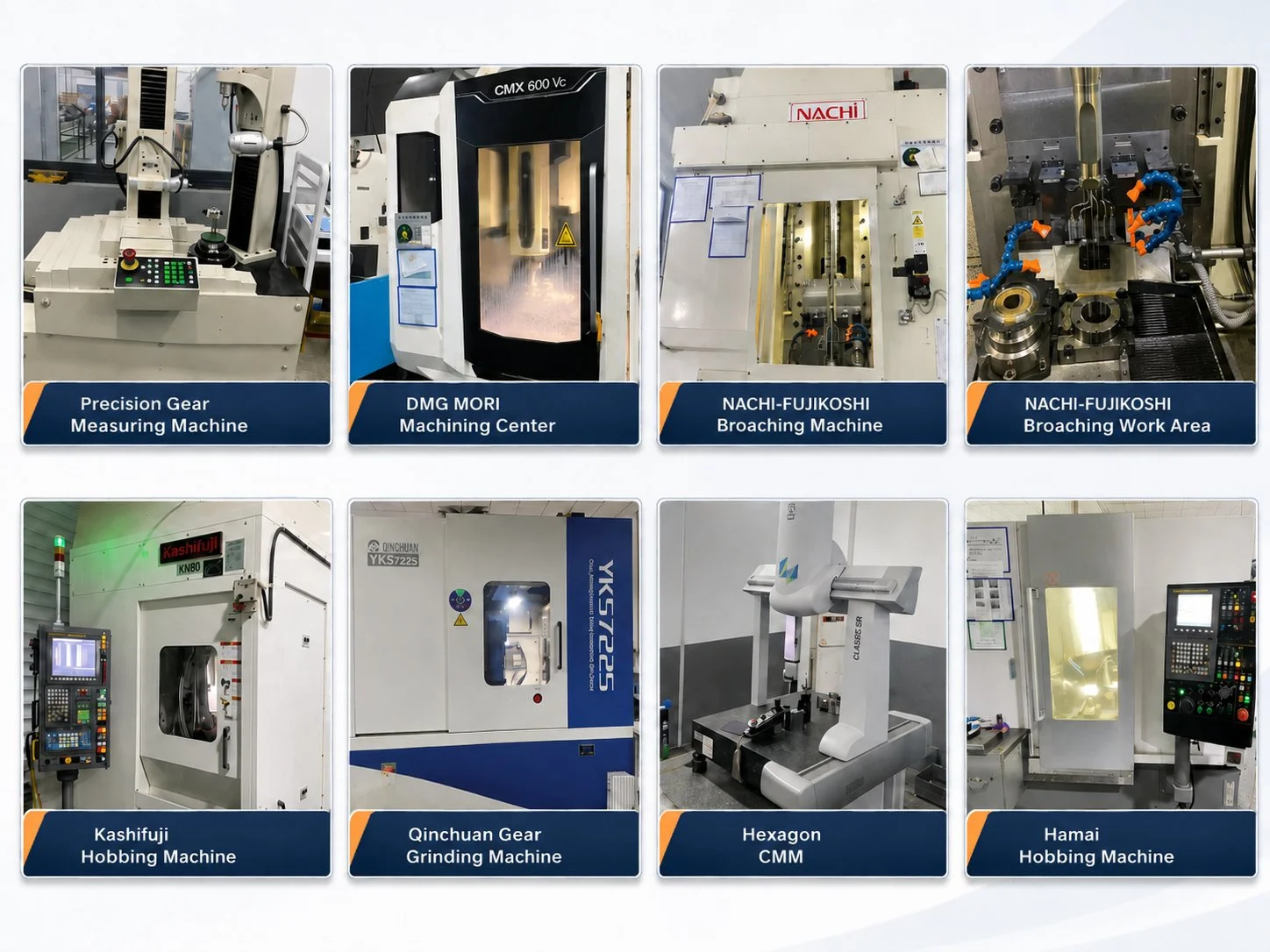
أعلى: مصنع شركة إيفر-باور الكورية. أسفل: مركز اختبار التحقق من جودة الدفعات. تتطلب مشاريع الطاقة الشمسية اختبار عزم الدوران الناتج 100% على كل وحدة في دفعات تتراوح بين 5000 و20000 وحدة.
ثلاثة أنماط أعطال تحدد مواصفات محرك الدوران الشمسي
أثناء العاصفة، يُصدر جهاز التحكم أوامره لجميع أجهزة التتبع بالانتقال إلى وضعية مقاومة الرياح (عادةً ما تكون مسطحة أو بزاوية تخزين محددة مسبقًا). يجب أن يحافظ محرك الدوران على هذه الوضعية في مواجهة أحمال رياح تبلغ سرعتها 150 كم/ساعة أو أكثر، مما يُولّد عزم دوران يتراوح بين 15000 و50000 نيوتن متر على عمود الإخراج. إذا لم يتمكن الترس الدودي ذاتي القفل من الحفاظ على الوضعية، فإن مجموعة الألواح تدور بشكل غير مُتحكم فيه، وتتعرض الألواح لرياح قوية بزاوية هجوم عالية، مما يُولّد قوى قادرة على ثني أنبوب عزم الدوران، أو تمزيق مشابك الألواح، أو حتى إسقاط هيكل جهاز التتبع بالكامل. يُعدّ تصنيف عزم دوران مقاومة الرياح أهمّ مواصفة في ورقة بيانات محرك الدوران الشمسي.
في البيئات الصحراوية، يتغلغل الرمل الناعم في الهيكل عبر موانع التسرب وفتحات التهوية ومداخل الكابلات على مدى عقود من التعرض للعوامل الجوية. تتراكم جزيئات الرمل في شحم التروس الدودية، وتعمل كطبقة تلميع مستمرة على أسطح أسنان التروس الدودية والعجلة. على مدى 15 إلى 20 عامًا، يزيد هذا التآكل الكاشط من الخلوص ويقلل من موثوقية القفل الذاتي - إذ تتغير زاوية التروس الدودية مع تآكل شكل السن اللولبي، مما قد يؤثر سلبًا على حالة القفل. بمجرد تدهور قدرة القفل الذاتي، لا يمكن للمحرك أن يثبت بشكل موثوق في ظروف العواصف.
تتعرض محطات الطاقة الشمسية في المناطق الساحلية (ضمن مسافة 5 كيلومترات من البحر)، والمناطق الاستوائية، والمناطق ذات الرطوبة العالية والتلوث الصناعي، لتآكل متسارع في غلاف محرك الدوران، ومحمل حلقة الدوران، والمثبتات. ويؤدي مزيج الهواء المالح، والتكثيف اليومي، والتعرض لمدة 30 عامًا إلى معدلات تآكل قد تقلل من سمك جدار الغلاف بمقدار 1 إلى 2 ملم خلال عمر المشروع. ويُعد مجرى حلقة الدوران - سطح التحميل الذي يتحمل وزن اللوحة - عرضةً للتآكل بشكل خاص، لأن أي تآكل نقري على المجرى يُسبب إجهادًا مبكرًا للمحمل.
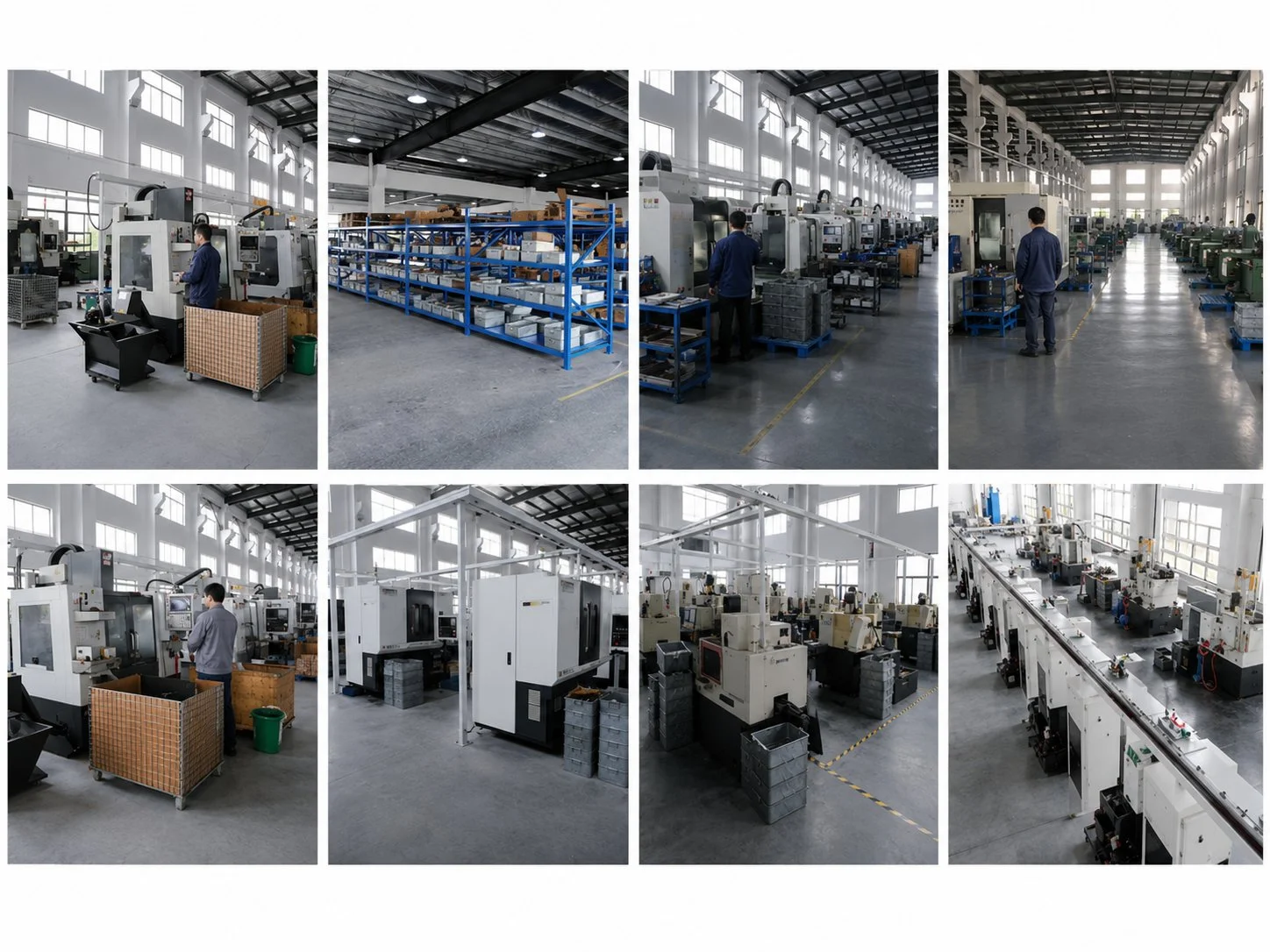
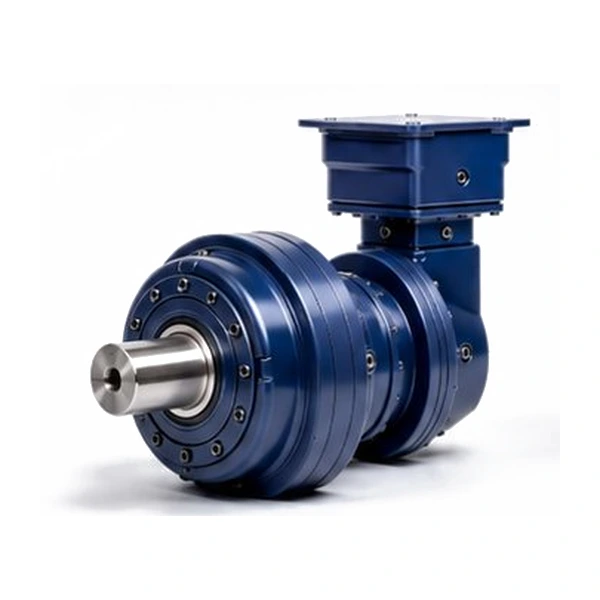
أعلى: ورشة تجميع مزودة بمحطات مراقبة الجودة. أسفل: محرك الدوران من سلسلة ZR - بنية وحدة المحمل والتروس المتكاملة المستخدمة في أنظمة تتبع الطاقة الشمسية.
علبة تروس كوكبية دوارة لأنظمة تتبع الطاقة الشمسية - الأسئلة الشائعة
تُقدّم شركة إيفر-باور الكورية علب تروس كوكبية مُخصصة لأنظمة تتبع الطاقة الشمسية بكميات كبيرة، مزودة بمراحل دودة ذاتية القفل، ومحامل دوران مُدمجة، وأنظمة حماية بيئية مُناسبة للمناطق الصحراوية والبحرية والاستوائية. للحصول على المواصفات وعرض سعر مُفصّل، يُرجى تزويدنا بتصميم نظام التتبع وحجم المشروع.
المحرر: Cxm