Фундаменталната механична разлика — защо двете технологии имат различни силни страни
Планетарните и червячните редуктори са едностепенни или многостепенни механични предавателни устройства, които увеличават въртящия момент и намаляват скоростта между двигателя и товара. Механичните им архитектури обаче са напълно различни - и тези архитектурни различия водят до фундаментално различни профили на производителност по петте параметъра, които са най-важни за инженерите на серво задвижвания.
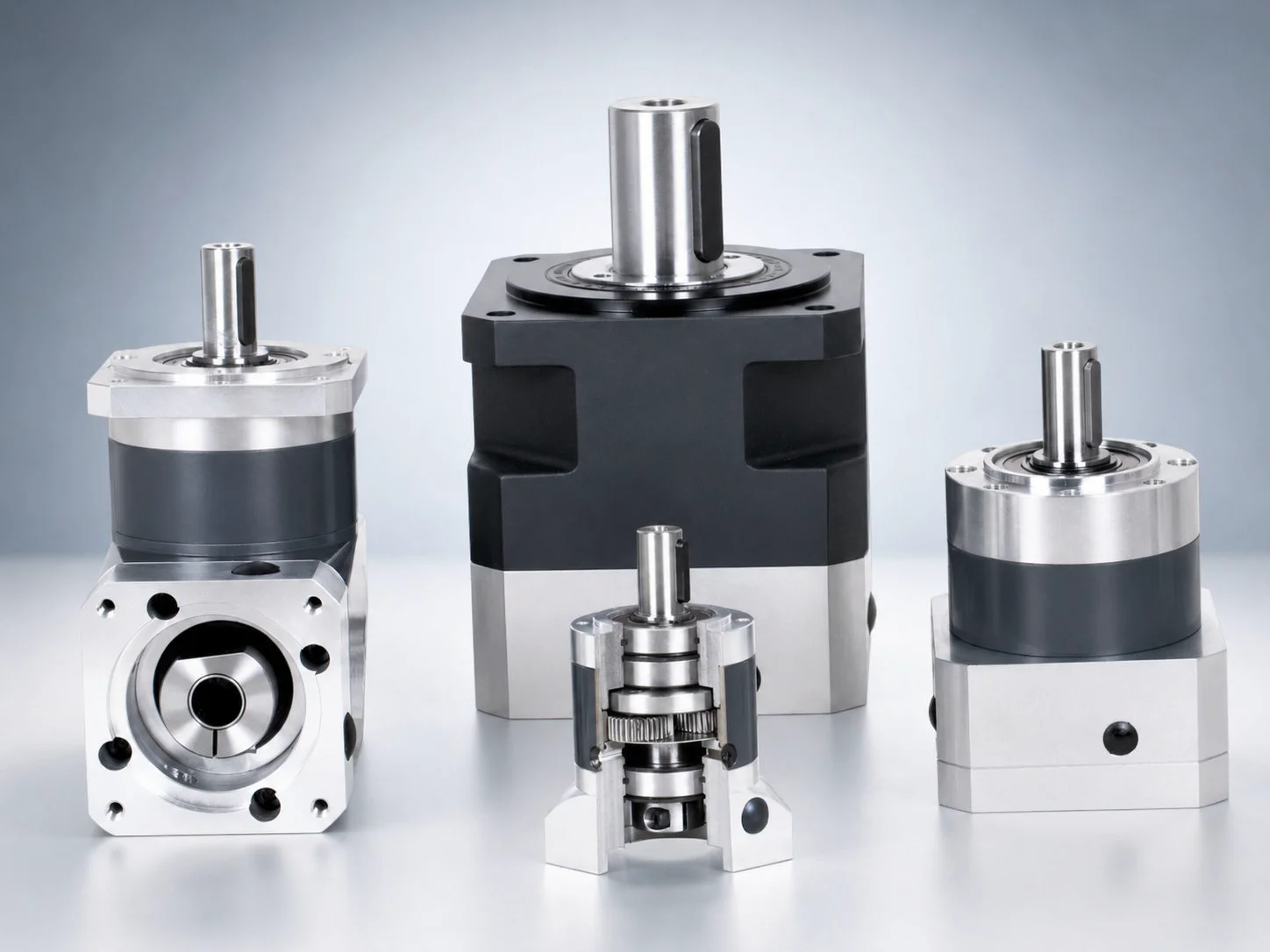
Три или повече планетни зъбни колела едновременно споделят предаваното натоварване около централно слънчево зъбно колело. Това разпределение на натоварването е определящото архитектурно предимство: всяка планетарна предавка носи само 1/3 от общия въртящ момент във всеки един момент, което позволява висок въртящ момент от компактен, коаксиален (редов) пакет. Изходът е концентричен с входа. Вътрешната геометрия на зацепване на зъбното колело (венец) осигурява високо съотношение на контакт на зъбите — което допринася за плавно предаване на въртящия момент и нисък шум на предаден нютон-метър.
Спирална червячна винтова система се зацепва с бронзово червячно колело. Целият въртящ момент преминава през зона на контакт с един зъб — няма разпределение на натоварването. Червячната винтова система се плъзга по колелото чрез сложно плъзгащо/търкалящо се движение, което генерира значителна топлина чрез триене. Това плъзгащ се контакт Ето защо ефективността на червячната предавка намалява бързо с предавателното число (по-малък ъгъл на водещ ход = по-голямо плъзгане = по-голямо триене) и защо износването на бронз върху стомана е доминиращият режим на повреда. Изходната ос е перпендикулярна на входа - определящото геометрично предимство.
Ефективност при всяко съотношение — количествено измеримата разлика, която определя общата цена на притежание
Ефективността е единственият параметър, при който разликата в производителността между планетарните и червячните зъбни колела е най-драматична – и най-значима за серво автоматизираните системи. Ефективността на червячната предавка намалява бързо с увеличаване на предавателното число, тъй като по-високите предавателни числа изискват по-малък ъгъл на водеща линия на червячния винт, което увеличава дела на плъзгащия контакт и следователно триенето. Ефективността на планетарната предавка остава относително постоянна, независимо от предавателното число, тъй като се определя от загубите в зацепването на зъбното колело при търкаляне, които не зависят по същия начин от предавателното число.
| Коефициент на намаляване | Червячна предавка η | Планетарно η (EP серия) |
Разлика в ефективността | Отопление при входна мощност 1 kW Червей | Планетарен |
Годишна енергия цена при 750 W, 2000 часа/год. |
|---|---|---|---|---|---|
| 10:1 | 85% | 96% | 11 стр. | 150W | 40W | Червей: $25/год. допълнително |
| 20:1 | 76% | 94% | 18 стр. | 240W | 60W | Червей: $27/год. допълнително |
| 30:1 | 70% | 94% | 24 стр. | 300W | 60W | Червей: $36/год. допълнително |
| 50:1 ★ | 60% | 94% | 34 стр. | 400W | 60W | Червей: $51/год. допълнително ★ |
| 80:1 | 48% | 90% | 42 стр. | 520W | 100W | Червей: $63/год. допълнително |
| 100:1 | 42% | 90% | 48 стр. | 580W | 100W | Червей: $72/год. допълнително |
★ Най-често срещаното червячно предавателно число в корейската серво автоматизация (конвейерни задвижвания, AGV, общо машиностроене). КПД на червяка: модел Niemann/DIN 3996 за бронзово червячно колело върху закален стоманен червяк, еднорезбов. Планетарно: номинален КПД серия EP. Годишни разходи: 750W двигател, 2000 часа/година, $0.10/kWh корейска промишлена тарифа за електроенергия. „pp“ = процентни пунктове.
Проблемът с топлината при високи съотношения: Червячна предавка със съотношение 100:1 и мощност на двигателя 1 kW генерира 580 W топлина - достатъчно, за да повиши температурата на маслото в скоростната кутия с 30–50°C над околната температура в лошо вентилиран машинен корпус. Това ускорява окисляването на маслото, което допълнително намалява ефективността и ускорява износването на бронзовите колела в цикъл на самоподсилване на разграждането. Планетарната скоростна кутия със същото съотношение генерира само 100 W - не изисква принудително охлаждане и създава драстично по-малко термично натоварване на смазката.
10-годишна обща цена на притежание — пълна картина отвъд покупната цена
Червячните редуктори обикновено имат по-ниска покупна цена от прецизните планетарни скоростни кутии със сравним клас на въртящия момент. Това първоначално предимство в цената често се посочва като основна причина за специфициране на червячни предавки в чувствителни към разходите корейски проекти за автоматизация. Пълният 10-годишен анализ на общата цена на притежание (TCO) постоянно отменя това заключение за двусменни или непрекъснати приложения, тъй като разликата в покупната цена е далеч по-малка от комбинираната разлика в разходите за енергия и поддръжка.
Предимството на планетарната обща цена на притежание (TCO) зависи силно от часовете годишно. При 500 часа годишно (едносменна работа, рядка употреба), икономията на енергия е само $13.50/година при съотношение 50:1 — твърде малко, за да се възстанови премията за покупка в рамките на експлоатационния живот. За периодични приложения с нисък работен цикъл (<1000 часа годишно), предимството на покупната цена на червячната предавка може да доминира. Изчислете общия брой часове за експлоатационния живот, преди да направите заключение.
Непрекъснатият или трисменен режим на работа (6000–8760 ч./годишно), високата мощност на двигателя (>1,5 kW) и високите предавателни числа (≥50:1) умножават разликата в икономиите на ефективност и разходите за поддръжка едновременно. 3 kW непрекъснато червячно задвижване 24/7 при предавателно число 50:1 губи 1200 W спрямо 180 W за планетарно задвижване — $1000+ годишно само за електроенергия. Възвръщаемостта на планетарната премия се измерва в седмици, а не в години.
Задна предавка - параметърът, при който червячните зъбни колела имат реално инженерно предимство
Самозаключването е най-отличителното механично свойство на червячната предавка – и единственият сценарий, при който изборът на червячна предавка пред планетарна има ясно и количествено измеримо предимство по отношение на разходите. Когато ъгълът на водеща линия на червячната предавка е по-малък от ъгъла на триене на двойката червяк/колело от бронз върху стомана, механизмът става самозаключващ се: натоварването, приложено към изходния вал, не може да задвижи обратно входящия вал. Няма спирачка, няма задържащ въртящ момент от серво мотора, не е необходим допълнителен механизъм за задържане на позицията срещу гравитацията.
| Съотношение / Конфигурация | Червячна предавка | Планетна скоростна кутия | Последица за вертикалната ос |
|---|---|---|---|
| 10:1 | Заден ход (ъгъл на изпреварване > триене) |
Заден ход (η=96%) |
И двете изискват спирачка за вертикална ос |
| 20:1 | Самозаключващ се ✅ (не е необходима спирачка) |
Заден ход (изисква спирачка) |
Червеят спестява $100–200 разходи за спирачки |
| 40:1 | Самозаключващ се ✅ | Заден ход (изисква спирачка) |
Червячен: без спирачка. Планетен: добавете моторна спирачка $100–200 |
| 80–100:1 | Силно самозаключващо се ✅ | Заден ход (изисква спирачка) |
Предимство на червяка: високо задържане на товара, ниска прецизност — задвижвания на врати, повдигане на тежки товари |
- Системи за сценично повдигане и задвижвания на противотежести
- Задвижващи механизми на шибъри и клапани, които трябва да задържат позицията си при загуба на захранване
- Системи за повдигане и механизми за регулиране на височината
- Задвижвания за слънчеви тракери (задържат ъгъла на панела по време на интервали на изключване на двигателя)
- Системи, задвижвани от несерво стъпкови двигатели, където токът на задържане на двигателя не се поддържа
Самозаключващите се червячни зъбни колела не са предназначени за задържане на товари, критични за безопасността. Свойството за самозаключване зависи от коефициента на триене, който се променя в зависимост от температурата, състоянието на смазването и износването на повърхността. Горещо, износено или прясно смазано червячно зъбно колело може да загуби свойството си за самозаключване при ударни натоварвания. За задържане на вертикална ос, критично за безопасността (приложения ASSE/OSHA), е необходима сертифицирана механична спирачка, независимо от типа на скоростната кутия.

Параметър по параметър: Пълна сравнителна таблица
| Параметър | Червячен редуктор | Планетна скоростна кутия (EP серия) |
Предимство |
|---|---|---|---|
| Ефективност (20:1) | 76% | 94% | Планетарни |
| Ефективност (100:1) | 42% | 90% | Планетарни |
| Срок на експлоатация | 10 000–15 000 часа Бронзово колело с ограничено износване |
20 000 ч. L10 Ограничена умора на лагера |
Планетарни |
| Хлабина (стандартна) | 15–30 дъгови минути Расте с износването на колелата |
<8 аркмин (ZDE/ZDS) Стабилен през целия експлоатационен живот |
Планетарни |
| Торсионна твърдост Ct | Ниско — гъвкав червячен винт Не е публикувано от повечето производители |
38–130 N·m/дъгова минута Сертифициран, последователен |
Планетарни |
| Задна скорост | Самозаключващо се при i≥20:1 ✅ Не е необходима задържаща спирачка |
Заден ход Изисква задържаща спирачка |
Червей ✅ |
| Изходна ос | 90° спрямо входа (под прав ъгъл) ✅ Едноетапен, прост |
Коаксиален (редов) Прав ъгъл: ZDWE + скосена платформа |
Червей ✅ |
| Плътност на въртящия момент (N·m/kg) | 8–13 N·m/kg Едноконтактен, тежък корпус |
18–46 N·m/kg Споделяне на натоварването 3 планети |
Планетарни |
| Поддръжка | Смяна на маслото на всеки 2000–5000 часа + проверка на бронзови колела |
Запечатано за цял живот Без смяна на маслото до 20 000 часа |
Планетарни |
| Покупна цена (еквивалентен въртящ момент) | Долна ✅ По-лесно производство |
По-високо Прецизно производство |
Червей ✅ |
| Диапазон на едностепенно предавателно число | 5:1 до 100:1 ✅ Единична мрежа, едноетапно |
3:1 до 10:1 Над 10:1: необходима е многоетапна система |
Червей ✅ |
| Ниво на шум | 55–68 dB(A) Плъзгащ контакт = гладък профил |
60–70 dB(A) ЗДЕ: 60–70; ЗДС: 62–75 |
Подобни |
Шест сценария, при които червячната скоростна кутия остава правилният инженерен избор
Технически балансираното сравнение изисква идентифициране на сценариите, при които планетарните скоростни кутии не са правилният отговор. Тези шест сценария са, при които технологията на червячните предавки поддържа истинско инженерно или икономическо предимство, което планетарните конфигурации не могат да възпроизведат напълно.
Всяка вертикална ос, която трябва да задържи позиция при загуба на захранване на двигателя — задвижващи механизми на порти, системи за повдигане, някои конвейерни асансьори и регулатори на височината без серво задвижване — се възползва от самоблокираща се червячна предавка при i≥20:1. Алтернативата с планетарна скоростна кутия изисква допълнителна спирачка на двигателя ($100–$200) и логика за освобождаване на спирачката. За прости, нискобюджетни ръчни или полуавтоматични машини, където загубата на позиция при прекъсване на захранването е приемлива, но спирачната верига не е, червячната предавка е по-проста и по-евтина.
Постигането на 60:1 или 80:1 в една планетарна степен не е възможно — планетарните предавателни числа над 10:1 изискват втора степен, което увеличава разходите, дължината и допълнителната загуба на ефективност. Една червячна предавка постига 80:1 в една мрежа, един корпус, един обем смазка. За приложения без сервоприводи, където двигателят работи с постоянна скорост и не се изисква точност на позициониране (непозициониращи конвейери, миксери, охлаждащи вентилатори), простотата на една червячна степен с високо предавателно число е трудно да се надмине икономически.
За задвижвания, изискващи 5–30 N·m при съотношения от 20:1 до 60:1 в приложения за еднократна употреба или с много кратък живот, предимството в покупната цена на червячната предавка е решаващо. Изграждането на серво ос с 15 N·m и червячна предавка на част от цената на прецизната планетарна предавка е рационално, когато приложението е едносезонна селскостопанска машина или прототип, при който е проектирана подмяна на всеки 2–3 години. Аргументът за общата стойност на притежанието на собственост (TCO) за планетарните предавки изисква поне 2000+ годишни работни часа, за да бъде валиден.
Материалът на бронзовото червячно колело има значително по-висок амортисьорен капацитет от планетарните зъбни колела от закалена стомана. В приложения, където възникват непредсказуеми натоварвания с висок удар - спомагателни задвижвания на трошачки за руда, строителна техника, тежки манипулатори, които се докосват до твърди ограничители - бронзовото колело абсорбира енергията на удара чрез пластична деформация без напукване. Зъбите на закалените прецизни планетарни зъбни колела могат да се счупят при ударни натоварвания, надвишаващи проектния експлоатационен фактор. Когато надеждността при злоупотреба е по-важна от ефективността, червячната предавка често е по-щадяща.
Червячните предавки могат да се управляват ръчно от изходната страна (когато не са самоблокиращи се) или чрез отделен вал за ръчно превключване - често срещан при задвижващи механизми на клапани, системи за позициониране на антени и оборудване за контрол на процесите, които трябва да се превключват ръчно по време на поддръжка. Планетарните скоростни кутии с висока ефективност са с обратно задвижване от изходната страна, но предавателното число прави ръчното завъртане непрактично при високи предавателни числа. Податливостта на червячната предавка при ниска скорост и умерено триене прави ръчната работа по-контролируема.
Прецизно шлифованите червячни зъбни колела (DIN качество клас 6 и по-високо) създават гладък, широколентов шумов профил поради непрекъснатия плъзгащ контакт, а не поради дискретната честота на зацепване на еволвентните зъбни колела. В някои аудио- или вибрационно-чувствителни среди - позиционери за радио и телевизионно оборудване, задвижвания на музейни експозиции, оборудване за тихи помещения - шлифованата червячна зъбна колела, работеща с ниска скорост, може да е акустично за предпочитане пред планетарната. Това предимство е незначително при скорост и до голяма степен е елиминирано за съвременните прецизно шлифовани планетарни зъбни колела.
Рамката за вземане на решения — пет въпроса, които водят до правилната спецификация
За ротационни оси с ЦПУ, роботизирани съединения, серво индексатори за опаковане, AGV задвижвания и всякакви серво позиционирани оси, работещи повече от 2000 часа годишно, серията EP-ZDE или EP-ZDS осигурява по-добър хлабинен ход, по-дълъг експлоатационен живот, по-ниски разходи за поддръжка и превъзходна енергийна ефективност. Премията за покупна цена се възстановява през 1-2 години работа на две смени.
За задвижвания с асинхронни двигатели с постоянна скорост без позиционен контрол, самоблокиращи се вертикални оси без серво задържаща спирачка, едностепенни предавателни числа над 40:1 или приложения с много кратък живот, където покупната цена доминира, червячната предавка остава валиден и понякога превъзходен избор. Не посочвайте планетарна предавка само защото е „премиум“ — посочете я, защото работният профил я прави правилното инженерно решение.

Инженерният отдел на Korea Ever-Power предоставя анализ на възможността за подмяна на съществуващи червячни зъбни колела – съпоставяне на изходния въртящ момент, размерите на вала и монтажния интерфейс с подходящия планетарен агрегат от серията EP, с документация за подобряване на ефективността и експлоатационния живот за обосновка на капиталовите инвестиции. Предоставете текущите си спецификации на червячното зъбно колело за безплатна препоръка за подмяна.
Редактор: Cxm