Šta je zapravo povratna reakcija – i kako se mjeri
U preciznom planetarnom mjenjaču, zazor je ugaoni slobodni hod koji se može izmjeriti na izlaznom vratilu kada je ulazno vratilo nepomično, a izlaz se naizmjenično opterećuje u pozitivnom i negativnom smjeru malim ispitnim momentom. To je ukupna ugaona mrtva zona kroz koju izlazno vratilo prolazi kada se smjer opterećenja promijeni - razmak između zuba zupčanika u zahvatu, izražen kao ugaoni ekvivalent na izlaznom vratilu.
Standardna metoda ispitivanja (prema ISO 9283 i u skladu sa standardima za servo opremu DIN EN 61800) primjenjuje opterećenje jednako ±3% dozvoljenog izlaznog obrtnog momenta mjenjača. Ovaj specifični nivo opterećenja je odabran namjerno: dovoljno je velik da u potpunosti pokrije bilo koji geometrijski zazor u zahvatima zupčanika, ali dovoljno mali da je torzijski elastični otklon komponenti mjenjača zanemariv - tako da se mjeri čisti geometrijski zazor, a ne mješavina zazora i krutosti.
Mjenjači su rotacijski uređaji. Njihova inherentna specifikacija tačnosti mora biti ugaona. Stepeni su pregrubi - precizni mjenjač sa zazorom od 0,133° zvuči veliko, ali to je samo 8 lučnih minuta, što je vrlo standardna specifikacija. Lučne minute pružaju pravu rezoluciju: 1 lučna minuta = 1/60 stepena = približno 0,0167°. Ekvivalent metričkog sistema za ugaonu grešku su miliradijani (mrad), ali lučne minute dominiraju u industriji planetarnih mjenjača i svi tehnički listovi EP serije su navedeni u lučnim minutama.
Čvrsto pričvrstite ulazno vratilo mjenjača. Pričvrstite preciznu oslonac za moment na izlazno vratilo pod poznatim radijusom. Primijenite pozitivni ispitni moment jednak 3% nazivnog momenta i očitajte ugaoni položaj (enkoder ili mjerač). Primijenite negativni ispitni moment jednake veličine i ponovo očitajte. Ukupni ugaoni pomak između dva očitanja je vrijednost zazora. Korea Ever-Power mjeri i certificira zazor za svaku jedinicu EP serije prije isporuke, pri čemu se mjerenje izvodi pri standardnom ispitnom opterećenju od ±3%.
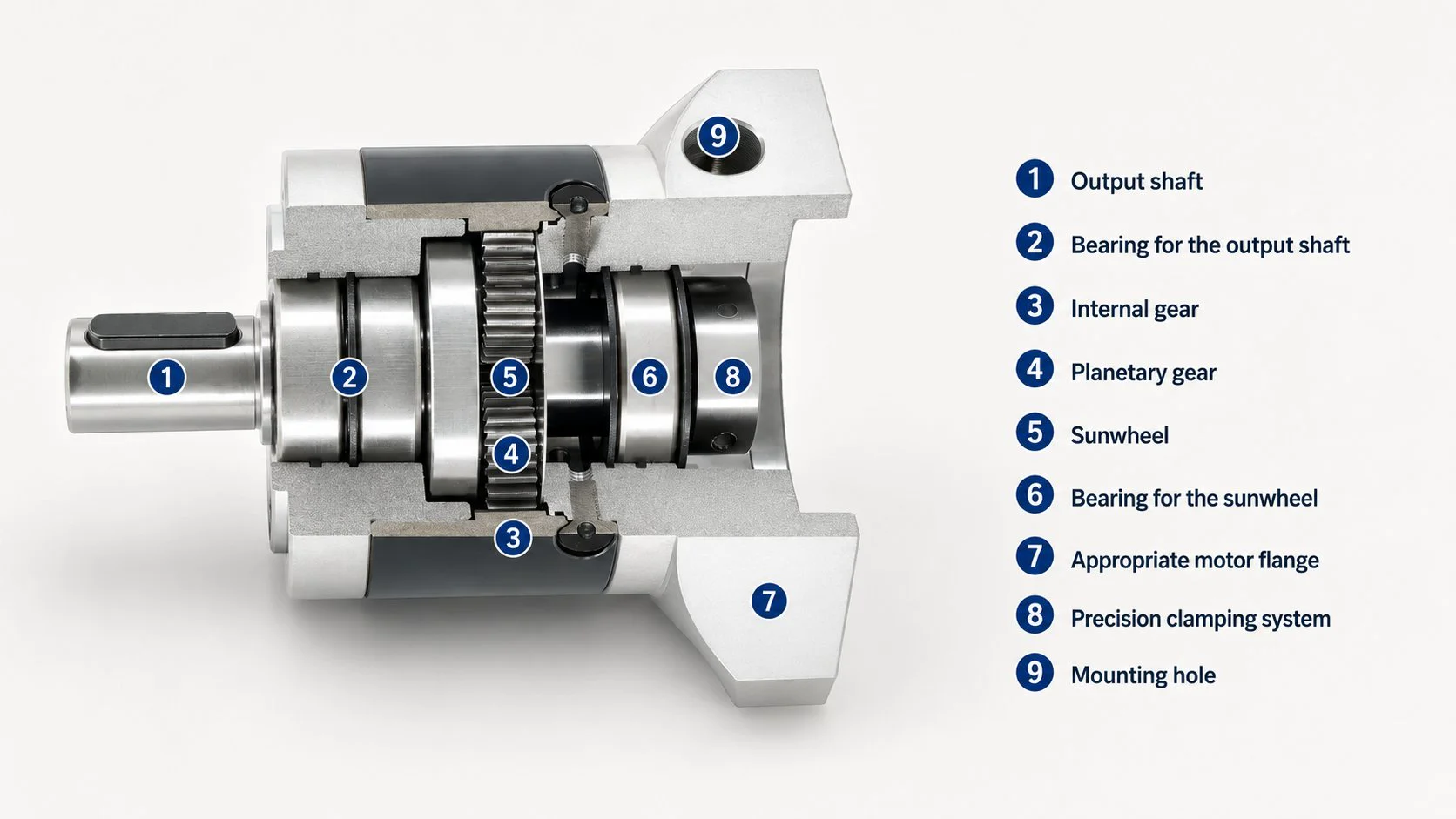
Tabela koja je potrebna svakom inženjeru servo mjenjača — Linearna greška od arcmin do milimetra pri pet radijusa opterećenja
Sljedeća tabela pretvara svaki standard servo mjenjač specifikacija zazora — od ultrapreciznog na 1 lučnu minutu do standardnog kvaliteta na 30 lučnih minuta — do stvarne linearne greške pozicioniranja na pet praktičnih radijusa opterećenja. Sve vrijednosti se izračunavaju korištenjem tačne formule E = R × tan(θ) gdje je θ ugao zazora u radijanima. Za tipične vrijednosti zazora preciznog planetarnog mjenjača ispod 30 lučnih minuta, aproksimacija malog ugla uvodi grešku manju od 0,01%.
Radijus opterećenja je udaljenost od središnje linije izlaznog vratila mjenjača do tačke u kojoj se mjeri ili zahtijeva tačnost pozicioniranja - na primjer, vrh robotske ruke, alat za rezanje CNC vretena ili kontaktna tačka pogonskog valjka transportera.
| Negativna reakcija | Ugao (°) | R = 50 mm | R = 100 mm | R = 200 mm | R = 500 mm | R = 1.000 mm | EP serija |
|---|---|---|---|---|---|---|---|
| <1 lučna minuta | 0,017° | 0,015 mm | 0,029 mm | 0,058 mm | 0,145 mm | 0,291 mm | Ultra precizna prilagođena izrada |
| <3 lučne minute | 0,050° | 0,044 mm | 0,087 mm | 0,175 mm | 0,436 mm | 0,873 mm | Visokoprecizni CNC / laser |
| <5 lučnih minuta | 0,083° | 0,073 mm | 0,145 mm | 0,291 mm | 0,727 mm | 1,454 mm | Opće servo pozicioniranje |
| <8 lučnih minuta ★ | 0,133° | 0,116 mm | 0,233 mm | 0,465 mm | 1,164 mm | 2,327 mm | EP-ZDE / EP-ZDF (okviri 60–160); EP-ZDS (sve) |
| <12 lučnih minuta | 0,200° | 0,175 mm | 0,349 mm | 0,698 mm | 1,745 mm | 3,491 mm | EP-ZDE-40; EP-ZDE dvostepeni |
| <15 lučnih minuta | 0,250° | 0,218 mm | 0,436 mm | 0,873 mm | 2,182 mm | 4,363 mm | EP-ZDE trostepeni; transporteri |
| <25 lučnih minuta ▲ | 0,417° | 0,364 mm | 0,727 mm | 1,454 mm | 3,636 mm | 7,272 mm | EP-ZDWE / EP-ZDWF (80–160, 1-stepeni) |
| <30 lučnih minuta ▲ | 0,500° | 0,436 mm | 0,873 mm | 1,745 mm | 4,363 mm | 8,727 mm | EP-ZDWE-60 (jednostepeni) |
★ = Standardna klasa preciznosti za linijske serije EP-ZDE/ZDF/ZDS. ▲ = Serija s pravim uglom ulaza (ZDWE/ZDWF) — šira zbog doprinosa stepena konusnog zupčanika. Vrijednosti izračunate iz E = R × tan(θ), gdje je θ = zazor u radijanima.
Kolaborativni robotski zglob ručnog zgloba s radijusom ruke od 400 mm, koji koristi EP-ZDWE-80 na <25 lučnih minuta, imat će maksimalnu grešku pozicioniranja izazvanu povratnim udarcem na krajnjem efektoru od približno 400 mm × tan(25/60 × π/180) = 2,91 mmZa robota kojim upravlja servo pogon u režimu pozicioniranja u zatvorenoj petlji, ova greška od 2,91 mm nije trajna - to je mrtva zona pri promjeni smjera. Servo kontroler to kompenzira putem povratne informacije o položaju od enkodera motora. Međutim, svaki vanjski poremećaj tokom položaja zadržavanja (nakon što enkoder potvrdi položaj) može proizvesti pomak do 2,91 mm ako moment opterećenja uzrokuje pomicanje izlaznog vratila unutar mrtve zone zazora, a da enkoder motora to ne detektuje.
Četiri klase preciznosti zazora — usklađivanje klase sa zahtjevima primjene
Standardna struktura industrijskih klasa preciznosti za precizne planetarne mjenjače preslikava raspone zazora na kategorije primjene. Odabir prave klase jednako je važan kao i ne pretjerano specificiranje: ultraprecizna jedinica <1 lučna minuta košta 3-5 puta više od standardne precizne jedinice <8 lučnih minuta iste veličine okvira. Ako je zahtjev za tačnost vaše primjene <8 lučnih minuta, trošenje na jedinicu <1 lučna minuta ne dodaje nikakvu mjerljivu korist u performansama.
Na radijusu od 100 mm, <1 arcmin proizvodi samo 0,029 mm mrtve zone izazvane povratnim udarom. Potrebno za robote za rukovanje poluprovodničkim pločicama (pozicioniranje silicijumskog čipa na ±0,01 mm), precizne optičke nosače i robotiku sa direktnim pogonom istraživačkog nivoa gdje je bilo kakva mrtva zona neprihvatljiva. Obično nije dostupno kao standardni proizvod EP serije - potreban je kontakt sa inženjeringom aplikacija Korea Ever-Power za prilagođene specifikacije.
Na radijusu od 200 mm, <3 lučna minuta proizvodi maksimalnu mrtvu zonu od 0,175 mm. Pogodno za CNC ose za pomicanje gdje je tolerancija dimenzija dijela ±0,01–0,1 mm, pozicioniranje laserske glave za rezanje gdje je širina reza 0,2–0,5 mm i višeosne servo pogonjene stepenice pozicioniranja u korejskoj opremi za montažu elektronike. Povratna sprega servo položaja lako kompenzuje povratni udar na ovom nivou u normalnom radu.
Ovo je specifikacijski raspon serija EP-ZDE, EP-ZDF i EP-ZDS (okviri 60–190 u jednom stepenu). Na radijusu od 100 mm, <8 lučnih minuta znači maksimalnu mrtvu zonu od 0,233 mm — potpuno adekvatno za pozicioniranje industrijskih robota, indeksiranje opće automatizacije i servo pogone transportera. Standardna klasa predstavlja najbolju vrijednost za veliku većinu korejskih servo automatizacijskih primjena. Za primjene gdje su troškovi bitni, a zahtjevi za pozicioniranje umjereni, ova klasa pruža konzistentne performanse bez premije alternativa s strožom tolerancijom.
Serije EP-ZDWE i EP-ZDWF s pravim uglom spadaju u ovaj raspon zbog ulaznog stepena konusnog zupčanika koji dodaje ugaoni zazor. Specifikacija <25–30 arcmin nije nedostatak kvaliteta - to je inherentna karakteristika dizajna ulaza konusnih zupčanika kod svih proizvođača. Za servo upravljane ose gdje petlja položaja kompenzuje zazor mjenjača, ovaj raspon je u potpunosti funkcionalan. Gdje nije prikladno: sistemi koračnih motora s otvorenom petljom, gdje zazor direktno postaje greška pozicioniranja bez kompenzacije povratne sprege.
Zazor naspram torzijske krutosti - dva različita uzroka greške pozicioniranja koja inženjeri često miješaju
Jedan od najupornijih nesporazuma u specifikaciji preciznih planetarnih mjenjača je tretiranje zazora i torzione krutosti kao iste pojave. To nije isti fenomen. Oni utiču na tačnost pozicioniranja putem potpuno različitih fizičkih mehanizama, specificirani su u istim jedinicama (lučne minute na izlaznom vratilu), a njihovo miješanje dovodi do pogrešnog odabira mjenjača. Kupovina jedinice sa manjim zazorom ne rješava problem torzione krutosti i obrnuto.
Kvantificirano poređenje: EP-ZDE-160 vs EP-ZDS-190 Elastična deformacija pod promjenjivim opterećenjem
Sljedeća tabela koristi formulu θ_elastic = T / Ct kako bi pokazala kako isti primijenjeni moment stvara vrlo različite elastične ugaone greške u standardnoj preciznoj seriji u odnosu na seriju visoke krutosti. Ovo su stvarni podaci relevantni za specifikacije CNC rotacijskih stolova i teških robotskih spojeva, gdje vršni momenti rezanja ili rukovanja mogu doseći 200–800 N·m.
| Primijenjeni obrtni moment | EP-ZDE-160 Ct = 38 N·m/lučna minuta |
EP-ZDS-190 Ct = 130 N·m/lučna minuta |
Koeficijent krutosti | ZDE-160 linearna greška na R=200 mm |
Linearna greška ZDS-190 na R=200 mm |
|---|---|---|---|---|---|
| 50 N·m | 1,32 lučna minuta | 0,38 lučnih minuta | 3,4× | 0,077 mm | 0,022 mm |
| 100 N·m | 2,63 lučnih minuta | 0,77 lučnih minuta | 3,4× | 0,153 mm | 0,045 mm |
| 200 N·m | 5,26 lučnih minuta | 1,54 lučnih minuta | 3,4× | 0,306 mm | 0,089 mm |
| 380 N·m (teški CNC rez) |
10,00 lučnih minuta | 2,92 lučna minuta | 3,4× | 0,582 mm | 0,170 mm |
| 800 N·m | 21,05 lučnih minuta | 6,15 lučnih minuta | 3,4× | 1,225 mm | 0,358 mm |
Inženjer koji specificira EP-ZDE-160 sa zazorom <8 lučnih minuta za primjenu na CNC rotacijskom stolu s velikim opterećenjem ima ispravnu specifikaciju zazora - ali pri vršnom obrtnom momentu rezanja od 380 N·m, torzijski elastični otklon dodaje dodatnih 10 lučnih minuta. Ukupna ugaona greška na izlazu pod opterećenjem iznosi 18 lučnih minuta - više nego dvostruko od navedenog zazora. Zbog toga, precizne primjene s velikim opterećenjem (veliki CNC rotacijski stolovi, teški zglobovi robota, pogoni servo presa) zahtijevaju seriju EP-ZDS sa Ct = 130 N·m/lučna minuta, a ne samo EP-ZDE jedinicu s manjim zazorom. EP-ZDS-190 pod istim opterećenjem od 380 N·m proizvodi elastični otklon od samo 2,92 lučna minuta - što je 3,4× poboljšanje dinamičke tačnosti.
Kako raste zazor tokom vijeka trajanja mjenjača - i šta ga ubrzava
Precizni planetarni mjenjač ne održava svoju početnu specifikaciju zazora neograničeno. Ugaona mrtva zona se vremenom povećava kako se bokovi zuba zupčanika troše, a ležajevi nosača planeta akumuliraju radni zazor. Brzina povećanja uveliko zavisi od radnih uslova - ispravno opterećen, pravilno podmazan mjenjač koji radi u preporučenim radnim ciklusima pokazat će samo umjereno povećanje zazora tokom 20.000 sati. Preopterećena ili kontaminirana jedinica može udvostručiti svoj zazor za manje od 5.000 sati.
| Radno vrijeme | Približan povratni udar EP-ZDE-80, ispravno učitan |
Linearna greška pri R = 300 mm | Bilješke |
|---|---|---|---|
| 0 h (novo) | 7,5 lučnih minuta | 0,654 mm | Fabrički certificirano na ±3% nazivni test obrtnog momenta |
| 2.000 sati | 8,0 lučnih minuta | 0,698 mm | Normalno razrađivanje završeno; početno kondicioniranje površine |
| 5.000 sati | 8,8 lučnih minuta | 0,768 mm | Stopa habanja u ustaljenom stanju; rekordna osnovna vrijednost pri inspekciji od 5.000 sati |
| 10.000 sati | 10,2 lučnih minuta | 0,890 mm | Još uvijek unutar prihvatljivog raspona za većinu standardnih primjena |
| 15.000 sati | 12,5 lučnih minuta | 1,091 mm | Približava se prag zamjene za visokoprecizne primjene |
| 20.000 sati (L10) | 15,1 lučnih minuta | 1,318 mm | Nazivni vijek trajanja L10; zakažite zamjenu mjenjača |
Ilustrativni prikaz progresije zasnovan na industrijskim longitudinalnim podacima za ispravno specificirane i opterećene precizne planetarne reduktore. Stvarne vrijednosti zavise od specifičnih uslova opterećenja, radnog ciklusa i okoline. Doživotno podmazivanje serije EP-ZDE/ZDF značajno usporava habanje bočnih strana zupčanika u poređenju sa nepravilno podmazanim jedinicama.
Četiri uslova koja ubrzavaju rast povratnih reakcija
Bočne strane zuba planetarnog zupčanika doživljavaju Hertzov kontaktni napon iznad njihove projektovane granice zamora površine. Pojava tačkastog stvaranja i ubrzavanje. Zazor se može udvostručiti u roku od 3.000-5.000 sati, umjesto 20.000. Ovo je najčešći ubrzivač rasta zazora u korejskim servo automatizacijskim primjenama.
Prodor vode (posebno u jedinicama IP54 koje su izložene direktnom pranju) emulgira mast tokom cijelog vijeka trajanja, smanjujući čvrstoću njenog filma. Metalni ostaci habanja od ranog preopterećenja stvaraju abrazivne uslove. Rezultirajuće trodijelno abrazivno habanje djeluje istovremeno na sve površine zupčanika, povećavajući brzinu rasta povratnog udara.
Konstantan rad iznad preporučene ulazne brzine (3.000 o/min za većinu EP serija) povećava centrifugalno naprezanje planetarnog zupčanika i stvara toplotu koja ubrzava oksidaciju maziva. Viša temperatura smanjuje viskoznost masti i debljinu filma, povećavajući kontakt metala s metalom na bočnim stranama zuba zupčanika.
Glavni pogoni servo presa i ose robota sa zaustavljanjem sudara izlažu ležajeve planetarnih nosača ponovljenim udarnim opterećenjima koja premašuju dizajn za stacionarni zamor. Krovovi ležajeva planetarnih nosača razvijaju mikro-rupice, što doprinosi radijalnom zazoru izlaznog vratila - na kraju doprinoseći mjerljivom povećanju zazora izvan komponente trošenja zuba zupčanika.
Kompletne specifikacije zazora za EP seriju — Sve veličine okvira i faze
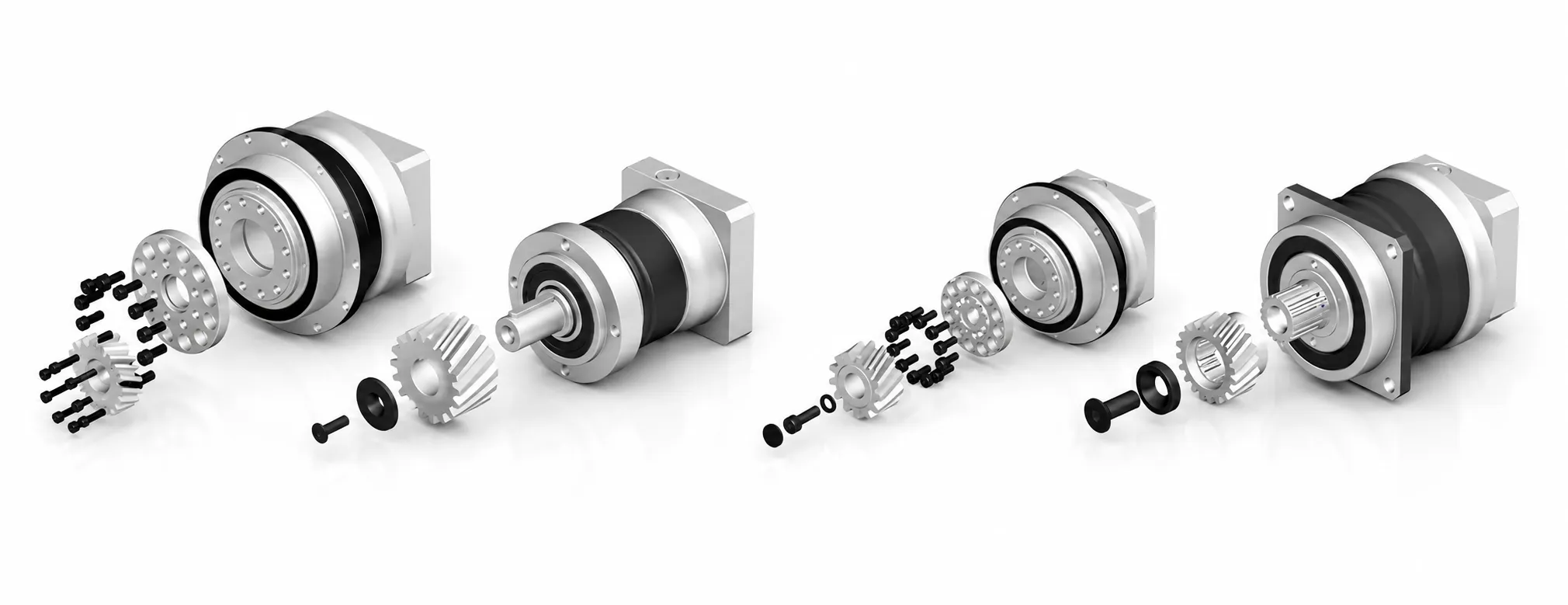
Sljedeće specifikacije predstavljaju fabrički certificirane vrijednosti zazora za sve precizne planetarne reduktore serije Korea Ever-Power EP, mjerene pri ±3% nazivnog izlaznog obrtnog momenta prema standardnom protokolu ispitivanja. Širi zazor serije ZDWE/ZDWF je direktna posljedica ulaznog stepena konusnog zupčanika - ovo je u skladu sa svim planetarnim reduktorima sa pravim uglom ulaza, bez obzira na proizvođača.
| Serija | Veličina okvira | 1-stepeni | 2-stepeni | 3-stepeni | Konfiguracija |
|---|---|---|---|---|---|
| EP-ZDE | 40 mm | <12 lučnih minuta | <15 lučnih minuta | <18 lučnih minuta | Linijska, okrugla prirubnica |
| EP-ZDE | 60–160 mm | <8 lučnih minuta | <12 lučnih minuta | <15 lučnih minuta | Linijska, okrugla prirubnica — standardna preciznost |
| EP-ZDF | 40–160 mm | <8–12 lučnih minuta | <12–15 lučnih minuta | <15–18 lučnih minuta | Linijska, kvadratna prirubnica — identična ZDE po okviru |
| EP-ZDS | 115–190 mm | <8 lučnih minuta | <12 lučnih minuta | Nije dostupno | Linijski, kvadratna prirubnica, IP65 — isti zazor kao ZDE, viši Ct |
| EP-ZDWE | 60 mm | <30 lučnih minuta | <35 lučnih minuta | <40 lučnih minuta | Pravougaona, okrugla prirubnica — zakošena površina povećava razmak |
| EP-ZDWE | 80–160 mm | <25 lučnih minuta | <30 lučnih minuta | <35 lučnih minuta | Pravougaona, okrugla prirubnica — šira, ali servo-kompenzirajuća |
| EP-ZDWF | 60–160 mm | <25–30 | <30–35 | <35–40 | Pravougaona, kvadratna prirubnica — identična ZDWE po okviru |
Kada povratni udar ne utiče na tačnost — jednosmjerni izuzetak
Ugaona mrtva zona proizvodi grešku pozicioniranja samo pri promjeni smjera. Ako vaša aplikacija pozicionira samo u jednom smjeru - opterećenje se uvijek približava cilju iz istog ugaonog smjera, a pogon uvijek održava pozitivan obrtni moment u tom smjeru tokom pozicioniranja - povratni udar doprinosi nultoj grešci pozicioniranja bez obzira na njegovu veličinu.
- Pogoni azimuta/elevacije solarnog trackera (uvijek se kreću u istom smjeru praćenja sunca unutar poludnevnog perioda)
- Jednosmjerni pogoni transportera
- Vretena za namotavanje i odmotavanje (održavanje jednosmjernog momenta)
- Vertikalne ose opterećene gravitacijom gdje težina opterećenja održava pozitivan kontakt zuba
- Pogoni za pomicanje koji uvijek pristupaju obratku iz istog smjera (sa strategijom jednostranog pristupa)
- CNC konturne ose (dvosmjerno kretanje unutar konturnih profila)
- Robotski zglobovi (po prirodi dvosmjerni tokom izvršavanja putanje)
- Sistemi "pick-and-place" (prilaz i odlazak u suprotnim smjerovima)
- Tabele indeksiranja (polovina kretanja indeksa je u pozitivnom smjeru, polovina u negativnom)
- Servo pritiske (spuštanje i vraćanje klipa su u suprotnim smjerovima)
Troškovne implikacije ovog pravila
Korejski proizvođač solarnih trackera koji specificira zazor od <3 lučna minuta za svoje azimutske pogone - jer "nam je potrebno precizno praćenje" - plaća 2-3 puta veću cijenu od jedinice od <8 lučnih minuta bez ikakve koristi u tačnosti. Solarni tracker se uvijek pomiče u istom azimutskom smjeru (od istoka prema zapadu tokom dana). Ugaoni zazor postaje relevantan samo tokom noćnog resetovanja - kretanja gdje greška pozicioniranja od ±5 mm na prednjoj strani panela nema utjecaja na prinos energije. Specificiranje standardnih EP-ZDE ili EP-ZDS jedinica od <8 lučnih minuta i preusmjeravanje budžeta na IP65 zaptivanje (korištenjem EP-ZDS) za vanjsku izdržljivost pruža veću vrijednost od jedinica sa malim zazorom izloženih korejskom obalnom okruženju.
Kako izmjeriti ugrađeni zazor — Postupak provjere na terenu
Mjerenje zazora nakon instalacije uspostavlja osnovnu liniju sistema - referencu s kojom se buduća mjerenja upoređuju kako bi se otkrio rast zazora uzrokovan habanjem. Dolje navedeni postupak koristi dijagnostiku servo pogona (nisu potrebni vanjski instrumenti za osnovno mjerenje), kao i metodu preciznog mjerača za konačne rezultate.
Fiksirajte ulazno vratilo (ili aktivirajte kočnicu servo motora). Pričvrstite precizni mjerač na izlazno vratilo na poznatom radijusu R (mjerenje na rezoluciju od 0,01 mm). Primijenite probno opterećenje od približno 3% nazivnog izlaznog momenta u pozitivnom smjeru i postavite mjerač na nulu. Primijenite isto probno opterećenje u negativnom smjeru i očitajte ukupni pomak D. Zazor u arcmin = arctan(D/R) × (60/π × 180). Ova metoda direktno mjeri linearno ekvivalentnu vrijednost na vašem specifičnom radijusu opterećenja - pružajući najoperativnije značajno mjerenje za vašu primjenu.
Okvir za odlučivanje o specifikacijama povratnih reakcija — Izbjegavajte pretjerano specificiranje
Sljedeća pitanja za odlučivanje će vas voditi do ispravne specifikacije zazora za vaš precizni planetarni mjenjač bez plaćanja strožih tolerancija koje ne pružaju nikakvu mjerljivu korist u vašoj specifičnoj primjeni.
Pravilo za korejsku servo automatizaciju: <8 arcmin (EP-ZDE/ZDF linijski ili EP-ZDS za velika opterećenja/IP65) je ispravna specifikacija za približno 80% primjena servo planetarnih mjenjača u korejskoj industrijskoj automatizaciji. Preostali 20% koji zahtijevaju manji zazor su prvenstveno primjene u poluprovodnicima i preciznoj optici, gdje se isplati platiti 3-5× veću cijenu. Konfiguracije ulaza pod pravim uglom (ZDWE/ZDWF) na <25-30 arcmin su prikladne kad god ušteda prostora opravdava širi zazor - a u servo sistemima sa zatvorenom petljom, zazor je obično u potpunosti kompenziran petljom povratne sprege položaja. Za kompletan tijek rada odabira u pet koraka, uključujući faktor servisa i usklađivanje inercije, pogledajte Vodič za odabir preciznog planetarnog mjenjača.
Često postavljana pitanja o zazoru planetarnog mjenjača
Tim za inženjering aplikacija kompanije Korea Ever-Power pruža proračune odnosa povratnog hoda i linearne greške i preporuke za stepen preciznosti za vašu specifičnu primjenu - uključujući radijus opterećenja, zahtjeve za tačnost i izbor proizvoda EP serije - na korejskom i engleskom jeziku. Navedite parametre vaše primjene i dobijte potpunu preporuku za specifikacije prije naručivanja.
Urednik: Cxm