ईपी-एएफ सीरीज हाई-रिजिडिटी आउटपुट शाफ्ट इनलाइन प्लेनेटरी गियरबॉक्स (ईपी-एएफ042 से ईपी-एएफ220, और ईपी-एएफएक्स वेरिएंट)

EP-AF सीरीज़ एक वर्गाकार फ्लेंज वाला इनलाइन प्लेनेटरी गियरबॉक्स है, जिसमें बढ़े हुए व्यास और उच्च कठोरता वाला आउटपुट शाफ्ट होता है। इसे उन अनुप्रयोगों के लिए डिज़ाइन किया गया है जहाँ गियर, पुली, स्प्रोकेट या कैम सीधे शाफ्ट के सिरे पर लगे होते हैं — जिससे ऐसे रेडियल और बेंडिंग लोड पड़ते हैं जिन्हें मानक व्यास वाला आउटपुट शाफ्ट सहन करने में सक्षम नहीं होता। EP-AF042 से EP-AF220 तक ग्यारह फ्रेम आकार उपलब्ध हैं, जो 14 N·m से 2,000 N·m तक के आउटपुट टॉर्क को कवर करते हैं। तीन बैकलैश ग्रेड — P0 (≤1 आर्कमिन), P1 (≤3 आर्कमिन) और P2 (≤5 आर्कमिन) सिंगल-स्टेज — सटीक सर्वो अक्षों से लेकर सामान्य स्वचालन तक के अनुप्रयोगों के लिए उपयुक्त हैं। सिंगल-स्टेज दक्षता ≥97% तक पहुँचती है, ऑपरेटिंग तापमान −10 °C से +90 °C तक है और IP65 मानक है। ईपी-एएफएक्स वेरिएंट दस फ्रेम साइज़ में 1,200 एन·एम तक समान स्पेसिफिकेशन को कवर करता है। ये दोनों कोरिया एवर-पावर इनलाइन प्रेसिजन प्लेनेटरी गियरबॉक्स रेंज में सीधे कैटलॉग की गई 'हाई रेडियल लोड' सीरीज़ हैं।
ईपी-एएफ सीरीज — उच्च कठोरता वाला विस्तारित आउटपुट शाफ्ट इनलाइन प्लेनेटरी गियरबॉक्स
भार
EP-AF कोरिया एवर-पावर इनलाइन प्रेसिजन प्लेनेटरी गियरबॉक्स श्रृंखला है जिसे विशेष रूप से सूचीबद्ध किया गया है। उच्च रेडियल भार विभिन्न अनुप्रयोगों के लिए उपयुक्त। बढ़े हुए व्यास वाला आउटपुट शाफ्ट, अलग बेयरिंग हाउसिंग के बिना सीधे गियर, पुली, स्प्रोकेट और कैम माउंटिंग को सपोर्ट करता है - यह कॉन्फ़िगरेशन मानक व्यास वाले EP-AB शाफ्ट के लिए उपयुक्त नहीं है।
The ईपी-एएफ श्रृंखला का उच्च-कठोरता वाला इनलाइन प्लेनेटरी गियरबॉक्स से भिन्न है ईपी-एबी वर्गाकार-फ्लेंज श्रृंखला केवल एक संरचनात्मक आयाम में: आउटपुट शाफ्ट का व्यास। EP-AF एक का उपयोग करता है बढ़े हुए व्यास वाला आउटपुट शाफ्ट जिसका बढ़ा हुआ अनुप्रस्थ काट काफी अधिक बेंडिंग स्टिफ़नेस और रेडियल लोड क्षमता प्रदान करता है - यही वह गुण है जो EP-AF अनुप्रयोग को परिभाषित करता है। जब बेल्ट पुली, टाइमिंग गियर या सनकी कैम को सीधे आउटपुट शाफ्ट के सिरे पर लगाया जाता है और उसका वजन या बेल्ट तनाव शाफ्ट पर एक रेडियल बल उत्पन्न करता है, तो EP-AF का बड़ा शाफ्ट बिना किसी विक्षेपण के परिणामी बेंडिंग मोमेंट का प्रतिरोध करता है, जिससे दांतों की सटीकता, बेयरिंग का जीवनकाल या स्थिति निर्धारण की पुनरावृत्ति प्रभावित नहीं होती है।
अन्य सभी विशिष्टताएँ — बैकलैश ग्रेड P0/P1/P2, एकल-चरण दक्षता ≥97%, परिचालन तापमान −10 °C से +90 °C, IP65 सुरक्षा, और i=3 से i=100 तक का संपूर्ण अनुपात सेट दो-चरण — EP-AB के समान हैं। ईपी-एएफएक्स वेरिएंट यह दस फ्रेम आकारों में 1,200 एन·एम के कम अधिकतम टॉर्क पर समान विनिर्देश को कवर करता है, उन अनुप्रयोगों के लिए जहां ईपी-एएफ220 के पूर्ण 2,000 एन·एम की आवश्यकता नहीं होती है।
उच्च कठोरता वाला आउटपुट शाफ्ट — आउटपुट शाफ्ट का व्यास चयन का महत्वपूर्ण कारक क्यों है?
मानक शाफ्ट — ईपी-एबी
│
│ मानक शाफ्ट Ø
│ ↓
[कपलिंग के माध्यम से लोड करें]
शाफ्ट पर कोई रेडियल बल नहीं है
उच्च कठोरता वाला शाफ्ट — ईपी-एएफ
│ ↑
│ विस्तारित शाफ्ट Ø
│ ← त्रिज्यीय बल F
│ झुकने की कठोरता
│ ∝ Ø⁴ (चौथी घात)
तीन भार परिस्थितियाँ जहाँ विस्तारित शाफ्ट निर्णायक अंतर पैदा करता है
① बेल्ट और टाइमिंग बेल्ट ड्राइव — तनाव से उत्पन्न होने वाला रेडियल बल
ईपी-एएफ आउटपुट शाफ्ट पर सीधे माउंट की गई सिंक्रोनस टाइमिंग बेल्ट पुली या वी-बेल्ट पुली, बेल्ट के टाइट-साइड और स्लैक-साइड तनावों के वेक्टर योग के बराबर रेडियल बल उत्पन्न करती है। 50 मिमी त्रिज्या वाली पुली के साथ 100 एन·मी आउटपुट टॉर्क पर, केवल टाइट-साइड तनाव लगभग 2,000 एन तक पहुँच जाता है। यह रेडियल बल आउटपुट शाफ्ट को मोड़ देता है। ईपी-एएफ का बड़ा शाफ्ट—जिसकी बेंडिंग स्टिफ़नेस इसके साथ बढ़ती है— व्यास की चौथी घात — यह समान लंबाई के मानक व्यास वाले शाफ्ट की तुलना में काफी कम विक्षेपण के साथ इस झुकाव का प्रतिरोध करता है, जिससे पुली का संरेखण बना रहता है और गियरबॉक्स आउटपुट बेयरिंग को समय से पहले खराब होने से बचाता है।
② स्पर और हेलिकल गियर की सीधी माउंटिंग — शाफ्ट के सिरे पर मेश बल
जब एक स्पूर या हेलिकल गियर को ईपी-एएफ आउटपुट शाफ्ट के सिरे पर एक ओपन गियर पेयर के हिस्से के रूप में लगाया जाता है - जो कोरियाई पैकेजिंग मशीनों, प्रिंटिंग प्रेस और स्वचालित परिवहन प्रणालियों में आम है - तो गियर मेश स्पर्शरेखीय बल (टॉर्क उत्पन्न करने वाला घटक) और रेडियल पृथक्करण बल (प्रेशर कोण से, जो आमतौर पर स्पूर गियर के लिए 20° होता है) दोनों को संचारित करता है। 20° प्रेशर कोण वाले गियर के लिए, रेडियल बल स्पर्शरेखीय बल का लगभग 361° होता है। ईपी-एएफ का बड़ा शाफ्ट संयुक्त बेंडिंग और टॉर्शन लोडिंग को बिना किसी विक्षेपण के संभालता है, जिससे गियर मेश सेंटर की दूरी में कोई बदलाव नहीं होता और शोर या समय से पहले दांतों का घिसाव नहीं होता।
③ विलक्षण कैम और ऑफसेट भार — गुरुत्वाकर्षण और गतिशील बेंडिंग
आउटपुट शाफ्ट के सिरे पर लगे सनकी कैम ड्राइव, ऑफसेट टूलिंग हेड और कैंटिलीवर वाले गोलाकार फिक्स्चर, स्थिर गुरुत्वाकर्षण बेंडिंग लोड (कैंटिलीवर द्रव्यमान का भार और बेयरिंग से उसका मोमेंट आर्म गुणनफल) और गतिशील बेंडिंग लोड दोनों उत्पन्न करते हैं, क्योंकि द्रव्यमान घूमता है और अपकेंद्री बल की दिशा बदलती है। EP-AF का बड़ा शाफ्ट, कैम प्रोफाइल पर शाफ्ट के विक्षेपण के बिना, अधिकतम संयुक्त भार (स्थैतिक और गतिशील) को सहन कर सकता है, जिससे मशीन चक्र में कैम-फॉलोअर ट्रैकिंग त्रुटि और स्थिति विचलन उत्पन्न नहीं होता।
ईपी-एएफ बनाम ईपी-एबी — आउटपुट शाफ्ट लोड का निर्णय
| आउटपुट शाफ्ट पर लोड की स्थिति | → ईपी-एएफ चुनें ★ | → ईपी-एबी चुनें |
|---|---|---|
| लोड कनेक्शन विधि | डायरेक्ट शाफ्ट-एंड माउंटिंग — गियर, पुली, स्प्रोकेट, कैम | लोड से कपलिंग या फ्लेंज कनेक्शन |
| आउटपुट शाफ्ट पर रेडियल बल | वर्तमान — बेल्ट तनाव, गियर मेश बल, ऑफसेट द्रव्यमान | न्यूनतम — कपलिंग मिसअलाइनमेंट को संभालता है, लोड अक्षीय है |
| पृथक आउटपुट बेयरिंग हाउसिंग | आवश्यकता नहीं है — विस्तारित शाफ्ट सीधे रेडियल भार वहन करता है | यदि रेडियल लोड अधिक हो तो इसकी आवश्यकता हो सकती है। |
| मशीन डिजाइन का उद्देश्य | कॉम्पैक्ट: गियरबॉक्स का आउटपुट शाफ्ट ही ड्राइव्ड शाफ्ट है | दो शाफ्ट वाली व्यवस्था जिसमें उनके बीच कपलिंग लगी होती है |
| परिशुद्धता / दक्षता / आईपी | समान: P0/P1/P2 · ≥97% एकल-चरण · −10 से +90 °C · IP65 | |
| उपलब्ध गियर अनुपात | समान: एकल i=3–10, दो-चरणीय i=12–100 (17 मान) | |
यदि आपका लोड गियरबॉक्स के आउटपुट शाफ्ट से फ्लेक्सिबल कपलिंग या रोटरी टेबल फ्लेंज के माध्यम से जुड़ा है, जहां शाफ्ट केवल टॉर्क संचारित करता है, तो EP-AB निर्दिष्ट करें। यदि लोड सीधे आउटपुट शाफ्ट के सिरे पर लगा है और शाफ्ट को रेडियल बल और बेंडिंग मोमेंट भी वहन करना पड़ता है, तो EP-AF निर्दिष्ट करें। यह अंतर परिशुद्धता ग्रेड के बारे में नहीं है, बल्कि शाफ्ट की संरचनात्मक क्षमता के बारे में है।
ईपी-एएफ और ईपी-एएफएक्स — संपूर्ण विशिष्टताएँ
ईपी-एएफ सीरीज — पूर्ण टॉर्क रेंज
| ईपी-एएफ विनिर्देश | |
| टॉर्क (T2N) | 14 – 2,000 एन·एम |
| फ्रेम के आकार | AF042/060/060A/075 075ए/100/100ए/140 140ए/180/220 |
| आउटपुट शॉफ़्ट | बढ़ा हुआ व्यास — उच्च कठोरता |
| आउटपुट फ्लेंज | वर्ग (ईपी-एबी के समान) |
| P0 प्रतिक्रिया | एकल ≤1' · दो-चरण ≤3' |
| P1 प्रतिक्रिया | एकल चरण ≤3 मिनट · दो चरण चरण ≤5 मिनट |
| P2 प्रतिक्रिया | एकल ≤5' · दो-चरण ≤7' |
| एकल-चरण अनुपात | 3/4/5/6/7/8/9/10 |
| दो-चरणीय अनुपात | 12/15/16/20/25/28/ 30/32/35/40/45/50/ 60/70/80/90/100 |
| क्षमता | ≥97% (1-चरण) · ≥94% (2-चरण) |
| तापमान | -10 डिग्री सेल्सियस से +90 डिग्री सेल्सियस तक |
| आईपी रेटिंग | IP65 मानक |
ईपी-एएफएक्स सीरीज — कम टॉर्क वाला वेरिएंट
| ईपी-एएफएक्स विनिर्देश | |
| टॉर्क (T2N) | 14 – 1,200 एन·एम |
| फ्रेम के आकार | एएफएक्स042/060/060ए/075 075ए/100/100ए/140 140ए/180 (AFX220 नहीं) |
| आउटपुट शॉफ़्ट | ईपी-एएफ के समान ही बड़ा व्यास |
| प्रतिक्रिया ग्रेड | P0/P1/P2 — EP-AF के समान |
| गियर अनुपात | ईपी-एएफ के समान |
| दक्षता / तापमान / आईपी | ईपी-एएफ के समान |
| AFX को कब चुनें | आउटपुट टॉर्क ≤1,200 N·m है और AF220 फ्रेम मशीन डिज़ाइन के लिए बहुत बड़ा है — AFX180 सबसे बड़ा फ्रेम है। |
| AF कब चुनें | 1,200–2,000 N·m के आउटपुट टॉर्क के लिए AF220 आवश्यक है; या AF पहले से ही निर्दिष्ट है और AFX से स्थापना में कोई लाभ नहीं मिलता है। |
टिप्पणी: EP-AF और EP-AFX सभी फ्रेम साइज़ में एक दूसरे के साथ परस्पर उपयोग नहीं किए जा सकते — AFX में 220 mm का फ्रेम शामिल नहीं है। 042–180 फ्रेम साइज़ में, दोनों में शाफ्ट की ज्यामिति समान रूप से बढ़ी हुई है और वे आकार के हिसाब से संगत हैं।
EP-AF फ्रेम संख्याएँ (042, 060, 075, 100, 140, 180, 220) EP-AB फ्रेम संख्याओं (042, 060, 090, 115, 142, 180, 220) से भिन्न हैं। समान बॉडी साइज़ स्तर पर — जैसे "मीडियम फ्रेम" — EP-AF075 के आयाम EP-AB090 के समान नहीं हैं। AF और AB फ्रेम नंबरों के बीच परस्पर विनिमयशीलता न मानें।इन दोनों श्रृंखलाओं के बीच प्रतिस्थापन या विकल्प निर्दिष्ट करते समय हमेशा आयामी चित्रों की तुलना करें।
मॉडल पदनाम मार्गदर्शिका — EP-AF और EP-AFX भाग संख्याएँ
उच्च कठोरता शाफ्ट
वर्गाकार निकला हुआ भाग इनलाइन
100 मिमी
(एएफ स्केल, ≠ एबी115)
(दो चरण)
S1: चिकना
S2: कीवे के साथ
P0 ≤1' / P1 ≤3'
P2 ≤5' (एकल-चरण)
अनुप्रयोग — कोरियाई उद्योग में डायरेक्ट शाफ्ट-एंड लोड माउंटिंग
पैकेजिंग मशीनें — उच्च तनाव वाले बेल्ट ड्राइव अक्ष
कोरियाई फ्लेक्सिबल पैकेजिंग मशीन निर्माता (ओईएम) जो वीएफएफएस और एचएफएफएस मशीनें बनाते हैं, वे उन अक्षों के लिए ईपी-एएफ का उपयोग करते हैं जहां टाइमिंग बेल्ट पुली सीधे गियरबॉक्स आउटपुट शाफ्ट पर लगी होती है - जैसे क्रॉस-सील जॉ ड्राइव, फिल्म फीड रोल ड्राइव और रजिस्ट्रेशन करेक्शन अक्ष। 50–150 एन·मी आउटपुट टॉर्क पर टाइमिंग बेल्ट तनाव आउटपुट शाफ्ट पर 1,000–3,000 एन का रेडियल बल उत्पन्न करता है; ईपी-एएफ का बड़ा शाफ्ट इस भार को बिना किसी विक्षेपण के वहन करता है जिससे बेल्ट मेश पिच लाइन की दूरी में कोई परिवर्तन नहीं होता और रजिस्ट्रेशन सटीकता कम नहीं होती। पी1 पर ईपी-एएफ075 और ईपी-एएफ100, 5:1–25:1 के अनुपात में, कोरियाई वीएफएफएस क्रॉस-सील अक्ष की अधिकांश आवश्यकताओं को पूरा करते हैं।
प्रिंटिंग मशीनें — ओपन गियर रजिस्टर ड्राइव
कोरियाई वाणिज्यिक और औद्योगिक प्रिंटिंग मशीन रजिस्टर अक्षों में ओपन स्पर गियर जोड़े का उपयोग किया जाता है, जहां EP-AF आउटपुट शाफ्ट सीधे संचालित गियर को वहन करता है - गियर मेश रेडियल पृथक्करण बल शाफ्ट पर टॉर्क लोडिंग को बढ़ाता है। रजिस्टर अक्ष की सटीकता के लिए आवश्यक है कि प्रिंट चक्र के दौरान गियर केंद्र की दूरी स्थिर रहे; इसके लिए एक कठोर आउटपुट शाफ्ट की आवश्यकता होती है जो मेश लोड के तहत विक्षेपित न हो। EP-AF100 P0, i=10 से i=32 तक, कोरियाई ऑफसेट और फ्लेक्सोग्राफिक रजिस्टर करेक्शन ड्राइव की गति कमी सीमा को कवर करता है।
वस्त्र उद्योग मशीनरी — उच्च गति वाले शाफ्ट-माउंटेड ड्राइव
कोरियाई कपड़ा मशीनों के ताना बीम ड्राइव, टेक-अप रोल ड्राइव और यार्न तनाव नियंत्रण अक्षों में बड़े व्यास वाले वाइंडिंग स्पूल सीधे गियरबॉक्स आउटपुट शाफ्ट पर लगे होते हैं - स्पूल का वजन और वाइंडिंग तनाव दोनों मिलकर रेडियल बल उत्पन्न करते हैं। उच्च गति और बड़े व्यास वाले भार पर, घूर्णनशील द्रव्यमान से उत्पन्न गतिशील रेडियल बल स्थिर भार से अधिक हो सकता है। EP-AF140 P1 दो-चरण अनुपात 20:1–50:1 पर कोरियाई औद्योगिक कपड़ा वाइंडिंग और टेक-अप मशीनों की टॉर्क आवश्यकताओं को पूरा करता है।
लोड प्रकार द्वारा अनुप्रयोग
- बेल्ट ड्राइव
टाइमिंग बेल्ट, वी-बेल्ट तनाव शाफ्ट पर रेडियल लोड
- ओपन गियर जोड़े
जाली पृथक्करण बल — पैकेजिंग, मुद्रण
- कैम ड्राइव
सनकी कैम, ऑफसेट टूलिंग — बेंडिंग मोमेंट
- स्प्रोकेट ड्राइव
चेन तनाव — कन्वेयर और परिवहन प्रणालियाँ
- वाइंडिंग स्पूल
स्पूल का वजन + घुमाव का तनाव — कपड़ा, केबल
- कैंटिलीवर टूलिंग
ऑफसेट टूल हेड्स — मशीन टूल रोटरी स्टेशन
सीएनसी मशीन टूल कैम स्टेशन
कोरियाई सीएनसी मल्टी-स्पिंडल टर्निंग सेंटर और कैम-चालित ट्रांसफर मशीनें कैम शाफ्ट ड्राइव के लिए ईपी-एएफ का उपयोग करती हैं - कैम प्रोफाइल आउटपुट शाफ्ट पर चक्रीय रेडियल बल लगाता है क्योंकि फॉलोअर प्रोफाइल का अनुसरण करता है। ईपी-एएफ से विस्तारित शाफ्ट, शाफ्ट विक्षेपण के बिना फॉलोअर के अधिकतम बल का प्रतिरोध करता है, जिससे कैम गति नियम में परिवर्तन नहीं होता और मशीनिंग चक्र में समय संबंधी त्रुटियां उत्पन्न नहीं होतीं।
कन्वेयर और परिवहन श्रृंखला ड्राइव
कोरियाई स्वचालित लॉजिस्टिक्स और असेंबली कन्वेयर सिस्टम, जिनमें स्प्रोकेट को सीधे EP-AF आउटपुट शाफ्ट पर लगाया जाता है, में चेन तनाव एक रेडियल बल के रूप में कार्य करता है — विशेष रूप से रिटर्न-पाथ रोलर्स पर जहां टाइट-साइड तनाव सीधे शाफ्ट के सिरे पर कार्य करता है। 10:1–40:1 के अनुपात में EP-AF100 P2, कोरियाई कन्वेयर चेन ड्राइव की गति कम करने की अधिकांश आवश्यकताओं को पूरा करता है, जिससे अलग स्प्रोकेट शाफ्ट और बेयरिंग हाउसिंग की आवश्यकता समाप्त हो जाती है।
कृषि मशीनरी ड्राइव
कोरियाई सटीक कृषि उपकरण — उर्वरक स्प्रेडर डिस्क ड्राइव, सीडर रोलर ड्राइव — में स्प्रेडिंग डिस्क या सीडर रोलर को सीधे EP-AF आउटपुट शाफ्ट पर लगाया जाता है। डिस्क या रोलर का वजन और सामग्री के वितरण से उत्पन्न प्रतिक्रिया बल मिलकर एक संयुक्त रेडियल और अक्षीय भार बनाते हैं, जिसे उच्च कठोरता वाला शाफ्ट अवशोषित कर लेता है, जिससे डिस्क की स्थिति और वितरण की एकरूपता पूरी कार्य चौड़ाई में बनी रहती है।
गुणवत्ता प्रमाणन एवं परीक्षण मानक
- ✔आउटपुट शाफ्ट का व्यास और रनआउट सत्यापित हो गया है — बढ़े हुए शाफ्ट की ज्यामिति ड्राइंग के अनुसार सत्यापित हो गई है
- ✔शिपिंग दस्तावेज़ पर प्रति यूनिट बैकलैश ग्रेड (P0/P1/P2) प्रमाणित किया गया है।
- ✔प्रति उत्पादन बैच के लिए निर्धारित आउटपुट टॉर्क पर पूर्ण-भार दक्षता परीक्षण
- ✔आईईसी 60529 के अनुसार आईपी65 प्रवेश परीक्षण — प्रत्येक इकाई
- ✔प्रत्येक डिलीवरी के साथ सामग्री प्रमाण पत्र और आयाम रिपोर्ट भेजी जाएगी।

कोरियाई इंजीनियर कोरिया एवर-पावर ईपी-एएफ सीरीज़ को क्यों चुनते हैं?
⚡
कोरिया एवर-पावर की एकमात्र इनलाइन सीरीज़ जो उच्च रेडियल लोड के लिए उपयुक्त है।
कोरिया एवर-पावर की इनलाइन प्रेसिजन प्लेनेटरी गियरबॉक्स श्रृंखलाओं में, EP-AF और EP-AFX को विशेष रूप से उच्च रेडियल लोड संचालन के लिए सूचीबद्ध किया गया है। उत्पाद श्रृंखला में "हाई रेडियल लोड (AF)" पदनाम का अर्थ है कि जब आउटपुट शाफ्ट को रेडियल बल वहन करना होता है, तो EP-AF ही उपयुक्त उत्पाद है - यह EP-AB का कोई वैकल्पिक समाधान या क्षेत्र में किया गया संशोधन नहीं है।
🏗️
इससे अलग बेयरिंग हाउसिंग और आउटपुट शाफ्ट असेंबली की आवश्यकता समाप्त हो जाती है।
डायरेक्ट बेल्ट या गियर माउंटिंग वाले स्टैंडर्ड शाफ्ट गियरबॉक्स डिज़ाइन में, मशीन डिज़ाइनर अक्सर रेडियल लोड को वहन करने और गियरबॉक्स आउटपुट बेयरिंग की सुरक्षा के लिए आउटपुट साइड पर एक अलग बेयरिंग हाउसिंग और शाफ्ट जोड़ते हैं। EP-AF का बड़ा शाफ्ट इस अतिरिक्त असेंबली को खत्म कर देता है — जिससे मशीन के पुर्जों की संख्या, अक्षीय लंबाई और असेंबली का समय कम हो जाता है, साथ ही गियरबॉक्स आउटपुट शाफ्ट के माध्यम से आवश्यक रेडियल लोड क्षमता भी बनी रहती है।
🎯
EP-AB के समान परिशुद्धता ग्रेड — सभी अनुपातों पर P0/P1/P2
बेल्ट-चालित सर्वो अक्ष के लिए EP-AF निर्दिष्ट करने से बैकलैश परिशुद्धता पर कोई समझौता नहीं होता है। P0 (≤1 आर्कमिन), P1 (≤3 आर्कमिन) और P2 (≤5 आर्कमिन) सभी अनुपातों और सभी फ्रेम आकारों पर उपलब्ध हैं — EP-AB के समान परिशुद्धता विनिर्देश। कोरियाई पैकेजिंग और प्रिंटिंग मशीन निर्माता रजिस्टर अक्ष के लिए एक अलग परिशुद्ध गियरबॉक्स की आवश्यकता के बिना, प्रत्यक्ष बेल्ट ड्राइव के साथ क्लोज्ड-लूप रजिस्टर नियंत्रण के लिए P1 पर EP-AF निर्दिष्ट कर सकते हैं।
📐
3–100 अनुपात सीमा को पूरा करें — कोई अंतराल नहीं
EP-AF, 3 से 10 तक की संपूर्ण सिंगल-स्टेज रेंज और 12 से 100 तक की टू-स्टेज रेंज को कवर करता है — जो EP-AB के समान ही संपूर्ण अनुपात सेट है। कोरियाई मशीन निर्माता जो रेडियल-लोड अक्षों के लिए EP-AF को मानकीकृत करते हैं, उन्हें इस रेंज के भीतर किसी भी आवश्यक गियर अनुपात के लिए अलग उत्पाद खरीदने की आवश्यकता नहीं होती है।
⚙️
खरीद दक्षता के लिए AF + AFX दो-आकार की रणनीति
विभिन्न पावर स्तरों वाली मशीन श्रृंखलाओं का निर्माण करने वाले कोरियाई OEM कम टॉर्क वाले वेरिएंट (1,200 N·m तक) के लिए EP-AFX और उच्च टॉर्क या सबसे बड़े फ्रेम वाले वेरिएंट (2,000 N·m तक, केवल AF220) के लिए EP-AF का उपयोग कर सकते हैं। दोनों में शाफ्ट की ज्यामिति, गियर अनुपात और बैकलैश ग्रेड समान हैं - जिससे मशीन आर्किटेक्चर डिज़ाइन सरल हो जाता है और BOM में अलग-अलग गियरबॉक्स स्पेसिफिकेशन्स की संख्या कम हो जाती है।
🇰🇷
कोरियाई रेडियल लोड गणना सहायता
कोरिया एवर-पावर की कोरियाई एप्लीकेशन टीम आपके बेल्ट ड्राइव, गियर ड्राइव या कैम एप्लीकेशन के लिए आउटपुट शाफ्ट पर वास्तविक रेडियल बल की गणना करती है — यह पुष्टि करते हुए कि आपके द्वारा चयनित EP-AF फ्रेम और अनुपात आपकी परिचालन गति पर विस्तारित शाफ्ट की रेटेड रेडियल लोड क्षमता के भीतर है। यह समीक्षा कोरियाई भाषा में उपलब्ध है और मानक प्री-ऑर्डर तकनीकी सहायता का हिस्सा है।
ग्राहक समीक्षाएँ और एप्लिकेशन प्रतिक्रिया
5 ★
87%
4 ★
11%
≤3 ★
2%
हमारी VFFS मशीन पर क्रॉस-सील जॉ ड्राइव के लिए EP-AF100 P1, i=20 का उपयोग किया गया है — डायरेक्ट टाइमिंग बेल्ट पुली, 90 मिमी त्रिज्या, 120 सील/मिनट की गति से चलती है। पहले इस अक्ष पर एक मानक शाफ्ट प्रेसिजन गियरबॉक्स था जिसमें बेल्ट तनाव को संभालने के लिए एक अलग आउटबोर्ड बेयरिंग लगी थी। EP-AF ने आउटबोर्ड बेयरिंग को हटा दिया, जॉ ड्राइव असेंबली को 85 मिमी छोटा कर दिया और PM शेड्यूल से एक अतिरिक्त बेयरिंग को हटा दिया। 18 महीनों और 6 मशीनों में, कोई आउटपुट बेयरिंग खराबी नहीं आई और बेल्ट अलाइनमेंट में कोई विचलन नहीं हुआ। कोरिया एवर-पावर टीम ने विनिर्देश को अंतिम रूप देने से पहले बेल्ट तनाव रेडियल बल गणना की पुष्टि की — यही हमारे आपूर्तिकर्ता के चयन का निर्णायक कारक था।
EP-AF075 P0, i=25, ऑफसेट प्रिंटिंग प्रेस पर रजिस्टर करेक्शन एक्सिस के लिए - डायरेक्ट स्पर गियर माउंटिंग। हम पहले गियरबॉक्स और गियर शाफ्ट के बीच फ्लेक्सिबल कपलिंग के साथ उसी फ्रेम पर EP-AB का उपयोग कर रहे थे; हमें हाई स्पीड रिवर्सल पर बैकलैश के कारण रजिस्टर में बदलाव देखने को मिल रहा था। डायरेक्ट गियर माउंटिंग के साथ EP-AF पर स्विच करने से कपलिंग कम्प्लायंस की समस्या खत्म हो गई। P0 ग्रेड (≤1 आर्कमिन) ने 12 घंटे के प्रोडक्शन रन के दौरान रजिस्टर को हमारे ±0.05 मिमी स्पेसिफिकेशन के भीतर लगातार बनाए रखा। हमारी इनकमिंग इंस्पेक्शन द्वारा आउटपुट शाफ्ट रनआउट 0.004 मिमी कन्फर्म किया गया। 23 महीने, 4 मशीनें, रजिस्टर विचलन की कोई घटना नहीं।
EP-AF140 P1, i=35, औद्योगिक बुनाई मशीन पर ताना बीम ड्राइव के लिए है। इसमें 450 मिमी व्यास का ताना बीम सीधे आउटपुट शाफ्ट पर लगा होता है, जो 1,450 rpm मोटर से 41 rpm की गति से चलता है। बीम का वजन (68 किलोग्राम) और वाइंडिंग तनाव आउटपुट शाफ्ट पर काफी अधिक रेडियल मोमेंट उत्पन्न करते हैं। इस अनुप्रयोग में पहले इस्तेमाल होने वाले मानक शाफ्ट गियरबॉक्स को आउटपुट बेयरिंग की थकान के कारण 8-14 महीनों के अंतराल पर बदलना पड़ता था। EP-AF अब तक 8 मशीनों पर 27 महीनों से चल रहा है और एक भी आउटपुट बेयरिंग बदलने की आवश्यकता नहीं पड़ी है। इस अनुप्रयोग में बढ़े हुए शाफ्ट से स्पष्ट रूप से फर्क पड़ता है - हमें इसे शुरू से ही निर्दिष्ट करना चाहिए था।
अपने ईपी-एएफ आवेदन के अनुभव को साझा करें। कोरिया एवर-पावर से संपर्क करें: [email protected]
सहायक उपकरण और पूरक ट्रांसमिशन उत्पाद
EP-AF डायरेक्ट शाफ्ट-एंड लोड माउंटिंग के लिए इनलाइन सीरीज़ है। जब विस्तारित शाफ्ट की रेडियल लोड क्षमता की आवश्यकता नहीं होती है — जब आउटपुट लोड कपलिंग के माध्यम से जुड़ता है — तब ईपी-एबी वर्गाकार फ्लेंज परिशुद्ध ग्रहीय गियरबॉक्स यह समान परिशुद्धता ग्रेड और अनुपात कवरेज के साथ मानक शाफ्ट का विकल्प है। कोरिया एवर-पावर ड्राइव सिस्टम एक्सेसरीज़ की आपूर्ति करता है जो कोरियाई मशीन डिज़ाइनों में EP-AF आउटपुट शाफ्ट के साथ सीधे एकीकृत होते हैं।
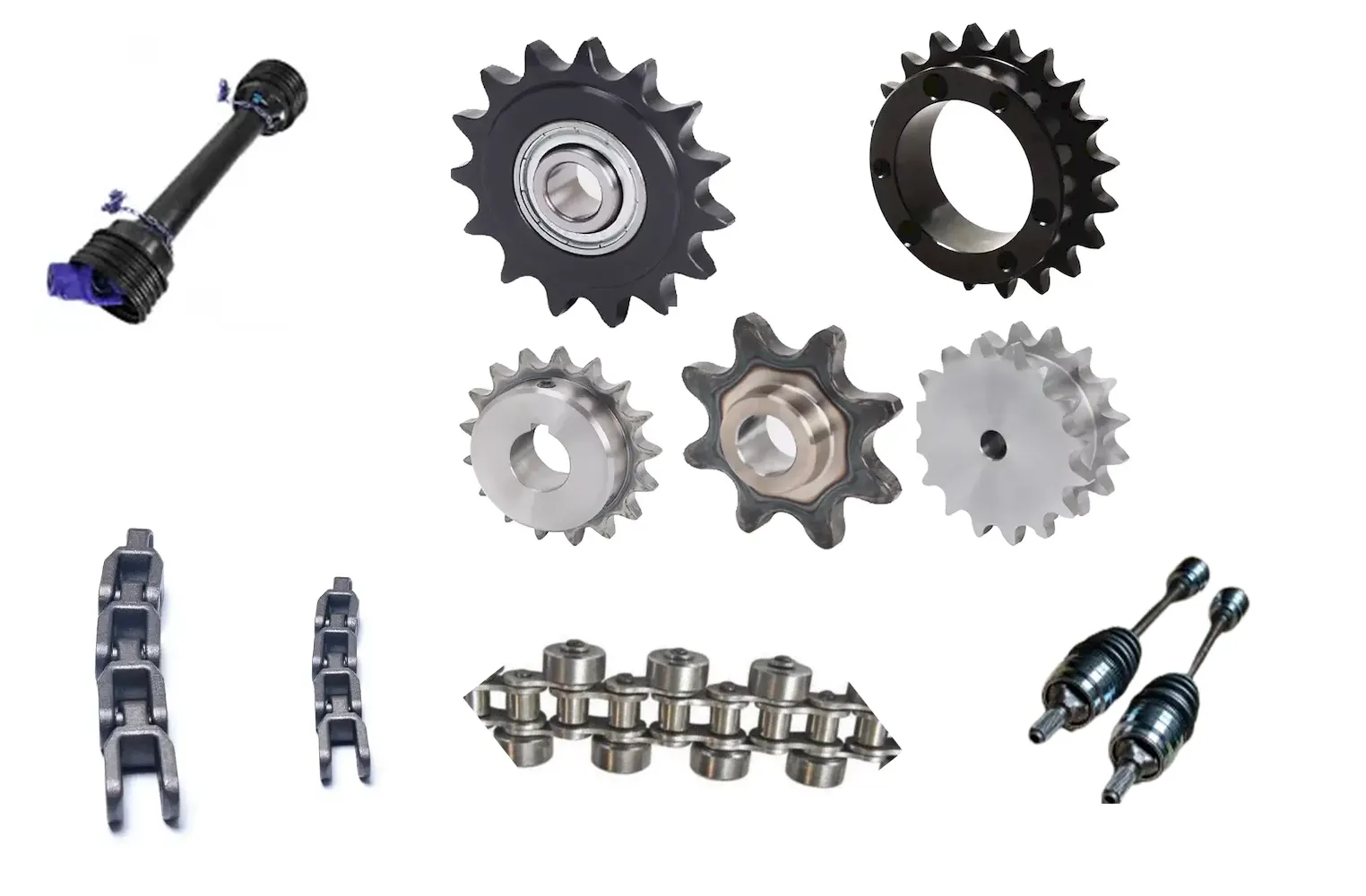
सीवी जॉइंट ड्राइव शाफ्ट
ईपी-एएफ कॉन्फ़िगरेशन के लिए जहां आउटपुट शाफ्ट एक कोणीय या समानांतर ऑफसेट पर लोड को चलाता है - बेल्ट ड्राइव सिस्टम जहां संचालित शाफ्ट ईपी-एएफ आउटपुट के साथ समाक्षीय नहीं है, या बड़े रोटरी टेबल पर दोहरी ड्राइव कॉन्फ़िगरेशन - सटीक सीवी जॉइंट ड्राइव शाफ्ट ईपी-एएफ शाफ्ट सिरे पर अतिरिक्त रेडियल लोडिंग के बिना ऑफसेट के माध्यम से आउटपुट टॉर्क संचारित करते हैं, जो उच्च-कठोरता शाफ्ट डिजाइन का पूरक है।
वर्म गियर रिड्यूसर
डायरेक्ट-माउंटेड बेल्ट पुली या चेन स्प्रोकेट वाले वर्टिकल EP-AF आउटपुट अक्षों के लिए — ऐसे होइस्ट और लिफ्ट तंत्रों के लिए जहां पावर बंद होने पर भी लोड को स्थिर रखना आवश्यक होता है — एक डाउनस्ट्रीम सेल्फ-लॉकिंग वर्म गियर रिड्यूसर किसी भी स्थिति में गुरुत्वाकर्षण लोड को स्थिर रखता है। वर्म रिड्यूसर बहुत कम गति वाले अनुप्रयोगों के लिए EP-AF कुल अनुपात रेंज को दो-चरण अधिकतम i=100 से आगे भी बढ़ाते हैं।
कृषि गियरबॉक्स
कोरियाई सटीक कृषि अनुप्रयोगों के लिए जहां ईपी-एएफ सीधे उर्वरक स्प्रेडर डिस्क, सीडर रोलर या स्प्रेयर पंप को संचालित करता है - विस्तारित शाफ्ट डिस्क या रोलर के वजन को रेडियल लोड के रूप में वहन करता है - कोरिया एवर-पावर के डाउनस्ट्रीम बेवल और स्पाइरल-बेवल कृषि गियरबॉक्स मल्टी-आउटपुट पीटीओ कॉन्फ़िगरेशन प्रदान करते हैं, जो एक ही कृषि मशीन पास में कई वर्किंग हेड्स में शक्ति वितरित करने के लिए ईपी-एएफ ड्राइव ट्रेन का विस्तार करते हैं।
अक्सर पूछे जाने वाले प्रश्नों
अतिरिक्त जानकारी
| संपादक | सीएक्सएम |
|---|
संबंधित उत्पाद
-
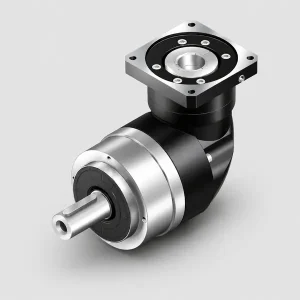
ईपी-एईआर सीरीज राइट-एंगल लार्ज फ्लेंज प्लेनेटरी गियरबॉक्स
-
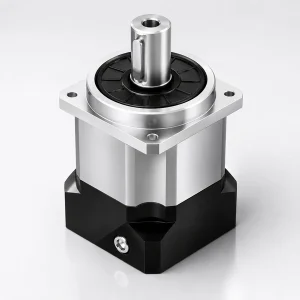
ईपी-एबी सीरीज स्टैंडर्ड स्क्वायर फ्लेंज हाई-प्रिसिजन इनलाइन प्लेनेटरी गियरबॉक्स (ईपी-एबी042 से ईपी-एबी220)
-
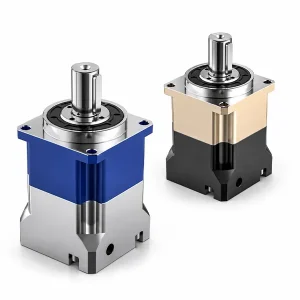
BAB सीरीज हाई-प्रिसिजन प्लैनेटरी गियरबॉक्स — स्टैंडर्ड फ्लेंज (EP-BAB042 से EP-BAB220)
-
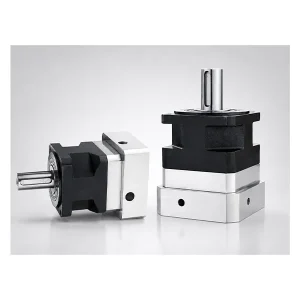
सर्वो एकीकरण के लिए उच्च परिशुद्धता वाला कॉम्पैक्ट प्लेनेटरी गियरबॉक्स — पीएलएस सीरीज (पीएलएस70–पीएलएस190)
-
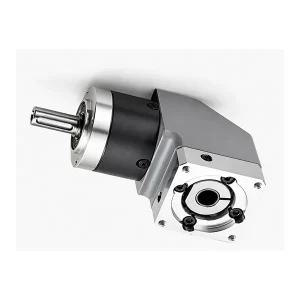
सीमित स्थान वाले ड्राइव के लिए समकोण ग्रहीय गियरबॉक्स — WPLE/WPLF श्रृंखला
-
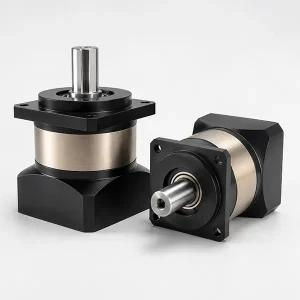
भारी उद्योग के लिए उच्च-टॉर्क वाला प्लेनेटरी गियरबॉक्स — पीएफ सीरीज (60/90/120/150पीएफ)
-
सर्वो मोटर्स के लिए उच्च परिशुद्धता वाला प्लैनेटरी गियरबॉक्स — PLE/PLF श्रृंखला
-
चेन-चालित फ़ीड मिक्सर के लिए पीजीए ऑगर प्लैनेटरी गियरबॉक्स