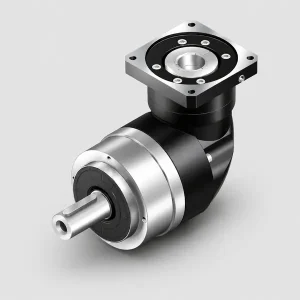
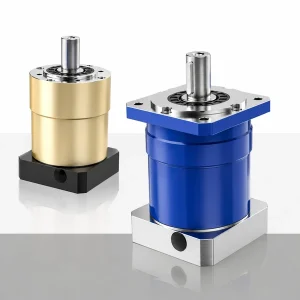
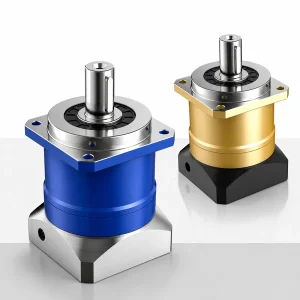
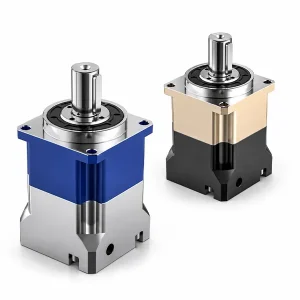
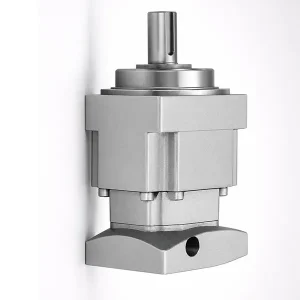
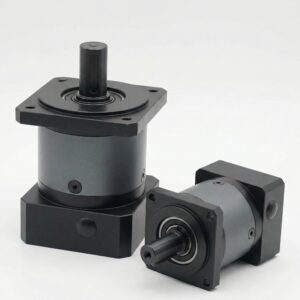
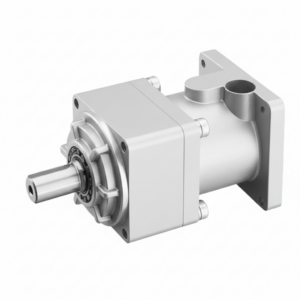
EP-ADシリーズ 円形フランジ付き高精度インライン遊星歯車減速機(EP-AD047~EP-AD255)

EP-ADシリーズは、円形出力フランジを備えた高精度インライン遊星歯車減速機で、EP-AD047からEP-AD255までの7種類のフレームサイズが用意されています。円形フランジ形状により、回転テーブル、中空軸アクチュエータ、円形ベアリングハウジングへのセルフセンタリング取り付けが可能になり、フランジ外径は追加のアライメントツールなしで同心取り付けの精密な基準点として機能します。バックラッシュ等級は、P0(≤1分角)、P1(≤3分角)、P2(≤5分角)の3種類(単段)から選択可能です。単段効率は≥97%、動作温度範囲は-10℃~+90℃、IP65が標準です。EP-ADの2段減速比には、角フランジのEP-ABシリーズにはない中間値である21、31、61、91が用意されており、VFDなしで標準モータ速度から精密な出力速度を実現できます。
EP-ADシリーズ - 円形フランジ付き高精度インライン遊星歯車装置
の EP-ADシリーズ高精度遊星歯車装置 これは、韓国エバーパワーの円形フランジ精密タイプで、回転テーブル、中空軸アクチュエータ、円形ベアリングハウジングなどの特定の設置要件に対応しています。これらの製品では、角フランジでは偏心オフセットやミスアライメントのリスクが生じます。 円形出力フランジの外径は精密加工された基準点として機能する フランジが相手側の穴に直接挿入されるため、ダイヤルゲージによる測定やシム調整なしに、ギアボックスの出力軸が同心円状にセンタリングされます。この自動センタリング機能により、設置時間が短縮され、回転テーブルやタレットなどの用途で最も一般的な位置決めずれの原因であるフランジ接合部の偏心も解消されます。
フランジ形状に加えて、EP-ADはギア比セットを提供します。 韓国のエバーパワーインラインシリーズの中で唯一無二の存在: 2 段構成には 21、31、61、および 91 が含まれます。これらは EP-AB 角フランジ シリーズでは利用できない中間比の値です。これらの比により、エンジニアは VFD を必要とせずに、標準の 1,450 rpm および 1,500 rpm の 4 極誘導モータ速度から特定の出力速度に到達したり、出力 RPM が定義されたプロセス レートに正確に一致する必要がある同期多軸システムで正確な速度マッチングを実現したりできます。この高精度遊星歯車装置の性能 (P0 ≤1 アーク分バックラッシュ、≥97% 単段効率、-10 °C ~ +90 °C、IP65) は EP-AB シリーズと同一です。
丸型フランジと角型フランジの比較 ― EP-ADの技術的メリット
角型フランジ(EP-AB)
│ • • │ ← 4つのコーナーボルト
│ │
│ 出力 │
│ シャフト │
│ ○ │
│ │
│ • • │
└─────────────┘
取り付け:4箇所固定
方向転換手順(90°)
センタリング:
ボルト締め
丸型フランジ(EP-AD)
· ╔═══╗ ·
· ║ ○ ║ · ← 出力軸
· ╚═══╝ · 中心に
・・・ボアパイロット
取り付け方法:任意
角度位置
センタリング:フランジ外径
パイロットがボアに
円形フランジの4つの構造上の利点
① パイロットをボア内に送り込む — 偏心ゼロの設定
円形フランジの外径は、回転テーブル、アクチュエータハウジング、またはベアリングシートの嵌合穴に直接収まるように精密に加工されています。ギアボックスの出力軸は、ダイヤルゲージやシム調整、反復的な調整を必要とせず、穴の軸と自動的に位置合わせされます。これは、モーターB5フランジとベアリングハウジングの嵌合に使用されている原理と同じです。位置合わせは、設置技術者ではなく、加工された円形表面によって行われます。
② Angularのインストール位置は問いません
角フランジは、コーナーボルトパターンが四重対称であるため、0°、90°、180°、270°の4つの方向にしか取り付けることができません。一方、EP-ADの円形ボルトパターンにはそのような制約はありません。ギアボックスは締め付ける前に任意の角度に回転させることができます。ケーブルの出口やモーターの向きを機械構造の特徴と正確に一致させる必要がある回転テーブルやタレットの設計においては、これはレイアウトの自由度を高める上で大きな利点となります。
③ ボルト荷重のより均一な分布
円形ボルトサークルは、同等の出力軸サイズの正方形フランジに比べて、円周上に均等に配置されたボルトの数が多いのが一般的です。サーボ軸の周期的なねじり荷重がかかると、フランジにかかるトルク反力は、より多くの締結具に、より均一な角度間隔で分散されるため、ボルトのピーク張力が低減され、振動や方向転換による緩みのリスクが軽減されます。
④ 回転対称荷重に対する幾何学的適合
回転テーブル、インデックスチャック、円形ワーク保持治具は、いずれも駆動軸に対して回転対称です。円形フランジはこの対称性に合致しており、駆動軸に対する負荷の角度方向の偏りがないため、回転位置に関係なく、ギアボックスからワーク保持具へのトルク経路は幾何学的に均一になります。円形テーブルに正方形フランジを使用すると、角度の非対称性が生じるため、機械の構造設計においてこれを考慮する必要があります。
EP-ADとEP-ABの選択決定表
| 要件 | → EP-ADを選択★ | → EP-ABを選択してください |
|---|---|---|
| 取り付けインターフェースの形状 | 円形穴、回転テーブル、中空軸アクチュエータ | 平らな機械ベッド、長方形のボルトパターン |
| 位置合わせ方法 | パイロット径による自動センタリング - 工具不要 | ボルトを締め付ける。必要に応じてシムを挿入する。 |
| 設置角度の自由度 | ギアボックス本体のあらゆる角度(360°回転)に対応 | 固定位置は4箇所のみ(0°/90°/180°/270°) |
| 必要なギア比 | i=21、31、61、または91が必要 | 標準比率のみ。i=3または低い奇数比率が必要 |
| 最小単段比 | i=4が最小値(i=3は不可) | i=3 利用可能 |
| 最大フレームサイズ | AD255(本体サイズ255mm ― AB220よりも大きい) | AB220(本体サイズ220mm) |
| 精度/効率/知的財産 | 同一:P0/P1/P2 · ≥97% 単段 · −10~+90 °C · IP65 | |
EP-AD シングルステージ比は 4、5、7、10 のみで、比 3、6、8、9 は 利用不可 本シリーズでは、アプリケーションでi=3(最も一般的な低比率サーボアプリケーション)が必要な場合は、EP-ABを使用してください。円形フランジ付きでi=4、5、7、または10が必要な場合は、EP-ADが適切な選択肢です。
ユニークな比率21、31、61、91 ― なぜこれらの中間値が重要なのか
として 丸フランジ精密遊星歯車装置 回転テーブルや円形アクチュエータへの設置向けに設計されたEP-AD 2段ギア比には、EP-AB角フランジシリーズや競合するほとんどの精密遊星歯車減速機にはない、21、31、61、91の4つの値が含まれています。これらは恣意的な追加ではなく、利用可能な標準比(20、25、30、35、40、50、70、100)ではモータ回転速度から必要な出力速度が得られないという、実際の機械設計上の要件を反映したものです。
一般的なモーター入力における出力速度 ― EP-ADと最も近い標準比の比較
| 比率 | 1,450 rpm 4極、50Hz |
1,500回転/分 4極、理想的 |
3,000回転/分 サーボモーター |
注記 |
|---|---|---|---|---|
| i=20 | 72.5 | 75.0 | 150.0 | AB/AD |
| i=21 ★ | 69.0 | 71.4 | 142.9 | 広告のみ |
| i=25 | 58.0 | 60.0 | 120.0 | AB/AD |
| i=31 (括弧) | — | — | — | |
| i=31 ★ | 46.8 | 48.4 | 96.8 | 広告のみ |
| i=35 | 41.4 | 42.9 | 85.7 | AB/AD |
| i=50 | 29.0 | 30.0 | 60.0 | AB/AD |
| i=61 ★ | 23.8 | 24.6 | 49.2 | 広告のみ |
| i=70 | 20.7 | 21.4 | 42.9 | AB/AD |
| i=91 ★ | 15.9 | 16.5 | 33.0 | 広告のみ |
| i=100 | 14.5 | 15.0 | 30.0 | AB/AD |
中間比率が実際の問題を解決するとき
i=21 — 速度20~25
1,500 rpm の誘導電動機が、i=20 (75 rpm) と i=25 (60 rpm) の間の 70~72 rpm の出力を駆動する必要がある場合、i=21 では 71.4 rpm になります。この比率がない場合、エンジニアは 5% の速度誤差を受け入れるか、VFD を追加してモーター速度を調整する必要があります。出力速度が製品速度と完全に一致する必要がある同期コンベアやプロセスラインでは、これにより VFD のコストとそれに伴うエネルギー損失がなくなります。
i=61 — 50と70をつなぐ
入力1,500rpmでi=61の場合、出力は24.6rpmとなり、これは多くの低速回転精密ターンテーブルや回転溶接治具に必要な速度です。i=50では30rpm(速すぎる)、i=70では21.4rpm(遅すぎる)となります。i=61はこのギャップにちょうど収まります。i=50とi=70の間の20rpmの範囲は、韓国のロボットや溶接自動化装置で特に一般的な要件です。
i=91 — VFDなしで約16rpm
1,500 rpm の入力で i=91 の場合、16.5 rpm が得られます。これは 16 rpm (一般的な低速プロセス速度) に十分近いため、標準的な誘導電動機で可変速制御を必要とせずに出力を駆動できます。i=100 では 15 rpm しか得られません。i=91 では、コンパクトな遊星歯車形状で 2 段ギア比として実現可能な速度が 10% 向上します。
EP-AD047~EP-AD255 - 丸フランジ遊星歯車装置の全仕様
| 共通仕様 — すべてのEP-ADフレーム | |
|---|---|
| 出力トルク範囲(T2N) | 14 N·m (EP-AD047) ~ 2,000 N·m (EP-AD255) |
| 出力フランジ | 穴の自動センタリングのための精密なパイロット径を備えた円形フランジ |
| バックラッシュ — P0 (マイクロ) | 単段式:1分角以下 · 二段式:3分角以下 |
| 反発 — P1(軽減) | 単段式:3分角以下 · 二段式:5分角以下 |
| バックラッシュ — P2(標準) | 単段式:5分角以下 · 二段式:7分角以下 |
| 単段比 | 4, 5, 7, 10 (注:比率3、6、8、9はEP-ADでは利用できません) |
| 2段階比率 | 16, 20, 21, 25, 31, 35, 40, 50, 61, 70, 91, 100 (★太字=EP-AD独自の仕様) |
| 単段効率 | ≥97% |
| 2段階効率 | ≥94% |
| 動作温度 | −10℃~+90℃(シリーズグリース使用時) |
| 保護等級 | IP65規格準拠・IP67オプション |
| 出力軸 | S1:滑らかな円筒形シャフト S2:キー溝付き |
| 潤滑 | 密封グリース - 通常の使用条件下ではメンテナンスフリー |
使用可能なフレームサイズ — EP-AD047~EP-AD255
| フレーム | AD047 | AD064 | AD090 | AD110 | AD140 | AD200 | AD255 |
|---|---|---|---|---|---|---|---|
| 本体直径(mm) | 47 | 64 | 90★ | 110 | 140 | 200 | 255 |
| トルククラス | 最小値 (14 N·m) | ライト | 最も指定された | 中くらい | 中~重め | 重い | 最大(2,000 N·m) |
注: EP-AD フレーム番号 (047、064、110、140、200、255) は EP-AB フレーム番号とは異なります。トルク範囲は似ていますが、2 つのシリーズは寸法的に互換性がありません。AD を AB に、またはその逆で置き換える前に、必ず寸法図を確認してください。転倒モーメント抵抗または IP67 浸水保護のために、より広い出力フランジが必要なアプリケーションについては、以下を参照してください。 EP-AE大型フランジ遊星歯車装置.
モデル指定ガイド — EP-AD部品番号
インライン、丸型フランジ
精密シリーズ
直径:90mm
(二段階)
EP-AD排他的比率
S1: スムーズ
S2:キー溝付き
P0 / P1 / P2
| 位置 | コード | オプション/意味 |
|---|---|---|
| シリーズ | EP-AD | 韓国エバーパワー社製インライン円形フランジ精密遊星歯車減速機。「A」サフィックスなしのバリエーション。入力構成はモーターアダプタプレートの選択によって対応。 |
| フレームサイズ | 047 / 064 / 090 / 110 / 140 / 200 / 255 | ハウジング本体の直径(mm) EP-ABとは異なるスケール — 同じ番号のADとABの間には物理的な互換性があると想定しないでください。 |
| ギア比 | 4/5/7/10 · 16~100 (21/31/61/91を含む) | 単段式:4、5、7、10のみ(3、6、8、9は除く) ・二段式:16、20、21、25、31、35、40、50、61、70、91、100 |
| 出力軸 | S1 / S2 | S1:平滑 S2:キー溝付き |
| バックラッシュ等級 | P0 / P1 / P2 | P0: ≤1'/≤3' · P1: ≤3'/≤5' · P2: ≤5'/≤7' (単段/二段) |
用途 — 円形フランジ取り付けおよび高精度出力速度要件
精密回転テーブル - 丸穴、自動センタリング P1
韓国製のCNC加工センター用精密回転テーブルは、テーブルベースに円形の駆動穴が設けられており、EP-ADの丸フランジを直接受け入れることができます。パイロット径により、ギアボックスの出力軸がテーブルの回転軸に対して製造公差内に自動的にセンタリングされ、切削負荷がかかった際にテーブルのぐらつきの原因となる偏心を排除します。P1(≤3分角)の090および110フレームは、20~61の比率で、韓国製の4軸精密回転テーブル駆動の大部分をカバーしており、標準的な1,450rpmモーターから約24rpmで回転させる必要があるテーブル用の中間比率i=61も含まれています。デュアルモーター回転テーブル構成用の精密CV駆動軸と互換性があります。
自動溶接ポジショナー - 丸フランジ、あらゆる角度に対応
溶接ポジショナーフレームは回転対称性に基づいて構築されます。つまり、駆動部はワークピースの回転軸と同心でなければならず、溶接経路のずれを引き起こす偏心があってはなりません。EP-ADの円形フランジはポジショナー駆動ハウジングの穴に直接挿入され、アライメント調整なしでギアボックスをセンタリングします。韓国の自動溶接セルでは、ポジショナー速度が15~70rpm(ほとんどのMIGおよびTIG回転溶接アプリケーションの速度範囲)で動作する必要があります。EP-ADの比率セットの独自の値(特にi=21とi=61)は、標準モーター速度から直接特定の溶接速度に到達し、溶接コントローラーにノイズ干渉を引き起こす可能性のある別のVFDを導入することなく、ポジショナーの回転をワイヤ送給速度および移動速度と同期させます。
中空軸回転アクチュエータ - 円形ハウジング、P0グレード
韓国の協働ロボット、半導体ハンドリング、および光学位置決めシステム用の回転アクチュエータは、多くの場合、中空シャフト出力形状で設計されています。ケーブルとユーティリティは回転軸を通ります。これらのアクチュエータは、EP-ADの丸フランジに直接適合する円形の内径ハウジングを備えています。P0 (≤1分角) では、047および064フレームは、光学アライメントおよび半導体位置決めアクチュエータのサブ分角精度要件を満たし、丸フランジの自己センタリング特性により、メンテナンスの再組み立て後も中空シャフトボアの同心度が維持されます。
アプリケーションリファレンス
- ✦高精度CNC回転テーブル
- ✦自動溶接ポジショナー
- ✦中空軸回転アクチュエータ
- ✦協働ロボット用ジョイント駆動装置(P0)
- ✦CNCタレットツールチェンジャー
- ✦索引表(同期行)
- ✦光学ステージ位置決め(P0)
- ✦円形カム/偏心駆動
- ✦ロータリーキルンのプレドライブ
CNCタレットツールチェンジャー - 丸穴、i=91
CNC旋盤のタレット駆動には、円筒形のタレットハウジングの穴に完全に同心度で収まる減速機が必要です。わずかな偏心でも工具位置決め誤差に直結します。EP-ADの円形パイロットフランジは、測定なしでギアボックスをタレット穴の中心に正確に配置します。他のEPインラインシリーズにはないi=91の減速比により、標準的なサーボモーターでタレットを駆動し、韓国製CNC旋盤の工具間位置決めサイクルタイム要件を満たす高精度なインデックス速度を実現します。
同期組立ライン — プロセス速度マッチングのためのi=21/31
韓国の自動車および電子機器組立ラインでは、複数の回転駆動装置を共通のライン速度に同期させています。標準モーターに必要な回転速度が2つの標準比の間にある場合、i=21またはi=31を使用することで、VFDを使用せずにそのギャップを埋めることができます。同期された各ステーションからVFDを排除することで、駆動装置のコストと、独立した制御ループによるVFD間の速度変動の可能性の両方を排除できます。これは、ステーション数の多い長い同期ラインにおいて、実用上精度上の利点となります。
垂直軸回転駆動装置 - 丸フランジ+セルフロックステージ
重荷重保持用の垂直回転ポジショナーでは、電源喪失時に位置を保持するために、精密遊星歯車機構の下流にセルフロック式の二次ステージが必要です。EP-ADの丸型フランジは、下流のウォームギア式セルフロックステージの円形ハウジングと、角型フランジユニットよりも自然に嵌合します。両コンポーネントは垂直軸に対して回転対称であるため、角型フランジが垂直コラム型ポジショナー設計にもたらす角度のずれが解消されます。
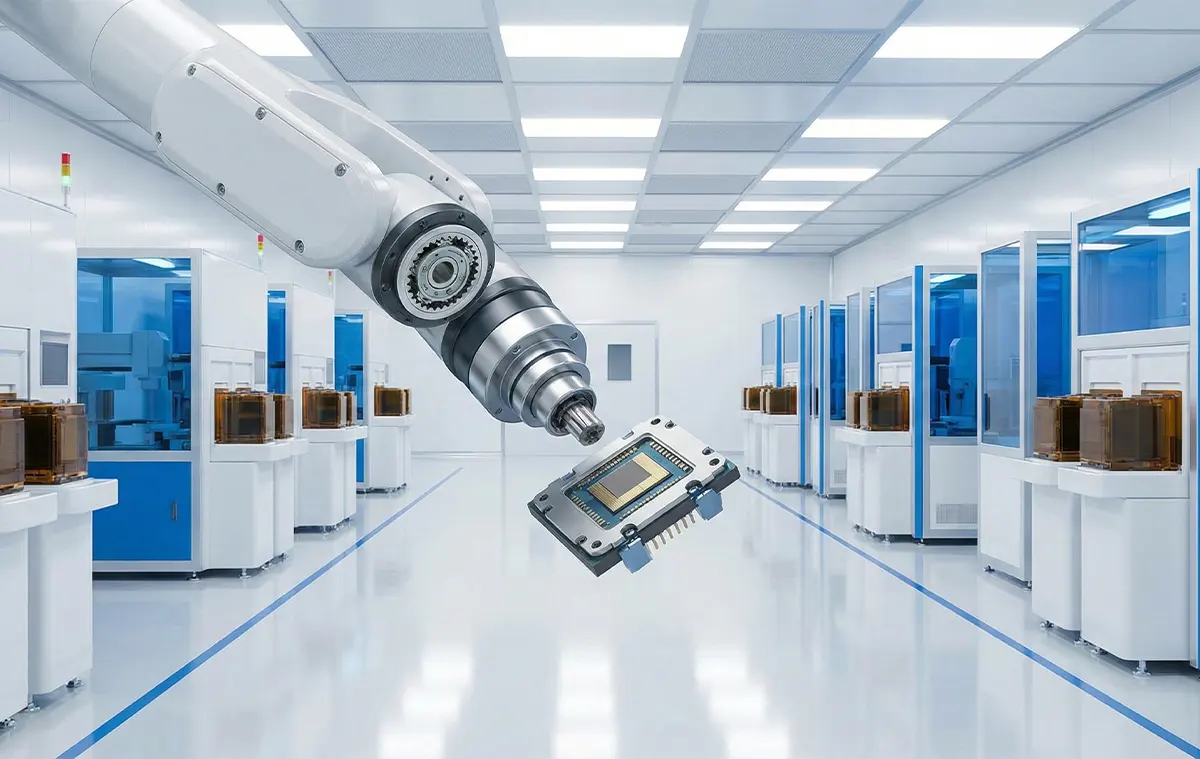
品質認証および試験基準
- ✔円形フランジのパイロット径とボルト円周はCMMで検証済み - センタリング公差も確認済み
- ✔出荷書類にユニットごとのバックラッシュ等級(P0/P1/P2)が証明されています。
- ✔IEC 60529に基づくIP65防塵・防水性能試験済み(全ユニット対象)。
- ✔生産バッチごとの定格トルクでの全負荷効率試験
- ✔納品時に材料証明書と寸法図が同梱されます。
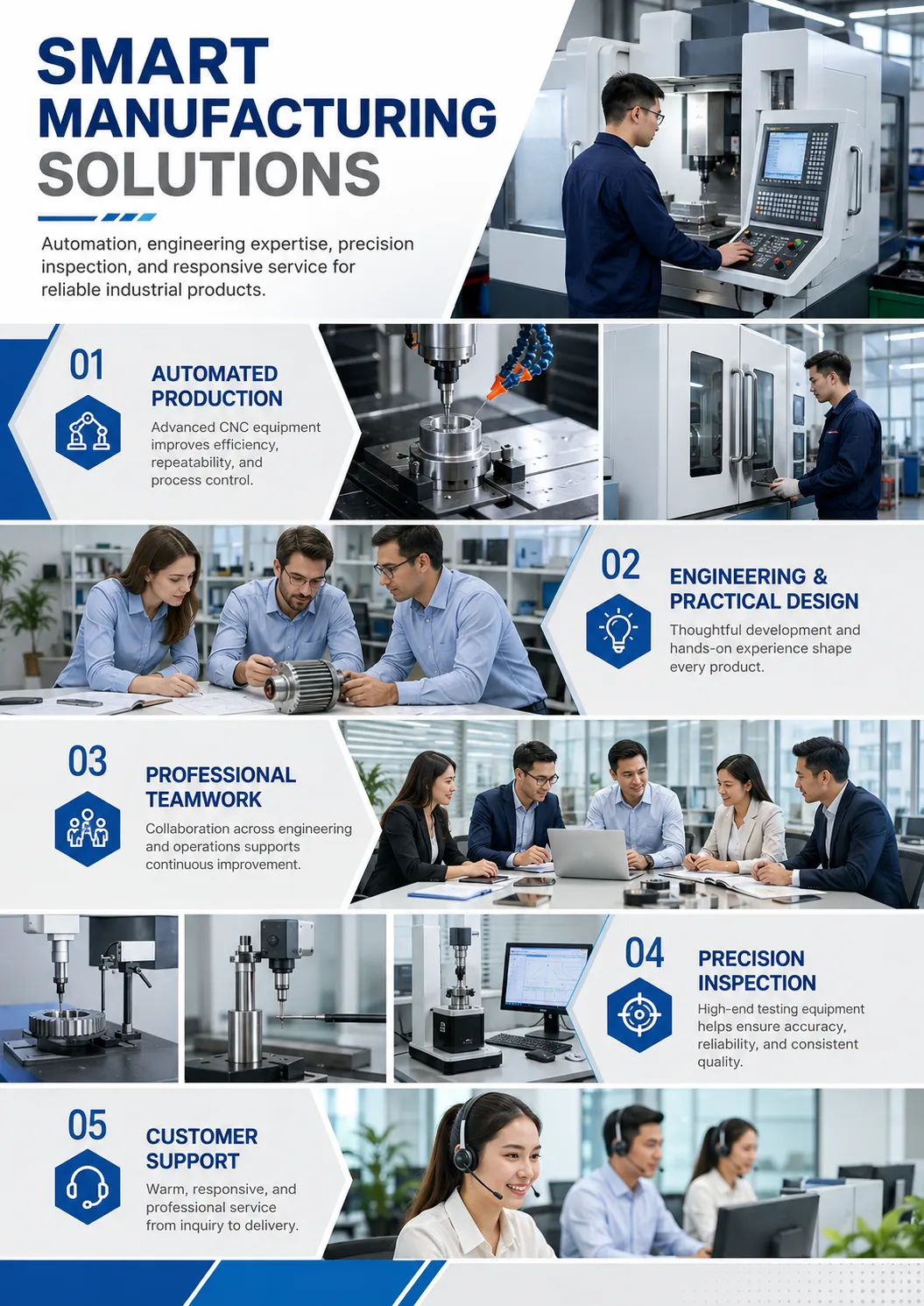
韓国のエンジニアが韓国エバーパワーEP-ADシリーズを指定する理由
⭕
CMMで検証済みのパイロット径 - ゼロ測定による設置
丸フランジパイロット径はCMMで検証され、相手側の穴に自動的にセンタリング嵌合する公差が認証されています。韓国の回転テーブルおよびポジショナーメーカーは、ダイヤルゲージや試行錯誤によるシム調整、機械組立時の再加工が不要で、初回で同心円状に取り付けられるユニットを受け取ることができます。これにより、機械1台あたりの組立時間が大幅に短縮され、回転駆動システムの初期不良の原因となる偏心の問題が解消されます。
🔢
比率21/31/61/91 — 他の丸フランジシリーズでは提供されていません
これら4つの中間減速比は、韓国エバーパワーの精密遊星歯車機構EP-ADシリーズにのみ搭載されています。屋外や洗浄環境向けにIP65規格の密閉型ユニットを必要とする韓国の機械メーカーは、これまで標準減速比では目標速度に達しないため速度誤差を許容するか、補正のために可変周波数駆動装置(VFD)を追加していましたが、これら4つの値のいずれかが出力速度の要件を正確に満たし、システムコストと複雑さを軽減できることが分かりました。
🔄
設置時に360°の角度自由度を実現
スペースに制約のあるモーター配置を前提とした設計を行う韓国の機械メーカーにとって、EP-ADギアボックス本体を締め付け前に任意の角度に回転できる機能は、実用的なレイアウト上の利点となります。ケーブル配線、オイル注入口、モーターコネクタなどを、正方形フランジの形状によって90°刻みで制限されることなく、利用可能なスペースに合わせて配置できます。
📐
最大フレーム AD255 — 最大 2,000 N·m
EP-AD255は、本体直径255mmで、出力トルク2,000N·mを実現しています。これは、円形フランジ取り付けと、マルチ出力構成のための下流側ベベルパワー分割ステージの両方を必要とする大型回転テーブルに十分な大きさです。また、最大フレームサイズは、角フランジシリーズのEP-AB(最大220mm)よりも大きくなっています。円形フランジ取り付けと高出力トルクの両方を必要とする大型回転テーブル向けに、EP-AD255は、角フランジシリーズでは円形フランジ形式で同等のトルクを実現できない用途にも対応します。
⚡
効率97%以上、動作温度範囲-10~+90℃ - EP-ABと同等
設置の容易さや比率のメリットを理由に丸フランジ型のEP-ADを選択しても、効率や温度範囲に悪影響はありません。すべてのEP-ADフレームは、EP-ABシリーズと同様に、単段効率≥97%、IP65保護等級、および-10~+90℃の動作温度範囲を維持しています。そのため、EP-ADは丸フランジ型でありながら、EP-ABと同様に屋外、冷蔵室、高温環境での使用に適しています。
🇰🇷
韓国語での比率と速度計算のサポート
韓国のエバーパワー社の韓国アプリケーションエンジニアリングチームは、EP-AD向けに、出力速度計算の確認、中間比のマッチング(21/31/61/91とVFDのコスト比較)、およびボア嵌合公差の検証を韓国語で提供し、韓国のロータリーテーブル、ポジショナー、CNC工作機械のOEMメーカーの設計および調達プロセスをサポートしています。
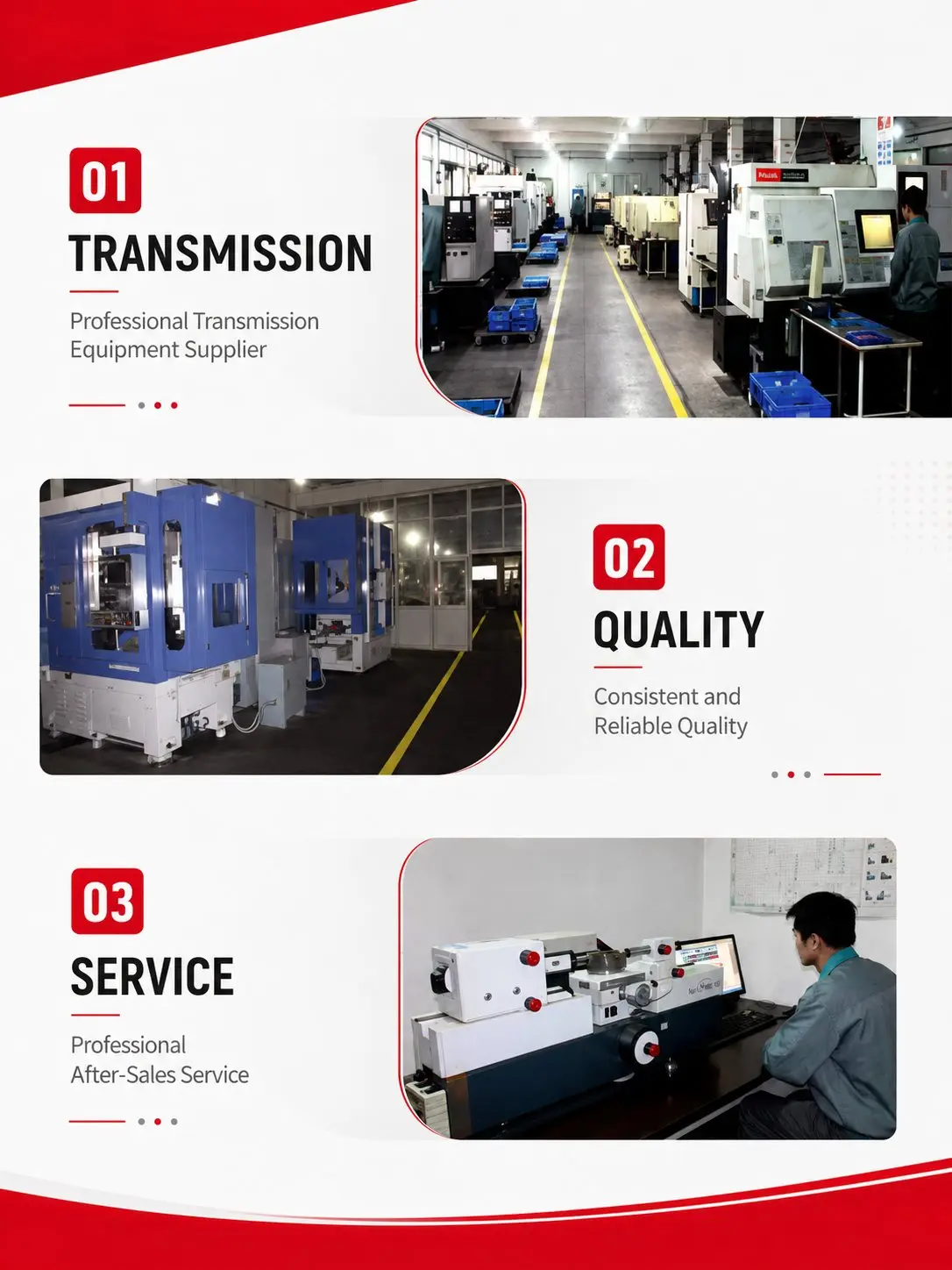
アクセサリーおよび関連トランスミッション製品
完全な円形フランジ型インライン遊星歯車駆動システムでは、出力側に追加のトランスミッション部品が必要となることがよくあります。EP-AD円形フランジは、直接穴に取り付けるように最適化されており、回転テーブル、アクチュエータ、またはポジショナーハウジングが構造的なインターフェースとなります。Korea Ever-Powerは、EP-AD出力シャフト以降のシステムを完成させるための駆動シャフトとギアボックスアクセサリを提供します。
韓国エバーパワー社製インライン精密遊星歯車装置の選定において、角型ボルトパターンが必要な場合は、EP-AB角型フランジ精密遊星歯車装置が平面取付の選択肢となります。また、高い転倒モーメント容量とIP67保護等級の両方が求められる用途には、EP-AE大フランジ遊星歯車装置が適しています。
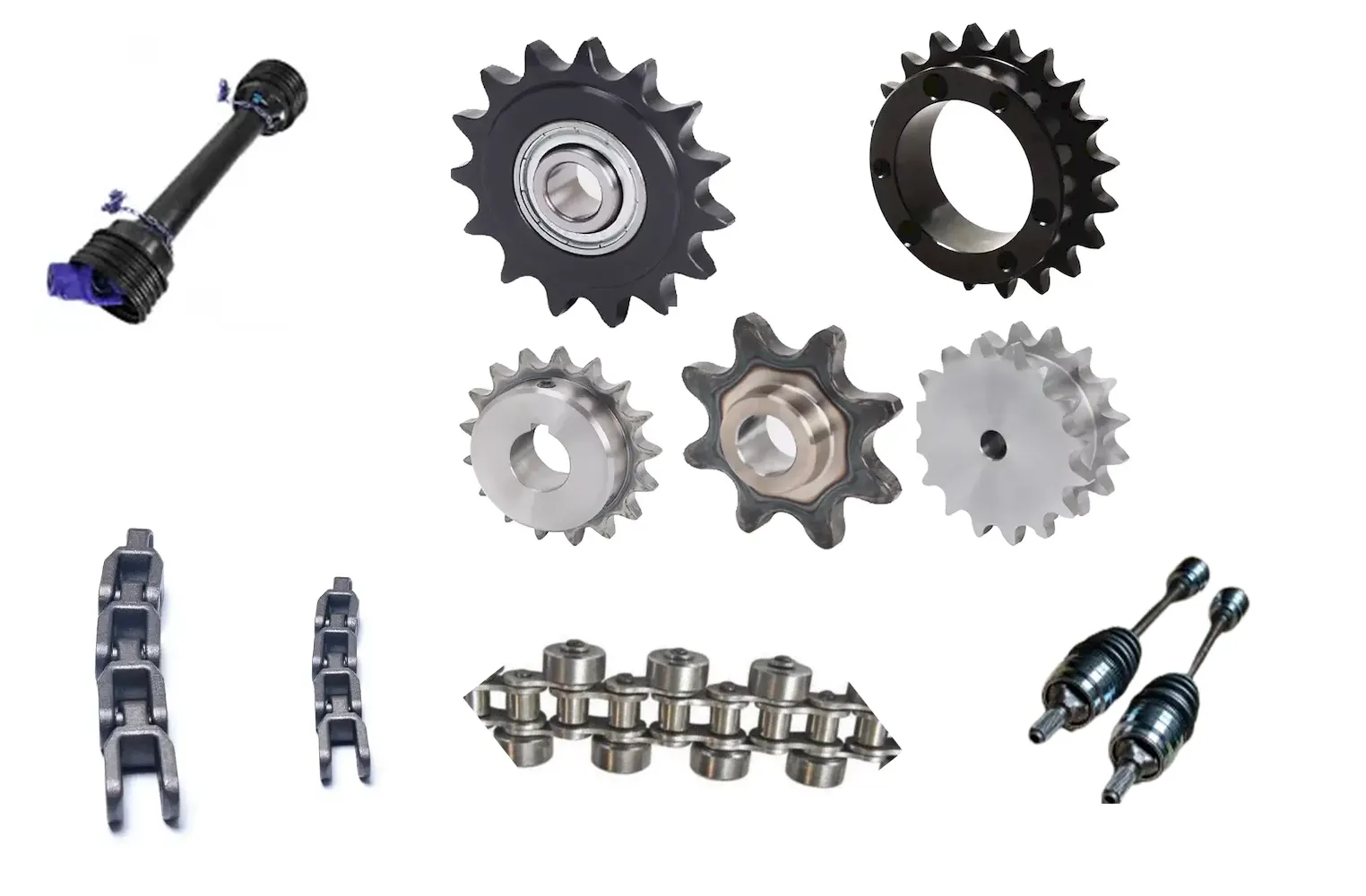
韓国エバーパワーの精密伝動製品 ― ギアボックス、CVシャフト、ウォーム減速機、農業用ギアボックス
CVジョイントドライブシャフト
EP-ADの丸フランジ出力シャフトは、駆動部品に同心円状に挿入されますが、駆動軸がギアボックス出力からオフセットまたはずれている場合は、精密CVジョイント駆動シャフトがそのギャップを埋めます。これは、テーブル中心が駆動モーターと同軸でない回転テーブルアセンブリや、スペースや熱上の理由からギアボックスがワークピースの回転軸から離れた位置に配置される溶接ポジショナー構成で使用されます。
ウォームギア減速機
EP-ADの垂直位置決め軸の丸フランジ出力(ワークピースや治具が出力から吊り下げられる場合)では、停電時に負荷を保持するためのセルフロック機能が必要です。下流側のセルフロック式ウォームギア減速機は、電磁ブレーキを使用せずにこの機能を実現します。ウォーム減速機は、EP-ADの減速範囲を拡張し、非常に低い出力速度(100:1の2段減速比の最大値以下)でのアプリケーションにも対応します。
農業用ギアボックス
韓国の農業自動化システムでは、播種機のヘッド位置精度、肥料散布機の可変施肥制御、収穫機のヘッド駆動システムなどに、サーボ駆動式の遊星歯車減速機がますます多く採用されています。EP-ADの丸フランジ出力は、これらの精密農業用途におけるPTO駆動の多出力構成に対応するため、ベベルギアやスパイラルベベルギアといった農業用減速機にスムーズに接続できます。
顧客レビューとアプリケーションに関するフィードバック
5つ星
86%
4★
12%
≤3 ★
2%
500 mm 4 軸回転テーブルの駆動には、P1 で EP-AD090、i=61 を使用しました。1,450 rpm のモーターから正確に 23~24 rpm が必要でした。i=61 では 23.8 rpm となり、これは重チタン正面フライス加工に必要なテーブル速度と一致します。i=50 (29 rpm) と i=70 (20.7 rpm) はどちらも当社のプロセスには不適切でした。丸フランジは、振れ調整なしで 92 mm H7 ボアに直接パイロットされました。最初の組み立てでテーブルの偏心は 0.003 mm でした。以前は角フランジユニットを使用していたため、シム調整に 1.5 時間かかっていました。20 か月で 8 つのテーブルを展開しましたが、同心度の問題は一切ありませんでした。
EP-AD110は、当社の溶接ポジショナーラインのP1、i=21で動作しています。ポジショナーの回転は、直接オンライン(溶接干渉を避けるためVFDなし)で動作する1,440rpmのモーターに同期しています。i=21では68.6rpmとなり、これは当社が使用している特定のパイプ径の溶接移動速度4m/分と一致します。i=21を使用しない場合は、i=20(72rpm、5%が速すぎる)を使用し、ワイヤ送給を手動で調整して補正する必要がありました。EP-ADは手動調整を不要にしました。また、丸型フランジは回転してモーターケーブルの出口をケーブル管理の経路に正確に合わせます。これは角型フランジでは不可能でした。17か月で22台のポジショナーユニットが展開されました。
中空軸協働ロボットの肩関節には、P0グレードのEP-AD064(i=91)を使用しました。P0グレードは、当社の関節角度分解能仕様を満たしています。丸フランジは、当社の68 mm H6アクチュエータボアに0.002 mmの全振れで挿入でき、これは受入検査用CMMで確認済みです。i=91の比率により、熱効率の悪い動作点でモーターを稼働させることなく、10 kgのペイロードに対して肩関節で必要な出力速度とトルクのプロファイルを正確に得ることができます。韓国のEver-Power社は、当社の400Wモーターの選定を裏付ける慣性比の計算を提供してくれました。同社の韓国語サポートは、これまで当社が利用したどの海外サプライヤーよりも迅速かつ技術的に詳細でした。
EP-AD090は、同期式自動車組立コンベアのインデックステーブル上でP2、i=31で動作します。1,450 rpmの誘導モーターのi=31の比率は46.8 rpmとなり、これはVFDなしで3.2秒のステーションサイクルタイムに正確に一致するテーブル回転速度です。12台のテーブルからVFDを取り除いたことで、設置コストを大幅に削減し、12個の独立したVFD制御ループから発生していたステーション間の速度同期のばらつきを解消しました。重要な注意点:EP-ADはi=4の単段までしか対応していません。i=3が必要な場合は、EP-ABを使用してください。これは仕様策定時に判明しましたが、韓国エバーパワーのチームが発注前に指摘してくれたので感謝しています。
EP-AD申請に関するあなたの経験を共有してください。 韓国エバーパワーへのお問い合わせ先: [email protected]
よくある質問
追加情報
| エディタ | Cxm |
|---|