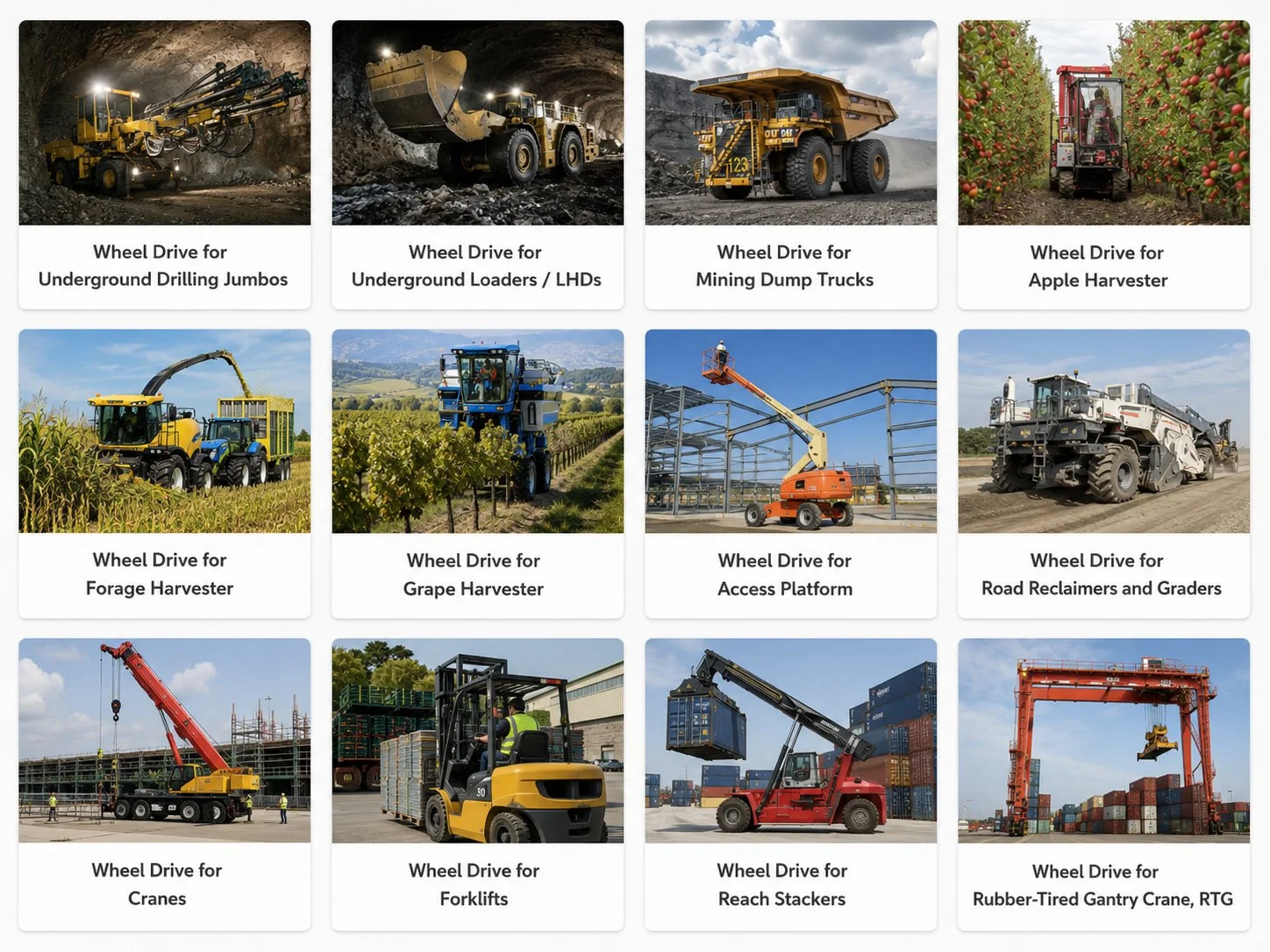
365 dagen per jaar in bedrijf — De enige landbouwmachine die nooit stilstaat.
Alle andere landbouwvoertuigen met wielaandrijving in deze serie werken seizoensgebonden – van de 15 dagen durende appeloogst tot het 200 dagen durende suikerrietverwerkingsseizoen. De zelfrijdende voermenger werkt echter elke dag van het jaar. Melkkoeien moeten zonder uitzondering dagelijks gevoerd worden – een gemiste voeding vermindert de melkproductie met 5 tot 15 liter per kilo gedurende de volgende 2 tot 3 dagen, en onregelmatige voerschema's veroorzaken spijsverteringsproblemen die de gezondheid van de kudde wekenlang kunnen aantasten. planetaire versnellingsbak met wielaandrijving Daarom moet er dagelijks absolute betrouwbaarheid gegarandeerd zijn, want er is geen reservemachine, geen reparatieperiode buiten het seizoen en geen mogelijkheid om een dag over te slaan.
Het dagelijkse werkpatroon is zeer repetitief: laden bij de kuil (10 tot 20 minuten), naar de stal of voederplaats rijden (2 tot 5 minuten), voer langs het voerhek verdelen (15 tot 30 minuten), terug naar de opslagruimte (2 tot 5 minuten). Deze cyclus wordt 2 tot 4 keer per dag herhaald, 365 dagen per jaar – wat neerkomt op 700 tot 1500 bedrijfsuren per jaar. Hoewel het aantal jaarlijkse uren relatief laag is vergeleken met een suikerrietmaaier, is het aantal dagelijkse start- en stopcycli het hoogst van alle landbouwmachines: 730 tot 1460 koude starts per jaar, die elk een tijdelijke thermische belasting vormen voor de afdichtingen en lagers van de versnellingsbak, omdat deze van omgevingstemperatuur naar bedrijfstemperatuur moeten overgaan.
Het feit dat de machine het hele jaar door in bedrijf is, betekent ook dat de wielaandrijving onder alle klimaatomstandigheden moet functioneren: van -25 graden Celsius in de winterochtend (waarbij de tandwielolie een koude, stroperige pasta is en de afdichtingen stijf aanvoelen) tot +40 graden Celsius in de zomermiddag (waarbij de olie dunner wordt en de afdichtingen zachter). Het bedrijfstemperatuurbereik voor een wielaandrijving van een voermenger is doorgaans 80 tot 100 graden Celsius breder dan voor een seizoensgebonden oogstmachine die alleen bij gunstig weer in bedrijf is. Dit vereist olie- en afdichtingsmaterialen die gedurende de volledige jaarlijkse temperatuurcyclus zonder kwaliteitsverlies functioneren.
De economische gevolgen van een defect aan de wielaandrijving van een voermenger zijn direct en meetbaar. Een melkveebedrijf met 500 koeien produceert ongeveer 1.500 tot 3.000 dollar aan melkopbrengst per dag. Een storing in de voermenger die de ochtendvoeding met 4 uur vertraagt, kan de melkproductie op die dag met 5 tot 81 ton verminderen – een verlies van 75 tot 240 dollar. Als de storing een hele dag duurt (wachten op een vervangende versnellingsbak of monteur), loopt het productieverlies op tot 150 tot 480 dollar – plus de kosten van noodvoeding (handmatig mengen, een machine van de buren lenen of voorgemengd TMR van een leverancier kopen). Zelfs twee of drie storingen van één dag kunnen over een jaar al 500 tot 1.500 dollar aan verloren melkproductie kosten – nog voordat de reparatiekosten worden meegerekend. Dit is de reden waarom melkveehouders bij de aanschaf van zelfrijdende voermengers consequent de voorkeur geven aan de betrouwbaarheid van de wielaandrijving boven de prijs.
Het onderhoudsschema voor de aandrijving van een voermenger moet worden afgestemd op het dagelijkse operationele patroon; er is geen vast jaarlijks revisiemoment. Al het onderhoud (olieverversingen, inspectie van afdichtingen, smeerintervallen) moet kunnen worden uitgevoerd in de 2 tot 4 uur tussen de laatste avondvoeding en de voeding van de volgende ochtend, of tijdens de korte middagpauze tussen de voedingscycli. Onderhoudsprocedures die meer dan 2 uur in beslag nemen, kosten in feite een voedingscyclus en moeten worden vermeden door proactief onderdelen te vervangen vóórdat ze defect raken, in plaats van reactief te repareren nadat ze kapot zijn gegaan.
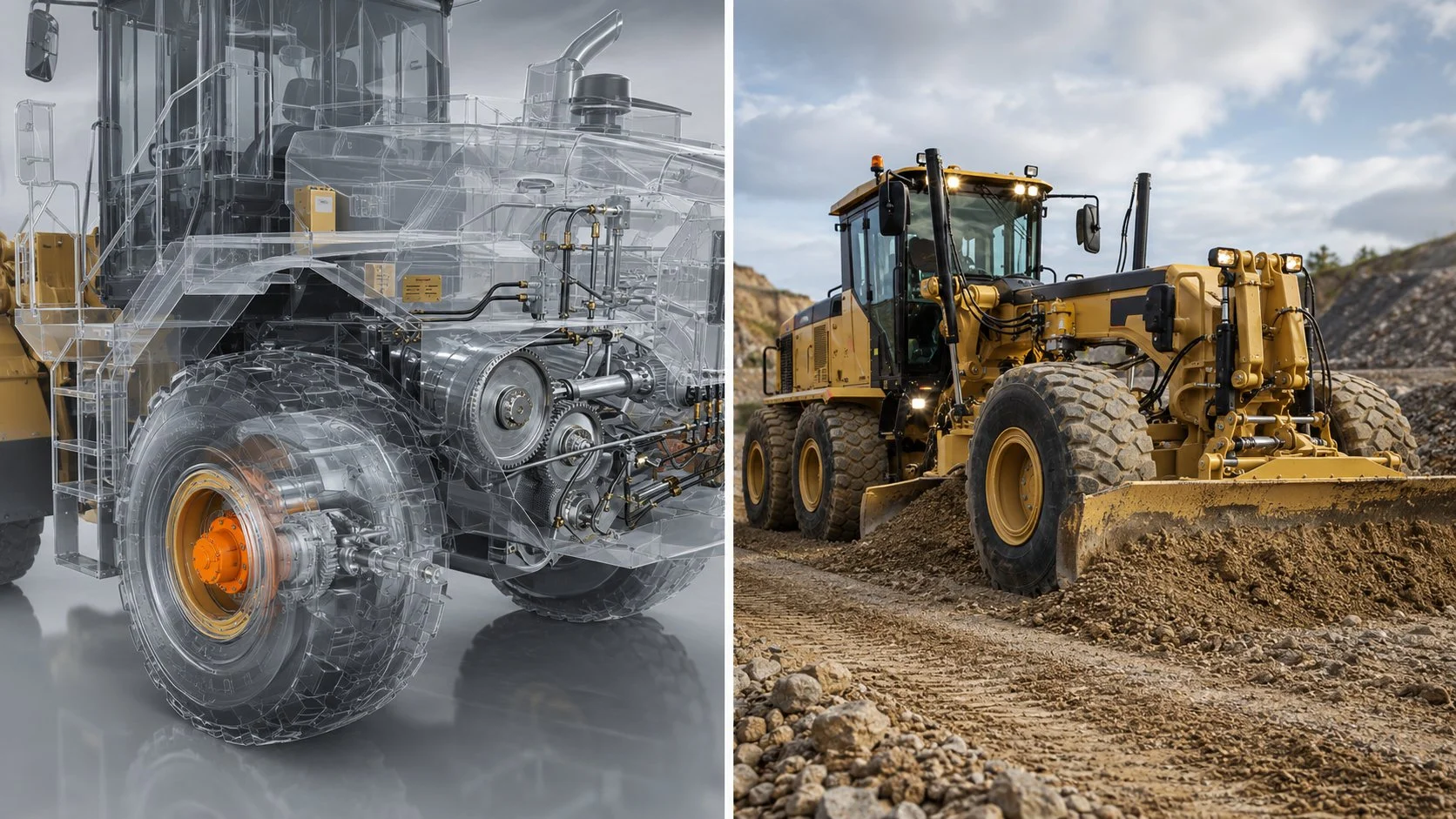
Navigeren op een veestal en in een schuur: scherpe bochten, betonnen oppervlakken en geen enkele tolerantie voor bandensporen.
In tegenstelling tot veldmaaiers die op open landbouwgrond werken, werken voermengers in besloten ruimtes: stalgangen (3 tot 5 meter breed), voederhokken (10 tot 20 meter), toegangswegen naar kuilvoeropslagplaatsen (4 tot 6 meter) en paden langs voerhekken. De machine moet aan het einde van elke rit langs het voerhek 180 graden draaien en om obstakels heen manoeuvreren (hekken, palen, waterbakken, geparkeerde machines) in ruimtes met minimale bewegingsruimte.
De wendbaarheid is een vereiste: een voermenger met een totale lengte van 6 meter moet een draaicirkel van 8 tot 12 meter kunnen halen om een standaard bocht in een stalgang te kunnen nemen. Dit vereist een stuurhoek van 35 tot 55 graden, en de wielaandrijving moet het volledige koppel over dit stuurhoekbereik kunnen overbrengen. Bij machines met een op de naaf gemonteerde planetaire tandwielkast (waarbij de tandwielkast met het wiel meedraait) moet de hydraulische slanggeleiding de volledige stuurhoek mogelijk maken zonder knikken, schuren of belemmering van de doorstroming naar de motor. Bij machines met een op het chassis gemonteerde tandwielkast (waarbij alleen de naaf draait) moet een homokinetische koppeling of kruiskoppeling het aandrijfkoppel over de stuurhoek overbrengen, wat een extra slijtagepunt met zich meebrengt.
De ondergrond in veestallen bestaat voornamelijk uit beton of verdicht grind – hard, schurend en vaak bedekt met een dun laagje mest, gemorst voer en vocht. Deze ondergrond biedt goede grip (coëfficiënt 0,6 tot 0,8 op schoon beton), maar is extreem belastend voor banden en wiellagers. Het fijne gruis van betonstof en gedroogde mest werkt als een soort slijpmiddel tussen de band en het beton – en tussen de rand van de wiellager en het asoppervlak. De levensduur van wiellagers op veestallen met een betonnen ondergrond is doorgaans 20 tot 30 jaar korter dan op landbouwgrond, omdat de schurende deeltjesbelasting op het contactvlak van de wiellager continu en onvermijdelijk is.
Het betonnen oppervlak brengt ook eisen met zich mee op het gebied van geluid en trillingen die landbouwgrond niet stelt. Op een melkveebedrijf werkt de voermenger binnen 10 tot 50 meter van de melkstal en de veestal – waar geluid de melkroutine kan verstoren en de koeien stress kan bezorgen. Het geluid van de tandwieloverbrenging van de wielaandrijving – met name bij lage snelheden waar de frequentie van de tandwieloverbrenging in het bereik van 50 tot 500 Hz ligt, wat het meest hoorbaar is voor vee – moet worden beperkt door de kwaliteit van de tandwielen (minimaal DIN-klasse 6) en de demping van de behuizing. Een voermenger met een wielaandrijving van klasse 8 die acceptabel is op een afgelegen vleesveebedrijf, kan worden afgewezen door een melkveehouder die op gehoorafstand van de melkstal werkt.
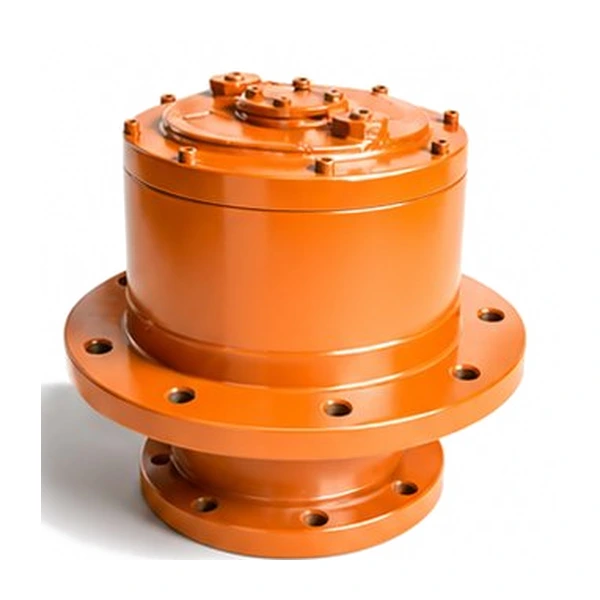
Blootstelling aan zuur in kuilvoer en chemicaliën in veevoer — de corrosieve omgeving die nooit opdroogt.
Het TMR (Total Mixed Ration) dat in een voermenger wordt geladen, bevat doorgaans: maïs- of grassilage (pH 3,5 tot 4,5, met melkzuur, azijnzuur en boterzuur), vloeibare melasse (pH 5,0 tot 5,5, extreem kleverig en hygroscopisch), mineraalpremixen (met natriumchloride, calcium, fosfor en sporenelementen) en aanvullende vloeistoffen (ureumoplossingen, vetsupplementen, verzuurde wei). Dit mengsel creëert een chemisch agressieve omgeving die tijdens elke laad- en doseercyclus in contact komt met de behuizing van de wielaandrijving, de afdichtingen en de hydraulische koppelingen.
De zuren in de kuilvoeder zijn bijzonder schadelijk omdat ze zich combineren met het natriumchloride (zout) in het mineraalmengsel en zo een zeer corrosieve elektrolytoplossing vormen. Deze oplossing spat tijdens het mengen en verdelen op de behuizing van de wielaandrijving. In tegenstelling tot de seizoensgebonden blootstelling bij een appel- of druivenoogstmachine, is de blootstelling bij de voermenger dagelijks, het hele jaar door, zonder een droge opslagperiode waarin de stalen oppervlakken kunnen passiveren. De corrosiesnelheid van onbeschermd zacht staal dat wordt blootgesteld aan zoutnevel van kuilvoeder kan oplopen tot 0,5 tot 1,0 mm per jaar – genoeg om een standaard 4 mm dikke behuizing van een versnellingsbak binnen 4 tot 8 jaar te perforeren.
Het melassebestanddeel zorgt voor een bijkomend probleem: het droogt op tot een harde, suikerrijke korst die vocht vasthoudt tegen het stalen oppervlak. Zelfs nadat het zuur van de silage is weggedruppeld, blijft er een vochtig, corrosief microklimaat achter op de behuizing van de versnellingsbak, de boutkoppen en de oppervlakken van de afdichtingshouders. Dagelijks hogedrukreiniging van de planetaire versnellingsbak met wielaandrijving De behuizing is de enige betrouwbare manier om te voorkomen dat er een korst van melassezuur ontstaat. Veel boeren verwaarlozen deze stap omdat de machine dagelijks wordt gebruikt zonder geplande onderhoudsbeurten voor reiniging.
De ontluchtingsopening van de versnellingsbak van de wielaandrijving is een andere bron van blootstelling aan chemicaliën. Tijdens de voerdistributie wordt een mengsel van silagezuurdamp, melassenevel en mineraalstof via de ontluchtingsopening in de versnellingsbak gezogen, doordat de olietemperatuur schommelt (de olie zet uit bij hoge temperaturen en krimpt bij lage temperaturen, waardoor lucht via de ontluchtingsopening in en uit de versnellingsbak wordt gezogen). Na maandenlange continue blootstelling verontreinigt de zuurdamp de olie van binnenuit, waardoor het zuurgetal van de olie geleidelijk toeneemt en de effectiviteit van de corrosieremmer afneemt. Een ontluchtingsopening met een actiefkoolfilter verwijdert zowel het vocht als de zuurdamp uit de inlaatlucht, waardoor de effectieve levensduur van de olie met 40 tot 601 ton wordt verlengd in vergelijking met een standaard ontluchtingsopening zonder filter.
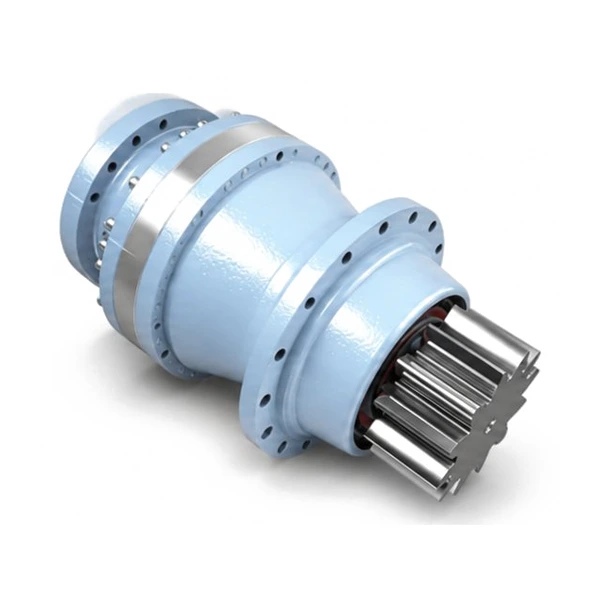
Drie specifieke storingsmodi voor de aandrijving van mengwielen in voermachines
De combinatie van kuilzuur (pH 3,5 tot 4,5) en natriumchloride uit minerale mengmengsels produceert een elektrolytoplossing die onbeschermd zacht staal aantast met een snelheid van 0,5 tot 1,0 mm per jaar. In tegenstelling tot seizoensgebonden maaidorsers die tussen de oogsten door uitdrogen, wordt de behuizing van de voermenger dagelijks opnieuw bevochtigd, waardoor continue corrosie zonder passivering optreedt. Een standaard gietijzeren behuizing zonder corrosiebescherming kan binnen 3 tot 5 jaar structurele verdunning vertonen, wat mogelijk kan leiden tot olielekkage door corrosie-geïnduceerde porositeit of breuk van de behuizing onder de gecombineerde belasting van machinegewicht en trekkracht. De corrosie van de behuizing is het ernstigst rond de boutgaten, op de oppervlakken van de afdichtingshouders en bij gietranden waar de verf het dunst is of ontbreekt.
Een voermenger in een melkveebedrijf in een noordelijk klimaat (Canada, Scandinavië, noorden van de VS, Noord-Europa) start elke winterochtend bij -15 tot -25 graden Celsius. Bij deze temperaturen verliezen standaard NBR-afdichtingen 40 tot 601 TP3T van hun elasticiteit, waardoor ze stijf worden en zich niet meer kunnen aanpassen aan oneffenheden in het asoppervlak. Gedurende de eerste 10 tot 15 minuten van de werking laat de stijve afdichting koude, stroperige olie langs de lip sijpelen, wat een zichtbare lekkage veroorzaakt. Dit kan worden afgedaan als normaal gedrag bij een koude start, maar is in feite een vroege indicator van permanente afdichtingsvervorming. Na meer dan 150 tot 200 koude startcycli per jaar, zorgt het herhaaldelijk verstijven en terugveren ervoor dat het afdichtingsmateriaal vermoeid raakt, waardoor de compressievervorming versnelt en uiteindelijk een permanente opening ontstaat tussen de afdichtingslip en de as.
Voermengwagens maken 4 tot 12 krappe bochten per voercyclus (U-bochten aan het einde van een hek, het inrijden van een stal, het keren in een gangpad) – wat neerkomt op 1500 tot 4400 bochten met volledige stuuruitslag per jaar. Bij volledige stuuruitslag (35 tot 55 graden) werkt het homokinetische gewricht (of kruiskoppelingsgewricht) dat de wielaandrijving verbindt met de stuurnaaf op zijn maximale articulatiehoek – waarbij de belasting op het gewricht 2 tot 3 keer hoger is dan in de rechtuitstand. Op betonnen oppervlakken produceert de wrijving tussen de band en de grond tijdens een krappe bocht een schurende kracht die een laterale component toevoegt aan de belasting van het gewricht. Na 3000 tot 5000 uur aan draaiwerk vertonen de lageroppervlakken van het homokinetische gewricht slijtage die zich manifesteert als een klikkend of bonkend geluid tijdens het draaien – wat aangeeft dat de speling van het gewricht de door de fabrikant vastgestelde limiet heeft overschreden en dat vervanging nodig is voordat het gewricht volledig defect raakt. Een homokinetische koppeling die vastloopt tijdens een volledige stuuruitslag kan het stuurwiel blokkeren, waardoor de machine niet meer recht kan rijden en mogelijk tegen een schuurmuur, een paal van een voerhek of geparkeerde apparatuur aanrijdt. Deze vorm van vastlopen is gevaarlijker op betonnen ondergronden van veehouderijen (waar de machine voldoende grip heeft om door te rijden met het geblokkeerde stuur) dan op zachte grond (waar de machine het geblokkeerde wiel gewoon zou laten slippen en tot stilstand zou komen).
Veelgestelde vragen
Korea Ever-Power levert aandrijfwielen voor voermengers met een koppel van 3.000 tot 20.000 Nm, die 365 dagen corrosiebestendig zijn, een afdichting hebben die bestand is tegen alle weersomstandigheden en een lange levensduur hebben, zelfs bij krappe bochten.
Redacteur: Cxm