Two Slewing Drives, Two Completely Different Engineering Problems
A wind turbine uses two types of планетарный редуктор поворотного привода — and despite sharing the same fundamental gear architecture, they solve fundamentally different engineering problems. Understanding the distinction is essential for specification, because a gearbox designed for the yaw application will fail in the pitch application (and vice versa) even if the torque ratings appear compatible.
Rotates the entire nacelle (generator, gearbox, rotor — 150 to 400 tonnes total) around the vertical tower axis to face the wind. Operates 20 to 80 times per day, rotating 5 to 180 degrees per event. Must hold the nacelle against wind-induced yaw moments of 3 to 8 MN·m between movements. Speed: 0.3 to 0.6 degrees per second. Typical configuration: 4 to 8 yaw drives around the tower top bearing, each meshing with an internal ring gear.
Rotates each individual blade (10 to 30 tonnes, 50 to 80 metres long) around its longitudinal axis to change the angle of attack. Operates continuously during power production, adjusting 0.1 to 5 degrees per second. Must feather the blade to 90 degrees within 5 to 10 seconds during emergency shutdown. Three independent pitch drives per turbine (one per blade). Safety-critical: failure to feather a single blade in a storm can destroy the rotor.
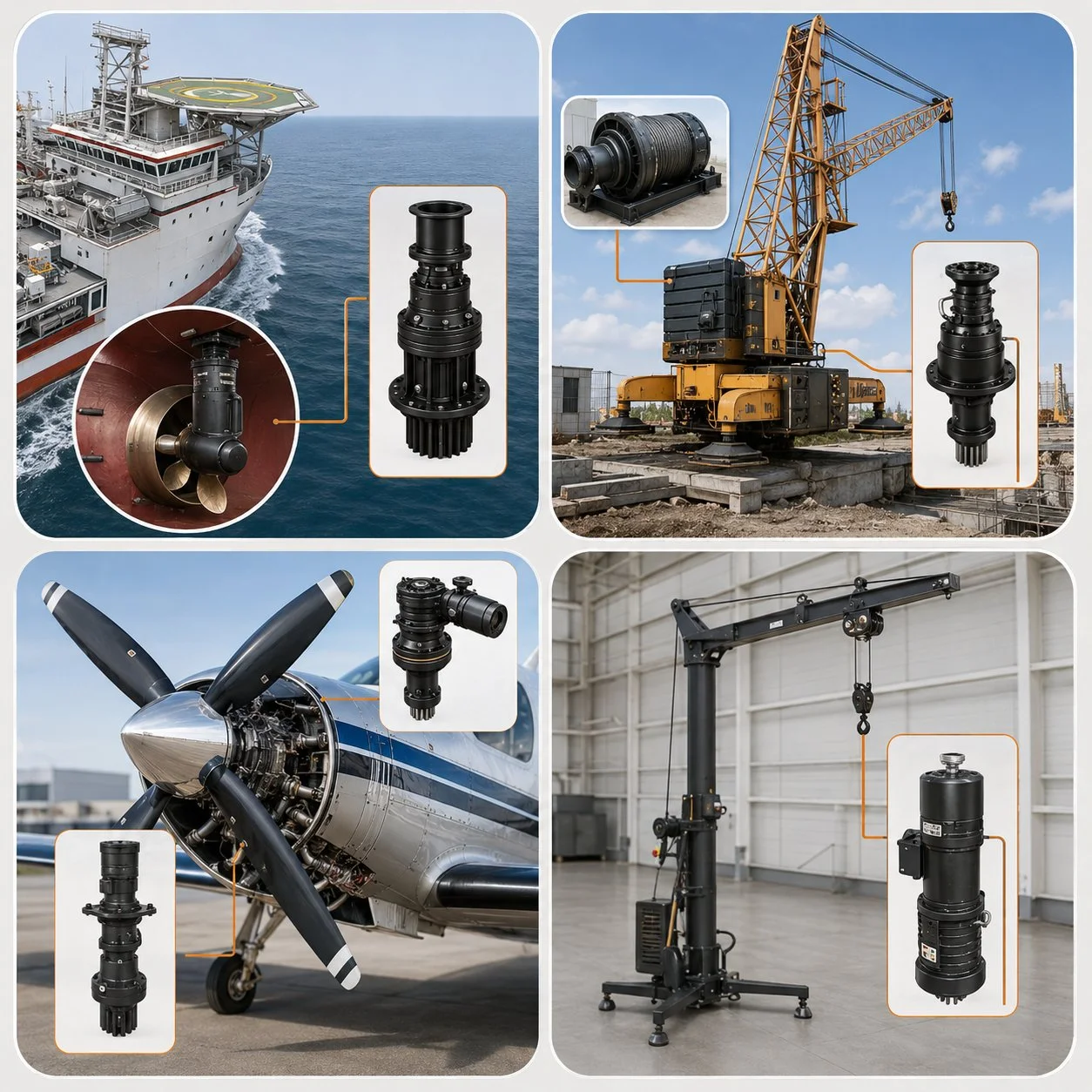
Slewing drive planetary gearbox. In wind turbines, 4 to 8 yaw drives and 3 pitch drives work continuously for a 25-year design life — the longest service requirement of any slewing drive application.
Yaw Drive Engineering — Holding 200 Tonnes Against the Wind
The yaw system on a modern 3 to 6 MW wind turbine consists of 4 to 8 slewing drive planetary gearboxes mounted around the tower top flange, each driving a pinion gear that meshes with a large internal ring gear (yaw bearing). When the wind direction changes, the yaw controller commands some or all drives to rotate the nacelle. When the nacelle reaches the target angle, the drives stop and the yaw brakes engage to hold the position.
| Turbine Class | Nacelle (t) | Yaw Drives | Yaw Moment (MN·m) | Крутящий момент/Привод |
|---|---|---|---|---|
| 2 – 3 MW onshore | 80 – 130 | 4 | 2 – 4 | 8,000 – 15,000 Nm |
| 4 – 6 MW onshore | 150 – 250 | 6 | 4 – 8 | 12,000 – 22,000 Nm |
| 8 – 15 MW offshore | 300 – 600 | 8 | 6 – 15 | 18,000 – 35,000 Nm |
Why multiple drives, not one large one: Using 4 to 8 smaller slewing drives instead of a single large one provides redundancy (the nacelle can still yaw if one drive fails), distributes the pinion load around the yaw ring gear for even tooth wear, and allows each drive to be replaced individually without removing the nacelle — a critical logistics advantage at 100+ metre hub heights where crane access costs USD 50,000 per day.
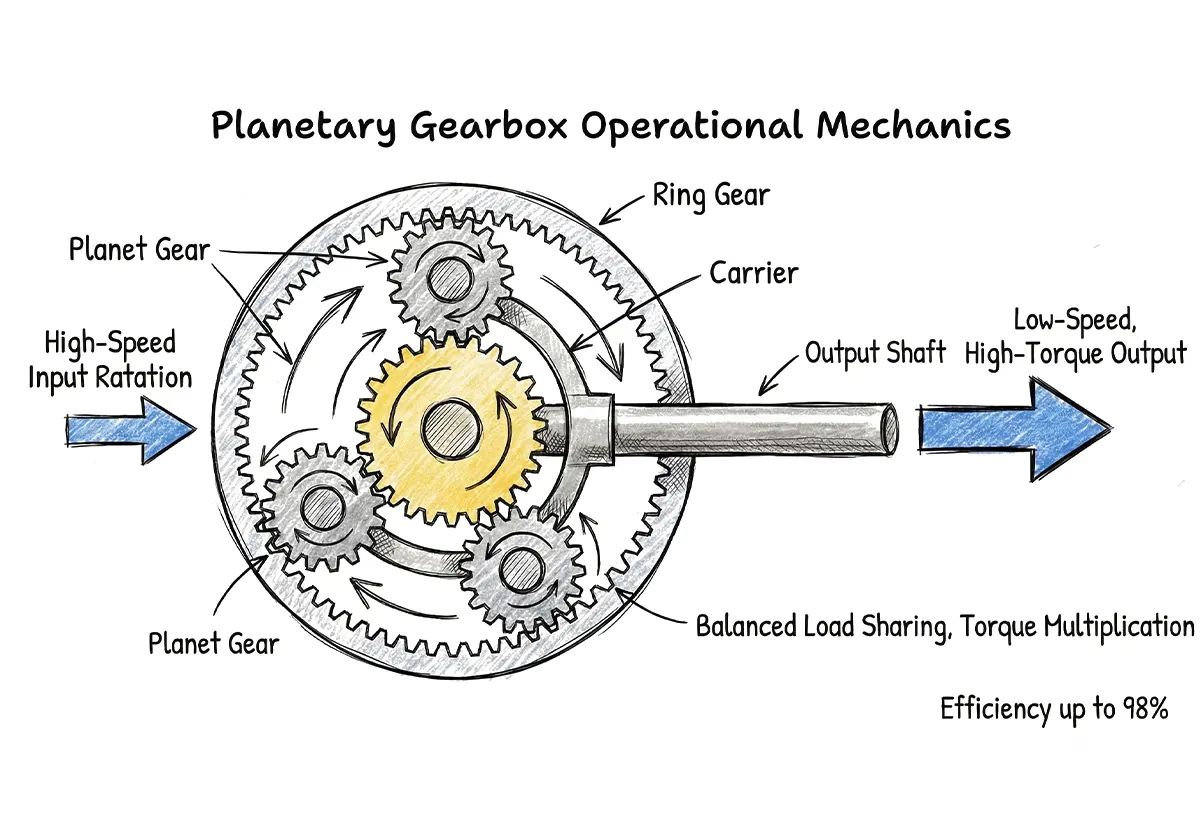
Planetary gear operational mechanics. Wind turbine yaw drives use 2 to 3 stage planetary reductions at ratios of 600:1 to 1,800:1 — the highest ratios in any slewing drive application.
Pitch Drive Engineering — The Safety-Critical Slewing Drive That Prevents Turbine Destruction
The pitch drive rotates each blade around its longitudinal axis. During normal power production, the pitch system adjusts the blade angle continuously — fine-tuning the rotor speed to maintain rated power output as wind speed fluctuates. During emergency shutdown (triggered by grid loss, over-speed, or extreme gust), the pitch system must feather all three blades to 90 degrees within 5 to 10 seconds — rotating each 10 to 30-tonne blade through 90 degrees against aerodynamic and centrifugal forces.
This emergency feathering function makes the pitch drive the only safety-critical slewing drive in the wind turbine — and one of the few safety-critical planetary gearboxes in any industry. If the pitch drive cannot feather the blade, the rotor continues to accelerate in high wind until mechanical limits are exceeded. The consequences range from blade damage to complete structural failure of the tower.
Redundancy requirement: Modern turbine standards (IEC 61400) require independent power supply for each pitch drive — typically battery-backed electric motors or hydraulic accumulators — so that emergency feathering can proceed even if the main electrical supply is lost. Each of the three pitch drives must be capable of feathering its blade independently. The slewing drive planetary gearbox must function under battery power (reduced voltage, reduced speed) with the same reliability as under main power.
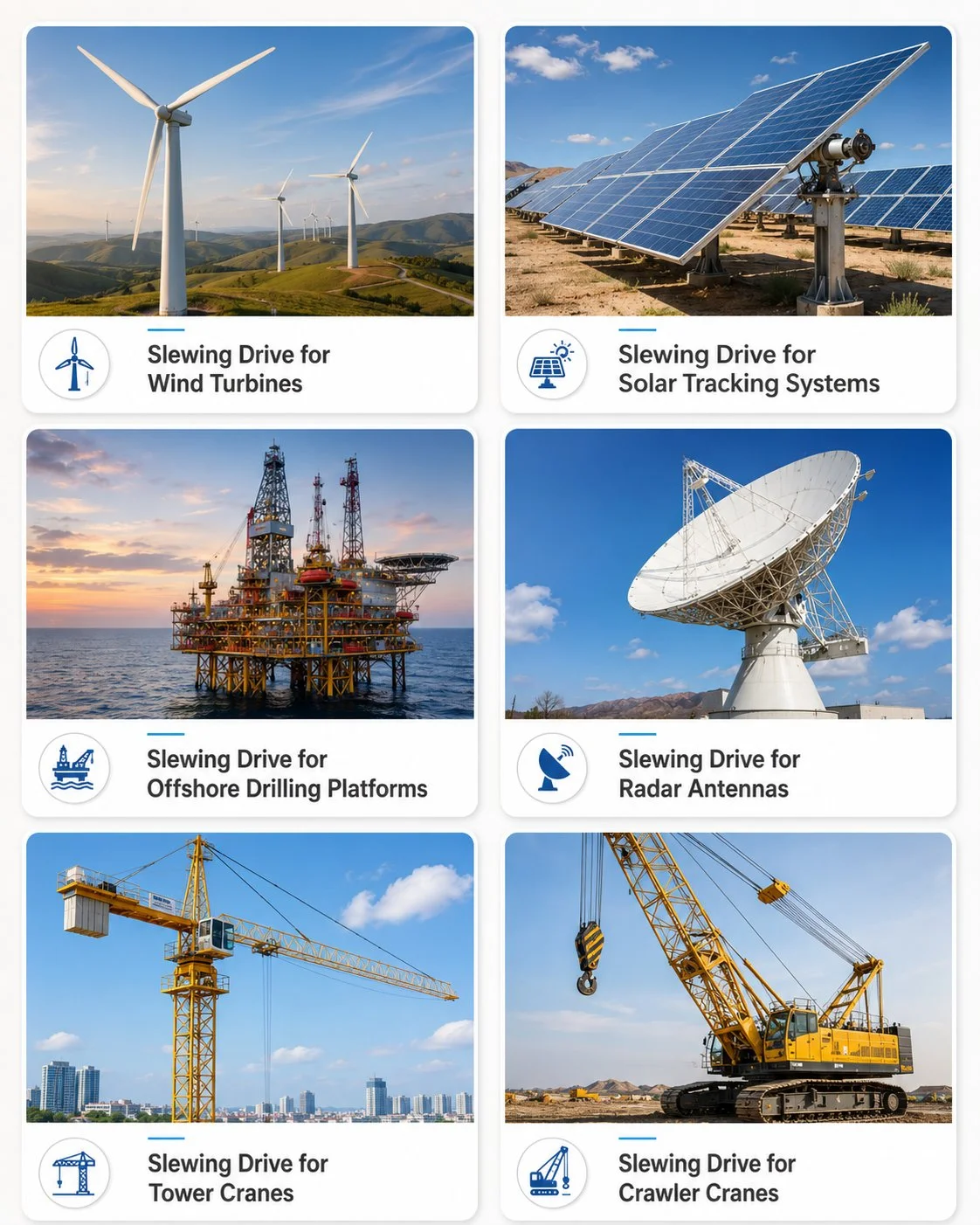
Slewing drive application. Pitch drives must operate in the rotating hub — exposed to lightning, vibration, and temperature extremes for 25 years without scheduled replacement.
25-Year Design Life — The Engineering Challenge That Separates Wind Turbine Drives from All Others
A construction crane slewing drive is designed for 10,000 to 20,000 hours. An excavator track drive targets 8,000 to 12,000 hours. A wind turbine yaw drive must operate reliably for 150,000 to 220,000 hours — 25 years at 70 to 100% availability — without scheduled gearbox replacement. This 10 to 20 times longer design life compared to construction equipment drives every engineering decision in the gearbox specification.
Standard L10 bearing life for construction gearboxes: 10,000 to 20,000 hours. Wind turbine yaw drive L10 requirement: minimum 175,000 hours (25 years at 80% availability). This means the bearing size, grade, and lubricant must deliver an L10 life 9 to 17 times longer than construction equivalents — often requiring bearings 1 to 2 sizes larger than the torque alone would dictate.
At 50,000 yaw movements per year over 25 years, each planet gear tooth endures 1.25 million contact stress cycles. The gear material and heat treatment must place the tooth surface stress below the infinite-life endurance limit of the case-hardened 20CrMnTi or 18CrNiMo7-6 steel — not merely below the 10,000-hour fatigue limit used for construction drives. This typically requires DIN Class 5 gears with superfinished flanks.
No sealed-for-life grease can last 25 years. Wind turbine slewing drives use automatic re-lubrication systems that meter fresh grease into the gearbox at programmed intervals — typically every 2,000 to 4,000 hours. The gearbox must be designed for grease re-lubrication (not oil bath) because the mounting orientation changes as the nacelle yaws. The grease specification must tolerate -40 to +80 degrees C operating range and resist water washout from condensation at hub height.
Environmental Extremes — Operating at the Intersection of Every Climate Challenge
At 100+ metres above ground, the wind turbine nacelle is exposed to environmental conditions that no ground-level machine encounters. The slewing drive must function across the full range simultaneously — a single gearbox must survive -40 degrees C winter nights and +50 degrees C summer afternoons, salt spray and ice accretion, lightning strikes and UV radiation, all at the same installation for 25 years.
Cold-climate onshore turbines in Scandinavia, Canada, and northern China operate to -40 degrees C. Desert turbines in the Middle East and Australia reach +50 degrees C ambient with nacelle internal temperatures exceeding 80 degrees C. The grease must maintain lubricity across this 120-degree span.
Offshore turbines operate in continuous salt spray. The slewing drive housing, fasteners, and seal interfaces must resist marine corrosion for 25 years. Marine-grade coatings, stainless fasteners, and sacrificial anodes are mandatory for offshore and coastal installations within 5 km of the shoreline.
Ice accretion on the yaw ring gear teeth increases the meshing force and can prevent rotation entirely if the ice bond exceeds the available yaw torque. Anti-icing heaters on the yaw ring gear and ice-resistant grease formulations are standard for cold-climate installations. The планетарный редуктор поворотного привода must deliver breakaway torque 1.5 to 2.0 times the steady-state yaw torque to overcome ice bonding after overnight standstill in freezing conditions.
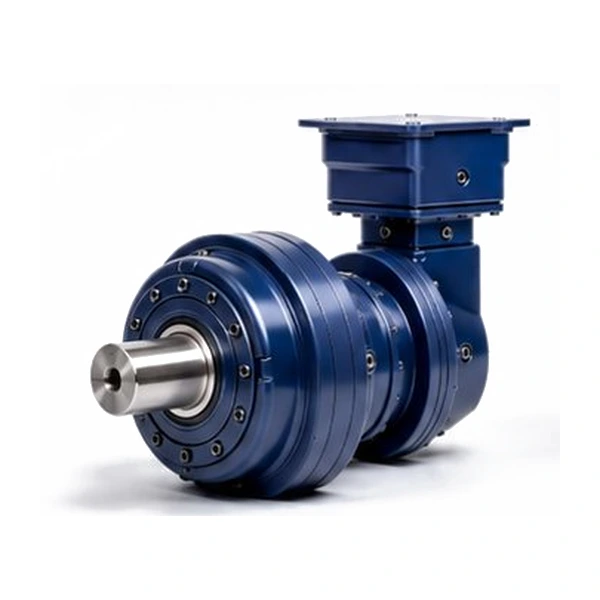
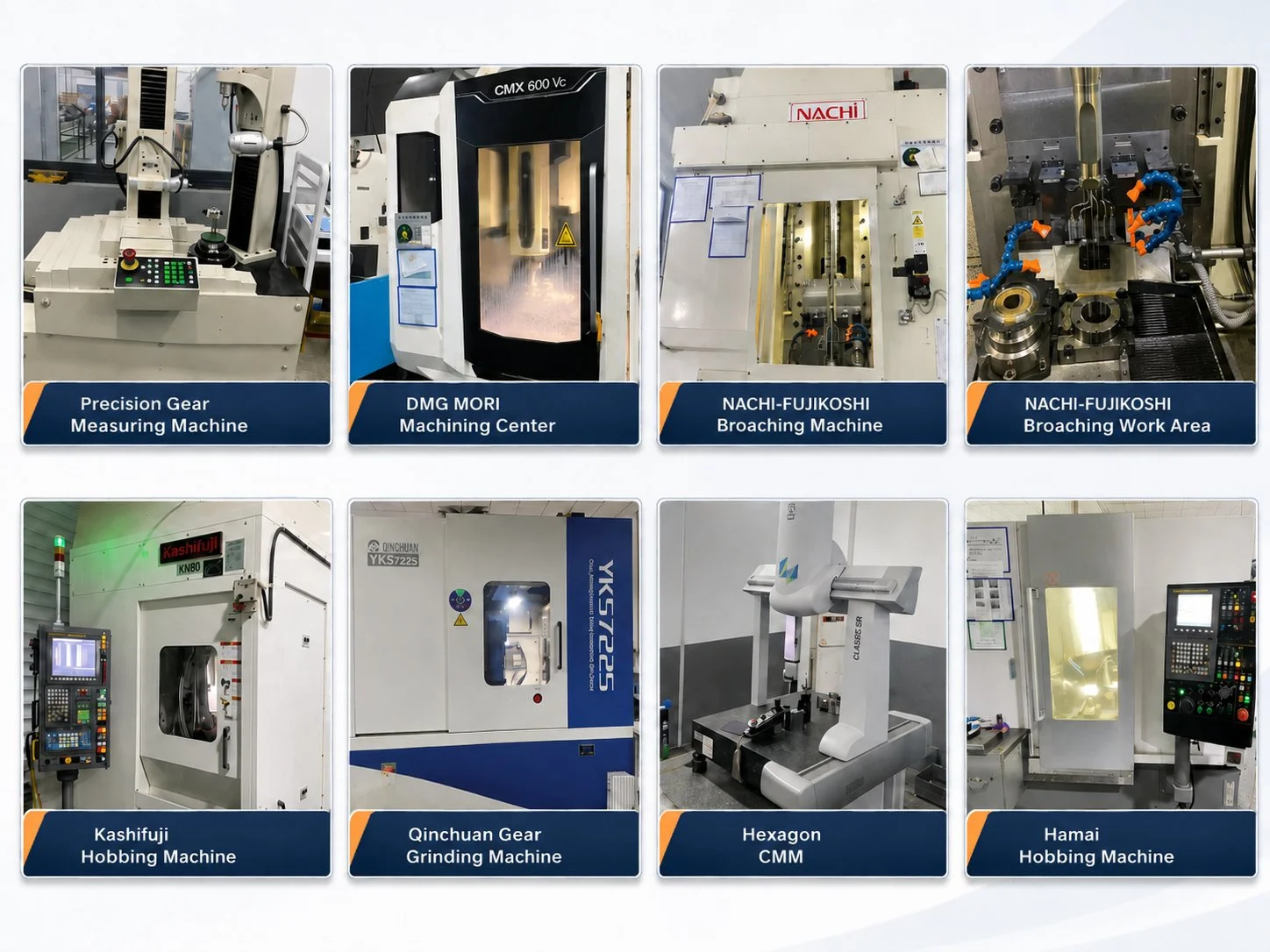
Top: ZR-series slewing drive unit. Bottom: Korea Ever-Power testing centre — every wind turbine drive undergoes full torque and endurance verification before delivery.
Three Failure Modes That Drive Wind Turbine Slewing Drive Engineering
The yaw system makes thousands of small angular corrections per day — 0.5 to 3 degree movements to track gradual wind direction changes. These micro-oscillations cause the pinion teeth to rock back and forth on the same contact zone of the yaw ring gear without completing a full revolution. This fretting removes the grease film from a narrow band and produces accelerated surface pitting on both the pinion and the ring gear. After 10 to 15 years, the accumulated fretting wear can consume the ring gear tooth profile at the most-used yaw positions — typically the prevailing wind direction sectors.
The pitch drive motor must respond to an emergency feathering command within 200 milliseconds. If the motor fails, the blade cannot feather. On a 3-blade turbine, the remaining two blades may feather successfully — but the aerodynamic imbalance from one un-feathered blade generates extreme loads on the hub, main shaft, and tower. The slewing drive planetary gearbox must transmit the emergency feathering torque under battery-backup voltage conditions (70 to 80% of nominal) at the required speed — a verification that must be performed annually.
At hub height, day-night temperature cycling produces condensation inside the yaw drive housing — the same mechanism that affects stored agricultural track drives, but occurring 365 times per year for 25 years. Even with automatic re-lubrication, the water-contaminated old grease at the bottom of the housing is not fully displaced by fresh grease — it accumulates as a water-laden sludge that corrodes the lowest bearing surfaces. After 8 to 12 years, the sludge layer can reach the planet bearings and initiate corrosion pitting that was not present at the 5-year inspection.
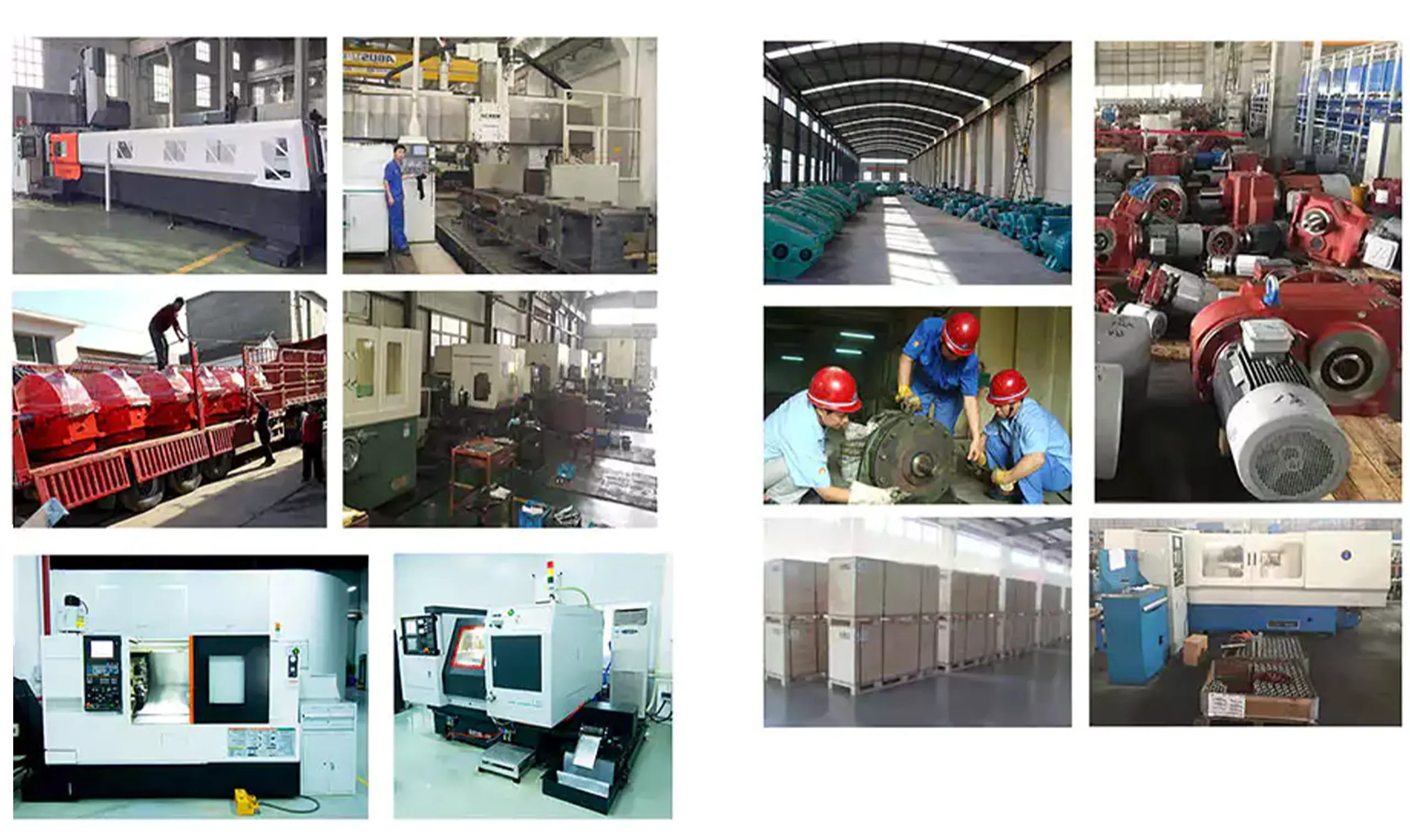
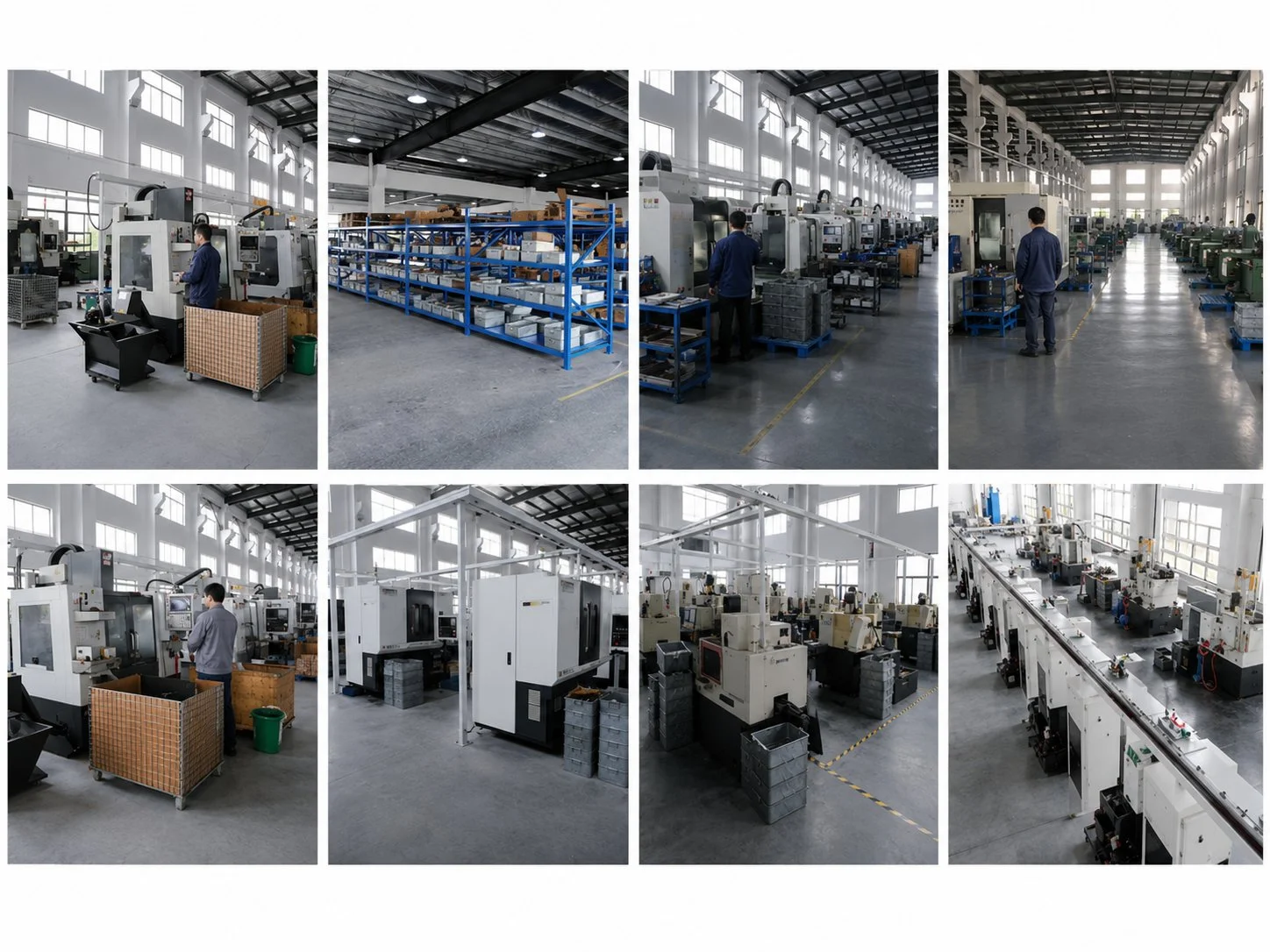
Top: Korea Ever-Power manufacturing facility. Bottom: Assembly workshop with dedicated quality control for wind energy slewing drives.
Slewing Drive Planetary Gearbox for Wind Turbines — Frequently Asked Questions
Korea Ever-Power provides wind turbine yaw and pitch slewing drive planetary gearboxes with 175,000-hour L10 bearing life, IEC 61400 compliance provisions, and marine-grade options for offshore. Provide your turbine platform and site conditions for a specification recommendation.
Редактор: Cxm