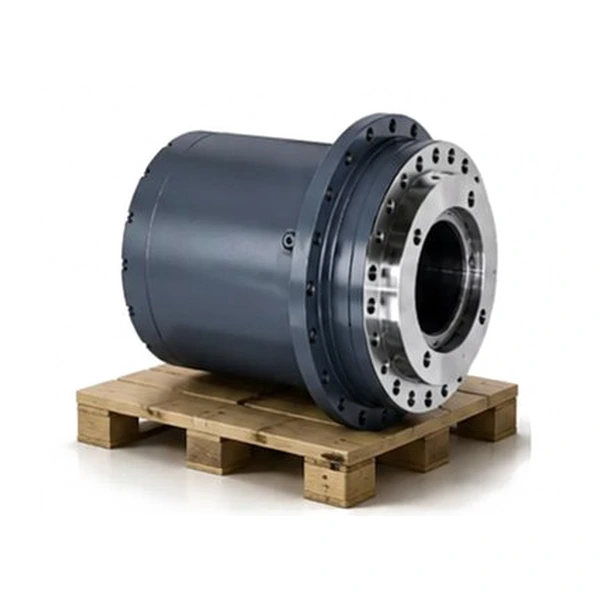
415W3 ชุดเกียร์ทดรอบแบบเฟืองดาวเคราะห์สำหรับขับวินช์
MEGA-CLASS
150,000 Nm
Internal brake. No external dependency.
The EP-415W3 exists because some safety frameworks will not accept a เกียร์ทดรอบแบบเฟืองดาวเคราะห์สำหรับขับเคลื่อนวินช์ without an internal mechanical hold — regardless of how robust the external braking system is. When the regulator says "the brake must be inside the drum," the 415W3 is the mega-class answer.
2,500 RPM
12 RPM Out
-25 ถึง +85 องศาเซลเซียส
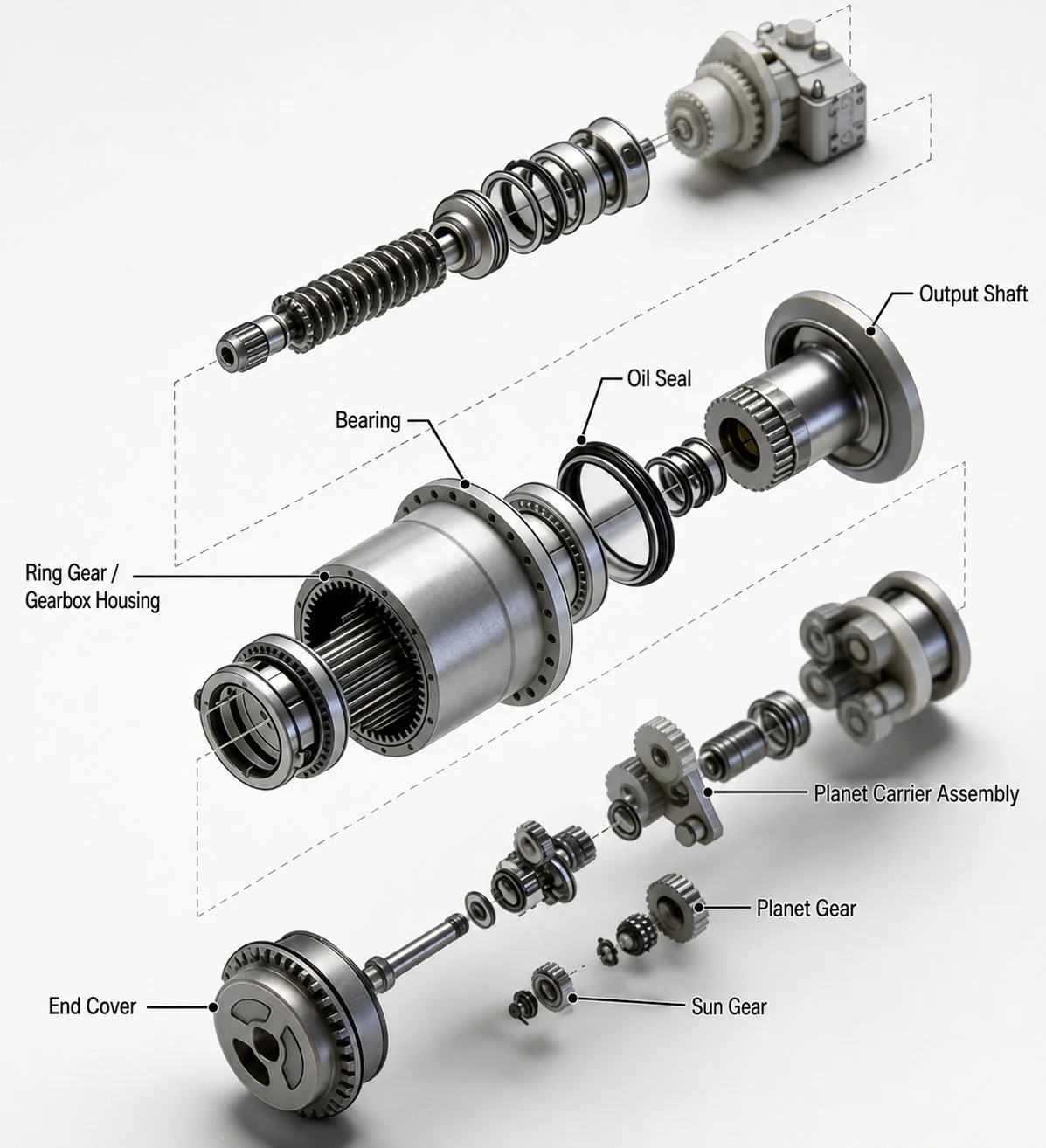
The 415W3 delivers 150,000 Nm — 7% more than the brakeless 414W3 — through the same ratio range (80-300) at the same input speed (2,500 rpm) and the same FEM M6 duty rating. The additional 100 kg (1,350 vs 1,250 kg) is almost entirely the multi-disc brake assembly: piston, disc stack, Belleville springs, and the rotary hydraulic union that supplies release pressure to the rotating housing. This brake holds the drum, the cable, and the suspended load in position even if every hydraulic line, every motor, and every electrical connection to the winch is simultaneously severed — a scenario that AHTS chain-stopper failures, mine shaft emergency shutdowns, and catastrophic hydraulic system failures can produce in real operations.
415W3 Winch Drive Planetary Gearbox — Technical Parameters
| แรงบิดเอาต์พุตที่กำหนด | 150,000 Nm |
| ช่วงอัตราทดเกียร์ | 80 ถึง 300 (ระบบดาวเคราะห์สามขั้นตอน) |
| ความเร็วอินพุตสูงสุด | 2,500 รอบต่อนาที |
| ความเร็วเอาต์พุตสูงสุด | 12 rpm (FEM M6 heavy continuous duty) |
| ประสิทธิภาพเชิงกล | ≥ 94% |
| Integrated parking brake | Multi-disc, spring-applied, hydraulic release |
| การติดตั้ง | หน้าแปลนตัวเรือนหมุนสำหรับงานหนัก |
| น้ำหนักแห้ง | Approx. 1,350 kg |
| การหล่อลื่น | Oil bath splash, EP gear oil (synthetic for cold climates) |
| อุณหภูมิในการทำงาน | -25 ถึง +85 องศาเซลเซียส |
Why the Brake Returns at 150,000 Nm — Three Regulatory Realities
The 414W3 excluded the internal brake because AHTS and some mining applications design the braking system externally. The 415W3 brings it back because three categories of application mandate a brake inside the drum assembly — and no external system satisfies the requirement.
Mine Safety: "Inside the Drum"
Several mining jurisdictions (South Africa DMR, Australian state mining acts, Chilean SERNAGEOMIN) require personnel winders and production hoists to have a mechanical brake physically located within the drum assembly — not on the motor, not in the hydraulic circuit, not on an external calliper. The rationale: if the motor detaches, if the hydraulic lines sever, or if the electrical power supply fails completely, the load must still be held by a mechanism that is mechanically inseparable from the drum. The 415W3 integral brake satisfies this requirement where the 414W3 cannot.
Offshore Class: "Independent Hold"
Certain offshore crane classifications require an independent mechanical hold within the hoist drum for lifts exceeding specific weights or heights above water. The 415W3 integral brake counts as one of the required independent braking mechanisms — and being inside the drum means it operates even if the crane hydraulic power unit loses all pressure simultaneously. For heavy-lift vessels performing 100+ tonne lifts where a dropped load can puncture the hull, the internal brake is the last barrier between a controlled hold and a catastrophic failure.
Insurance: "Belt and Braces"
Insurance underwriters for high-value lifts (bridge sections, reactor vessels, offshore modules worth tens of millions) increasingly require a "belt and braces" approach: external braking PLUS an internal gearbox brake, each independently capable of holding the full suspended load. The 415W3 satisfies the "braces" half of this requirement. The 100 kg and the additional cost of the brake assembly are negligible compared to the cargo value and the premium reduction that the enhanced braking configuration provides on the lifting insurance policy.
414W3 vs 415W3 — Arctic Brakeless or Standard Braked
| พารามิเตอร์ | 414W3 | 415W3 |
|---|---|---|
| แรงบิด | 140,000 Nm | 150,000 Nm (+7%) |
| Internal brake | ไม่มี | Multi-disc integrated |
| Min. temperature | -40 deg C (Arctic) | -25 deg C |
| น้ำหนัก | 1,250 kg | 1,350 kg |
| ช่วงอัตราส่วน | 80-300 | 80-300 |
| FEM class | M6 | M6 |
| Holds load if all external connections severed | เลขที่ | Yes |
Choose the 414W3 when:
Arctic operations require -40 deg C. External braking architecture is already classification-certified. AHTS chain stopper + motor brakes provide all required holding. The 100 kg weight saving matters for vessel stability. The applicable standard does not require an in-drum brake.
Choose the 415W3 when:
The applicable mining or offshore standard mandates an in-drum brake. The insurance underwriter requires belt-and-braces braking. The winch must hold the load after complete hydraulic and electrical failure. The 10,000 Nm additional torque (150 vs 140k) provides useful margin. Operating temperatures remain above -25 deg C.
150,000 Nm with Internal Brake — Where the Regulations Demand It Inside
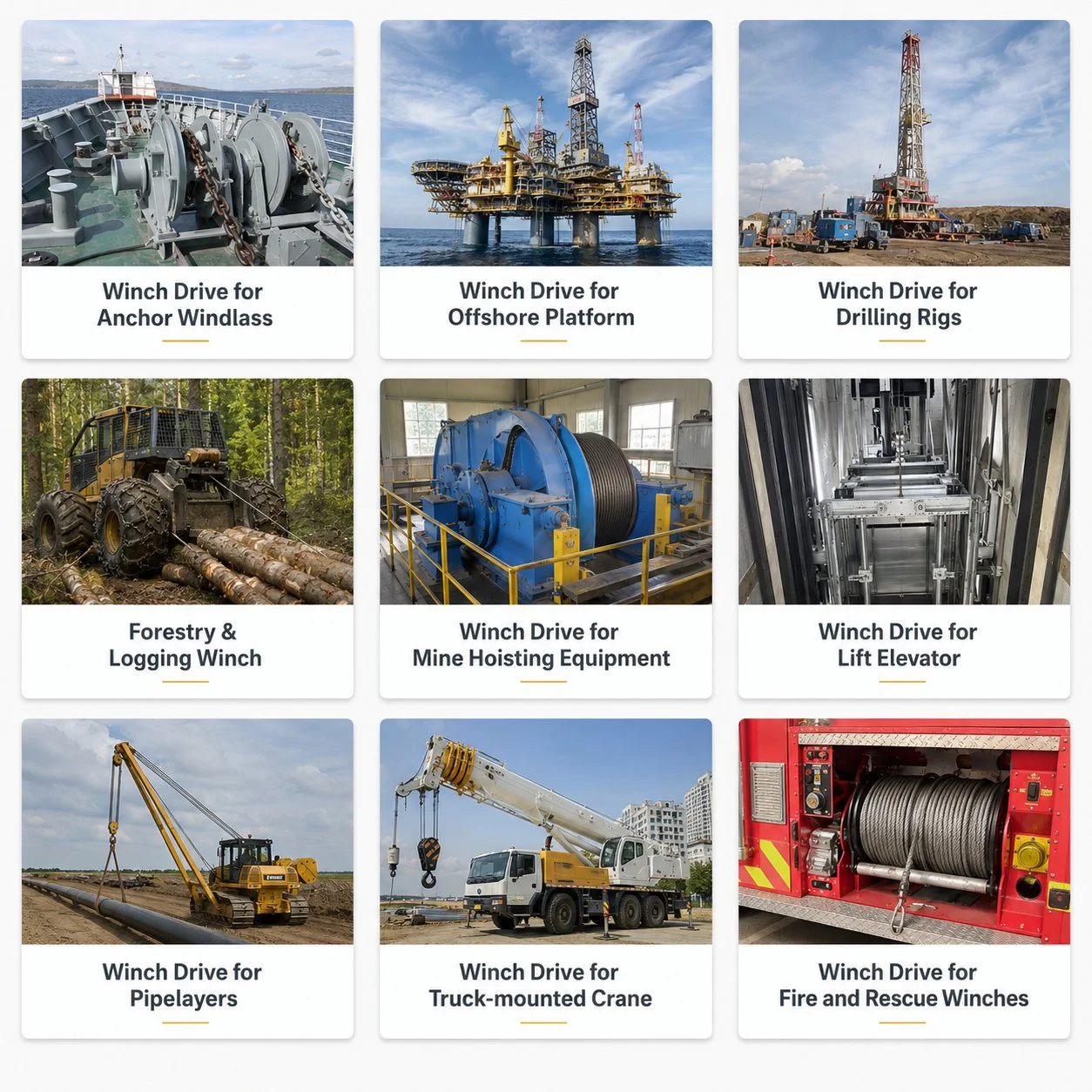
Regulated Mining Production Winders
Main production hoists at mines where the safety authority explicitly requires an in-drum brake. The 415W3 satisfies this mandate while delivering FEM M6 production winding capacity — 300-500 skip cycles per day at 15-25 tonne payloads through shafts of 500-1,000 metres. The internal brake serves as the "last-resort hold" in the multi-level braking hierarchy that mine winding regulations require: motor brake (primary), counterbalance valve (secondary), and gearbox brake (tertiary/emergency).
Heavy-Lift Vessel Main Hoists (60-100+ t SWL)
Main crane hoists on semi-submersible heavy-lift vessels and derrick pipe-lay vessels handling 60-100+ tonne lifts at heights of 30-80 metres above the waterline. The 415W3 internal brake provides the independent mechanical hold that classification societies (DNV, BV, ABS) require for these ultra-heavy lifts. The ระบบขับเคลื่อนแบบหมุน handles the crane rotation and the track drive powers the vessel ballast and positioning systems.
Insured High-Value Lifts
One-off or infrequent lifts of extremely high-value cargo — nuclear power plant components, offshore platform topsides, bridge superstructures, refinery reactor vessels — where the cargo value exceeds USD 10 million and the lifting insurance policy requires documented proof of multi-level braking redundancy. The 415W3 internal brake provides the documented third braking tier that underwriters increasingly require for coverage at favourable premium rates.
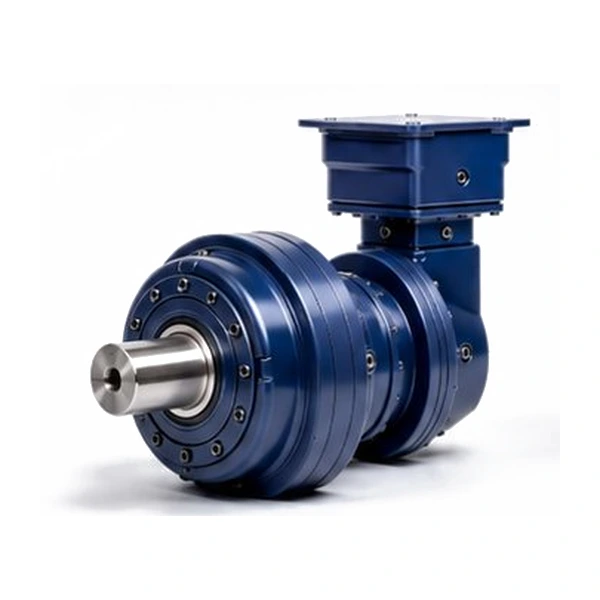
The Mega-Class Winch Drive Family

Winch Drive Planetary Gearbox — Mega-Class Integrated Brake FAQ
รายงานภาคสนาม
Production skip hoist at a platinum mine, 780-metre shaft, 20-tonne ore skips, 415W3 at ratio 220. The DMR inspector accepted the 415W3 internal brake as the tertiary emergency hold in our three-level braking hierarchy — motor brake, counterbalance valve, gearbox brake. The 414W3 was evaluated first but the DMR specifically required "a mechanical brake within the drum assembly" — and the 414W3 does not provide it. The 415W3 closed the compliance gap. After 8 months of production winding at 380 cycles per day, the brake holding test shows less than 1% degradation from the factory acceptance value. Oil analysis trending clean. The M6 certification was accepted directly by the DMR without supplementary testing — a first for a replacement winder drive at this mine.
80 t main crane hoist on a semi-submersible heavy-lift vessel. The 415W3 at ratio 160 with the internal brake was specified after our BV surveyor required an independent in-drum hold for lifts exceeding 50 tonnes over water. The 414W3 would have required an external drum calliper brake adding 120 kg, a separate hydraulic circuit, and a separate inspection schedule. The 415W3 internal brake eliminated all three — net weight saving of 20 kg (100 kg brake inside minus 120 kg calliper system), simpler hydraulics, and one fewer inspection item. The crane completed a 78-tonne topside module lift last month with the internal brake engaged during the 35-minute final positioning hold. Zero drift confirmed by surveyor observation.
We underwrote a USD 45 million bridge section lift using a floating crane fitted with the 415W3. The belt-and-braces braking configuration — motor brake, counterbalance valves, PLUS the 415W3 internal brake — satisfied our risk assessment for a Category A high-value lift. The internal brake documentation (brake torque certificate, disc material specification, spring force test data) was included in the pre-lift safety dossier and reviewed by our marine surveyor before coverage was confirmed. The 4-star is a documentation suggestion: for high-value lift insurance, the brake test certificate should include a statement of the minimum brake holding torque at end-of-disc-life — not just the new-condition value. Underwriters need to know the worst-case holding capacity, not the best-case, when assessing the risk of a dropped load during the policy period.
ข้อมูลเพิ่มเติม
| บรรณาธิการ | ซีเอ็กซ์เอ็ม |
|---|
ผลิตภัณฑ์ที่เกี่ยวข้อง
-
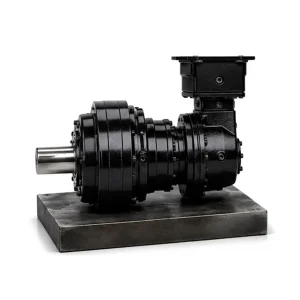
เกียร์ทดรอบแบบเฟืองดาวเคราะห์สำหรับขับเคลื่อนวินช์ ZR75 — แบบมุมฉาก
-
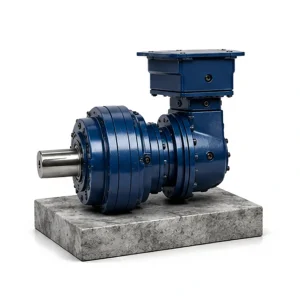
เกียร์ทดรอบแบบเฟืองดาวเคราะห์สำหรับขับเคลื่อนวินช์ ZR55 — แบบมุมฉาก
-
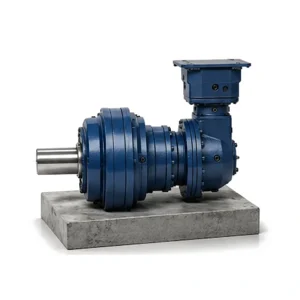
ZL120 Winch Drive Planetary Gearbox
-
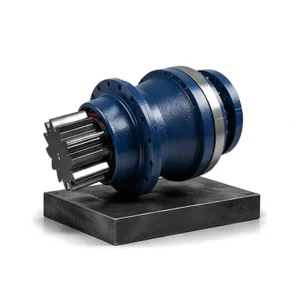
เกียร์ทดรอบแบบแพลเนตารีสำหรับขับเคลื่อนวินช์ ZL95
-
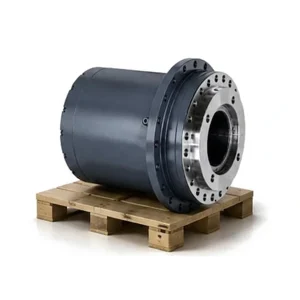
419W3 ชุดเกียร์ทดรอบแบบเฟืองดาวเคราะห์สำหรับขับวินช์
-
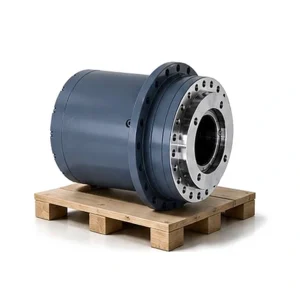
เกียร์ทดรอบแบบเฟืองดาวเคราะห์สำหรับขับวินช์ 406W
-

403W2 ชุดเกียร์ทดรอบแบบเฟืองดาวเคราะห์สำหรับขับเคลื่อนวินช์ — 2 จังหวะ
-

401W1 ชุดเกียร์ทดรอบแบบเฟืองดาวเคราะห์สำหรับขับเคลื่อนวินช์ — แบบขั้นตอนเดียว