Planetary Gearboxes
At Ever-Power, we specialize in precision planetary gearboxes offering torque up to 10,000 Nm, gear ratios from 3:1 to 100:1, and efficiency over 95%. These are perfect for compact, high-power needs in global industries, including Korea’s semiconductor and automotive sectors where precision is key.
tirque density
Up to 3 times higher than conventional gears, ideal for space-constrained setups like planetary gearbox with motor integrations.
Backlash
Under 1 arcmin in precision variants, supporting accurate control in automated systems.
Efficiency
95-98%, minimizing energy waste in high-speed planetary reduction gearbox applications.
Customization
Over 500 models, including heavy duty planetary gearbox options for extreme loads.
About Ever-Power Group
Ever-Power Group CO., LTD. leads in mechanical transmission solutions, drawing on more than two decades of dedicated experience in gearbox production.
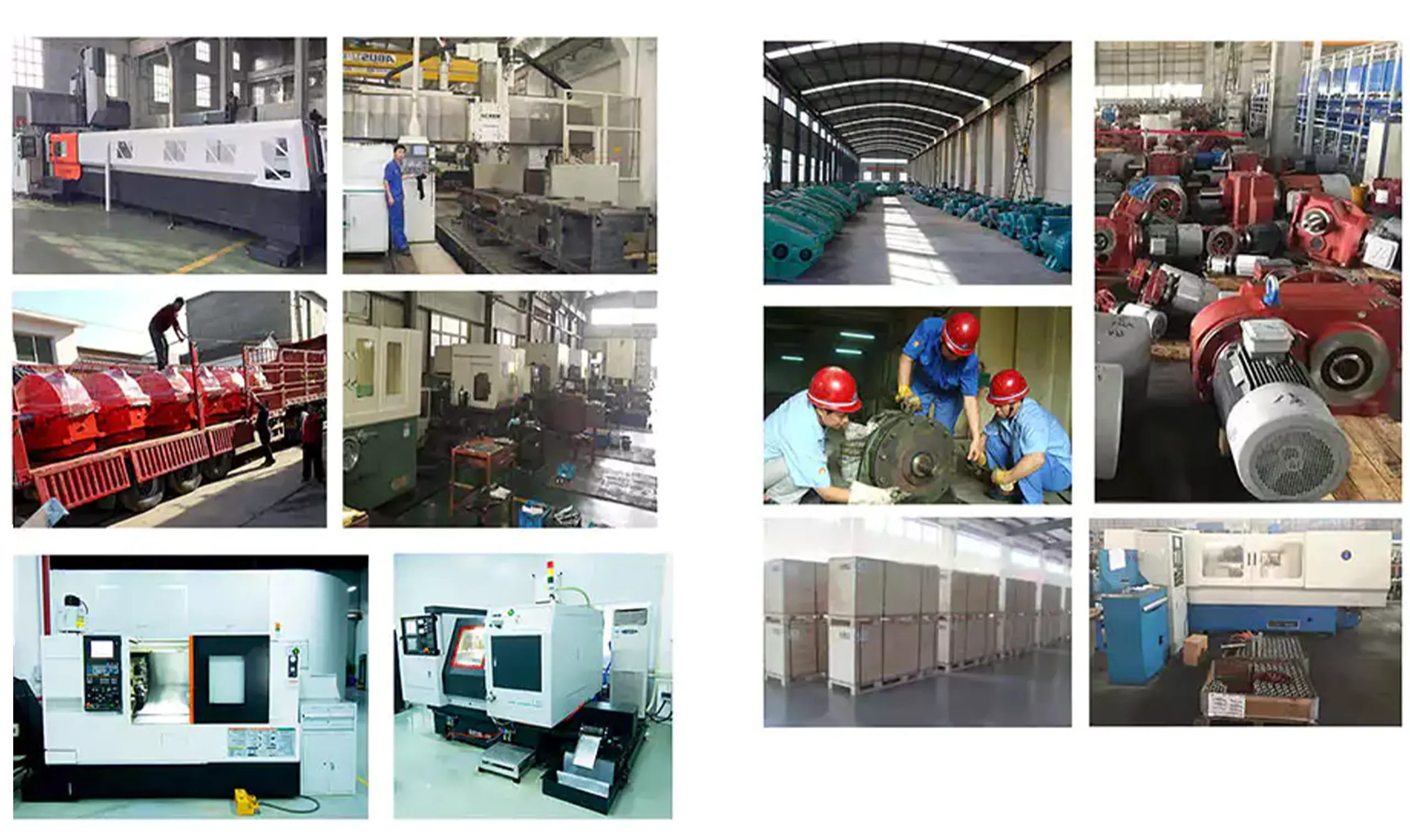
- Established with expertise in reducers and gearboxes, our 50,000 sqm facility supports 1,500 employees for global distribution.
- Advanced CNC machinery ensures precision, with products reaching over 100 countries, including key markets like South Korea for industrial applications.
- Annual output exceeds 500,000 units, adhering to ISO 9001 for consistent quality in planetary reduction gearbox designs.
- With 50 R&D specialists, we develop heavy duty planetary gearbox options that meet DIN and AGMA standards, enhancing durability by up to 25% in field tests.
More than 20 years experience in research and development.
Including around 50 R&D Personnel
Total factory is 50,000 square meters
What is a Planetary Gearbox
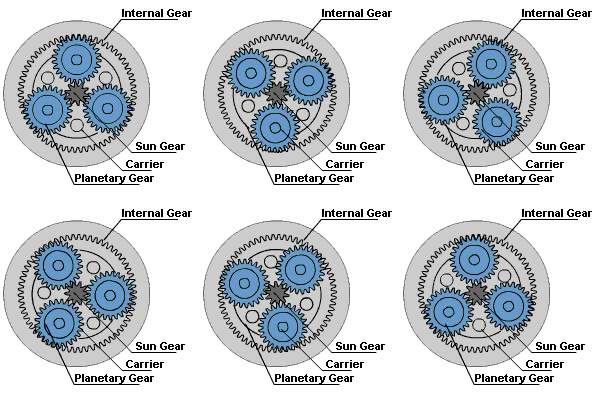
A planetary gearbox, also known as an epicyclic gear system, consists of a central sun gear, surrounding planet gears, and an outer ring gear, enabling compact power transmission.
Core Components
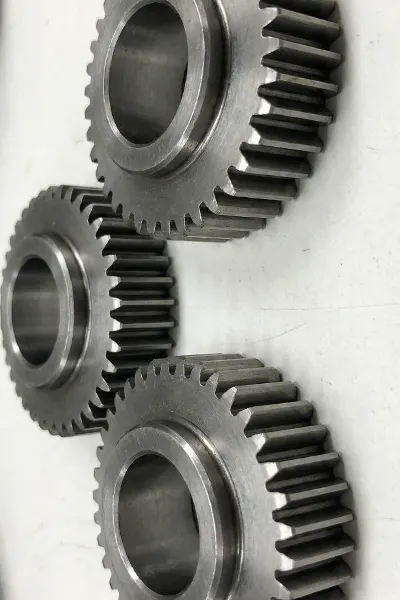
- Sun gear: Drives the system with input from motors or shafts.
- Planet gears: Rotate around the sun, distributing load for efficiency.
- Ring gear: Fixed outer component that outputs reduced speed and increased torque.
This setup allows for planetary gearbox gear ratio flexibility, often reaching 10:1 or higher, making it suitable for applications requiring a planetary reduction gearbox.
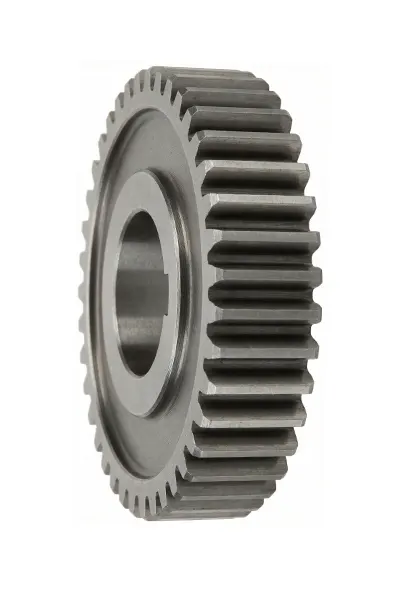
Sun gear
Planet gear
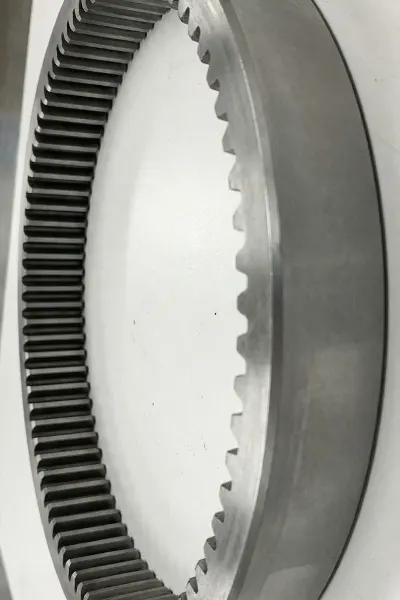
Ring gear
Application of Planetary Gearbox
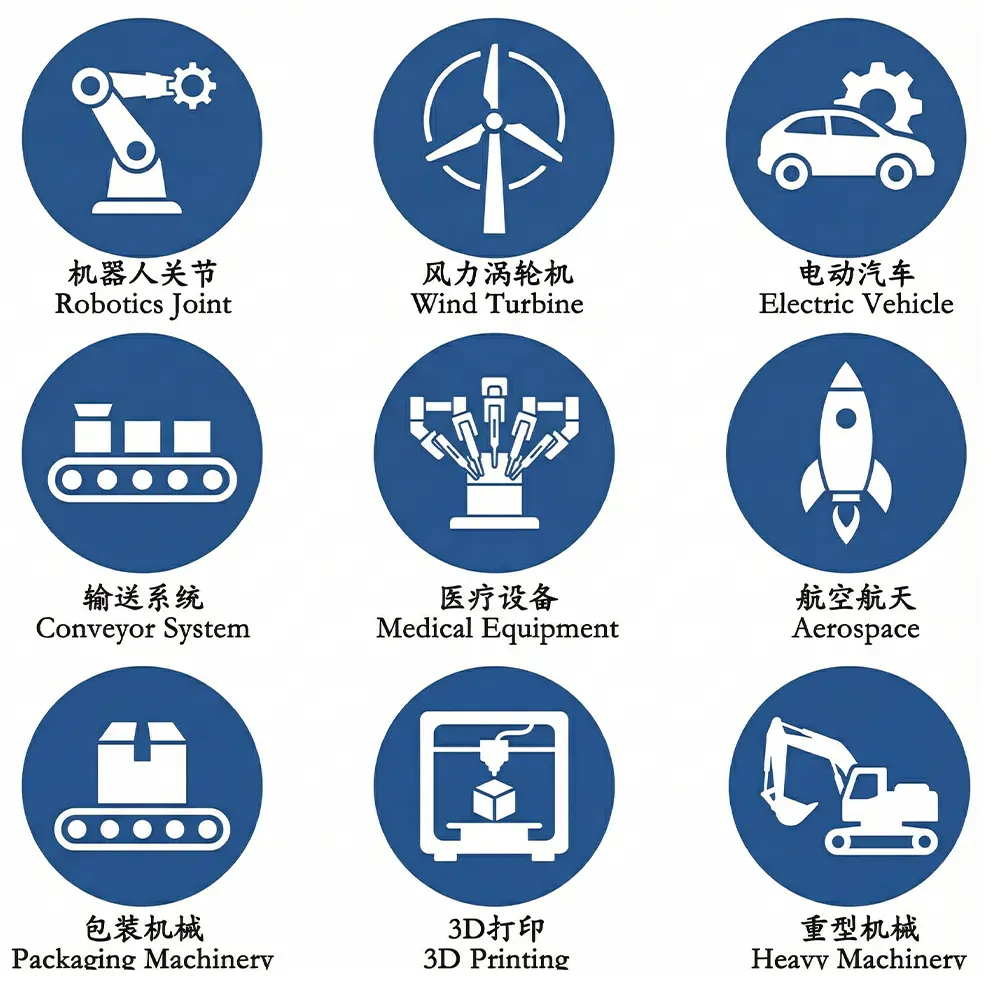
Planetary gearboxes find extensive use across industries, offering compact size and high torque for specialized tasks.
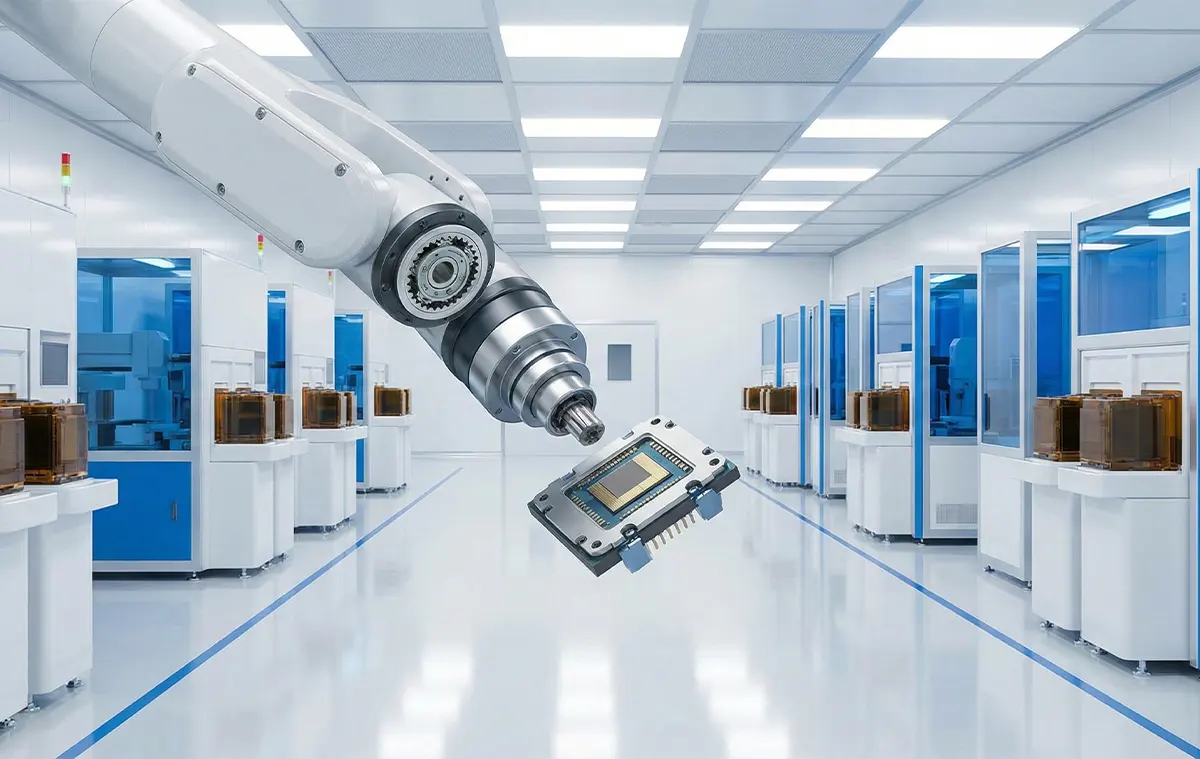
Industrial Automation
In factories, including South Korea’s semiconductor and robotics sectors, they enable precise motion control with low backlash, supporting up to 1,000 RPM inputs and IP67 protection for cleanroom environments.

Agricultural Machinery
For tractors and harvesters, hydraulic planetary gearbox variants handle variable loads, providing gear ratios up to 50:1 and torque outputs of 100,000 Nm, improving fuel efficiency by 15% in field operations.
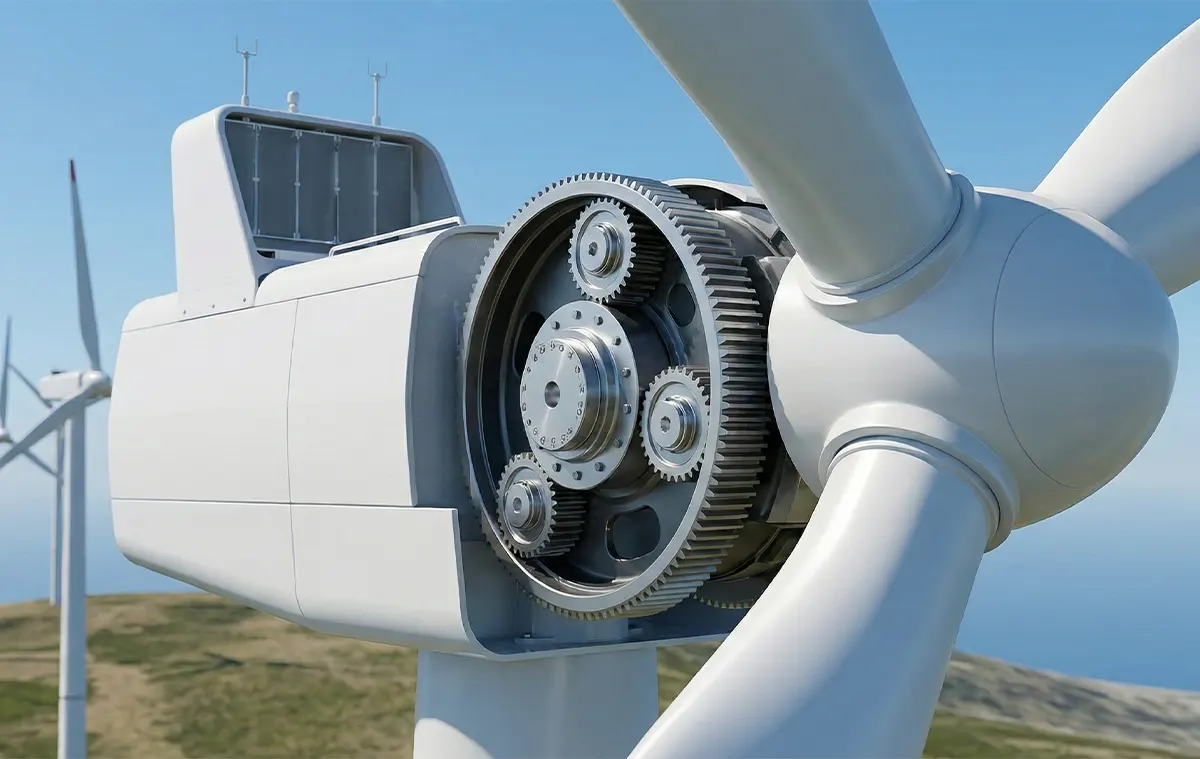
Renewable Energy
In wind turbines and solar trackers, especially in South Korea’s expanding green tech market, they ensure reliable yaw and pitch adjustments with heavy duty planetary gearbox designs rated for 500,000-hour lifespans.
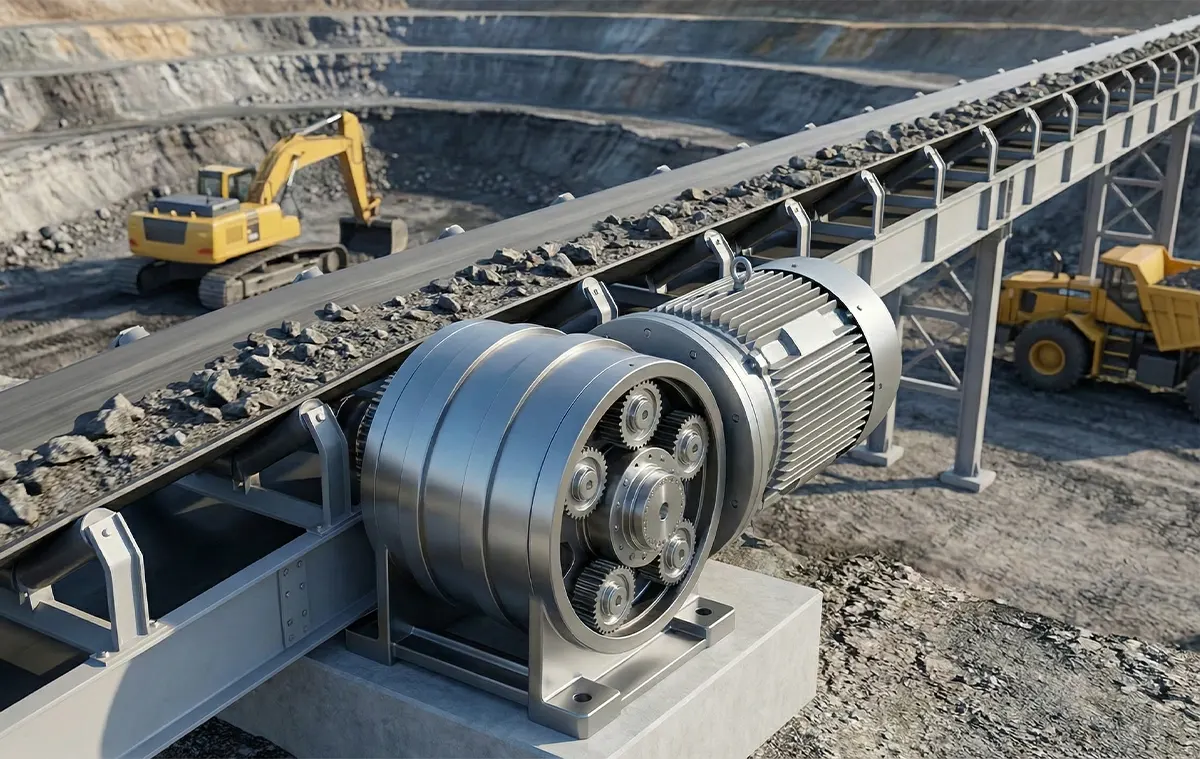
Heavy Industry and Mining
Conveyors and crushers benefit from planetary gearbox with motor integrations, delivering peak torques over 1,500,000 Nm under DIN standards, reducing downtime by 20% in harsh conditions.
How Do Planetary Gearboxes Work?
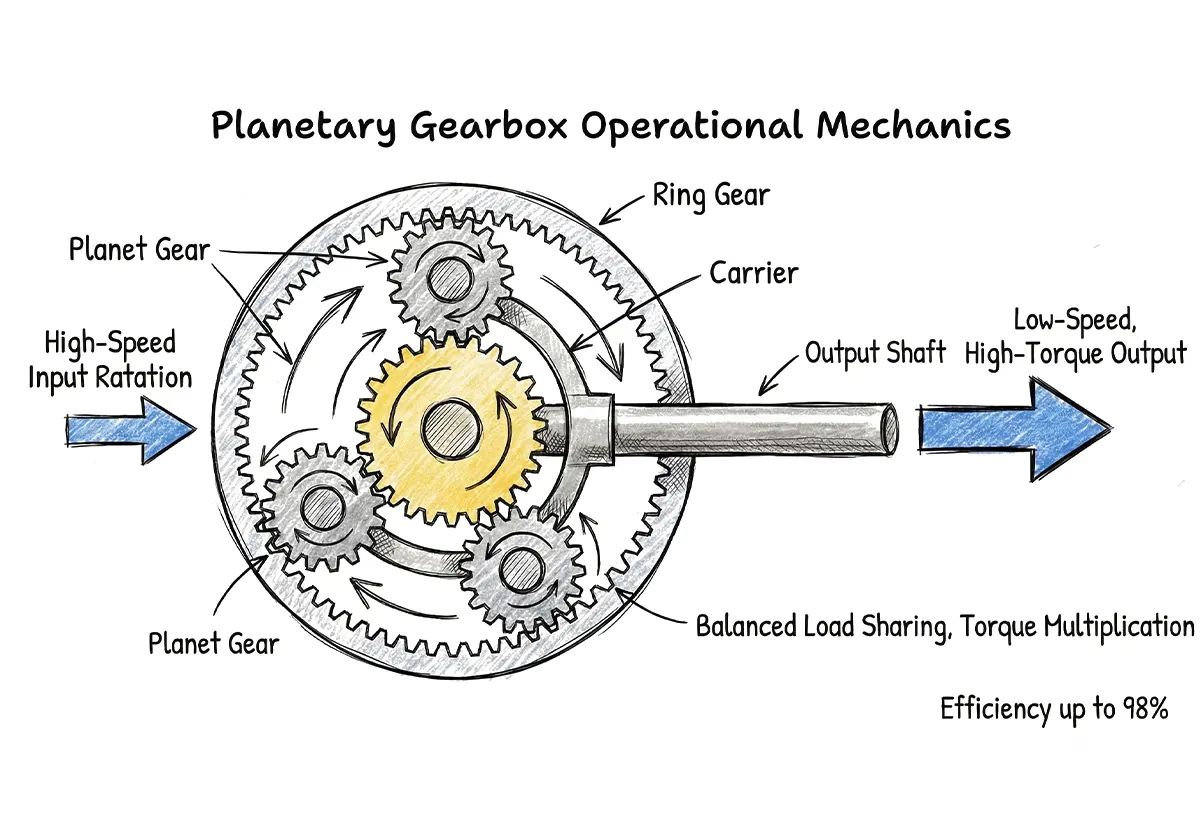
Planetary gearboxes operate by meshing gears in an orbital pattern, converting high-speed input into low-speed, high-torque output through balanced load sharing.
For instance, in a planetary gearbox with motor, this mechanism supports efficiencies up to 98%, as per industry benchmarks, ideal for heavy duty planetary gearbox setups.
Operational Mechanics
- Input rotation turns the sun gear, engaging planet gears.
2. Planet gears revolve within the ring gear, multiplying torque.
3. Carrier connects planets to output shaft, achieving reduction.
Hot Products
-
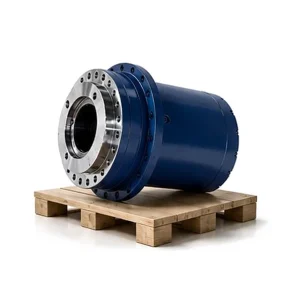
400W1 Winch Drive Planetary Gearbox Reducer
-

401W1 Winch Drive Planetary Gearbox Reducer — Single-Stage
-
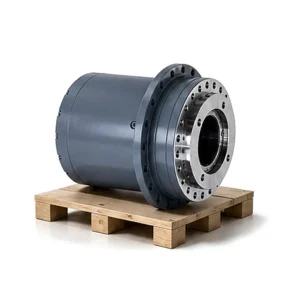
402W2 Winch Drive Planetary Gearbox Reducer
-

403W2 Winch Drive Planetary Gearbox Reducer — 2-Stage
-

405.4W Winch Drive Planetary Gearbox Reducer
-

405W Winch Drive Planetary Gearbox Reducer
-
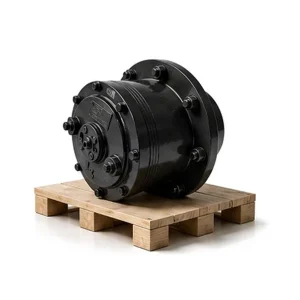
406AW Winch Drive Planetary Gearbox Reducer
-

406BW3 Winch Drive Planetary Gearbox Reducer
-
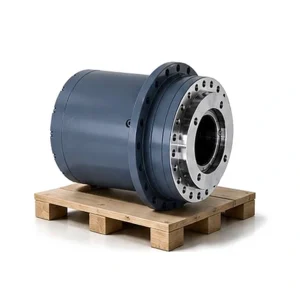
406W Winch Drive Planetary Gearbox Reducer
-
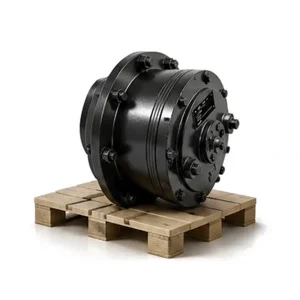
407AW Winch Drive Planetary Gearbox Reducer
-
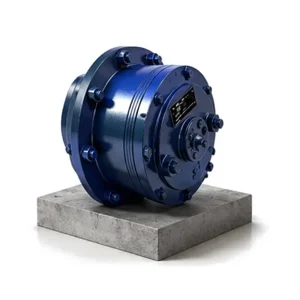
407W3 Winch Drive Planetary Gearbox Reducer
-
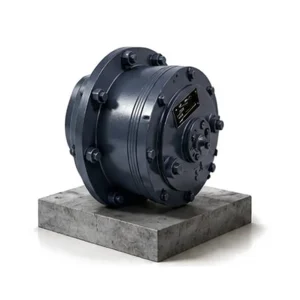
410W3 Winch Drive Planetary Gearbox Reducer
Common Questions About Planetary Gearboxes
What are the key advantages of planetary gearboxes?
Planetary gearboxes offer superior torque density, up to three times that of helical gears, along with compact size and low noise levels (typically under 65 dB). They provide excellent backlash control (as low as 1 arcmin in precision models) and high durability, with lifespans exceeding 20,000 hours under proper conditions, making them ideal for space-constrained industrial environments.
What are common applications for planetary gearboxes?
These gearboxes are widely used in robotics for precise motion control, renewable energy systems like solar trackers for efficient positioning, mining equipment for handling heavy loads, and automotive transmissions in electric vehicles. Their ability to manage high torque in compact forms ensures reliability in demanding sectors such as automation and manufacturing.
How should I select the appropriate planetary gearbox for my needs?
Selection involves evaluating torque requirements (rated and peak), desired gear ratio, input/output speeds (up to 6,000 RPM), environmental factors (e.g., IP65 rating for dust/moisture resistance), and mounting compatibility (e.g., SAE flanges). Consult technical specifications against ISO or DIN standards and consider a safety factor of 1.5-2.0 for overload protection.
What maintenance is required for planetary gearboxes?
Regular maintenance includes checking lubrication levels every 5,000 operating hours using synthetic oil (e.g., VG220 grade), inspecting for wear on gears and seals, and monitoring temperature (below 80°C) and vibration. Perform alignments to prevent misalignment issues, and replace components based on manufacturer guidelines to extend service life and maintain efficiency.