Why Solar Trackers Need Slewing Drives — And Why the Drive Is the Tracker
A fixed-tilt solar array faces south (in the northern hemisphere) at a static angle. It captures maximum irradiance only at solar noon — for the rest of the day, the angle of incidence between sunlight and the panel surface is suboptimal, reducing energy capture by 25 to 40% compared to a panel that continuously faces the sun.
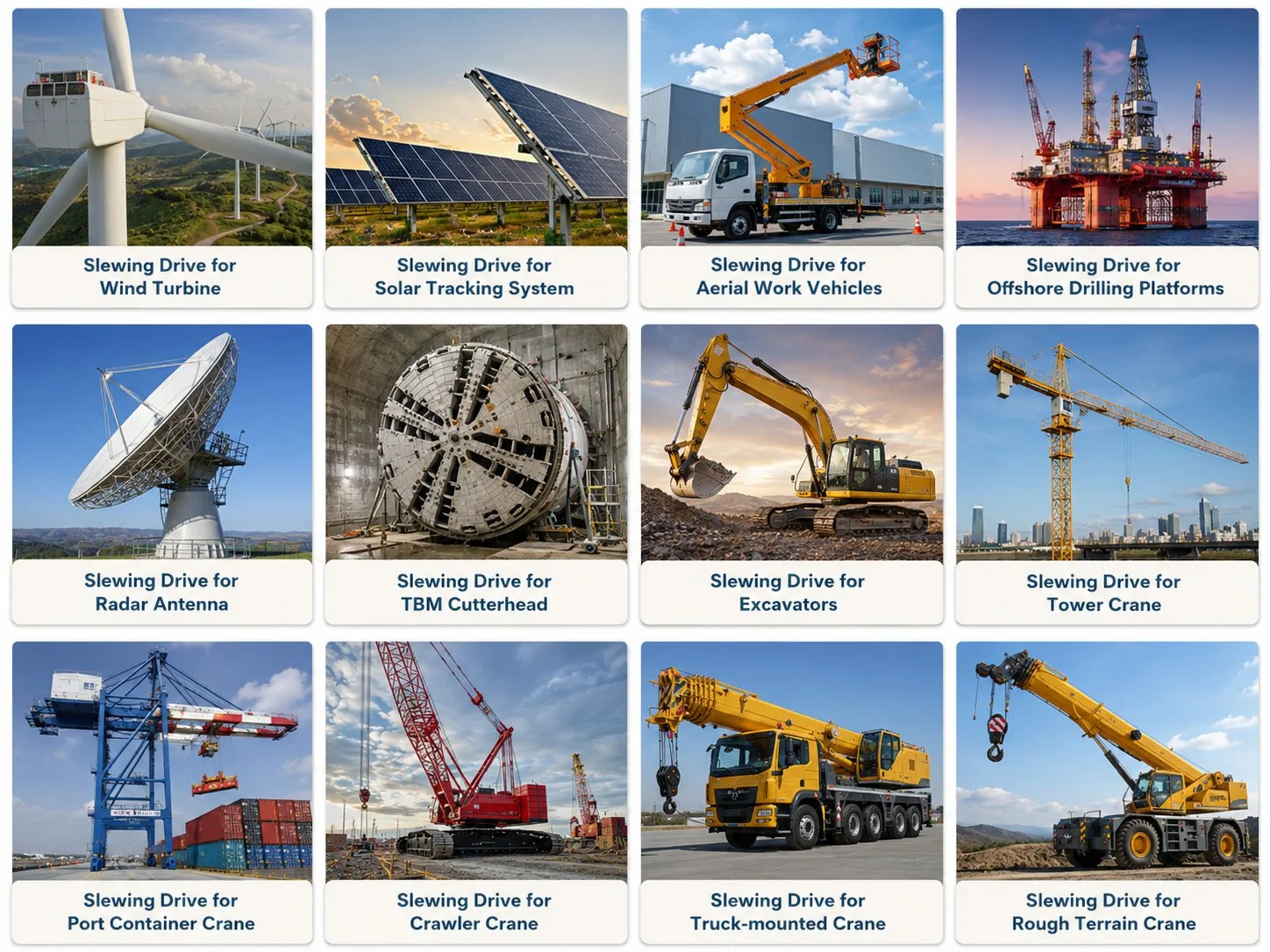
A solar tracking system rotates the panel array to maintain the optimal angle throughout the day. The döner tahrik planet dişli kutusu is not merely a component of the tracker — in most modern designs, it IS the tracker. The slewing drive simultaneously serves as the structural bearing (supporting the panel weight), the rotation mechanism (turning the array), and the position lock (holding the array against wind). No other component in the solar industry performs three structural and mechanical functions in a single unit.
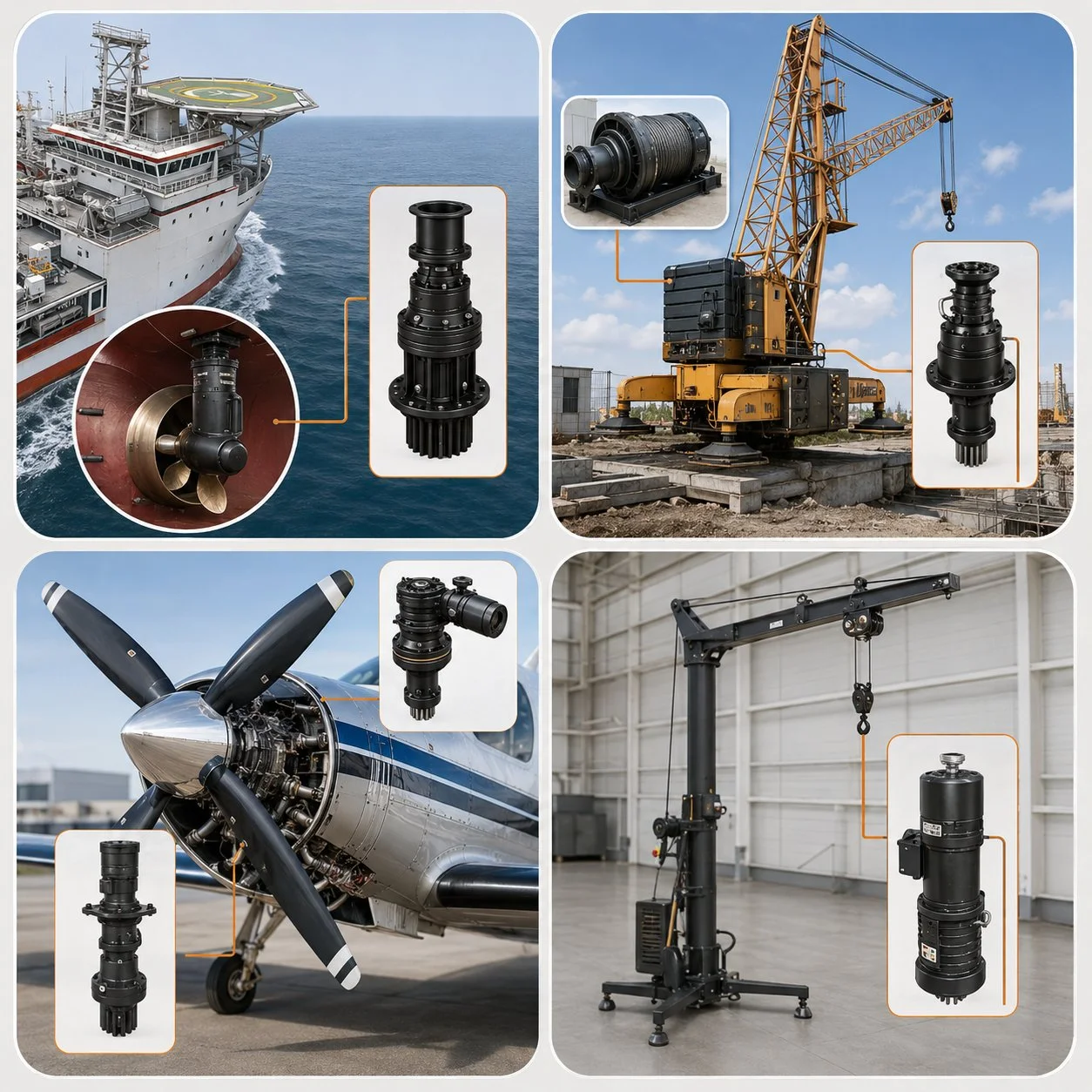
The slewing drive IS the solar tracker: it supports the panel weight, rotates the array, and locks against wind — three functions in one integrated unit.
Single-Axis vs Dual-Axis — Two Tracking Architectures, Two Different Drive Requirements
Solar tracking systems fall into two categories, each placing different demands on the slewing drive. Understanding the distinction is essential for specifying the correct drive — because a single-axis drive used in a dual-axis application will fail from the additional tilt loads, and a dual-axis drive used in a single-axis application wastes cost on unnecessary capability.
| Parametre | Single-Axis Tracker | Dual-Axis Tracker |
|---|---|---|
| Rotation axes | 1 (east-west azimuth) | 2 (azimuth + elevation) |
| Energy yield vs fixed | +25 to 30% | +35 to 45% |
| Slewing drives per tracker | 1 | 2 (one per axis) |
| Panel area per tracker | 20 – 120 m2 | 4 – 30 m2 |
| Market share (utility) | 85 – 90% | 10 – 15% |
| Drive output torque | 2,000 – 8,000 Nm | 500 – 3,000 Nm |
| Wind stall torque | 15,000 – 50,000 Nm | 3,000 – 15,000 Nm |
Why wind stall torque exceeds driving torque by 3 to 8 times: The motor torque needed to rotate the panel array during calm tracking is modest — 2,000 to 8,000 Nm for a single-axis tracker. But the torque needed to HOLD the array in a storm — resisting 150 km/h wind loads on a 60 to 120 m2 panel surface — is 15,000 to 50,000 Nm. The slewing drive must be sized for this holding condition, not the tracking condition. Most solar slewing drives spend 99.9% of their life at less than 20% of their rated capacity — and must survive the 0.1% storm events at 100%.
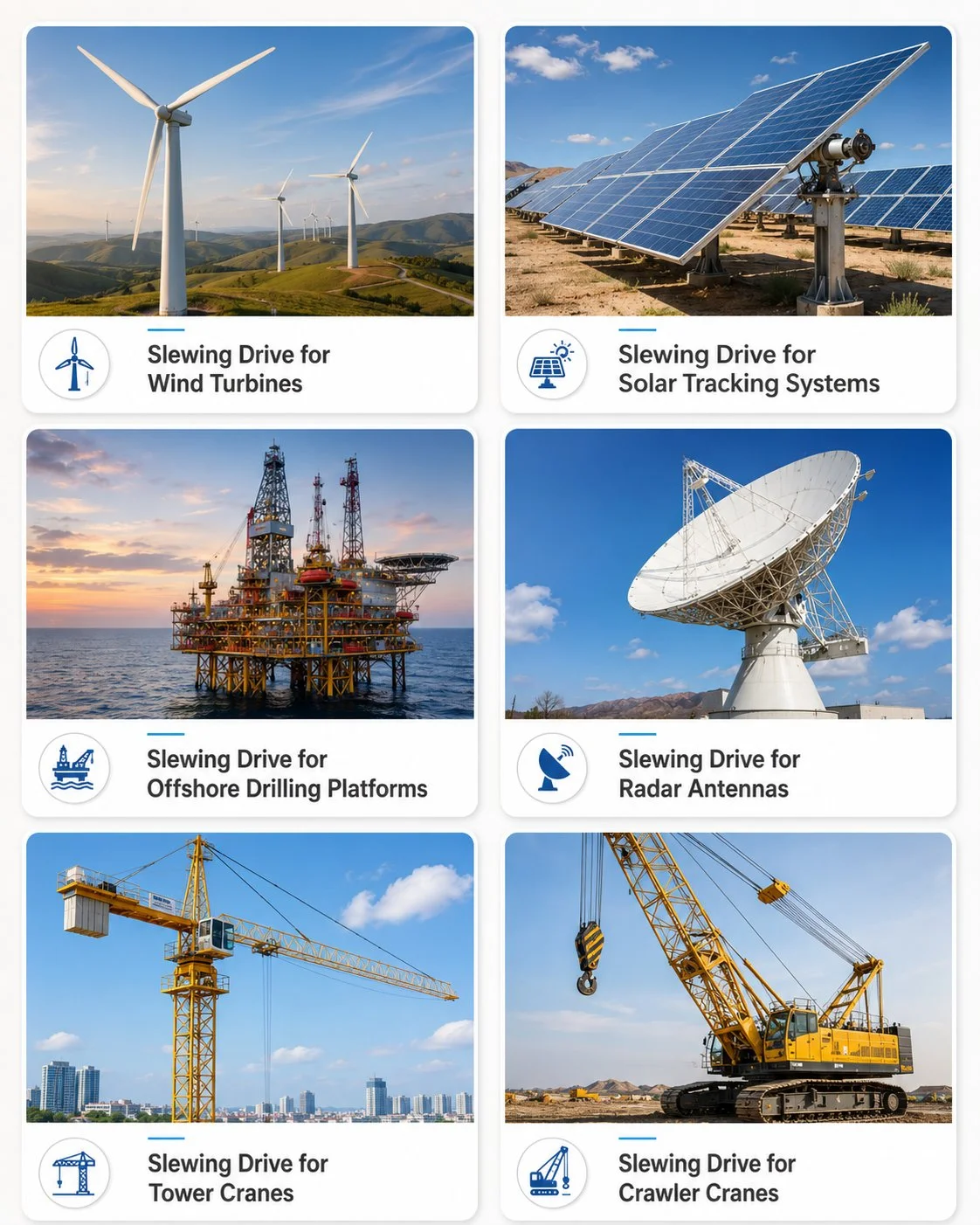
Dual-axis trackers use two slewing drives: one for azimuth (horizontal rotation) and one for elevation (tilt angle). Single-axis trackers use one drive for the primary east-west tracking motion.
Self-Locking — The Property That Eliminates Brakes, Motors, and Energy Consumption Between Movements
Most industrial slewing drives use spur or helical planetary gear trains that are back-drivable — a load on the output can rotate the gears backward and drive the motor. This requires a brake to hold position when the motor is off. Solar tracker slewing drives use a different architecture: a worm gear input stage combined with a planetary output stage. The worm gear provides self-locking — the friction angle of the worm thread exceeds the lead angle, making it mechanically impossible for the output load (wind on panels) to back-drive the input.
This self-locking property eliminates three components: the holding brake, the continuous motor energisation, and the position sensor feedback loop. Between tracking movements, the motor is de-energised and the panels are held in position by the mechanical geometry of the worm gear — consuming zero electricity. For a 100 MW solar farm with 15,000 trackers, the eliminated brake and holding-motor energy represents a meaningful parasitic load reduction.
The efficiency trade-off: Worm gear self-locking comes at a cost: the forward efficiency of a worm stage is 40 to 65% — far lower than the 94 to 97% of a spur planetary stage. But in solar tracking, this low efficiency is acceptable because the tracking load is very small (the motor runs for only 2 to 5 minutes per hour) and the energy consumed during tracking is less than 0.1% of the energy the tracker produces. The self-locking benefit — zero holding energy, no brake, no position-loss risk during power outages — far outweighs the efficiency loss during the brief tracking movements.
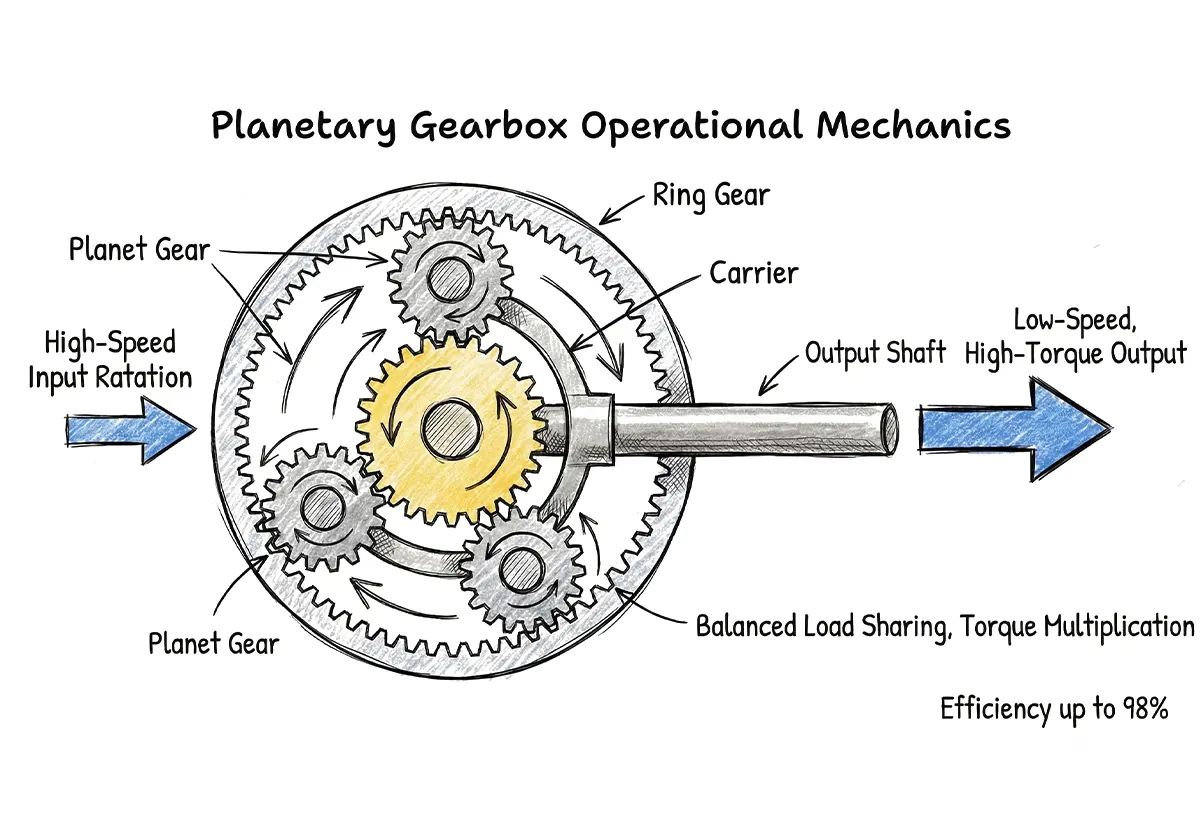
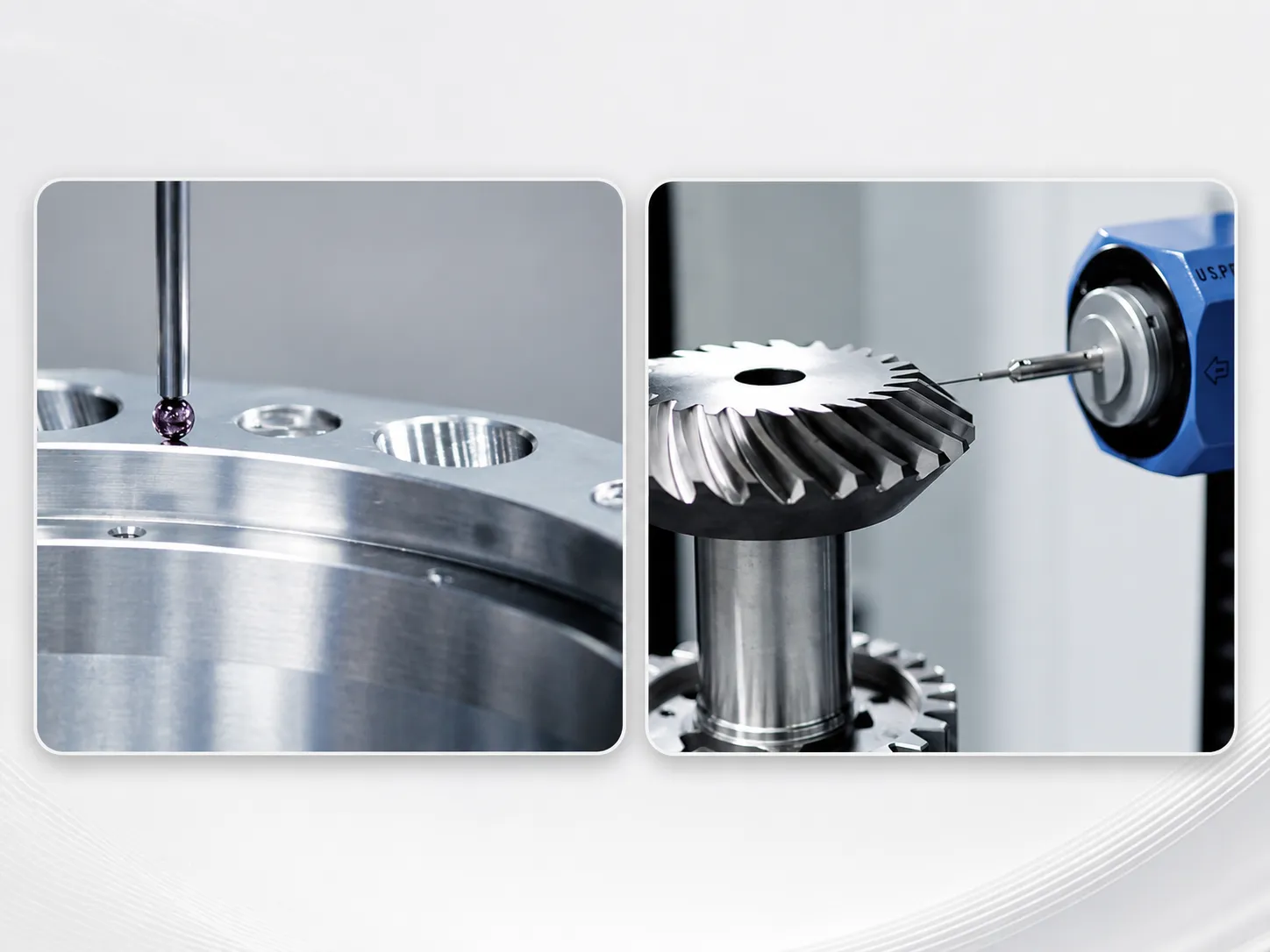
Planetary gear principle. Solar tracker slewing drives combine a self-locking worm input stage with a torque-multiplying planetary output stage — merging position-holding capability with high output torque.
30-Year Desert Life — The Environmental Challenges That Define Solar Slewing Drive Engineering
The majority of utility-scale solar farms are in desert, semi-arid, or high-irradiance environments — the same locations that produce the highest solar yield also produce the harshest conditions for mechanical equipment. The slewing drive must survive these conditions for 25 to 30 years without scheduled replacement.
Volume and Quality — Why Solar Drives Demand Manufacturing Consistency at Scale
A single 100 MW solar farm project orders 10,000 to 20,000 slewing drives — in one batch, delivered to one site, installed within 6 to 12 months. If 1% of those drives fail within the first 5 years, that means 100 to 200 field replacements — each requiring a service truck, a technician, a crane or lifting device, and 2 to 4 hours of labour per drive. At USD 500 to 800 per service visit plus the replacement drive cost, a 1% early failure rate costs USD 75,000 to 200,000 in unplanned maintenance.
This is why solar farm developers and EPC contractors prioritise manufacturing consistency over peak performance specifications. A drive that achieves 99.9% batch uniformity at 90% of the theoretical maximum torque is more valuable than a drive that achieves 100% torque with 2% batch variation. Kore'nin Daimi Gücü manufacturing facilities are equipped for the batch volumes and testing throughput that utility-scale solar projects demand.
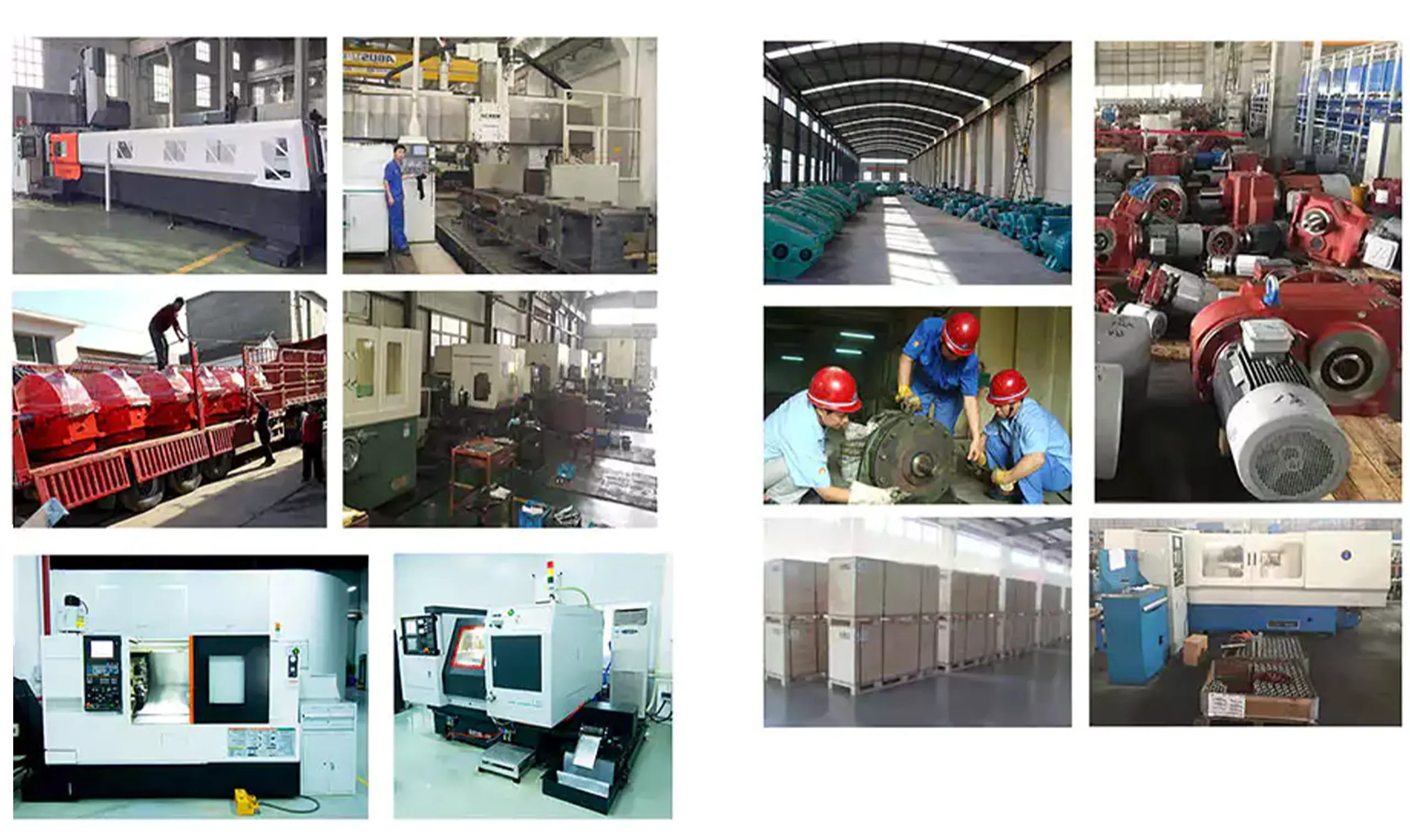
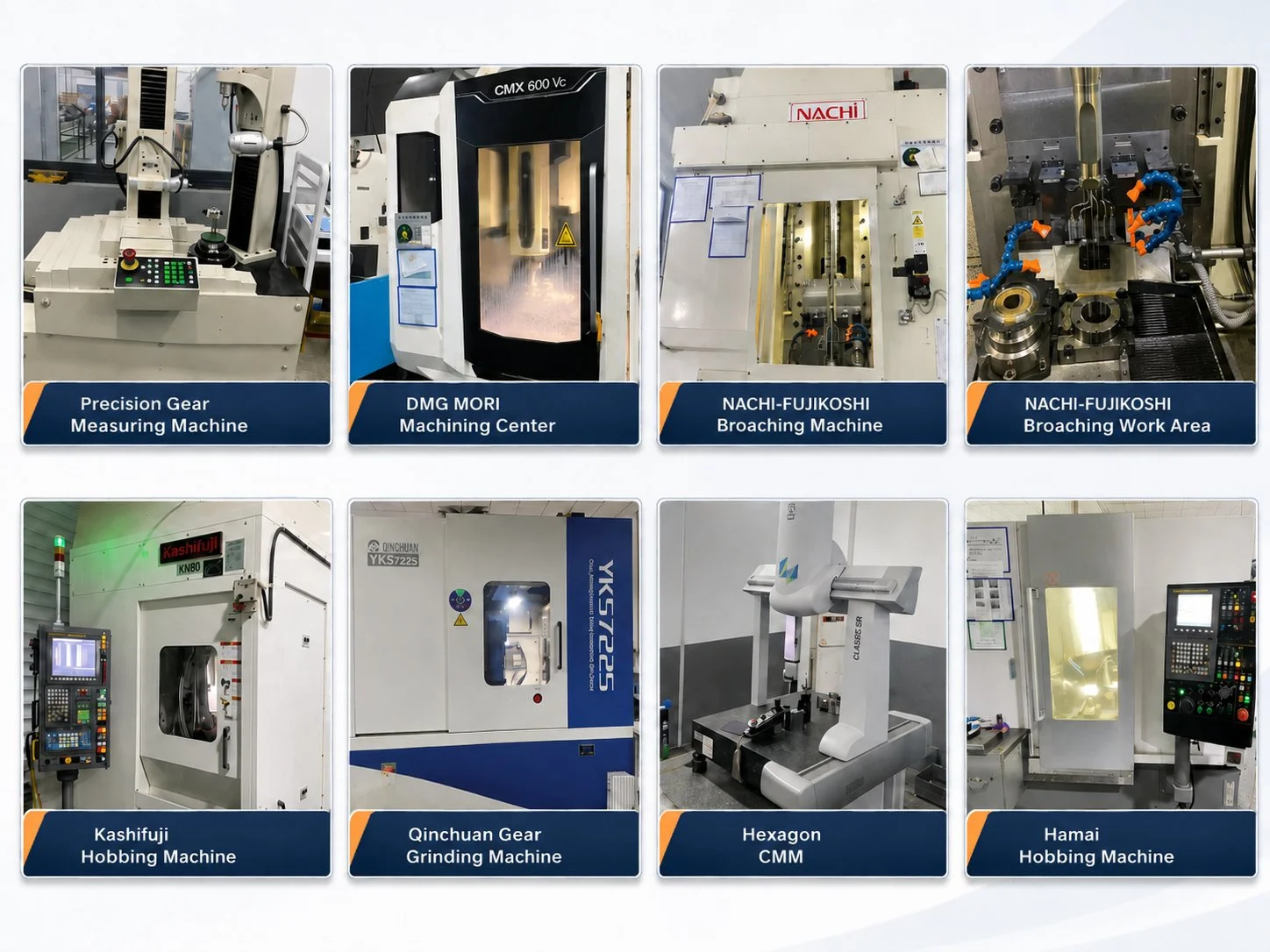
Top: Korea Ever-Power manufacturing facility. Bottom: Testing centre for batch quality verification. Solar projects require 100% output torque testing on every unit in batches of 5,000 to 20,000.
Three Failure Modes That Determine Solar Slewing Drive Specification
During a storm, the controller commands all trackers to the wind-stall position (typically flat or at a pre-set stow angle). The slewing drive must hold this position against wind loads of 150 km/h or more — generating moments of 15,000 to 50,000 Nm on the output shaft. If the self-locking worm gear cannot hold, the panel array rotates uncontrolled and the wind catches the panels at a high angle of attack — generating forces that can bend the torque tube, rip the panel clamps, or topple the entire tracker structure. The wind stall torque rating is the most critical specification in the entire solar slewing drive datasheet.
In desert environments, fine sand penetrates the housing through seals, breathers, and cable entry points over decades of exposure. The sand particles accumulate in the worm-gear grease and act as a continuous lapping compound on the worm and wheel tooth surfaces. Over 15 to 20 years, this abrasive wear increases the backlash and reduces the self-locking reliability — the worm angle changes as the thread profile wears, potentially compromising the lock condition. Once the self-locking capability is degraded, the drive cannot reliably hold in storm conditions.
Solar farms in coastal zones (within 5 km of the sea), tropical regions, and areas with high humidity and industrial pollution experience accelerated corrosion on the slewing drive housing, slewing ring bearing, and fasteners. The combination of salt air, daily condensation, and 30-year exposure produces corrosion rates that can reduce housing wall thickness by 1 to 2 mm over the project life. The slewing ring raceway — the bearing surface that carries the panel weight — is particularly vulnerable because any corrosion pitting on the raceway initiates early bearing fatigue.
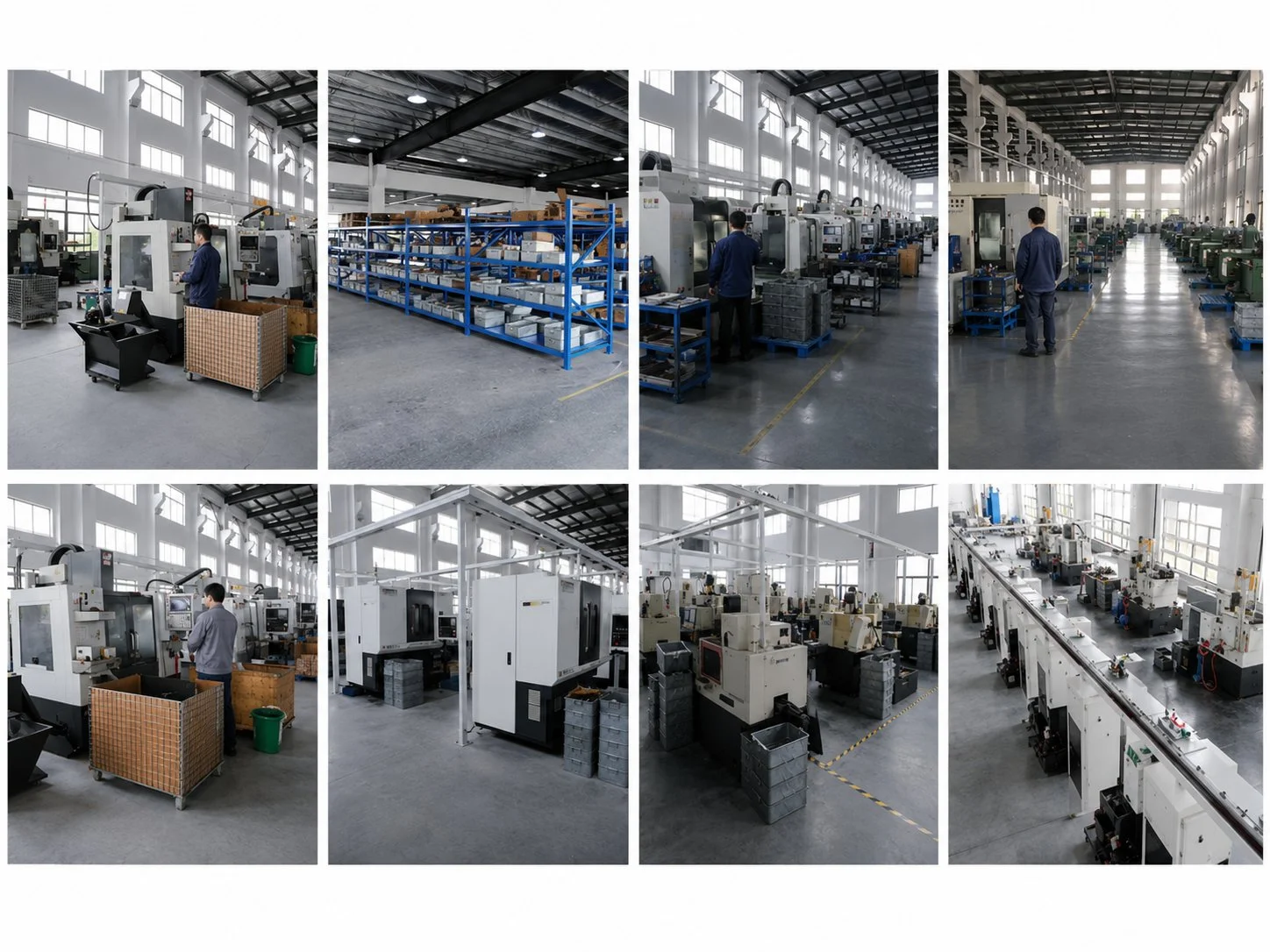
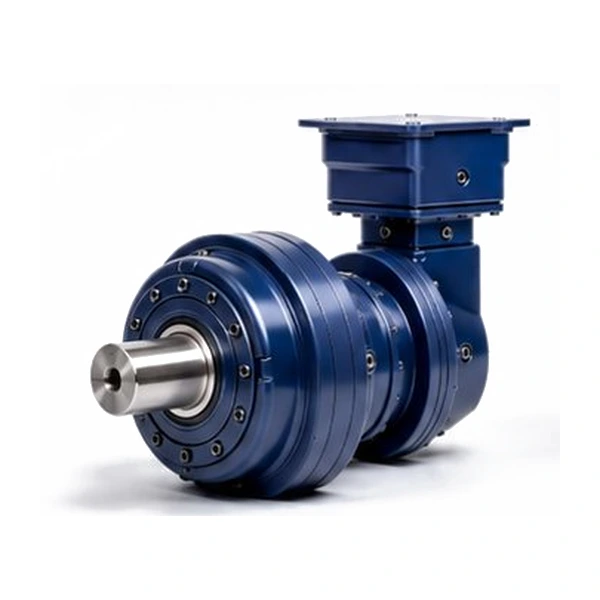
Top: Assembly workshop with quality control stations. Bottom: ZR-series slewing drive — the integrated bearing + gear unit architecture used in solar tracker systems.
Slewing Drive Planetary Gearbox for Solar Tracking Systems — Frequently Asked Questions
Korea Ever-Power provides solar tracker slewing drive planetary gearboxes at utility-scale volumes with self-locking worm stages, integrated slewing bearings, and desert/marine/tropical environmental protection. Provide your tracker design and project volume for a specification and batch quotation.
Editör: Cxm