Başka hiçbir pist sürüşünün aynı anda karşılaşmadığı dört uç nokta
Bir ağaç kesme makinesi dik yamaçlarda çalışır - ancak ılıman iklimlerde. Bir boru hattı traktörü Arktik soğukta çalışır - ancak düz arazide. Bir kar temizleme makinesi ise her iki ortamın en kötü yönlerini birleştirir ve başka hiçbir makinenin karşılaşmadığı iki zorluk daha ekler. palet tahrikli planet dişli kutusu Dört aşamanın hepsinden aynı anda sağ çıkmalıdır.
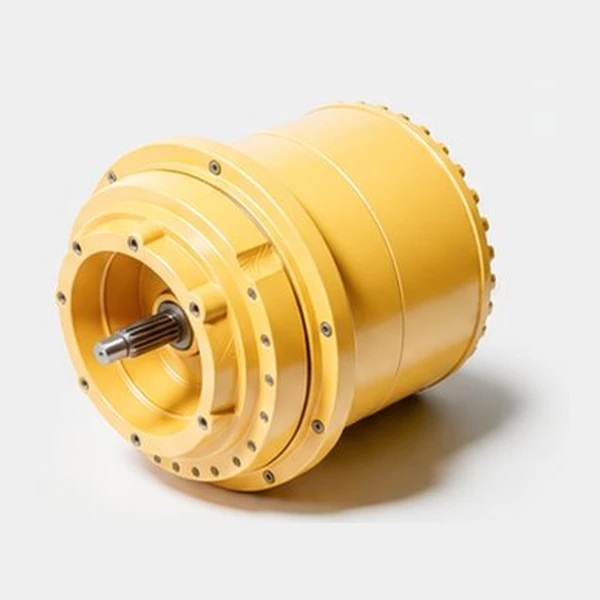
-40 santigrat derecede standart 80W-90 dişli yağı, soğuk balın viskozitesine sahiptir; çalışma aralığı olan 150-300 cSt'ye karşılık 50.000-100.000 cSt'dir. Soğuk çalıştırmada, yağ planet yataklarına akmaz. Dişliler yarı katı yağlayıcı içinde dönerken, yağ banyosunun geri kalanı donmuş halde kalır ve yerel olarak ısı üretir. Çalışmanın ilk 10-15 dakikası, tüm vardiyanın en çok zarar gören kısmıdır.
Uzman kayak pistleri 35 ila 45 dereceye kadar diktir; bu, herhangi bir ağaç kesme makinesinin çalıştığı eğimden (30 ila 40 derece) daha diktir. 35 derecenin üzerindeki yamaçlarda, makine vinç yardımıyla hareket eder: çelik bir kablo makineyi zirvedeki bir tambura bağlar ve vinç, tırmanma sırasında palet tahrik torkunu destekler. Ancak vinç yardımıyla bile palet tahriki tırmanma kuvvetinin ila 'ini taşır.
Kar temizleme araçlarının paletleri toplamda 3,5 ila 4,5 metre genişliğindedir; bu da bir ekskavatörden 3 ila 4 kat daha geniştir. Bu aşırı genişlik, 10 ila 14 tonluk makine ağırlığını dağıtarak 3 ila 6 kPa arasında zemin basıncı elde edilmesini sağlar; bu da seri üretim paletli araçlar arasında en düşük değerdir. Her bir palet tahrik sistemi, benzeri görülmemiş genişlikte kauçuk ve çelikten yapılmış bir palet bandını kavrayan bir dişliye tork iletmelidir.
Pist bakımı, teleferikler kapandıktan sonra (genellikle 17:00) başlar ve ilk teleferik kalkmadan önce (08:00) tamamlanmalıdır. Pist bakım makineleri, sezonun her bakım gününde, gecenin en soğuk saatlerinde (02:00 - 05:00) 10 ila 12 saat boyunca kesintisiz çalışır; bu da yılda 120 ila 150 geceye denk gelir. Gündüz ısınma süresi veya vardiya ortası bakım penceresi yoktur.
Soğuk Çalıştırma Hasarı — Paletli Tahrik Sisteminin Kullanım Ömrünü Belirleyen 15 Dakika
-30 ila -40 derece C'de, standart dişli yağı sıvı gibi davranmaz. Yarı katı bir macun gibi davranır. Operatör kar temizleme makinesini çalıştırıp palet tahriklerini devreye soktuğunda, planet dişliler bu macun içinde dönmek zorundadır ve bu dönme hareketi, her bir yatağın hemen yakınındaki yağı inceltmek için yeterli yerel ısı üretene kadar planet pim yataklarına yağ akışı olmaz. Bu soğuk çalıştırma aşaması 10 ila 15 dakika sürer ve vardiyanın geri kalan 10 saatinde meydana gelen hasardan daha fazla yatak yüzeyi hasarına neden olur.
| Sıcaklık | Yağ Viskozitesi (80W-90) | Yağ Viskozitesi (75W-80 Sentetik) | Rulman Durumu |
|---|---|---|---|
| +20°C (referans) | 180 cSt | 120 cSt | Tam hidrodinamik film |
| -10°C | 5.000 cSt | 1.200 cSt | Marjinal akış |
| -25°C | 25.000 cSt | 4.000 cSt | Sınır yağlaması |
| -40°C | 80.000+ cSt (yarı katı) | 12.000 cSt | Kuru çalışma / kanal açma |
-40 santigrat derecede, standart 80W-90 mineral yağ 80.000 cSt'nin üzerindedir; yani neredeyse tamamen katıdır. Dişliler, yağı yataklara dağıtmadan içinden geçer. Tam sentetik 75W-80 yağ ise -40 santigrat derecede 12.000 cSt'dir; hala çok kalındır, ancak dişli dönüşüyle yer değiştirebilecek ve 5 ila 8 dakika içinde (mineral yağda 15 dakikadan fazla süreye kıyasla) planet yataklarına ulaşabilecek kadar akışkandır. Soğuk çalıştırmada yataklara yağ iletimindeki bu 7 dakikalık fark, 150 gecelik bir sezonda kabul edilebilir ve hızlandırılmış yatak aşınması arasındaki farkı oluşturur.
-20 derecenin altındaki sıcaklıklarda kar temizleme makinelerinin soğuk çalıştırması için en iyi uygulama: Motoru çalıştırın ve yük uygulamadan önce 5 dakika boyunca palet tahriklerini sıfır yükte (paletler havada veya makine düz zeminde) çalıştırın. Bu, dişli çarkların dönmesinin, tam torkla tırmanmanın getirdiği yatak gerilimi olmadan yağı yerel olarak ısıtmasını sağlar. Bu protokolü uygulayan tesisler, soğuk çalıştırmadan hemen tam tırmanma torku uygulayan operatörlere kıyasla 30 ila 40 ton daha uzun palet tahrik ömrü bildirmektedir.
Vinç Destekli Eğim Tırmanışı — Paletli Tahrik Sistemi ve Vinç, Zorlu Arazide Yükü Nasıl Paylaşıyor?
25 ila 30 dereceye kadar olan eğimlerde, kar temizleme aracı yalnızca palet tahrik gücüyle tırmanır; palet ile kar arasındaki sürtünme, makineyi yokuş yukarı itmek için yeterlidir. 30 derecenin üzerinde, sürtünme sınırına yaklaşılır ve paletler kaymaya başlar. 35 ila 45 derece eğimli uzman seviyesindeki kayak pistlerinde, çelik bir vinç kablosu, temizleme aracını zirveye sabitlenmiş bir tambura bağlar ve palet tahrikinin tırmanma kuvvetini destekler.
Vinç desteğiyle bile, tırmanma kuvvetinin büyük çoğunluğunu palet tahrik sistemleri taşır. Vinç, palet tahrikini tamamlar, onun yerini almaz. Vinç destekli bir tırmanışta palet tahrik sistemi durursa, makine ileriye doğru hareket etmeden kabloya asılı kalır. Palet tahrik sistemi, tırmanış boyunca (genellikle 300 ila 800 metrelik bir eğimde her seferinde 3 ila 10 dakika) toplam tırmanma gereksiniminin ila 'i arasında sürekli çıkış torkunu korumalıdır.
Yokuş aşağı inerken, vinç kabloyu uzatırken palet tahrik sistemleri ters yönde çalışarak iniş hızını kontrol eden yavaşlatıcılar görevi görür. Palet tahrik sisteminin planet dişli kutusu, kontrollü 3 ila 5 km/saatlik iniş hızını korurken, yerçekiminden kaynaklanan iniş enerjisini ısı olarak emmelidir. Bu yavaşlatıcı görev, bakım döngüsünün en yüksek sürekli termal yükünü oluşturur; yağ sıcaklığı, tırmanışlarda değil, kontrollü inişlerde en hızlı şekilde yükselir.
O vinç tahrik planet dişli kutusu Zirvedeki ve kar temizleme makinesindeki paletli tahrik planet dişli kutuları, koordineli bir sistem olarak boyutlandırılmalıdır. Vinç yetersiz kablo gerilimi sağlarsa, tırmanma sırasında paletli tahrik sistemleri aşırı yüklenir. Paletli tahrik sistemleri yetersiz yavaşlatma torku sağlarsa, iniş sırasında vinç aşırı yüklenir. Her iki özellik de birlikte geliştirilmelidir.
Kar Temizleme Makinesi Palet Tahrik Sistemlerine Özgü Üç Arıza Modu
Kar temizleme makinelerinin palet tahrik sistemlerinin arızalanmasının en önemli nedeni. -20 santigrat derecenin altındaki her soğuk çalıştırmanın ilk 5 ila 15 dakikasında, planet pim yatakları minimum veya hiç yağ filmi olmadan çalışır. Her soğuk çalıştırma olayı, yaklaşık 20 saatlik normal sıcaklıkta çalışmaya eşdeğer mikro aşınma hasarı üretir. Sezon başına 150'den fazla soğuk çalıştırma (her gece kar temizleme işleminde bir tane), biriken hasar, sıcak iklimde 3.000 saatlik aşınmaya eşdeğerdir - bu da gerçek soğuk çalıştırma süresinin ilk 37 saatine sıkıştırılmıştır. 3 ila 5 sezondan sonra, toplam çalışma saatleri (1.500 ila 2.500) normalde sıcak iklim makinesinde yarı ömrü gösterse bile, kümülatif soğuk çalıştırma hasarı değiştirme eşiğine ulaşır.
Standart NBR çift konik conta O-ringleri -25 santigrat derecenin altında elastikiyetini kaybeder; kauçuk sertleşir ve dönen dişliye karşı sızdırmazlık sağlamak için gereken dinamik temas basıncını koruyamaz. Ek olarak, kar-buz döngüsünden kaynaklanan erime suyu conta boşluğuna nüfuz eder ve donar; bu da conta yüzeylerini fiziksel olarak birbirinden ayırır. Kar temizleme aracı soğukken çalışmaya başladığında, donmuş buz köprüsü kırılır, ancak conta hizalamasını zaten bozmuş olabilir. Vardiya başına birden fazla donma-çözülme döngüsü boyunca (gövde çalışma sırasında ısınır, park halindeyken soğur), conta arayüzü giderek bozulur.
-35 santigrat derecede 400 metrelik bir eğimi tırmandıktan sonra, palet tahrik yağı, çalkalanma ve dişli sürtünmesi nedeniyle yaklaşık 0 ila +10 santigrat dereceye kadar ısınır. Ardından, kar temizleme aracı aynı eğimi palet tahrikleri yavaşlama modundayken iner ve yerçekimi enerjisini ısı olarak emer. Yağ sıcaklığı, 3 dakikalık bir iniş sırasında +10 ila +60 santigrat dereceye kadar yükselebilir. Vardiya başına 10 ila 20 kez tekrarlanan bu 50 derecelik termal şok, gövdede ve contalarda başka hiçbir palet tahrik uygulamasında görülmeyen termal stres döngüsü oluşturur. Gövde genleşir, conta temas geometrisi değişir ve bir sonraki soğuk tırmanışta conta orijinal konumuna geri oturmayabilir.
Kar Temizleme Makineleri için Paletli Tahrikli Planet Dişli Kutusu — Sıkça Sorulan Sorular
Korea Ever-Power, dağlık bölgelerdeki kar temizleme işlemleri için -40°C'ye kadar dayanıklı, HNBR contalı, sentetik yağ özellikli ve koordineli vinç tahrik sistemlerine sahip kar temizleme makinesi palet tahrik planet dişli kutuları sunmaktadır. Soğuk çalışma koşullarına uygun bir özellik için lütfen kar temizleme makinenizin modelini ve minimum çalışma sıcaklığını belirtin.
Editör: Cxm