BAE Series High-Precision Planetary Gearbox — Large Flange Type (EP-BAE050 to EP-BAE235)

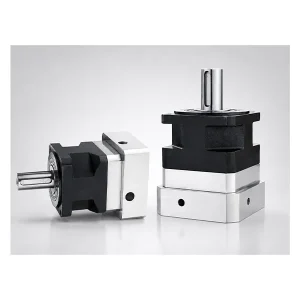
The EP-BAE Series is a high-precision planetary gearbox with an oversized square output flange, available in seven frame sizes from EP-BAE050 to EP-BAE235. Its defining feature is a flange outer diameter significantly larger than the gearbox body diameter, distributing the output mounting load over a greater bolt-circle radius and maximising torsional stiffness at the machine interface. Rated output torque ranges from 19 N·m to 2,000 N·m with P1 backlash of ≤3 arcmin (single-stage), efficiency ≥95%, and noise below 65 dB(A). servo drive inertia-ratio verification. EP-BAE is the preferred choice for heavy rotary tables, large-flange machine tool spindle heads, and any application where the output interface bears significant overturning moments.
EP-BAE Series — Large-Flange High-Precision Planetary Gearbox for Heavy Interface Loads
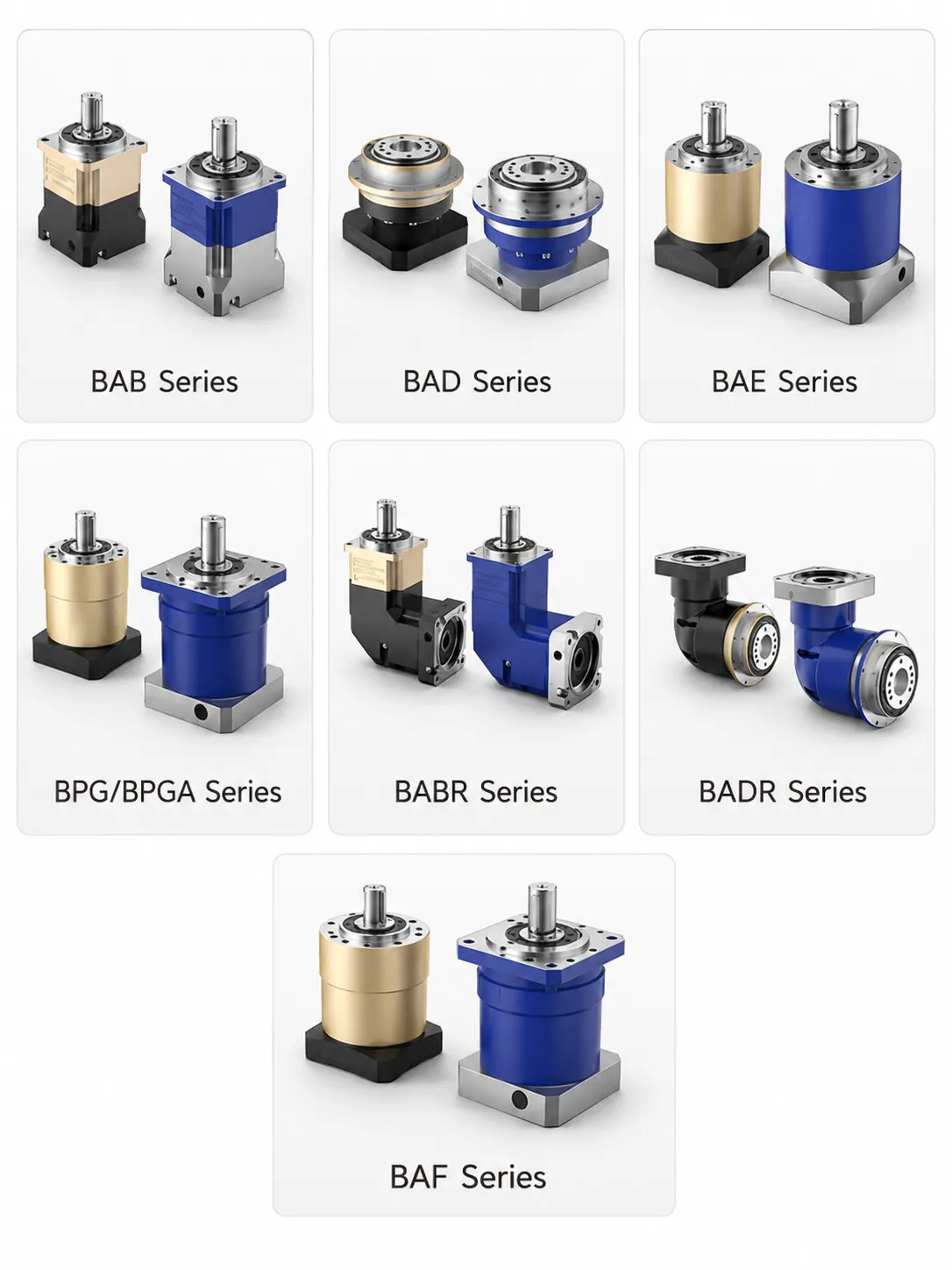
The EP-BAE series high-precision planetary gearbox is Korea Ever-Power's large-flange variant, designed for applications where the gearbox-to-machine interface must carry significant overturning moments — bending loads applied perpendicular to the output shaft axis — in addition to the primary output torque. The defining engineering feature is an output flange outer diameter substantially larger than the gearbox body diameter, extending the bolt-circle radius and dramatically increasing the mounting interface's resistance to flange tipping, bending, and bolt-tension variation under dynamic load reversals.
Seven frame sizes from EP-BAE050 through EP-BAE235 cover rated output torque from 19 N·m to 2,000 N·m with P1 grade backlash of ≤3 arcmin single-stage and ≤5 arcmin two-stage, ≥95% single-stage efficiency, and noise below 65 dB(A). Korea Ever-Power publishes moment of inertia data for all seven EP-BAE frames — a key differentiator enabling servo drive engineers to perform inertia-ratio calculations before finalising motor and drive selection, without waiting for physical units.
Why Flange Size Matters — The Engineering Case for EP-BAE
┌──────────┐
│ ████████ │ ← flange = body width
│ ██ GB ██ │
│ ████████ │
└──────────┘
bolt-circle radius = R₁Large Flange (BAE)
┌────────────────┐
│ ██████████████ │ ← flange > body width
│ ██ GB ██ │
│ ██████████████ │
└────────────────┘
bolt-circle radius = R₂ > R₁Overturning resistance:
M_resist ∝ R²
(BAE: significantly higher)
Three Structural Problems the Large Flange Solves
① Overturning Moment at the Mounting Interface
When a cantilevered load — a rotary table workpiece, a robot arm segment, a spindle head — applies a force perpendicular to the output shaft, it creates a bending moment at the gearbox output flange. The mounting bolts on one side go into tension while those on the opposite side go into compression. A larger flange bolt-circle radius increases the moment arm of each bolt, reducing the peak bolt tension for the same applied bending moment. EP-BAE's oversized flange is specifically designed to handle these overturning loads that a standard-width flange would concentrate into fewer, more highly stressed bolts.
② Interface Torsional Stiffness Under Rapid Reversals
In precision servo positioning applications with rapid direction reversals — a rotary table repeatedly indexing to closely spaced angular positions — the torsional compliance at the flange interface contributes a positioning error that appears identical to gearbox backlash. A larger flange with more bolts at greater radius, all preloaded to rated torque, is torsionally stiffer at the mechanical interface than a smaller flange. This means the P1 ≤3 arcmin backlash of the gearbox is more faithfully preserved at the workpiece level.
③ Radial Load Distribution Over Greater Surface Area
Heavy rotary tables carrying large workpieces generate substantial radial force at the output shaft bearing from the workpiece overhang. The EP-BAE large flange also accommodates a larger output shaft bearing span — the critical dimension for radial load capacity. This geometry extends bearing L10 life under the combined torque and radial loading conditions typical of large CNC rotary tables and heavy indexing equipment.
EP-BAE vs EP-BAB — When the Large Flange Justifies the Choice
| Criterion | EP-BAE ★ Large Flange | EP-BAB Standard Flange |
|---|---|---|
| Flange OD vs body OD | Flange significantly larger than body | Flange matches body width |
| Overturning moment capacity | High — large bolt-circle radius | Standard |
| Interface torsional stiffness | Higher (more bolts at greater radius) | Standard |
| Inertia data published | Yes — all 7 frames | On request |
| Backlash / Efficiency | ≤3 arcmin P1 / ≥95% | ≤3 arcmin P1 / ≥95% |
| Machine footprint | Larger (flange extends beyond body) | Compact |
| Best for | Heavy rotary tables, spindle heads, cantilevered loads | General servo automation, robots, packaging |
Choose EP-BAE when your application involves significant overturning moments at the output flange (rotary table with heavy workpiece overhang, spindle head with cutting forces, cantilevered arm segment). Choose EP-BAB when the machine structure carries radial loads elsewhere and the gearbox only needs to transmit output torque.
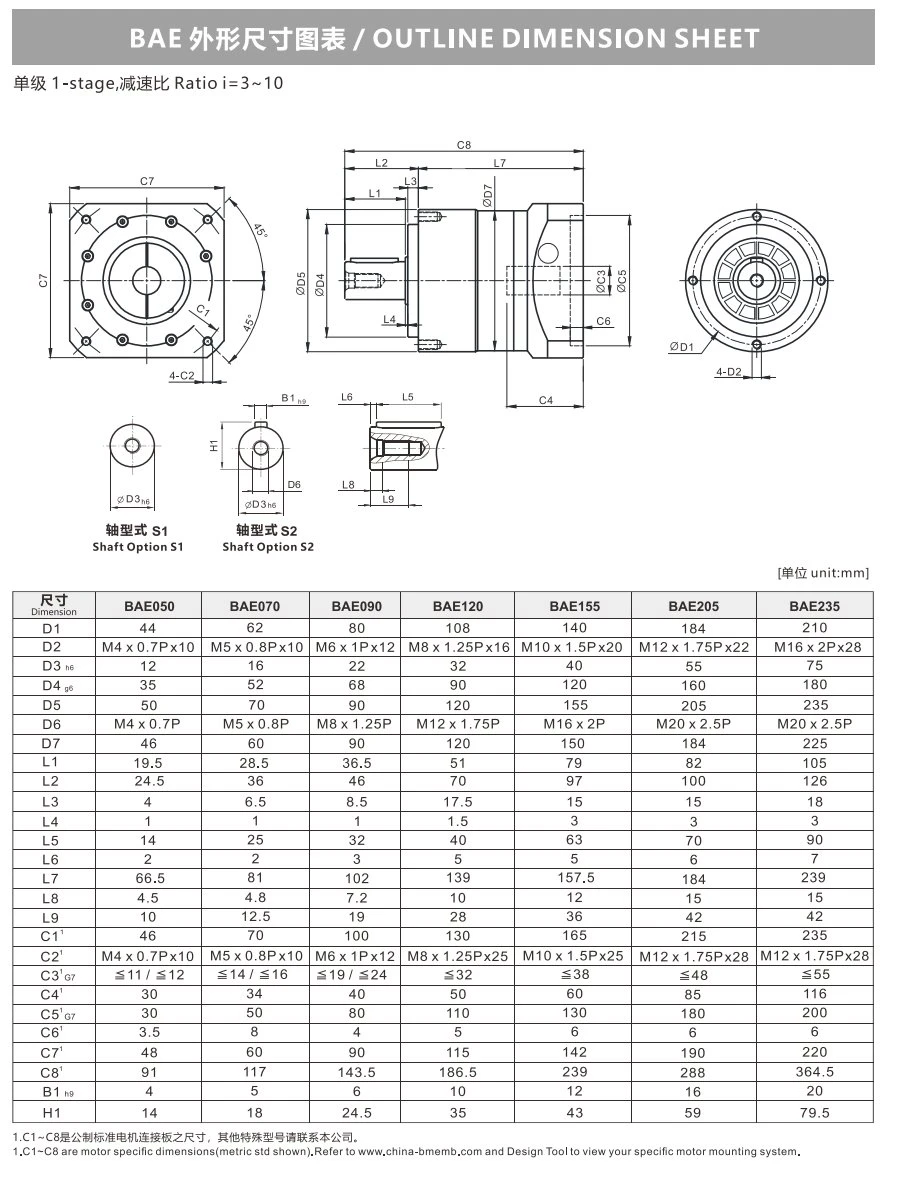
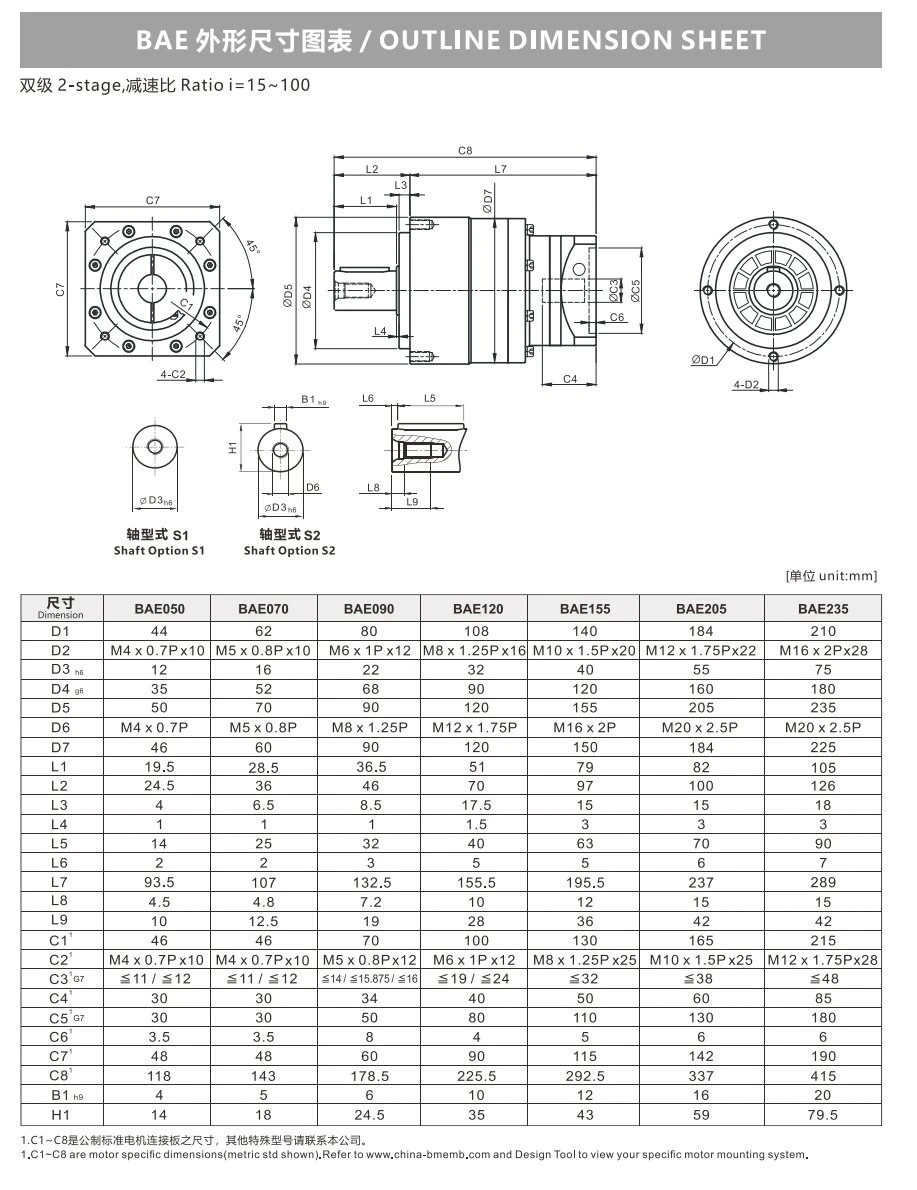
EP-BAE050 to EP-BAE235 — Complete Large-Flange Precision Planetary Gearbox Specifications
| Common Specifications — All EP-BAE Frames | |
|---|---|
| Backlash P1 (Precision Grade) | Single-stage ≤3 arcmin · Two-stage ≤5 arcmin |
| Backlash P2 (Standard Grade) | Single-stage ≤8 arcmin · Two-stage ≤12 arcmin |
| Single-Stage Ratios | 3, 4, 5, 6, 7, 8, 9, 10 |
| Two-Stage Ratios | 15, 20, 25, 30, 35, 40, 45, 50, 60, 70, 80, 90, 100 |
| Efficiency | Single-stage ≥95% · Two-stage ≥92% |
| Noise (3,000 rpm, no-load, 1 m) | <65 dB(A) |
| Peak Torque (Emergency Stop) | 3× Rated Output Torque (instantaneous) |
| Max Acceleration Torque | 60% of Rated Torque (T₂s = 0.6 × T₂Nor) |
| Operating Temperature | 0 °C to +40 °C |
| Output Shaft | S1: Smooth · S2: With keyway |
| Backlash Measurement Condition | Output 100 RPM, force applied at output shaft centre |
Rated Output Torque (N·m) — Single-Stage (i = 4 to 10, key ratios)
| Ratio | EP-BAE050 | EP-BAE070 | EP-BAE090 | EP-BAE120 | EP-BAE155 | EP-BAE205 | EP-BAE235 |
|---|---|---|---|---|---|---|---|
| i=4 | 19 | 50 | 140 | 290 | 542 | 1,050 | 1,700 |
| i=6 | — | — | — | — | — | — | 2,000 |
| i=7 | 19 | 50 | 140 | 300 | 550 | 1,100 | 1,800 |
| i=8 | 17 | 45 | 120 | 260 | 500 | 1,000 | 1,600 |
| i=9 | 14 | 40 | 100 | 230 | 450 | 900 | 1,500 |
| i=10 | 14 | 40 | 100 | 230 | 450 | 900 | 1,500 |
Rated Output Torque (N·m) — Two-Stage (key ratios)
| Ratio | EP-BAE050 | EP-BAE070 | EP-BAE090 | EP-BAE120 | EP-BAE155 | EP-BAE205 | EP-BAE235 |
|---|---|---|---|---|---|---|---|
| i=25 | 22 | 60 | 160 | 330 | 650 | 1,200 | 2,000 |
| i=30 | 20 | 55 | 150 | 310 | 600 | 1,100 | 1,900 |
| i=45 | 14 | 40 | 100 | 230 | 450 | 900 | 1,500 |
| i=100 | 14 | 40 | 100 | 230 | 450 | 900 | 1,500 |
★ Published Moment of Inertia — Single-Stage (kg·cm²)
| Frame | EP-BAE050 | EP-BAE070 | EP-BAE090 | EP-BAE120 | EP-BAE155 | EP-BAE205 | EP-BAE235 |
|---|---|---|---|---|---|---|---|
| J (kg·cm²) i=3~10 |
0.03 | 0.13 | 0.44–0.45 | 2.57–2.62 | 7.03–7.14 | 22.48–22.51 | 50.56–50.97 |
Add J_gearbox to J_load (reflected to output shaft) to calculate total reflected inertia at the motor. Divide by motor rotor inertia to verify servo inertia ratio. Industry guideline: ratio ≤5:1 for standard servo; ≤10:1 for position-controlled servo with inertia compensation enabled. Use this published J data early in the design phase — before hardware is ordered — to confirm motor size and drive tuning requirements.
Maximum Rated Input Speed (RPM) by Frame
| Frame | 050 | 070 | 090 | 120 | 155 | 205 | 235 |
|---|---|---|---|---|---|---|---|
| Max RPM | 5,000 | 5,000 | 5,000 | 4,000 | 4,000 | 3,000 | 2,000 |
Model Designation Guide — EP-BAE Part Number
Large Flange Series
90 mm
i = 25:1
with keyway
≤3 arcmin
(motor-matched)
| Position | Code | Meaning |
|---|---|---|
| Series | EP-BAE | Korea Ever-Power, large oversized output flange series |
| Frame Size | 050/070/090/120/155/205/235 | Body diameter in mm (note: BAE uses 050–235, not the BAB 042–220 scale) |
| Gear Ratio | 3–10 / 15–100 | Single-stage: 3,4,5,6,7,8,9,10 · Two-stage: 15, 20, 25…100 |
| Output Shaft | S1 / S2 | S1: Smooth · S2: With keyway |
| Backlash Grade | P1 / P2 | P1: ≤3'/≤5' (single/two-stage) · P2: ≤8'/≤12' |
| Input Flange | T1 / T2 | Specify servo motor model for correct input adapter plate |
Applications — Where Large-Flange Planetary Gearbox Performance is Required
Heavy CNC Rotary Table A-Axis Drives
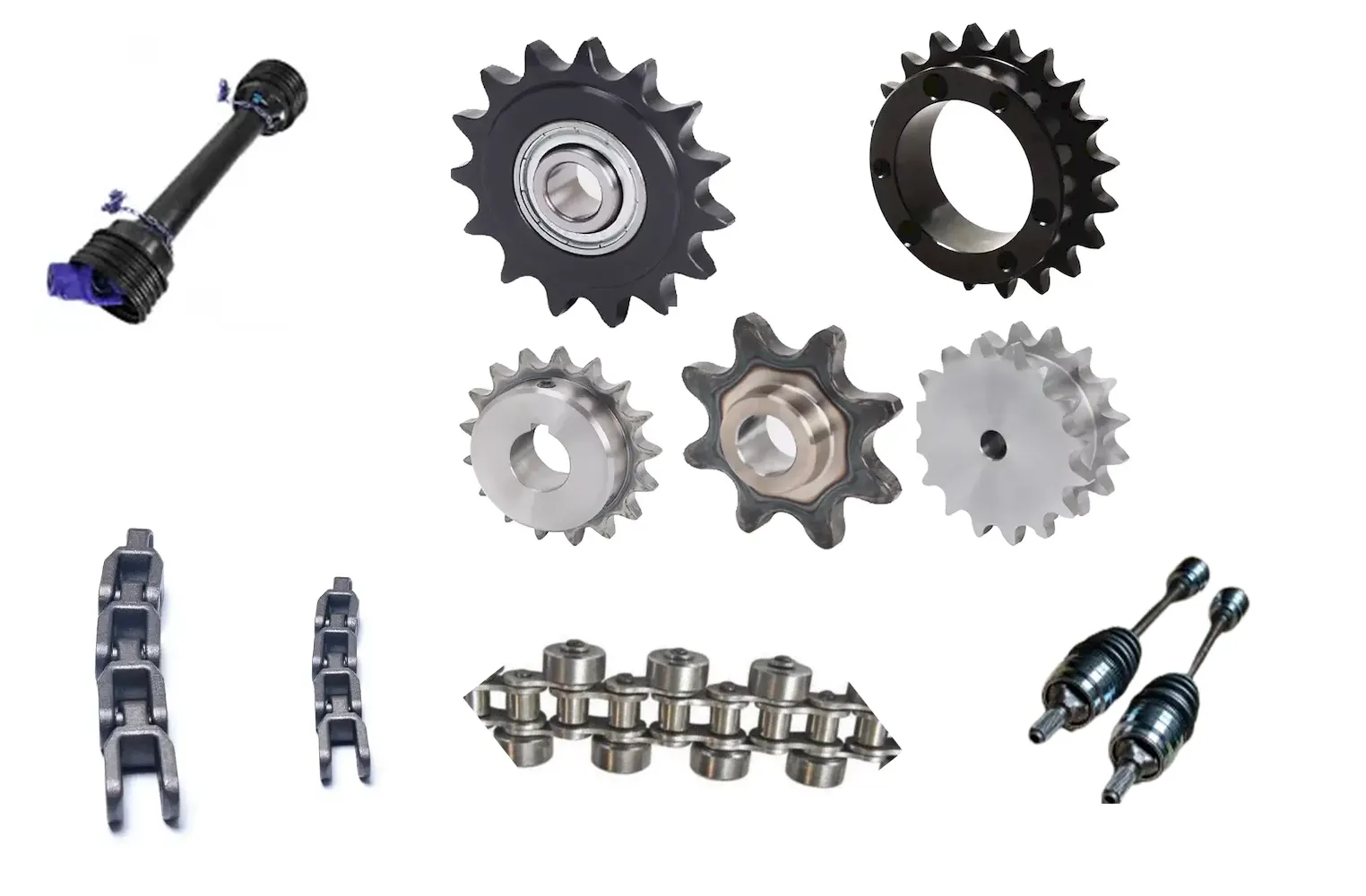
Large CNC rotary tables for heavy steel and mould machining — carrying workpieces of 500 kg to 3,000 kg — apply overturning moments at the table drive that exceed what standard-flange precision gear reducers are rated for. This large-flange planetary gearbox — EP-BAE155 and EP-BAE205 — is specified for these applications, where the large flange bolt-circle distributes the mounting load to resist the bending moment from an offset heavy workpiece under cutting forces. At ratios 25:1–50:1, these frames deliver 650–1,200 N·m rated torque while the oversized flange carries the structural load that the gear train alone cannot resist. Pairs with precision CV drive shafts for dual-drive large rotary table configurations.
Semiconductor Wafer Handler — Large Flange Theta Axis
200 mm and 300 mm wafer handlers use a theta-axis planetary gearbox to rotate the end-effector arm over a full 360° at high speed with sub-arcminute positional repeatability. The EP-BAE's large flange provides more bolt attachment points to the vacuum-compatible handler frame — critical in cleanroom equipment where micro-vibration from interface compliance degrades wafer placement accuracy. EP-BAE070 and EP-BAE090 at 25:1–50:1 cover the torque and speed range of 300 mm class handler theta drives. The published inertia data allows drive engineers to verify inertia ratio compliance with the semiconductor equipment manufacturer's servo specification before build.
5-Axis CNC Spindle Tilting Head (B-Axis)
5-axis machining centre spindle tilting heads carry the spindle motor, spindle, and tool mass cantilevered from the B-axis pivot drive — a significant overturning load at the gear reducer output flange. The EP-BAE large flange at the B-axis pivot resists this moment over a larger bolt-circle radius than a standard-flange precision planetary gearbox, preventing the micro-rocking at the flange interface that would otherwise appear as angular positioning error at the tool tip. EP-BAE090 and EP-BAE120 at 10:1–25:1 serve spindle tilt ranges up to ±90° with P1 ≤3 arcmin backlash across the entire tilt range.
Application Reference
- ✦Heavy CNC Rotary Tables (A-axis)
- ✦5-Axis Spindle Tilting Heads (B-axis)
- ✦Semiconductor Wafer Handler Theta
- ✦Heavy Precision Indexing Tables
- ✦Large Robot Shoulder / Base Axes
- ✦Laser Cutting Rotary Chuck Drives
- ✦EV Battery Module Assembly
- ✦CMM Rotary Table Drives
- ✦Wind Turbine Pitch (Auxiliary)
Laser Cutting Rotary Chuck Drive
Rotary chuck drives for tube and profile laser cutting machines carry the workpiece chuck (mass 5–30 kg) cantilevered at the output shaft end. The EP-BAE large flange resists the overturning moment from this cantilevered mass under high-speed rotation without allowing the flange interface micro-rocking that would introduce radial runout at the chuck — directly affecting cut quality on round tube profiles.
CMM Rotary Table Integration
Coordinate measuring machine (CMM) rotary tables demand extremely low angular positioning uncertainty — any flange interface compliance appears as a measurement error at the workpiece surface. EP-BAE050 and EP-BAE070 at 25:1–50:1 provide the P1 ≤3 arcmin gear precision combined with the large-flange interface stiffness that CMM table applications require. The published inertia data allows CMM drive system engineers to verify servo tuning stability before system integration.
EV Battery Module Assembly
Heavy EV battery module assembly jigs — carrying module fixtures of 20–80 kg through multi-axis positioning — require servo drives that maintain dimensional accuracy under the overturning moments of asymmetric module weight distribution. EP-BAE120 and EP-BAE155 at 25:1–50:1 provide the combination of large-flange structural resistance and P1 precision that keeps module cell-to-cell alignment within tolerance across full assembly stroke.
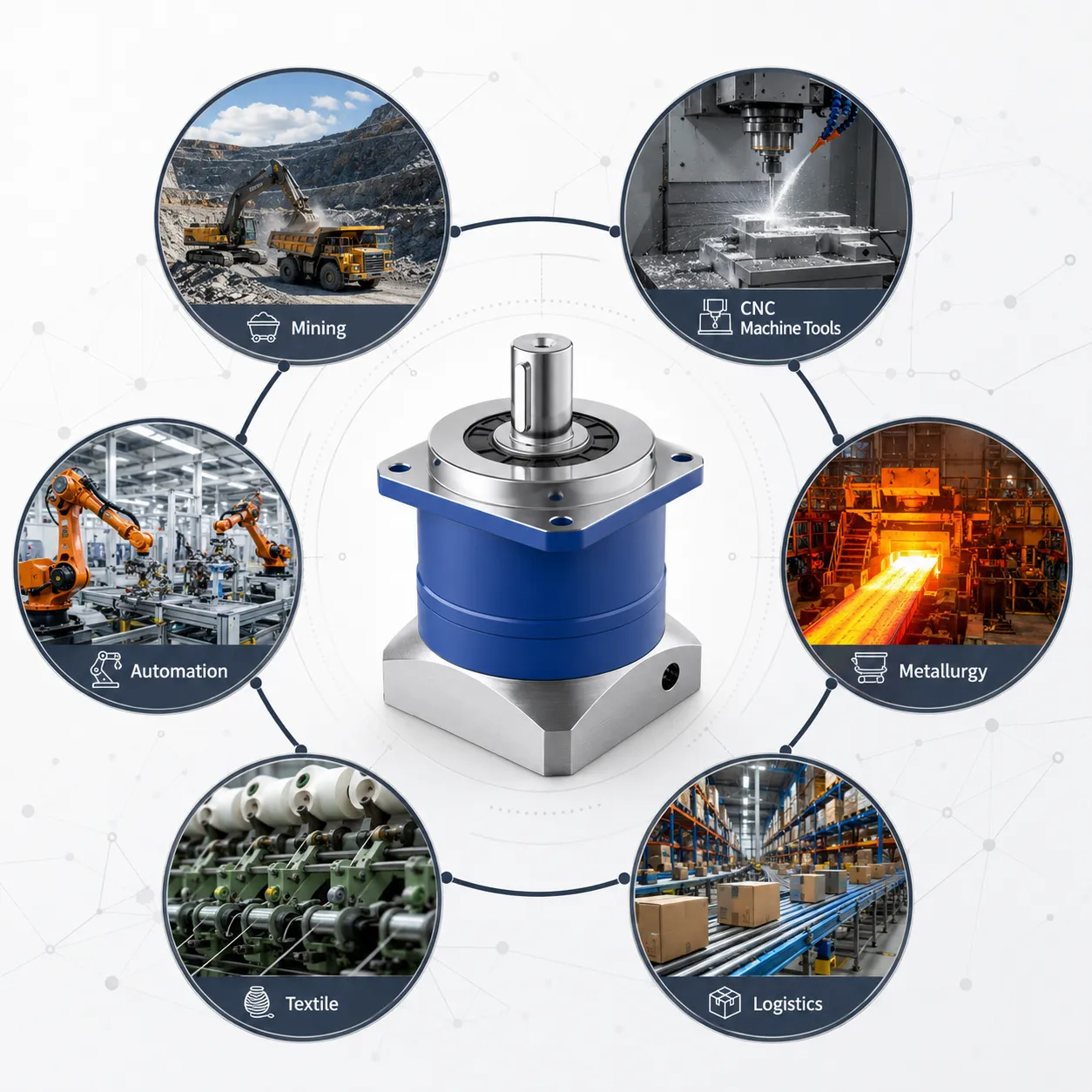
Frame Size Selection — EP-BAE050 Through EP-BAE235
Note: EP-BAE frame size numbers (050, 070, 090…) indicate body diameter in mm and do not correspond directly to the BAB/BAF series numbers (042, 060, 090…) — the flange of each BAE frame is larger than the equivalent standard-flange gear reducer body frame, so the bolt-circle accommodates a larger mounting surface.
050
EP-BAE050 — Miniature Large-Flange (up to 22 N·m · 5,000 rpm)
50 mm body, up to 22 N·m (i=25 two-stage). For instruments, CMM rotary tables, and compact semiconductor positioning drives where the overturning moment at a small output flange exceeds the standard-flange product's interface load rating. J = 0.03 kg·cm² (i=3~10). Compatible with 50–200 W servo motors.
070
EP-BAE070 — Light Large-Flange (up to 60 N·m · 5,000 rpm)
70 mm body, up to 60 N·m (i=25 two-stage). Semiconductor wafer handler theta axis, CMM rotary drives, small laser rotary chuck drives. J = 0.13 kg·cm². Compatible with 100–750 W servo motors.
090
EP-BAE090 — General Large-Flange ★ Most Specified (up to 160 N·m)
90 mm body, up to 160 N·m (i=25 two-stage). Most commonly ordered EP-BAE frame — 5-axis spindle tilt B-axis, medium rotary tables, 300 mm wafer handler theta axis, laser tube chuck. J = 0.44–0.45 kg·cm². Compatible with 200–1,500 W servo motors.
120
EP-BAE120 — Medium Large-Flange (up to 330 N·m · 4,000 rpm)
120 mm body, up to 330 N·m. Max input 4,000 rpm. Heavy 5-axis spindle B-axis, medium CNC rotary tables for steel machining. J = 2.57–2.62 kg·cm². Compatible with 750–2,200 W servo motors.
155
EP-BAE155 — Heavy Large-Flange (up to 650 N·m · 4,000 rpm)
155 mm body, up to 650 N·m. Large CNC rotary tables for mould and die machining, heavy robot base/shoulder axes. J = 7.03–7.14 kg·cm². Compatible with 1,500–3,500 W servo motors.
205
EP-BAE205 — High-Torque Large-Flange (up to 1,200 N·m · 3,000 rpm)
205 mm body, up to 1,200 N·m. Max input 3,000 rpm. Heavy rotary tables for aerospace structural part machining, large precision indexing equipment. J = 22.48–22.51 kg·cm². Downstream worm integration with self-locking worm stages for vertical heavy table positioning. Compatible with 2,200–5,500 W servo motors.
235
EP-BAE235 — Maximum Large-Flange Frame (up to 2,000 N·m · 2,000 rpm)
235 mm body, up to 2,000 N·m — maximum in the EP-BAE series. Max input 2,000 rpm. Largest CNC rotary tables for heavy industry, precision wind turbine pitch auxiliary drives — the maximum large-flange precision gear reducer frame in the EP series. J = 50.56–50.97 kg·cm². Bevel power split via agricultural bevel stages for multi-axis heavy drives. Compatible with 3,500–7,500 W servo motors.
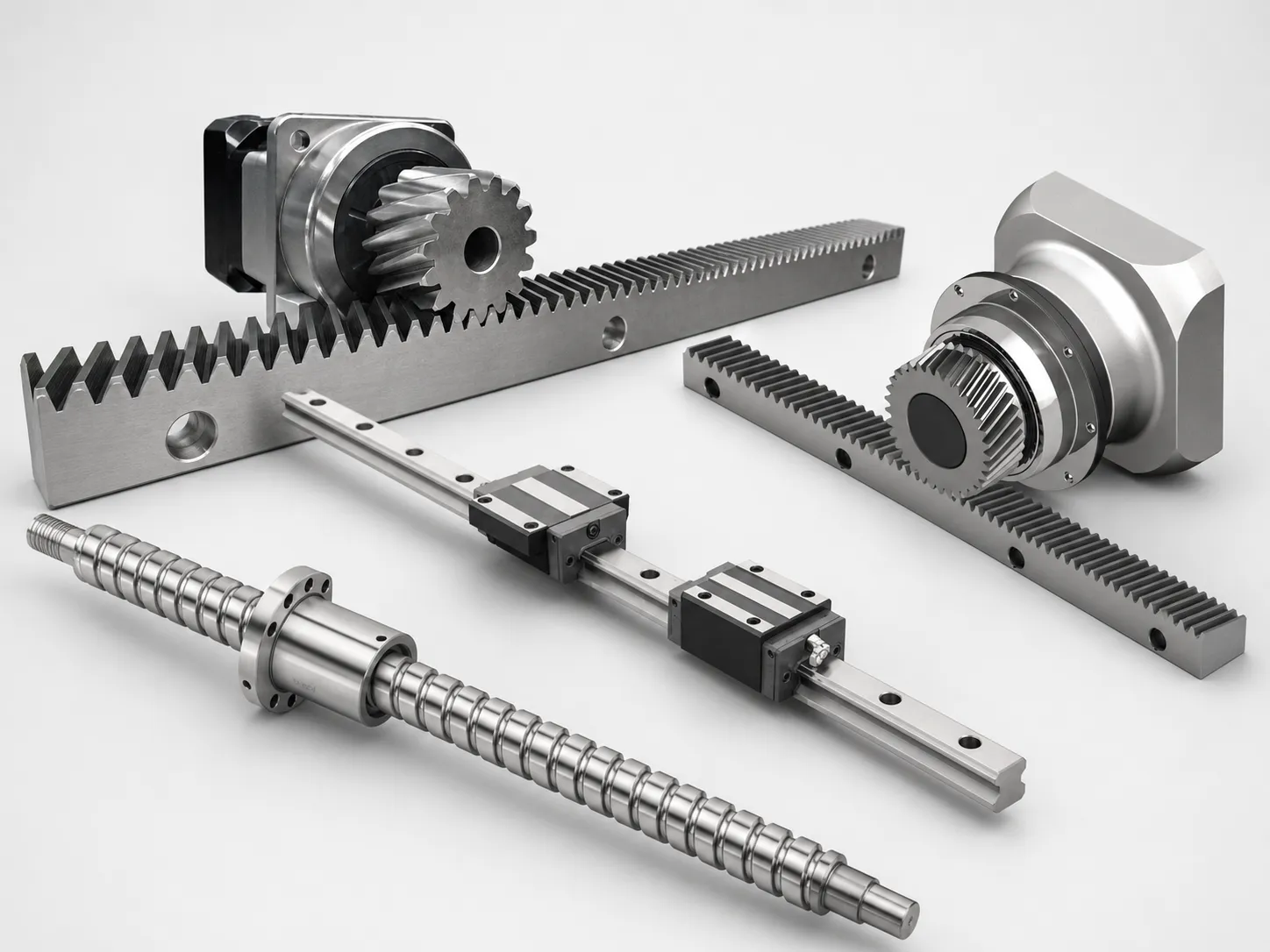
Quality Certifications, Factory & Testing Standards
- ✔Backlash measured per unit — P1/P2 grade certified
- ✔Flange face runout measured — concentricity to output shaft verified
- ✔Full-load torque test at 110% rated output torque
- ✔Noise check at 3,000 rpm — <65 dB(A) confirmed
- ✔Material cert, inertia value, and dimensional report shipped with unit
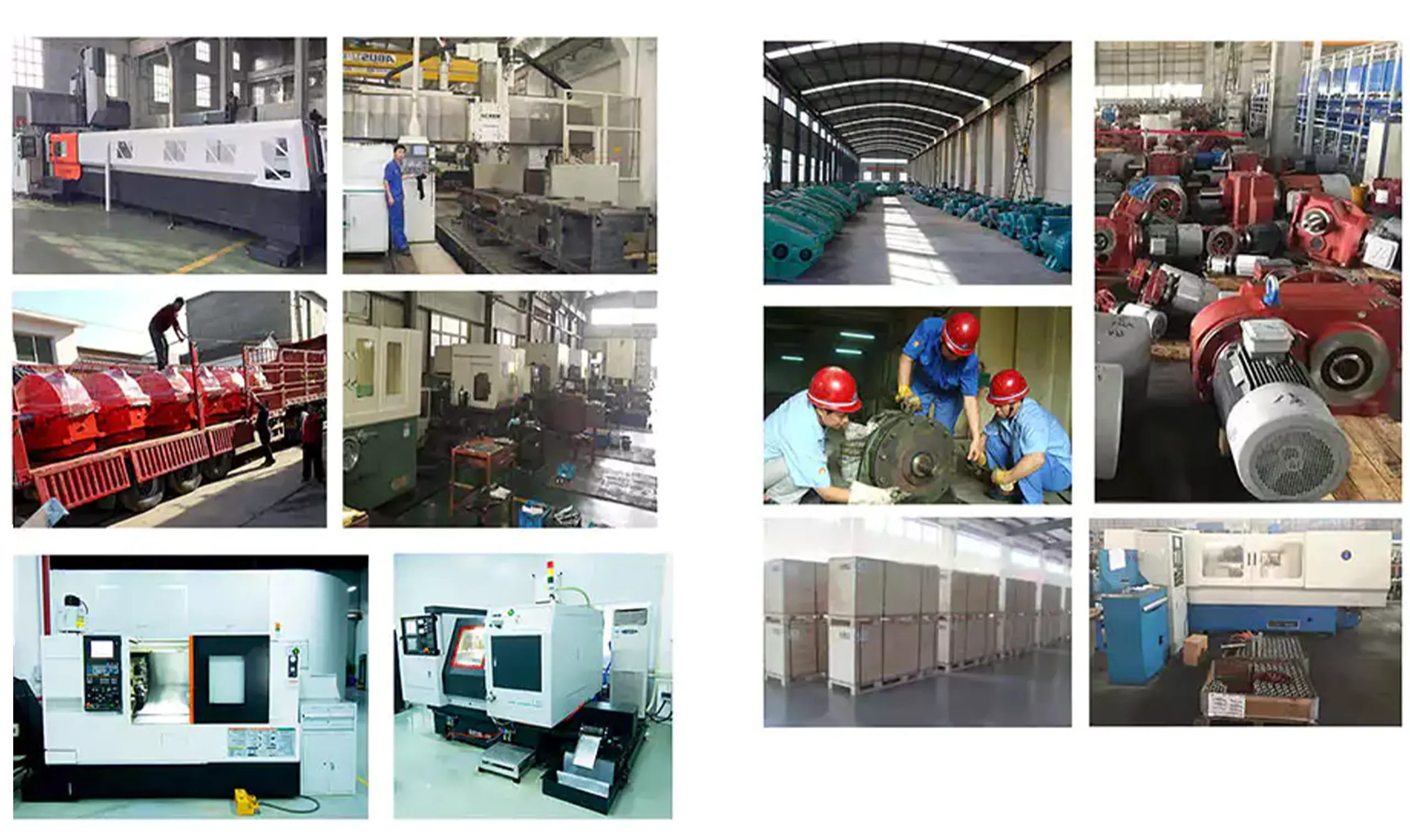
Large flange face runout and output shaft concentricity — CMM verified per EP-BAE unit
Why Korean Engineers Specify Korea Ever-Power EP-BAE Series
📐
Published Inertia Data — Design Before Hardware
Moment of inertia J values for all seven EP-BAE frames are published and available for download. Korean servo drive engineers can complete inertia-ratio calculations and confirm motor/drive compliance months before physical hardware is ordered — eliminating late-stage motor resizing that delays machine build timelines.
🔲
CMM Flange Runout — Every Unit Certified
The oversized output flange face runout is CMM-measured and reported on the shipping certificate. For heavy rotary tables and spindle heads where flange flatness directly affects workpiece squareness, this individual-unit measurement certificate is part of the machine tool acceptance documentation.
🎯
P1 ≤3 Arcmin Including Flange Interface Load
EP-BAE's P1 ≤3 arcmin backlash specification is maintained under the combined output torque and overturning moment design load. Many standard-flange high-precision planetary gearboxes maintain backlash under torque only — the EP-BAE large flange is specifically designed to maintain precision under the combined structural loads typical of heavy rotary table applications.
🇰🇷
Korean Machine Tool Industry Knowledge
Korea's precision machine tool sector — Doosan, Hyundai WIA, DN Solutions, and independent machine builders — has specific heavy rotary table design conventions and spindle head integration standards. Korea Ever-Power's application team provides Korean-language support matching these conventions without requiring engineers to adapt to overseas supplier documentation formats.
📦
Korean Stock — EP-BAE090 Key Ratios
EP-BAE090 in ratios 10:1, 25:1, and 50:1 held in Korean warehouse stock for same-week dispatch — protecting CNC machine build schedules from international supply chain delays on the most common large-flange precision gear reducer frame in the EP series.
🛡️
2-Year Warranty — Local Korean Service
24-month warranty covering backlash specification, bearing integrity, and flange runout. All warranty claims handled in Korea by our local team — critical for machine tool builders on tight after-delivery service commitments to their end customers.
Customer Reviews & Application Feedback
5 ★
85%
4 ★
13%
≤3 ★
2%
EP-BAE155 at 25:1 for a 4th axis heavy rotary table carrying 800 kg workpieces. We had tried EP-BAB142 first — the standard flange developed micro-fretting at the mounting face under the bending moment from the workpiece overhang after 3 months. Switched to EP-BAE155 with the large flange: the fretting stopped immediately and 22 months later the flange face is still within flatness spec at inspection. The inertia data let us confirm our 3.7 kW servo was adequate without a physical test — saved us 6 weeks on the development timeline.
EP-BAE090 at 50:1 for a 300 mm wafer handler theta axis. The large flange provided 8 more bolt positions compared to the standard-flange equivalent — critical for the handler's IPC-validated vibration specification in our fab's sub-10 nm process line. Published J data confirmed our servo inertia ratio at 4.2:1 — within our 5:1 spec limit — without needing a physical prototype. Wafer placement accuracy improved from ±0.08 mm to ±0.03 mm versus the previous standard-flange unit. 20 months operation, zero accuracy drift.
EP-BAE120 for the B-axis tilting head on a 5-axis machining centre used for aerospace aluminium parts. The spindle motor plus spindle assembly weighs 45 kg — the overturning moment at full ±90° tilt creates a significant bending load at the gearbox flange. Two competitors' standard-flange high-precision planetary gearboxes had shown angular positioning drift after 6 months at full tilt with cutting forces. EP-BAE120 with the large flange has now run 18 months at the same conditions with no measurable angular drift at the B-axis encoder. The flange runout certificate was part of our customer's acceptance documentation.
EP-BAE090 at 10:1 for a laser tube cutting rotary chuck drive — chuck plus chuck mechanism weighs 18 kg, cantilevered from the output shaft. At 3,000 rpm the overturning moment from the cantilevered chuck mass exceeded what our previous standard-flange precision gearbox could handle — we were seeing 0.12° radial runout at the chuck. EP-BAE090 large flange: runout dropped to 0.02°, cut-edge quality on 50 mm diameter stainless steel tube improved dramatically. 14 months, continuous 3-shift production, no maintenance intervention.
Frequently Asked Questions
Additional information
| Editor | Cxm |
|---|
Related products
-
EP-AER Series Right-Angle Large Flange Planetary Gearbox
-
EP-ADR Series Right-Angle Round Flange Precision Planetary Gearbox (EP-ADR047 to EP-ADR255)
-
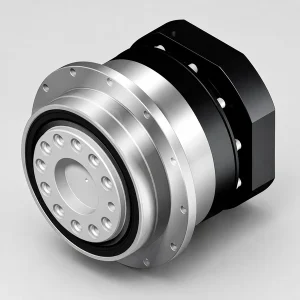
EP-AD Series Round Circular Flange High-Precision Inline Planetary Gearbox (EP-AD047 to EP-AD255)
-
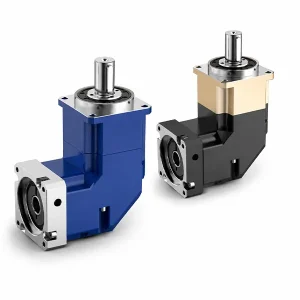
BABR Series High-Precision Planetary Gearbox — Round Flange Type (EP-BABR042 to EP-BABR220)
-
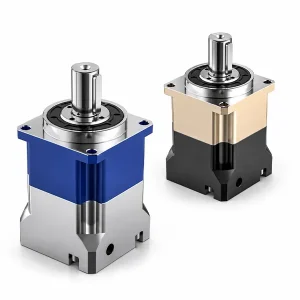
BAB Series High-Precision Planetary Gearbox — Standard Flange (EP-BAB042 to EP-BAB220)
-
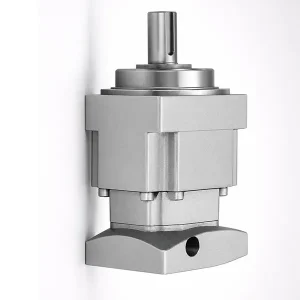
Concentric Precision Planetary Gearbox for High-Speed Servo — VR Series
-
High-Precision Compact Planetary Gearbox for Servo Integration — PLS Series (PLS70–PLS190)
-
EPL Double Shaft Planetary Gearbox for Chain Drive Systems