Šta je robot za rušenje - i zašto je njegov pogon na gusjenicama najopterećeniji po kilogramu
Robot za rušenje (također poznat kao mašina za rušenje na daljinsko upravljanje) je kompaktna, električno ili hidraulički pogonjena gusjenična mašina dizajnirana za rad tamo gdje ljudi i bageri pune veličine ne mogu: unutar zgrada koje se ruše, u tunelima, u zonama za dekomisiju nuklearnih postrojenja, na povišenim podovima s ograničenjima težine i u skučenim industrijskim prostorima. Mašine se kreću od 1 do 12 tona - pri čemu je klasa od 3 do 6 tona najčešća.
The planetarni mjenjač pogona na gusjenice Robotu za rušenje moraju se isporučiti iste karakteristike performansi kao i pogon gusjenica bagera od 15 do 25 tona - upravljanje suprotnom rotacijom, sposobnost savladavanja nagiba, otpornost na vibracije - ali u paketu koji teži 30 do 50% manje i zauzima 40 do 60% manje zapremine. Ovo je definicija gustoće snage: više njutn-metara po kilogramu i kubnom centimetru od bilo koje druge primjene pogona gusjenica u industriji opreme.

Kompaktni sklop pogona na gusjenice: isti princip planetarnog prijenosnika kao kod bagera od 30 tona - ali konstruiran da stane unutar podvozja robota za rušenje od 3 tone.
Gustoća snage — Zašto je robotu od 6 tona potreban obrtni moment pogona gusjenica kao kod bagera od 20 tona
Robot za rušenje od 6 tona nosi hidraulični čekić snage od 1.500 do 2.500 džula - ista klasa čekićeva koja se ugrađuje u bagere od 18 do 25 tona. Robot postiže ovu neusklađenost većim odnosom snage i težine: 30 do 50 kW po toni u odnosu na 8 do 12 kW po toni kod standardnog bagera. Posljedice za pogon gusjenica su ozbiljne: mašina generiše sile nesrazmjerne svojoj težini, a pogon gusjenica mora da se nosi sa tim silama u kućištu i reduktoru koji je dimenzioniran za manji otisak mašine.
| Parametar | Robot za rušenje od 6 tona | Bager od 20 tona |
|---|---|---|
| Snaga motora/motora | 120 – 160 kW | 110 – 130 kW |
| Odnos snage i težine | 20 – 27 kW/t | 5,5 – 6,5 kW/t |
| Klasa prekidača | 1.500 – 2.500 J | 1.200 – 2.000 J |
| Obrtni moment pogona gusjenice | 8.000 – 18.000 Nm | 28.000 – 50.000 Nm |
| Težina pogona gusjenica | 25 – 55 kg | 120 – 200 kg |
| Obrtni moment po kg pogona | 320 – 330 Nm/kg | 230 – 250 Nm/kg |
Pogon gusjenica robota za rušenje postiže 30 do 40% veći obrtni moment po kilogramu od standardnog pogona gusjenica bagera - cijena uklapanja performansi klase bagera u okvir robotske klase.
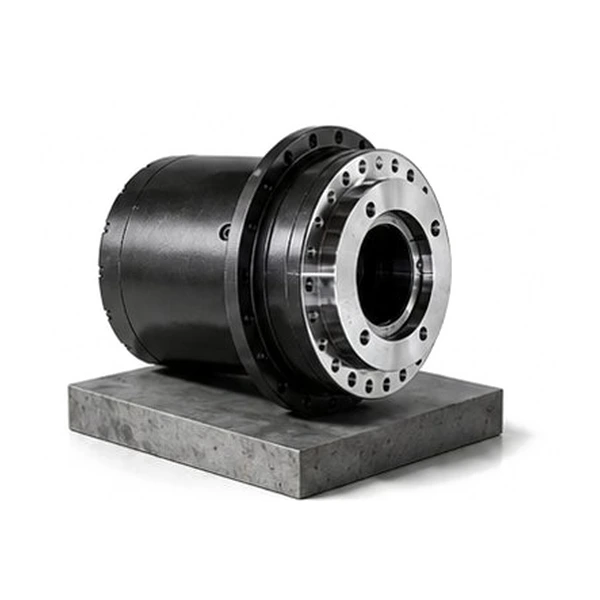
Kompaktni planetarni reduktor. Pogoni gusjenica za rušenje robota koriste slične planetarne arhitekture sa 2 do 3 stepena komprimovane u kućišta 40 do 60% manja po zapremini od ekvivalenata bagera.
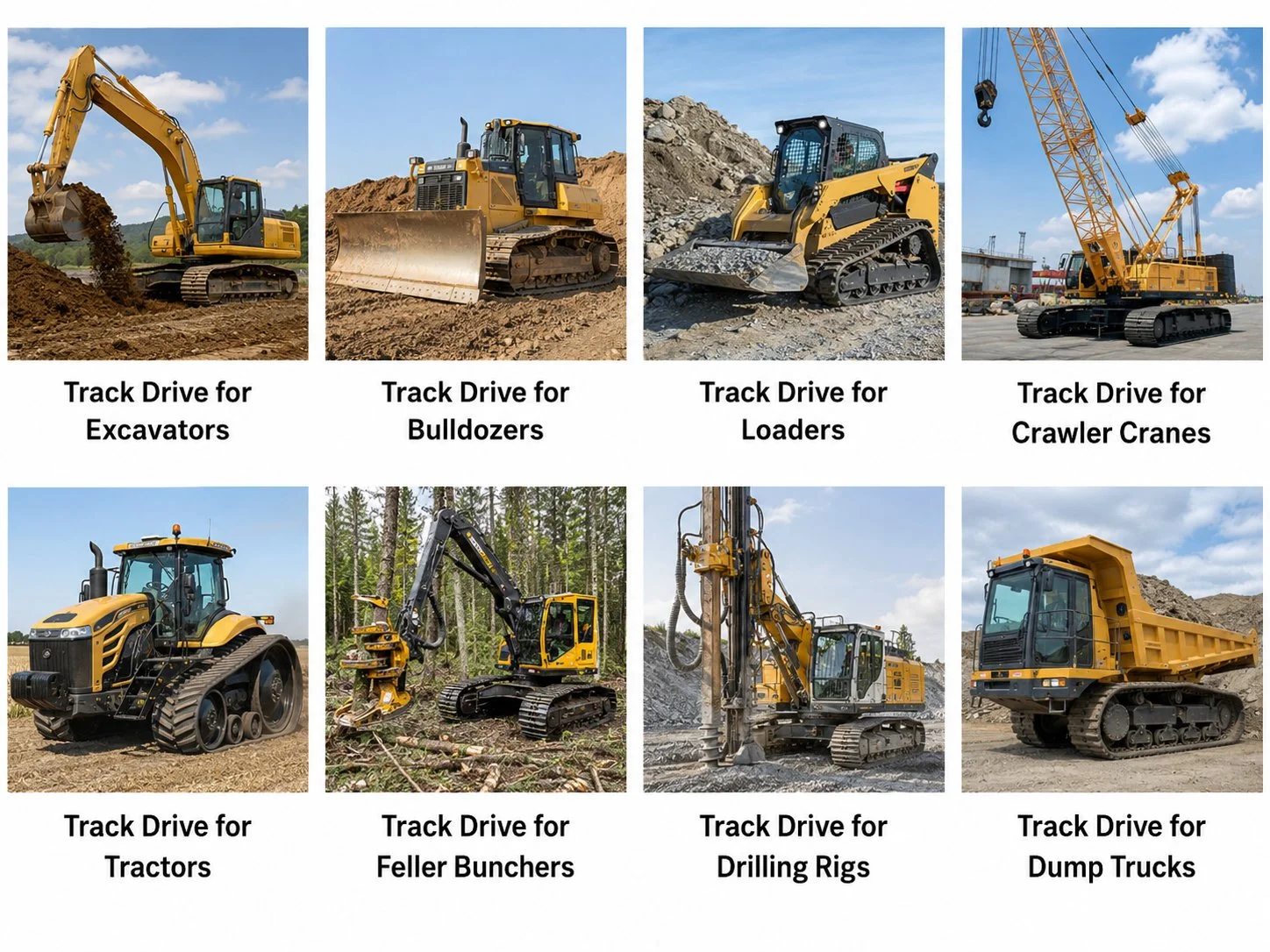
Vibracije prekidača - Kontinuirani udar koji se prenosi kroz šasiju do pogona gusjenica
Hidraulični čekić udara 600 do 1.200 puta u minuti brzinom od 1.500 do 2.500 džula po udaru. Svaki udar generira vibracijski impuls koji se širi kroz strelu, kupolu, šasiju i u pogone gusjenica. Kod bagera od 20 tona, velika masa šasije smanjuje ove vibracije prije nego što dođu do pogona gusjenica - odnos mase mašine i energije udara je visok. Kod robota za rušenje od 6 tona, odnos je 3 puta niži - vibracije dođu do pogona gusjenica s 3 puta većom amplitudom po jedinici mase mašine.
Visokofrekventne vibracije uzrokuju mikrooscilacije ležajeva planetarnih klinova - valjci se njišu naprijed-nazad bez da završe puni krug. Ovo "istrošavanje" uklanja uljni film s uskog pojasa staze ležaja, stvarajući uzorak habanja (lažno brineliranje) jedinstven za ležajeve opterećene vibracijama. Tokom 2.000 do 4.000 sati, tragovi istrošivanja se produbljuju u udubljenja koja se šire u ljuštenje.
Kontinuirane vibracije na 10 do 20 Hz (frekvencija prekidača) zamaraju vijke za montažu pogona gusjenica kroz opuštanje prednapona i ciklično naprezanje na radijusu glave vijka - isti mehanizam koji otpušta vijke rovokopača, ali na višoj frekvenciji i bliže izvoru vibracija. Bez sredstva za osiguranje navoja, vijci za montažu mogu se otpustiti u roku od 200 do 500 sati.
Izolacija vibracija nije moguća: Za razliku od motora (koji je gumeno montiran radi izolacije vibracija), pogon gusjenica je čvrsto pričvršćen vijcima za okvir gusjenica - to mora biti slučaj, jer bi svako popuštanje u nosaču omogućilo pomicanje lančanika i iskliznuće iz tračnica. Pogon gusjenica mora biti dizajniran da izdrži prenesene vibracije prekidača kao kontinuirani radni uvjet, a ne kao povremeni događaj.
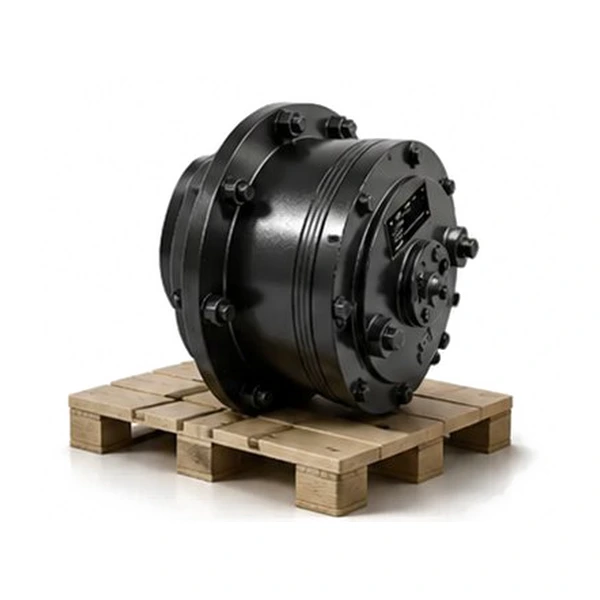
Robusna konstrukcija ležaja i kućišta. Pogoni robotskih gusjenica koriste igličaste ležajeve s punim komplementom (bez kaveza) za maksimalni radijalni kapacitet unutar kompaktnog okvira.
Rad u ograničenom prostoru — Pet okruženja u koja mogu ući samo roboti za rušenje
Unutar zgrada s ograničenjima opterećenja poda od 500 do 2.000 kg/m2 - prenisko za bilo koji bager, ali unutar raspona pritiska na tlo robota od 3 do 6 tona na širokim gusjenicama. Pogon gusjenica mora se kretati preko betonskih podova, preko armature i kroz hrpe ruševina u prostorima uskim i do 800 mm.
Presjeci tunela, rudnički iskopavanja i podzemne komore gdje visina stropa ograničava stroj na manje od 2 metra. Pogonski lanac mora podnijeti nagibe od 10 do 25% na mokrim, neravnim podovima tunela. Prodor vode i visoka vlažnost ubrzavaju koroziju zaptivki i kućišta u podzemnim okruženjima.
Zone kontaminirane zračenjem gdje je ljudski pristup zabranjen. Robot se kontrolira daljinski, a pogon gusjenica mora raditi cijelu smjenu bez ručne intervencije. Svaki kvar pogona gusjenica zahtijeva operaciju oporavka kontroliranu kontaminacijom koja može koštati 10 do 50 puta više od vrijednosti samog mjenjača.
Uklanjanje troske, rušenje obloge peći i čišćenje lonaca unutar čeličana i ljevaonica. Temperature okoline od 40 do 60 stepeni Celzijusa na nivou mašine, sa zračenjem toplote iz rastopljenog metala koje dostiže preko 80 stepeni Celzijusa na kućištu pogona gusjenica. Termalno okruženje se približava uslovima asfaltnog finišera - ali uz dodatni izazov metalne prašine i čestica troske.
Čišćenje cementne peći, rušenje posuda hemijskih reaktora i radovi na remontu rafinerijskih jedinica. Pogon gusjenica mora se kretati kroz hemijske ostatke, cementni klinker i procesnu prašinu - korozivna i abrazivna okruženja koja kombiniraju najgore karakteristike Korejski planetarni mjenjač Ever-Power primjene u više industrija.
Tri načina kvara specifična za pogone gusjenica robota za rušenje
Visokofrekventne mikrooscilacije iz prekidača (10 do 20 Hz, 600 do 1.200 udara u minuti) uzrokuju da se valjci ležaja planetarnih klinova ljuljaju bez rotacije. To uklanja uljni film iz uske kontaktne trake i stvara uzorak habanja identičan statičkom udubljenju. Nakon 2.000 do 4.000 sati, lažni tragovi brineliranja postaju dovoljno duboki da generiraju vibracije i buku - a zatim se brzo šire do potpunog ljuštenja.
Kompaktno kućište ima tanje zidove od pogona gusjenica bagera iste klase obrtnog momenta - ograničenje volumena to zahtijeva. Tanji zidovi imaju manju marginu zamora. Vibracije čekića dodaju kontinuiranu cikličnu komponentu napona pored statičkog opterećenja obrtnog momenta. Na mjestima koncentracije napona (rupe za vijke, žljebovi zaptivki, unutrašnji uglovi), kombinovani stacionarni + ciklični napon može premašiti granicu izdržljivosti zamora standardnog nodularnog liva u roku od 3.000 do 5.000 sati.
Roboti za rušenje rade okruženi materijalom koji ruše - komadićima betona, fragmentima armature, prašinom od cigle i česticama gipsa. Pogoni gusjenica, u nivou tla, zakopani su u ovaj otpad. Za razliku od gradnje na otvorenom (gdje vjetar i kiša raspršuju otpad), rušenje u zatvorenom prostoru koncentrira otpad oko mašine bez prirodnog prostora. Betonska prašina je abrazivna kao i kamena prašina (Mohs 6 do 7) i kombinira se s vodom iz sistema za suzbijanje prašine kako bi formirala abrazivnu pastu koja ubrzava trošenje zaptivki.

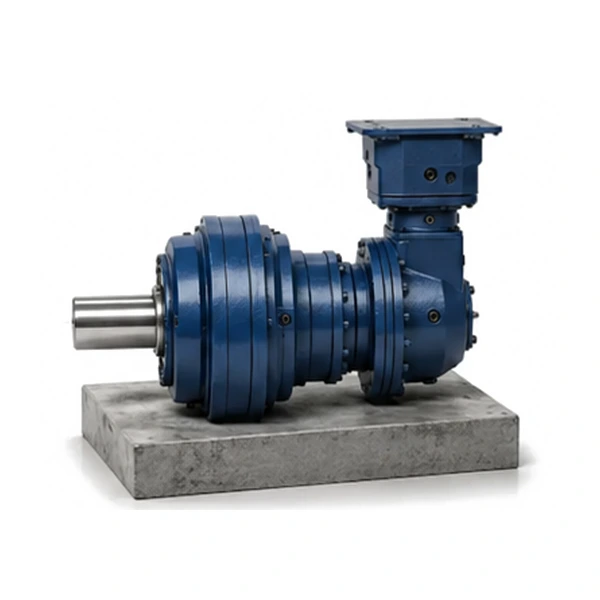
Višestepena planetarna arhitektura. Pogoni robota za rušenje koriste konfiguracije od 2 do 3 stepena kako bi se postigli odnosi od 50:1 do 120:1 unutar kompaktnog kućišta.
Planetarni mjenjač s pogonom na gusjenice za robote za rušenje — Često postavljana pitanja
Korea Ever-Power nudi planetarne mjenjače za robote za rušenje s pogonom na gusjenice od 3.000 do 18.000 Nm - najveći obrtni moment po kilogramu u katalogu pogona na gusjenice. Dostupni su ležajevi otporni na vibracije, kompaktna kućišta QT600-3 i specifikacije za nuklearno/opasno okruženje. Navedite model vašeg robota i klasu prekidača za preporuku specifikacija.
Urednik: Cxm