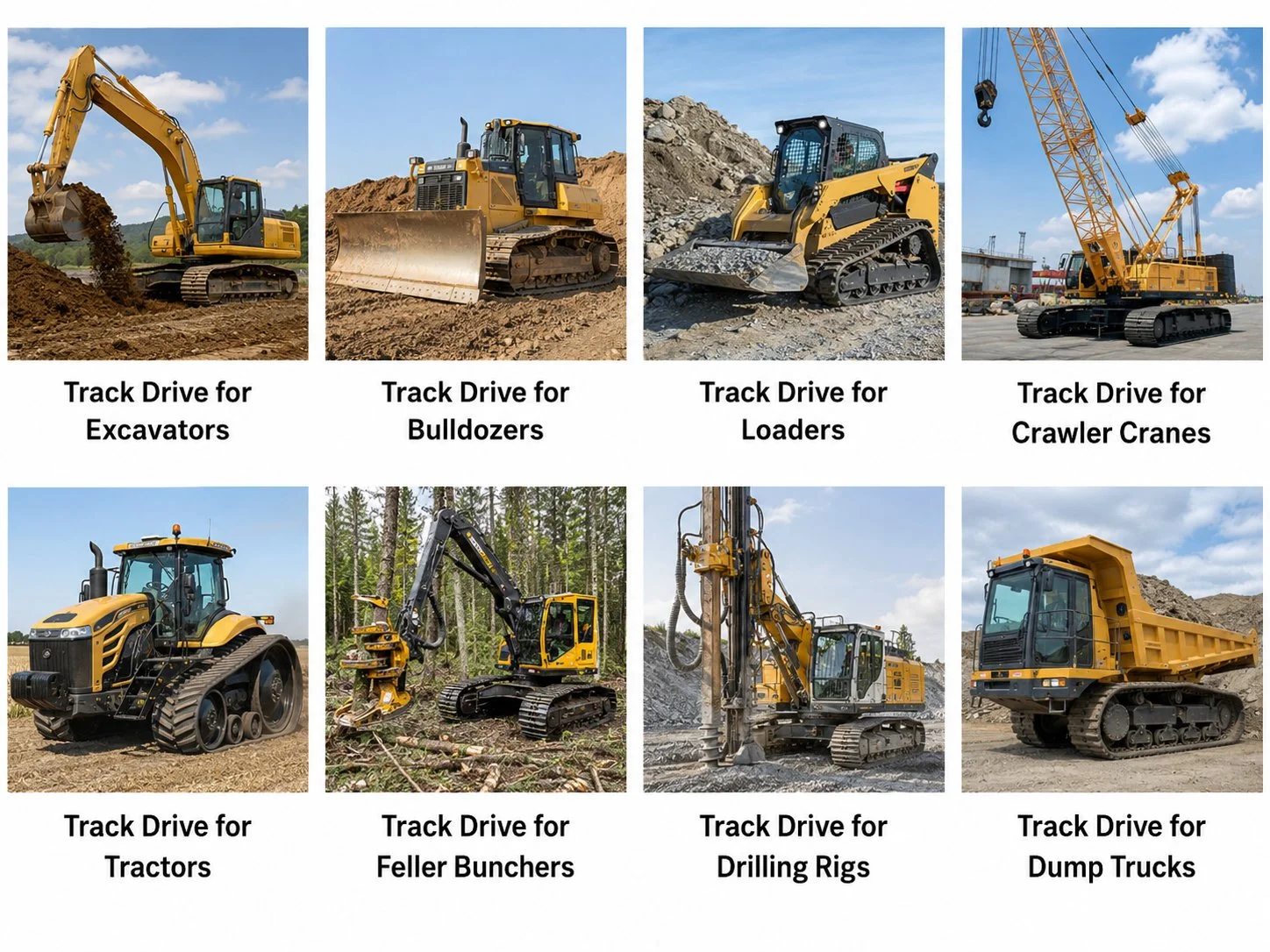
Apa yang Membuat Penggerak Track Penambang Permukaan Unik di Seluruh Industri Peralatan?
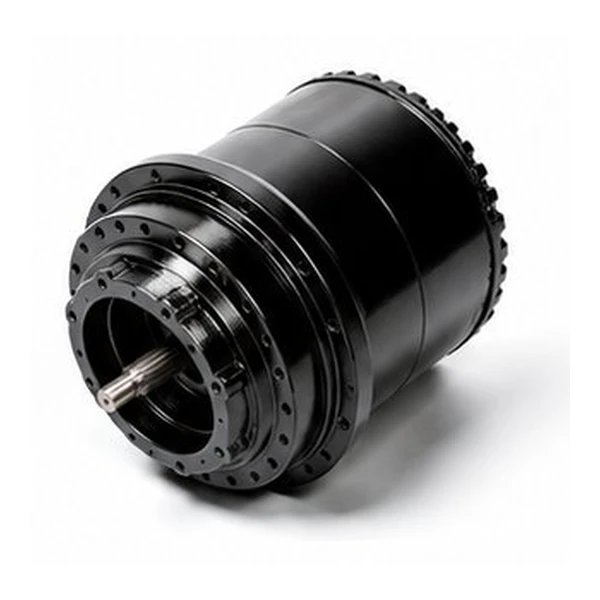
Mesin penambang permukaan (juga disebut penambang permukaan kontinu atau pemotong batuan) adalah mesin beroda rantai yang digerakkan sendiri dengan drum pemotong melintang yang dipasang di bawah badan mesin. Saat mesin bergerak maju, drum berputar dan memotong mineral atau batuan hingga kedalaman 200 hingga 650 mm per lintasan, memuat material yang dipotong ke konveyor yang membuangnya ke samping atau belakang. gearbox planet penggerak trek Mesin yang mendorong kemajuan ini menghadapi kombinasi tuntutan yang tidak dihadapi oleh mesin beroda rantai lainnya:
Mesin penambang permukaan berukuran besar memiliki berat 100 hingga 230 ton — lebih berat daripada kebanyakan derek perayap dan sebanding dengan buldoser pertambangan terbesar. Namun, tidak seperti buldoser (yang mendorong dalam lintasan pendek), mesin penambang permukaan bergerak maju terus menerus sejauh ratusan meter dengan kecepatan pemotongan. Penggerak roda rantai menopang berat ini dengan torsi mendekati maksimum yang berkelanjutan sepanjang panjang pemotongan.
Kecepatan putaran drum pemotong ditentukan oleh RPM mesin. Ukuran fragmen produk ditentukan oleh laju pergerakan maju — seberapa jauh mesin bergerak maju di antara kontak gigi drum yang berurutan. Terlalu cepat: fragmen berukuran besar yang melebihi spesifikasi. Terlalu lambat: debu dan serbuk halus yang berlebihan yang mengurangi hasil produk yang dapat diperoleh. Penggerak trek harus mempertahankan laju umpan dalam ±5% dari target untuk memenuhi rentang ukuran produk.
Mesin penambang permukaan beroperasi hampir sepanjang waktu — hanya berhenti untuk pergantian shift, penggantian gigi, dan pengisian bahan bakar. Penggerak roda rantai berjalan dalam awan debu batuan halus yang terus menerus, yang lebih abrasif daripada tanah alami mana pun. Debu ini menembus setiap segel, setiap ventilasi, dan setiap celah di dalam wadah — menjadikan mesin penambang permukaan sebagai lingkungan penyerapan debu paling agresif untuk penggerak roda rantai mana pun di dunia.
Gaya Reaksi Drum Pemotong — Beban Berkelanjutan yang Jauh Lebih Besar daripada Hambatan Gelinding
Drum pemotong pada mesin penambang permukaan besar digerakkan oleh daya mesin khusus sebesar 500 hingga 1.200 kW. Saat gigi drum mengenai batuan, gaya reaksi horizontal mendorong mesin ke belakang — persis seperti mesin penggali parit, tetapi dengan besaran gaya 3 hingga 10 kali lipat karena drum memotong batuan padat dengan lebar 2,2 hingga 4,2 meter pada kedalaman 200 hingga 650 mm.
| Kelas Mesin | Berat (t) | Daya Drum (kW) | Reaksi Drum (kN) | Laju Umpan | Torsi/Sisi Lintasan |
|---|---|---|---|---|---|
| Sedang (drum 2200 mm) | 100 – 140 | 500 – 700 | 200 – 350 | 5 – 25 m/menit | 60.000 – 110.000 Nm |
| Besar (drum 3800 mm) | 180 – 230 | 800 – 1.200 | 350 – 600 | 3 – 18 m/menit | 120.000 – 200.000 Nm |
Reaksi drum mendominasi dengan selisih yang bahkan lebih besar daripada penggali parit: Pada mesin penambang permukaan 200 ton yang memotong batu kapur pada kedalaman 400 mm, gaya reaksi drum adalah 400 kN (200 kN per trek). Hambatan gelinding pada 4% di atas permukaan yang dipadatkan adalah 200.000 x 9,81 x 0,04 / 2 = 39.240 N per trek. Reaksi drum (200.000 N) adalah 5,1 kali Hambatan gelinding — yang berarti alat pemotong, bukan berat mesin — menentukan 84% dari torsi penggerak trek. Penggerak trek yang ukurannya hanya berdasarkan berat mesin akan terlalu kecil dengan faktor 5.
Laju Umpan dan Kualitas Produk — Kaitan Langsung Antara Presisi Penggerak Track dan Pendapatan
Berbeda dengan aplikasi penggerak trek lainnya—di mana presisi kecepatan hanya memengaruhi kinerja mesin—laju umpan penambang permukaan secara langsung memengaruhi nilai produk yang ditambang. Hal ini karena ukuran fragmen yang dihasilkan oleh drum pemotong merupakan fungsi dari dua variabel: kecepatan drum (tetap) dan laju pergerakan mesin (dikendalikan oleh penggerak trek).
Setiap gigi drum memotong serpihan yang lebih tebal. Fragmen melebihi spesifikasi ukuran target. Material yang terlalu besar memerlukan penghancuran sekunder — menambahkan langkah pemrosesan yang seharusnya dihilangkan oleh penambang permukaan. Biaya penghancuran sekunder dapat menghabiskan 15 hingga 251 TP3T dari penghematan bahan bakar yang membenarkan penggunaan penambang permukaan daripada pengeboran dan peledakan.
Setiap gigi memotong ulang material yang sudah retak, menghasilkan debu dan partikel halus yang lebih kecil dari ukuran minimum yang bermanfaat. Dalam penambangan batubara, partikel halus berlebih mengurangi perolehan produk yang dapat dijual sebesar 5 hingga 151 TP3T. Dalam produksi agregat, partikel halus di bawah 4 mm memiliki nilai sepersepuluh dari fraksi target 20 hingga 40 mm. Setiap persen kekurangan laju umpan akan mengurangi pendapatan.
Pada laju pemakanan yang tepat, 70 hingga 85% material yang dipotong berada dalam rentang ukuran target — dan dapat langsung dimuat ke truk pengangkut tanpa pemrosesan sekunder. Kemampuan "potong sesuai ukuran" ini adalah keunggulan ekonomi utama penambangan permukaan dibandingkan dengan pengeboran dan peledakan. Penggerak roda rantai yang mempertahankan konsistensi laju pemakanan ±5% adalah komponen yang memberikan keunggulan ini.
Penentuan Ukuran Penggerak Track untuk Mesin Penambang Permukaan Besar
Dengan torsi 180.000 Nm per trek, penggerak trek penambang permukaan mendekati torsi dari yang terbesar. Gearbox planet Korea Ever-Power model katalog. Untuk penambang permukaan terbesar (230+ ton, drum 1.200 kW), penggerak trek ganda per sisi atau rekayasa khusus di luar katalog standar mungkin diperlukan.
Penyerapan Debu — Lingkungan Paling Abrasif yang Dihadapi oleh Sistem Penggerak Roda Rantai
Debu batuan dari drum pemotong menyelimuti seluruh mesin. Penggerak trek, yang dipasang di permukaan tanah di belakang drum pemotong, beroperasi dalam suspensi udara terus-menerus yang terdiri dari partikel berukuran 10 hingga 100 mikron — partikel yang cukup kecil untuk melewati ventilasi standar dan cukup besar untuk mengikis gigi roda gigi dan permukaan bantalan jika masuk ke dalam bak oli.
Konsentrasi debu di udara pada permukaan rumah penggerak trek selama pemotongan: 500 hingga 5.000 mg/m3 — 50 hingga 500 kali batas paparan kerja untuk debu yang dapat dihirup. Ini bukan paparan sesekali; ini terus menerus selama setiap jam pemotongan. Debu tersebut terdiri dari partikel batuan yang baru saja retak dengan tepi yang tajam dan bersudut — jauh lebih abrasif daripada partikel tanah alami yang lapuk dengan ukuran yang sama.
Katup ventilasi standar pada penggerak roda rantai di mesin penambang permukaan memungkinkan 50 hingga 200 mg debu batuan per jam masuk ke dalam bak oli melalui pernapasan termal normal. Selama interval penggantian oli 500 jam, massa debu yang terakumulasi adalah 25 hingga 100 gram — cukup untuk meningkatkan jumlah partikel oli di atas ISO 22/20/17 dan masuk ke kisaran di mana masa pakai bantalan berkurang sebesar 50 hingga 70%. Sistem ventilasi bertekanan dan tersaring mengurangi masuknya debu hingga kurang dari 5 mg per jam — memperpanjang kebersihan oli hingga tingkat yang dapat diterima selama interval penggantian penuh.
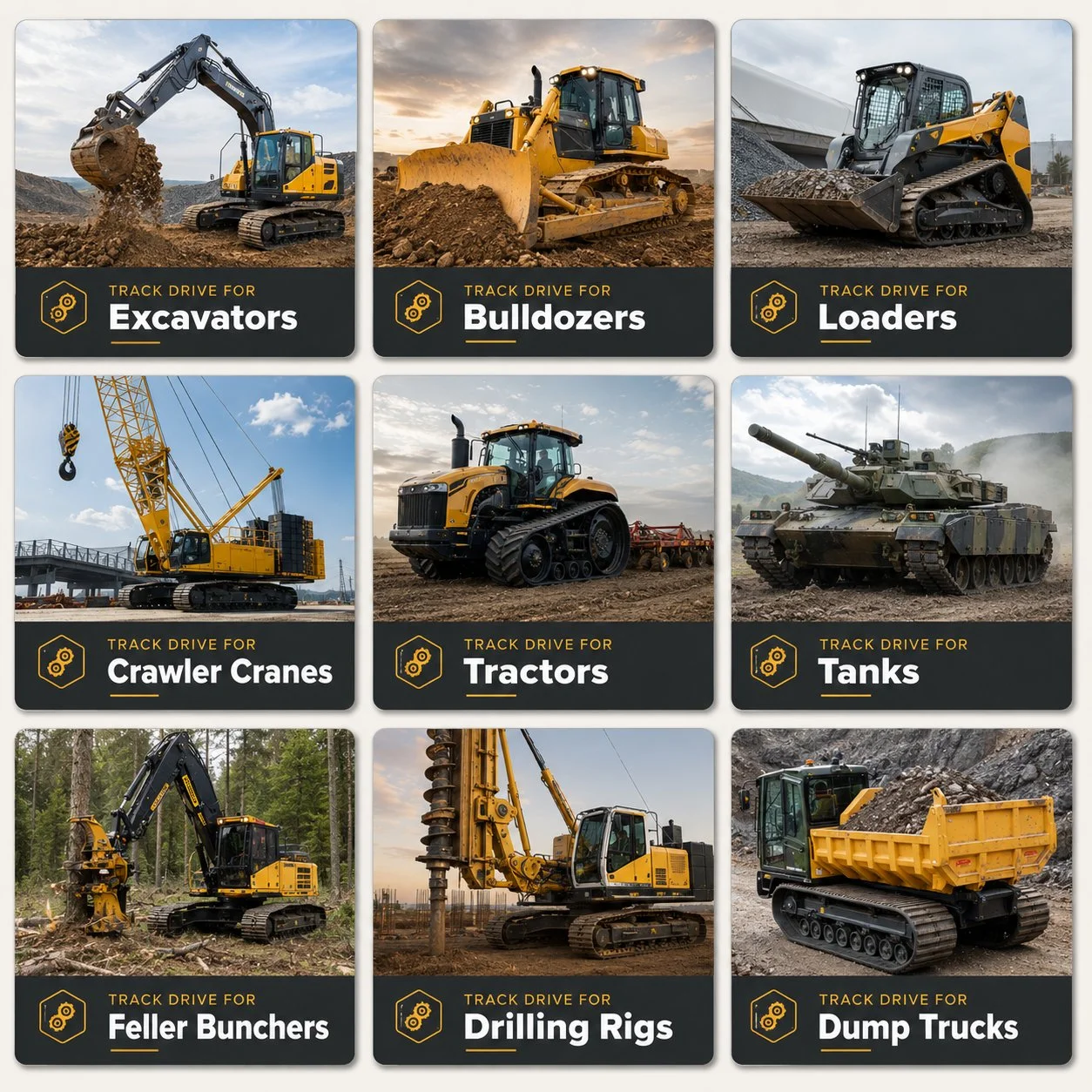
Tiga Mode Kegagalan Spesifik pada Penggerak Track Penambang Permukaan
Modus kegagalan yang dominan. Debu batuan halus (10 hingga 100 mikron, bersudut, baru retak) masuk ke dalam bak oli melalui ventilasi dan antarmuka segel. Setelah tersuspensi dalam oli, partikel-partikel ini bertindak sebagai senyawa pengikis kontinu pada setiap permukaan gigi roda gigi, setiap jalur bantalan, dan setiap permukaan segel. Tingkat keausan pada penggunaan penambang permukaan 3 hingga 8 kali lebih tinggi daripada pada penggunaan ekskavator di lokasi bersih pada torsi yang sama — bukan karena torsinya berbeda, tetapi karena oli terkontaminasi sejak jam pertama pengoperasian.
Mesin penambang permukaan beroperasi 18 hingga 22 jam per hari. Dengan daya dorong 167.000 Nm yang dipertahankan melalui sistem planet 3 tahap dengan efisiensi 94%, masukan panas kontinu sangat besar — sebanding dengan buldoser dalam dorongan berkelanjutan tetapi untuk durasi harian 3 hingga 4 kali lebih lama. Suhu oli penggerak trek stabil pada 80 hingga 100 derajat C selama pemotongan — dan tetap di sana selama seluruh shift tanpa pendinginan termal yang diterima truk pengangkut pada perjalanan kembali kosong atau yang diterima ekskavator selama waktu idle penggalian.
Saat gigi roda aus karena kontaminasi debu dan beban yang terus menerus, celah (backlash) meningkat. Peningkatan celah ini menghasilkan fluktuasi laju umpan selama transisi kekerasan batuan — mesin melaju ke depan saat memasuki zona lunak (penyerapan celah mempercepat respons) dan ragu-ragu saat memasuki zona keras (celah menunda transmisi torsi). Fluktuasi ini, yang tidak terlihat oleh operator, menghasilkan pita produk yang ukurannya terlalu besar dan terlalu kecil secara bergantian pada permukaan potongan — terlihat pada keluaran konveyor tetapi hanya dapat dikaitkan melalui pengukuran celah penggerak trek.
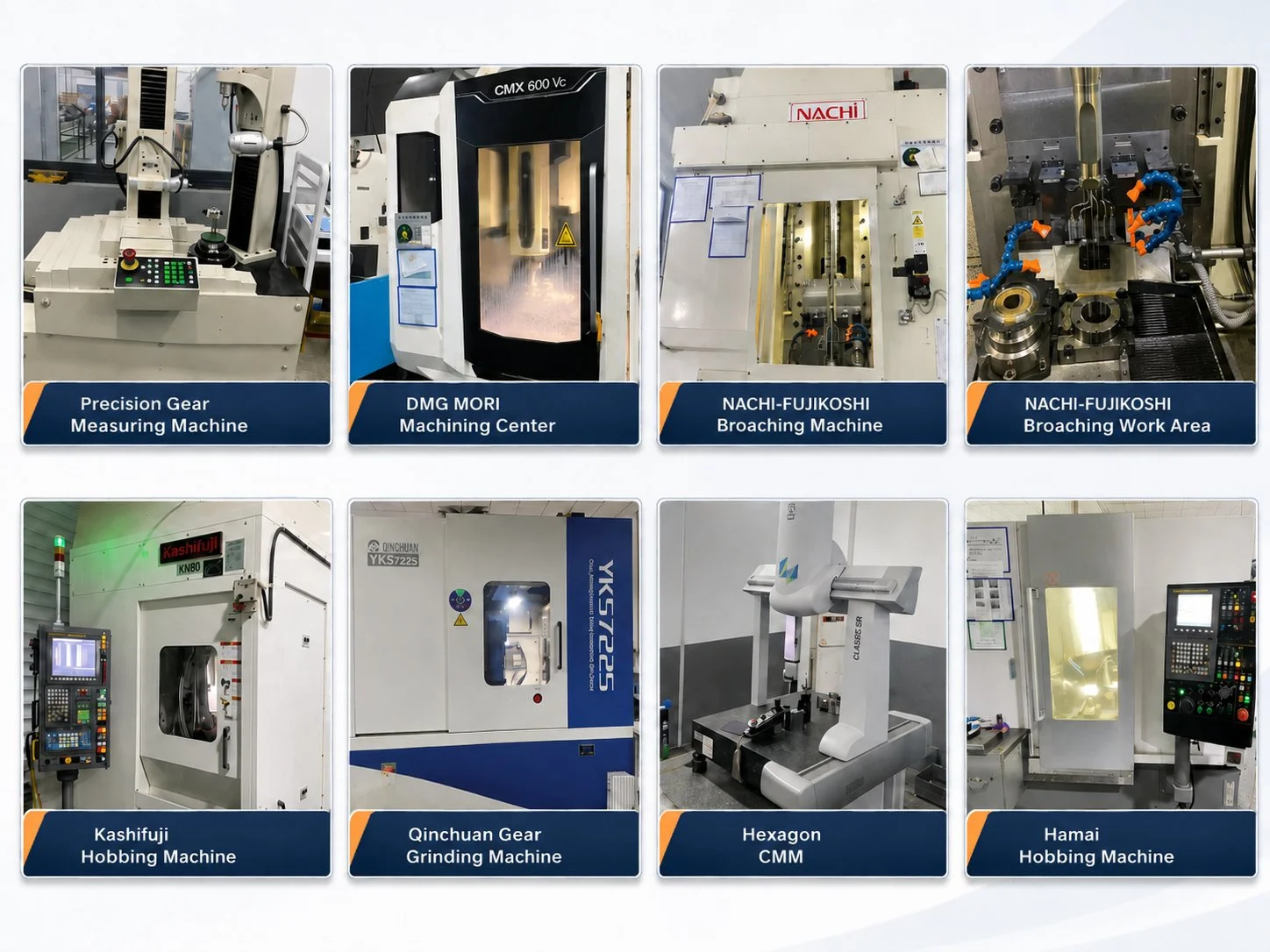
Gearbox Planetary Penggerak Track untuk Mesin Penambang Permukaan — Pertanyaan yang Sering Diajukan
Korea Ever-Power menyediakan gearbox planet penggerak trek penambang permukaan dari 60.000 hingga 200.000 Nm dengan ventilasi bertekanan, pendinginan eksternal, dan presisi laju umpan tingkat kualitas produk. Berikan model penambang permukaan Anda dan material pemotongan utama untuk rekomendasi spesifikasi.
Editor: Cxm