المعيار الذي يهيمن على الدقة تحت الضغط - ونادراً ما يظهر في أدلة الاختيار
الخلوص هو مواصفة الدقة التي يعرفها كل من يختار علبة التروس. وهو النطاق الزاوي الميت عند انعكاس الاتجاه - قابل للقياس بدون تطبيق أي حمل، ومذكور بشكل بارز في كل ورقة بيانات، وعادةً ما يكون المعيار الأول (وأحيانًا الوحيد) للدقة عند مقارنة علب التروس الكوكبية. أما الصلابة الالتوائية، والتي يُرمز لها بـ Ct وتُقاس بوحدة نيوتن متر/دقيقة قوسية، فهي المعلمة التي تحدد مقدار دوران عمود الإخراج المرن تحت تأثير الحمل المطبق. وتظهر هذه المعلمة في أقل من واحد من كل خمسة أدلة منشورة لاختيار علب التروس الكوكبية - وهي غائبة تمامًا عن معظم أدوات تحديد الحجم الخاصة بالتطبيقات.
يُؤدي هذا إلى ثغرة منهجية: يُحدد المهندسون الخلوص بدقة، ويختارون وحدة ذات خلوص منخفض، ثم يكتشفون أنه عند عزم التشغيل الفعلي، يُنتج الانحراف المرن الناتج عن المرونة الالتوائية خطأً زاويًا أكبر بمرتين إلى أربع مرات من الخلوص الذي حددوه. الظاهرتان مستقلتان تمامًا في الأصل - وقد يكون لعلبة تروس ذات خلوص ضيق صلابة التوائية ضعيفة، والعكس صحيح.
النطاق الميت الزاوي بين المدخل والمخرج عند انعكاس اتجاه القيادة. هندسي بحت - ناتج عن الخلوص بين أسنان التروس. موجود عند صفر حمليتم تثبيته بعد التصنيع (حتى يزيد التآكل من قيمته). يتم تحديده بالدقائق القوسية.
يحدث ذلك عندما: ينعكس الاتجاه
يعتمد على: دقة التصنيع
الالتواء المرن لأسنان التروس والأعمدة وحامل الكواكب تحت تأثير عزم الدوران المطبق. يتناسب مع الحمل. يحدث عند أي مستوى عزم دورانيختفي عند إزالة الحمل (مرن). ويزداد مع كل نيوتن متر من عزم الدوران المطبق بعد الصفر.
يحدث عند: أي عزم دوران مطبق
يعتمد على: صلابة علبة التروس Ct
في تطبيقات المؤازرة الحقيقية، يشمل خطأ تحديد الموضع الكلي كلا المساهمتين في آن واحد. عند عزم الدوران المنخفض، يهيمن رد الفعل العكسي. عند عزم الدوران العالي - فوق نقطة تقاطع تعتمد على معامل الشد (Ct) - يتجاوز الانحراف المرن رد الفعل العكسي. يصبح الحد الأساسي للدقة.
= BL + T/Ct (arcmin)
خطي: E = R × tan(θ_total/60 × π/180)
جدول قياس الصلابة الالتوائية الكامل لسلسلة EP - جميع أحجام وسلاسل الإطارات
المواصفات التالية هي قيم الصلابة الالتوائية المعتمدة لجميع علب التروس الكوكبية الدقيقة من سلسلة Ever-Power EP الكورية. تُعرَّف الصلابة الالتوائية (Ct) بأنها عزم الدوران الناتج اللازم لإحداث انحراف زاوي مرن بمقدار دقيقة قوسية واحدة عند عمود الخرج تحت الحمل، مع تثبيت عمود الدخل. كلما زادت قيمة Ct، قلّ الانحراف المرن تحت نفس عزم الدوران المطبق، وبالتالي تحسّنت دقة تحديد المواقع الديناميكية.
| مسلسل | الإطار (مم) | Ct — مرحلة واحدة (نيوتن متر/دقيقة قوسية) |
سي تي - مرحلتان (نيوتن متر/دقيقة قوسية) |
أقصى عزم دوران (نيوتن متر) |
فئة Ct |
|---|---|---|---|---|---|
| EP-ZDE / EP-ZDF | 40 مم | 0.7 | — | 6 | خدمة خفيفة |
| EP-ZDE / EP-ZDF | 60 مم | 1.8 | — | 16 | معيار |
| EP-ZDE / EP-ZDF | 80 مم | 4.5 | — | 50 | معيار |
| EP-ZDE / EP-ZDF | 120 مم | 12 | — | 110 | معتدل |
| EP-ZDE / EP-ZDF | 160 مم | 38 | — | 450 | قياسي - عالي ★ |
| EP-ZDWE / ZDWF | 60-160 مم | 1.5 – 38 | 2.5 – 43 | 16 – 450 | نفس إطار عمل ZDE |
| EP-ZDS | 115 مم | 20 | 22 | 210 | عالي |
| EP-ZDS | 142 مم | 44 | 46 | 910 | عالي (1.16× ZDE-160) |
| EP-ZDS | 190 مم | 130 | 140 | 1,800 | الأعلى (3.4×ZDE-160) ★★ |
★ عزم الدوران (Ct) في EP-ZDS-115 (20 نيوتن متر/دقيقة قوسية) أقل من EP-ZDE-160 (38 نيوتن متر/دقيقة قوسية) لأن ZDS-115 أصغر حجمًا - قارن ضمن فئة الإطار، وليس بين الفئات المختلفة. ★★ يحقق EP-ZDS-190 عزم دوران 130 نيوتن متر/دقيقة قوسية بفضل عمود إخراج أكبر (Φ55h7 مقابل Φ40h7)، وحامل تروس كوكبية أكثر صلابة، ومحامل إخراج مُحمّلة مسبقًا. يتجاوز عزم الدوران في EP-ZDS-190 ثنائي المراحل عزم الدوران في EP-ZDS-115 أحادي المرحلة لأن المراحل الكوكبية الإضافية تزيد من صلابة حامل التروس في تصميم ZDS.

نقطة التحول - حيث يتجاوز الانحراف الالتوائي رد الفعل العكسي باعتباره الخطأ السائد
عند مستويات عزم الدوران المنخفضة، يهيمن رد الفعل العكسي على الخطأ الزاوي الكلي نظرًا لصغر الانحراف المرن. ومع ازدياد عزم الدوران المطبق، يزداد الانحراف المرن خطيًا مع T/Ct بينما يظل رد الفعل العكسي ثابتًا. يوجد عزم دوران حرج يتجاوزه الانحراف المرن ليصبح المصدر الأكبر للخطأ، وتختلف نقطة التقاطع هذه اختلافًا كبيرًا بين سلسلتي EP-ZDE وEP-ZDS.
هذا هو الحساب الذي تتجاهله معظم أدلة الاختيار تمامًا - وهو يغير بشكل أساسي كيفية ترجيح الصلابة الالتوائية في عملية تحديد المواصفات لتطبيقات عزم الدوران العالي.
يصل عزم الدوران في جهاز EP-ZDE-160 إلى نقطة التقاطع عند 304 نيوتن متر، وهو ضمن نطاقه المقنن البالغ 450 نيوتن متر. في النصف العلوي من نطاق عزم الدوران (304-450 نيوتن متر)، يكون الانحراف المرن أكبر من الخلوص. إن تقليل الخلوص من 8 دقائق قوسية إلى 3 دقائق قوسية في هذا النطاق لا يوفر سوى 5 دقائق قوسية من النطاق الميت، بينما يبلغ الانحراف المرن عند 380 نيوتن متر 10 دقائق قوسية، وهو خطأ لا يمكن معالجته بتقليل الخلوص. أما جهاز EP-ZDS-190 فلا يصل إلى نقطة التقاطع إلا عند 1040 نيوتن متر، أي خارج نطاقه المقنن أحادي المرحلة، لذا يبقى الخلوص هو الخطأ السائد في نطاق تشغيله بالكامل، ولهذا السبب يحقق جهاز EP-ZDS دقة إجمالية أفضل من جهاز EP-ZDE حتى مع نفس قيمة الخلوص (أقل من 8 دقائق قوسية).
| عزم الدوران المطبق | ZDE-160 رد فعل عنيف (أركمين) |
ZDE-160 زاوية المرونة θ (بالدقائق القوسية) |
ZDE-160 المجموع (بالدقائق القوسية) |
ZDS-190 زاوية المرونة θ (بالدقائق القوسية) |
ZDS-190 المجموع (بالدقائق القوسية) |
زيادة الدقة |
|---|---|---|---|---|---|---|
| 50 نيوتن متر | 8.0 | 1.3 | 9.3 | 0.4 | 8.4 | أفضل بمقدار 1.1 مرة |
| 100 نيوتن متر | 8.0 | 2.6 | 10.6 | 0.8 | 8.8 | أفضل بمقدار 1.2 مرة |
| 200 نيوتن متر | 8.0 | 5.3 | 13.3 | 1.5 | 9.5 | أفضل بمقدار 1.4 مرة |
| 304 نيوتن متر ← نقطة التقاطع | 8.0 | 8.0 ← مرن = BL | 16.0 | 2.3 | 10.3 | أفضل بمقدار 1.6 مرة |
| 380 نيوتن متر | 8.0 | 10.0 > BL | 18.0 | 2.9 | 10.9 | أفضل بمقدار 1.7 مرة |
| 800 نيوتن متر | 8.0 | 21.1 | 29.1 | 6.2 | 14.2 | أفضل بمرتين. |
كلا الوحدتين محددتان عند خلوص أقل من 8 دقائق قوسية. معامل الشد (Ct): ZDE-160 = 38 نيوتن متر/دقيقة قوسية؛ ZDS-190 = 130 نيوتن متر/دقيقة قوسية. الزاوية المرنة (θ_elastic) = T/Ct. المجموع = الخلوص + المرونة. يزداد تحسن ZDS-190 مع عزم الدوران لأن معامل الشد (Ct) هو العامل الوحيد المُميز - الخلوص متطابق في كليهما.
من دقائق قوسية إلى ملليمترات - خطأ تحديد الموقع الديناميكي عند نصف قطر الحمل الخاص بك
كما هو موضح في دليل الخلوص، فإن التحويل من الخطأ الزاوي إلى الخطأ الخطي عند نصف قطر تحميل محدد هو: E_linear = R × tan(θ/60 × π/180). يوضح الجدول التالي تطبيق هذا التحويل على مُكَوِّن الانحراف المرن فقط، مُبينًا خطأ تحديد الموضع الديناميكي بمستوى المليمتر الناتج عن المرونة الالتوائية عند أربعة أنصاف أقطار تحميل نموذجية. هذا هو الخطأ الذي لا يُمكن معالجته بمواصفات خلوص أكثر دقة.
| عزم الدوران | خطأ المرونة ZDE-160 (Ct=38) | خطأ المرونة ZDS-190 (Ct=130) | تحسين نظام ZDS | ||
|---|---|---|---|---|---|
| عزم الدوران المطبق | نصف القطر = 100 مم | نصف القطر = 300 مم | نصف القطر = 100 مم | نصف القطر = 300 مم | عند R=300 مم |
| 100 نيوتن متر | 0.077 مم | 0.230 مم | 0.022 مم | 0.067 مم | أفضل بمقدار 3.4 مرة |
| 200 نيوتن متر | 0.153 مم | 0.459 مم | 0.045 مم | 0.134 مم | أفضل بمقدار 3.4 مرة |
| 380 نيوتن متر (قطع ثقيل) | 0.291 مم | 0.873 مم | 0.085 مم | 0.254 مم | أفضل بمقدار 3.4 مرة |
| 800 نيوتن متر | 0.613 مم | 1.839 ملم | 0.179 مم | 0.538 مم | أفضل بمقدار 3.4 مرة |
معلومات أساسية حول مواصفات طاولة الدوران CNC: طاولة دوارة CNC ذات محور B بنصف قطر تثبيت قطعة العمل 300 مم وعزم دوران قطع أقصى يبلغ 380 نيوتن متر ستتراكم خطأ في تحديد الموضع المرن يبلغ 0.873 مم يعتمد الخطأ على المرونة الالتوائية وحدها في حال تركيب وحدة EP-ZDE-160. ويتغير هذا الخطأ مع كل تغير في قوة القطع، فهو ديناميكي وليس ثابتًا، ولا يمكن لنظام التغذية الراجعة المؤازرة تعويضه لأن مشفر المحرك يقيس موضع المحرك وليس موضع الأداة. أما الطاولة نفسها المزودة بوحدة EP-ZDS-190، فلا تحتوي إلا على 0.254 مم من الخطأ المرن في ظل ظروف قطع متطابقة - تحسن بمقدار 3.4 مرة يترجم مباشرة إلى تفاوتات أكثر دقة في الأجزاء.
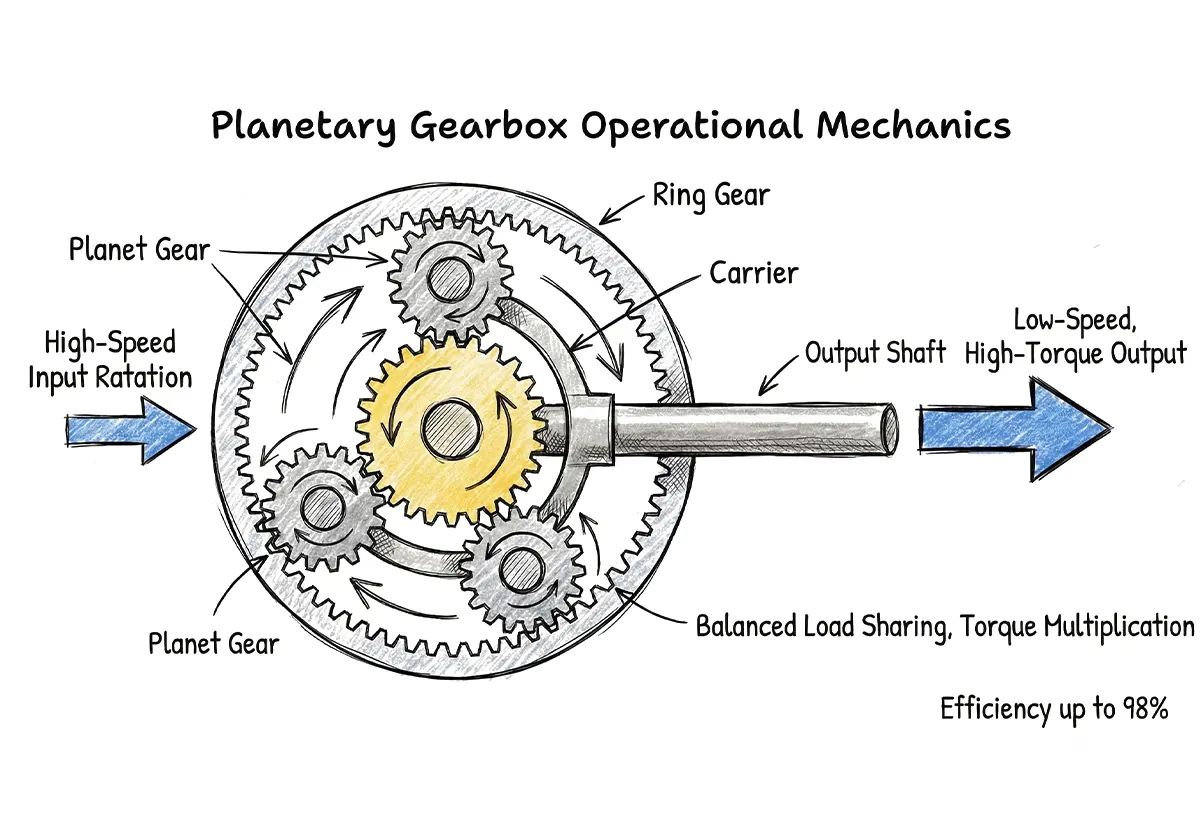
الصلابة الالتوائية وتردد الرنين - تأثيرها على ضبط المؤازرة
تُحدد صلابة الالتواء لعلبة تروس كوكبية دقيقة تردد الرنين الميكانيكي لنظام علبة التروس والحمل بشكل مباشر. ويُحدد هذا التردد الحد الأعلى لعرض نطاق حلقة سرعة المؤازرة - أي السرعة التي يمكن للمتحكم عندها الاستجابة لأخطاء الموضع دون إثارة رنين هيكلي. علبة التروس ذات معامل الالتواء الأعلى (Ct) ترفع تردد الرنين، مما يسمح بضبط أكثر دقة للمؤازرة، وبالتالي أداء أفضل في تحديد الموضع الديناميكي.
| علبة التروس | Ct (نيوتن.متر/دقيقة قوسية) | الرنين f طاولة CNC J=5 كجم·م² |
الرنين f الروبوت J2 J=97 كجم·م² |
حد Kv المؤازر | تقييم الضبط |
|---|---|---|---|---|---|
| ZDE-160 | 38 | 25.7 هرتز | 5.8 هرتز | محدود | طاولة التحكم الرقمي الحاسوبي: سليمة. الروبوت J2: أقل من عرض نطاق المؤازرة BW - خطر التذبذب |
| ZDS-115 | 20 | 18.7 هرتز | 4.2 هرتز | قليل | انخفاض قيمة Ct مقارنةً بـ ZDE-160 - هذا التصحيح مخصص فقط للتطبيقات ذات الإطارات الأصغر، وليس ترقية مباشرة. |
| ZDS-142 | 44 | 27.7 هرتز | 6.3 هرتز | جيد | تحسين طفيف مقارنةً بـ ZDE-160 - يُفضل استخدامه في أنظمة التحكم الرقمي الحاسوبي (CNC) والروبوتات ذات الأحمال الثقيلة J2/J3 |
| ZDS-190 | 130 | 47.6 هرتز | 10.8 هرتز | أعلى مستوى | أفضل استجابة ديناميكية - يُوصى بها لطاولات CNC الكبيرة والروبوت J1/J2 |
يتميز إطار EP-ZDS-115 (معامل الالتواء = 20 نيوتن.متر/دقيقة قوسية) بصلابة التوائية أقل من إطار EP-ZDE-160 (معامل الالتواء = 38 نيوتن.متر/دقيقة قوسية) نظرًا لصغر حجمه. لا تفترض أن "ZDS أكثر صلابة من ZDE" - فالمقارنة صحيحة فقط ضمن نفس حجم الإطار أو حجم مماثل. يتجاوز ZDS-142 (44) بشكل طفيف ZDE-160 (38)، بينما يتجاوزه ZDS-190 (130) بشكل كبير. لكي توفر سلسلة ZDS ميزة الصلابة، يجب أن يتطلب التطبيق نطاق الإطارات من 115 إلى 190 مم الذي تغطيه ZDS.
على عكس المتوقع، يتجاوز معامل التماسك (Ct) في نظام EP-ZDS ثنائي المراحل معامل التماسك في النظام أحادي المرحلة (ZDS-190: 140 مقابل 130 نيوتن متر/دقيقة قوسية). ويعود ذلك إلى أن المرحلة الكوكبية الإضافية في نظام ZDS تُسهم في زيادة صلابة هيكل حامل الكواكب، حيث يصبح الحامل أكثر صلابة فعليًا مع تثبيت المرحلة الثانوية في مكانها. هذه الخاصية حصرية لتصميم ZDS ولا تنطبق على سلسلة ZDE، حيث تُضيف المراحل المتعددة مرونةً بدلًا من الصلابة.
متى يتم تحديد صلابة الالتواء كمعيار الاختيار الأساسي؟
ينبغي أن تكون صلابة الالتواء هي المواصفة الأساسية للدقة - قبل الخلوص - في أربع فئات من التطبيقات. أما في جميع الفئات الأخرى، فإن مواصفة الخلوص وحدها كافية، وتوفر سلسلة EP-ZDE/ZDF أداءً صحيحًا بتكلفة أقل.
عزم قطع أقصى يتراوح بين 200 و800 نيوتن متر في مراكز التشغيل الأفقية الكبيرة. عند هذه العزوم، يهيمن الانحراف المرن على الخطأ الزاوي الكلي. يعكس التفاوت في أبعاد القطع الكبيرة (استدارة التجويف، تعامد السطح) بشكل مباشر صلابة علبة التروس الديناميكية. حدد: EP-ZDS-142 أو EP-ZDS-190 حسب فئة العزم.
نسبة القصور الذاتي العالية عند J1/J2 تعني ضرورة تقييد نطاق تردد المؤازرة لتجنب الرنين. يؤدي ارتفاع قيمة Ct إلى زيادة تردد الرنين، مما يسمح بنطاق تردد أوسع للمؤازرة ودقة أفضل في تتبع المسار. بالإضافة إلى ذلك، تتجاوز ذروة عزم الدوران الديناميكي أثناء تسارع أذرع الروبوت الكبيرة نقطة التقاطع ZDE-160.
تُعرّض عمليات التشكيل بالصدم علبة التروس لعزوم نبضية تتراوح بين ضعفين إلى ثلاثة أضعاف القيمة المقدرة المستمرة لحظة تلامس القطعة. تحت تأثير الحمل النبضي، يكون الانحراف المرن فوريًا، وينحرف موضع طرف الأداة عن الموضع المطلوب. يقلل معامل الشد العالي (Ct) من هذا الانحراف ويُحسّن اتساق أبعاد التشكيل بالضغط. يُعدّ معامل الخدمة 2.5+ بالإضافة إلى مواصفات الصلابة هو النهج الأمثل لمحركات الضغط.
تُجري رافعات القطع بالليزر وأنظمة الالتقاط والوضع عالية السرعة عمليات انعكاس الاتجاه بمعدل 50-200 مرة في الدقيقة مع قصور ذاتي كبير للمحور. عند كل انعكاس، يجب على علبة التروس التخلص من منطقة التباطؤ الناتجة عن التباطؤ، وفي الوقت نفسه امتصاص عزم الدوران العابر الناتج عن تباطؤ الحمل وإعادة تسريعه. تعمل علبة التروس الأكثر صلابة على تخميد عزم الدوران العابر بشكل أسرع، وتقلل من خطأ تحديد الموضع خلال فترة الانعكاس. بالنسبة للرافعات التي تعمل بسرعة تزيد عن 3 أمتار/ثانية مع متطلبات تحديد موضع أقل من 0.1 مم، يُنصح باستخدام علبة التروس EP-ZDS-142 حتى عند مستويات عزم دوران متوسطة.
عندما يكون EP-ZDE/ZDF عند Ct=38 نيوتن متر/دقيقة قوسية كافياً: بالنسبة للتطبيقات التي يكون فيها عزم الدوران الأقصى المطبق أقل من نقطة التقاطع البالغة 304 نيوتن متر لـ ZDE-160 - مثل مفاصل الروبوتات الخفيفة (J3-J6)، ومحاور سيرفو التعبئة والتغليف، وعجلات قيادة المركبات الموجهة آليًا، ومحركات تتبع الطاقة الشمسية، ومؤشرات السيور الناقلة - يُعدّ رد الفعل العكسي هو معيار الدقة الرئيسي، ويُعتبر EP-ZDE/ZDF الخيار الأمثل والأكثر فعالية من حيث التكلفة. لا حاجة إلى معامل نقل أعلى (Ct) لـ ZDS، ولا يُبرر التكلفة الإضافية أي تحسن ملموس في أداء التطبيق.
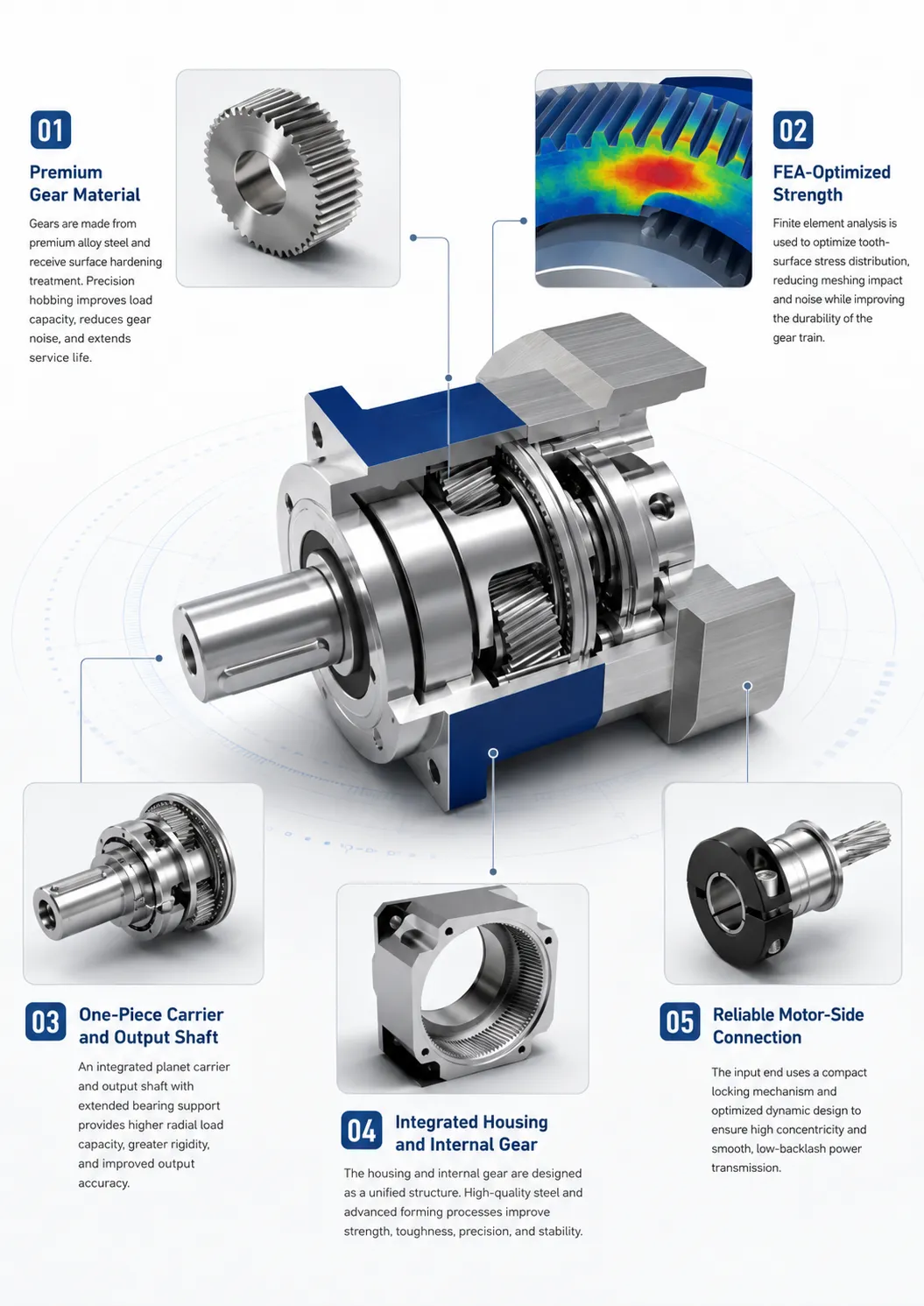
طريقة عملية من ثلاث خطوات لإدراج صلابة الالتواء في اختيارك
يُطبّق معظم المهندسين عامل الخدمة ودرجة الخلوص، لكنهم يُهملون صلابة الالتواء تمامًا من عملية الاختيار. تُدمج الطريقة التالية، المكونة من ثلاث خطوات، معامل الالتواء (Ct) في عملية الاختيار القياسية المكونة من خمس خطوات دون إضافة تعقيد يُذكر.
عزم الدوران عند نقطة التقاطع (T_crossover) = BL × Ct. بالنسبة لـ EP-ZDE-160: 8 × 38 = 304 نيوتن متر. قارن هذا بعزم الدوران الفعلي عند نقطة التقاطع (بعد تطبيق معامل الخدمة). إذا كان عزم الدوران عند نقطة التقاطع أكبر من عزم الدوران عند نقطة التقاطع، فإن صلابة الالتواء هي الحد الأقصى للدقة، ويجب زيادة قيمة Ct لتحسين أداء تحديد الموضع - لن يفيد تقليل الخلوص الخلفي.
حدد هامش التفاوت المسموح به في عمليات التشغيل أو تحديد الموضع (مثلاً ±0.1 مم عند نصف قطر التحميل المحدد R). احسب أقصى انحراف مرن مقبول: θ_max = arctan(tolerance / R) بالدقائق القوسية. ثم احسب قيمة Ct المطلوبة: Ct_required = T_peak / θ_max. اختر وحدة سلسلة EP التي تحقق Ct ≥ Ct_required.
θ_max = arctan(0.3/300) × 3438 = 3.44 arcmin
Ct_required = 380/3.44 = 110 نيوتن متر/دقيقة قوسية ← حدد ZDS-190 (Ct=130)
احسب تردد الرنين f_resonant = (1/2π) × √(Ct[N·m/rad] / J_load). قارن هذا التردد بنطاق تردد التحكم في المحرك المؤازر. ولضمان السلامة، يجب أن يكون f_resonant على الأقل ثلاثة أضعاف تردد كسب Kv للمحرك المؤازر. إذا كان f_resonant أقل من ثلاثة أضعاف نطاق تردد المحرك المؤازر حتى مع استخدام وحدة EP الأنسب والأكثر صلابة، فقلل نطاق تردد المحرك المؤازر (تقبل استجابة أبطأ) أو فكّر في تقليل قصور الحمل عند المخرج.
تقدم شركة إيفر-باور الكورية خدمات هندسة التطبيقات لحساب عزم الدوران عند نقطة التحول، وتحليل متطلبات معامل الصلابة، والتحقق من تردد الرنين لتطبيقات محددة، بما في ذلك مدخلات التفاوتات البُعدية ونصف قطر الحمل. قدّم بيانات عزم الدوران التشغيلي الأقصى، ونصف قطر الحمل، ومتطلبات دقة الأبعاد للحصول على توصية كاملة بمواصفات الصلابة باللغة الكورية أو الإنجليزية.
المحرر: Cxm