Корейско производство на полупроводници — Защо спецификациите на скоростните кутии са изключително взискателни
Корея управлява капацитета за производство на полупроводници с най-висока плътност в света. Фабриката на Samsung в Пьонгтек (фази P3 и P4) и съоръжението M15X на SK Hynix в Чонгджу произвеждат заедно по-голямата част от DRAM и NAND флаш паметта в света. Тези съоръжения обработват 300 мм силициеви пластини чрез 400–600 стъпки на фотолитография, отлагане, ецване и CMP в чисти помещения, поддържани в ISO клас 3–5 (10–100 частици ≥0,1 μm на кубичен метър въздух).
Предавателните кутии, използвани в тази среда – в FOUP транспортни AGV, оси за въртене на манипулатори на пластини, платформи за подравняване на зареждащи отвори, платформи за фотолитографски решетки и задвижвания за въртене на CMP глави – са изложени на същите спецификации за чисти помещения като всеки друг компонент. Предавателна кутия, която отделя частици, отделя химикали или генерира магнитни полета, които биха могли да попречат на системите за подравняване, не е „по-нискокачествена“ предавателна кутия – тя е просто предавателна кутия, проектирана за различна среда, поставена в грешната.
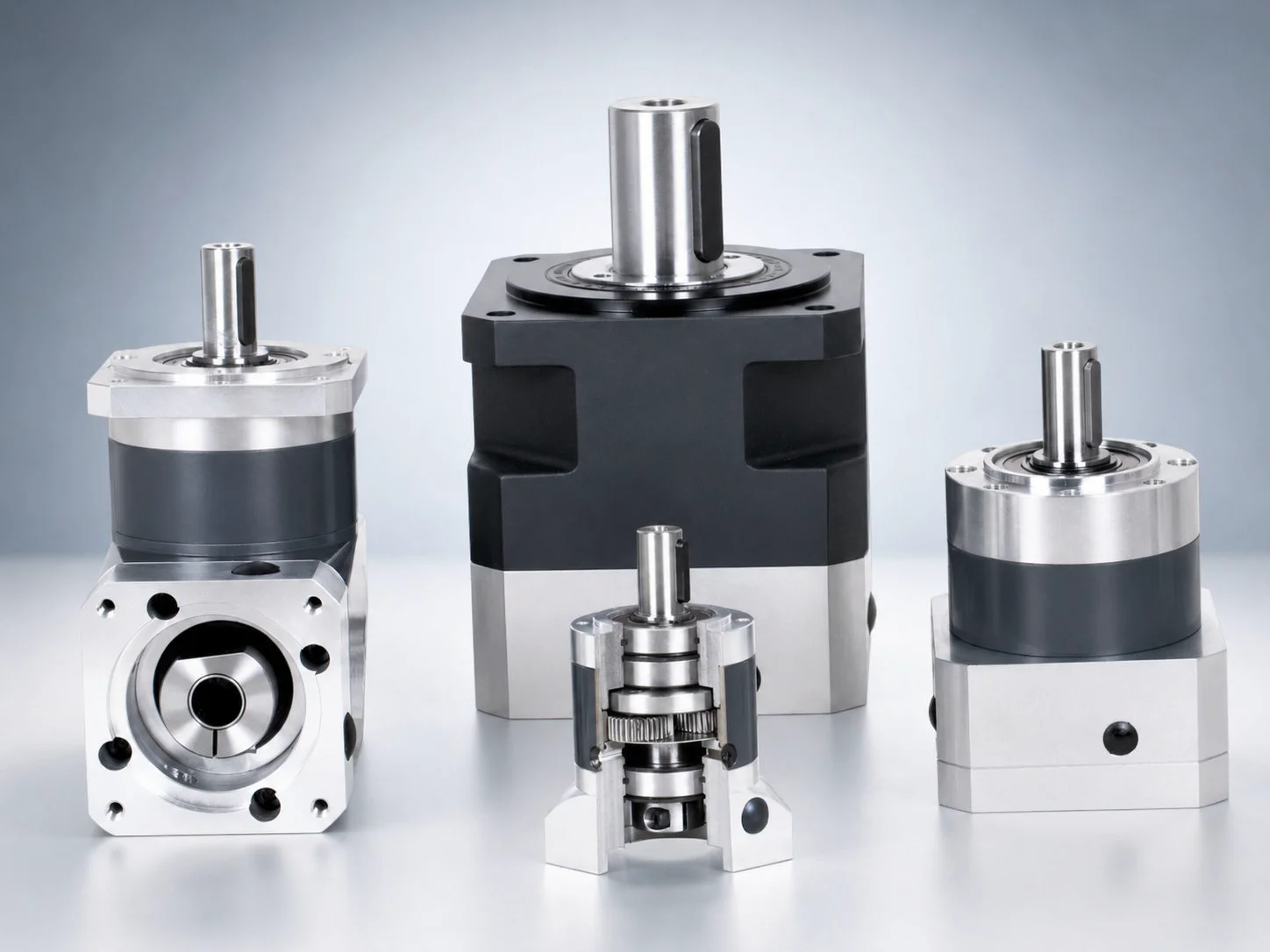
Разбирането на спецификацията за чисти помещения за полупроводникови планетарни скоростни кутии позволява на корейските доставчици на оборудване за полупроводниковата индустрия да определят правилната конфигурация на скоростната кутия от самото начало, вместо да откриват несъвместимости по време на тестовете за приемане от клиента, което е най-скъпият момент за разрешаване на грешка в спецификацията на компонента.
| Корейска Fab Zone | ISO клас | Максимални частици ≥0,1 μm на m³ | Температура / Влажност | Използване на скоростната кутия |
|---|---|---|---|---|
| Залив за фотолитография | ISO 3 | 10 | 20°C ±0,1°C / 40% относителна влажност | Ретикуларна платформа, зареждащо устройство за пластини — най-взискателно |
| Отделения за отлагане / ецване | ISO 4–5 | 100–1000 | 20–22°C / 40–50% относителна влажност | Работници с оборудване, надземни транспортни услуги |
| CMP / опаковъчни отсеци | ISO 6–7 | 10 000–100 000 | 20–23°C / 40–60% относителна влажност | FOUP транспорт, обработка на материали AGV |
| Коридор за подкрепа на Fab | ISO 8 | 3,520,000 | Околна среда ±2°C | Стандарт EP-AB е приемлив в тази зона |
Класификации за чистота по ISO 14644-1:2015. Зони на корейските фабрики за полупроводници от спецификациите за оборудване на Samsung/SK Hynix. Всички производствени зони поддържат приблизително 20–22°C целогодишно — минимумът от 0°C за хипоидната серия EP-KF/KH не е проблем за монтаж на закрито в завода.
Четири начина, по които стандартна скоростна кутия замърсява фабрика за полупроводници
Несъвместимостта с чисти помещения в стандартните скоростни кутии възниква чрез четири независими механизма. Всеки от тях трябва да се разглежда поотделно – елиминирането на единия не решава проблема с останалите.
Стандартните запечатани греси използват минерално масло или PAO (полиалфаолефинови) базови масла с сгъстители на аминова или калциева основа. При стайна температура в чисто помещение тези съединения освобождават летливи органични съединения (ЛОС) чрез парно налягане – процес, наречен отделяне на газове. Освободените ЛОС са невидими на молекулярно ниво, но се отлагат върху близки повърхности, включително повърхности на силициеви пластини и стъкло на решетката.
Решение: PFPE (перфлуорополиетерна) грес. Парно налягане при 20°C: <10⁻¹⁰ Pa — седем или повече порядъка по-ниско от минералното масло. PFPE гресът е химически инертен, нереактивен с технологични газове и не образува измерими органични отлагания върху близките повърхности. Скоростните кутии Korea Ever-Power серия EP с PFPE грес за чисти помещения се предлагат по специална поръчка — уточнете „полупроводникова PFPE грес за чисти помещения“ при поръчка.
Всяка планетарна скоростна кутия генерира субмикронни метални частици от износване в контактната зона на зъбното зацепване – неизбежен резултат от плъзгащото се и търкалящо движение на зъбния интерфейс. В индустриална среда тези частици се задържат вътре в запечатания корпус от структурата на мазнините. В скоростна кутия за чисти помещения, грижата е, че всеки път, през който частиците могат да излязат, трябва да бъде елиминиран: уплътнението на вала трябва да предотвратява миграцията на частици по повърхността на вала, а корпусът не трябва да има микропролуки, през които може да се изпомпва въздух, натоварен с частици, от цикъла на термично дишане на скоростната кутия.
Стандартните индустриални корпуси на скоростни кутии използват бои на маслена или акрилна основа, които се втвърдяват при стайна температура. Тези покрития продължават да отделят остатъци от разтворители (ЛОС) в продължение на месеци след нанасяне и отделят микрочастици, когато повърхността на покритието изветря. В чисти помещения по ISO клас 3–5, дори малък източник на частици може да надвиши допустимата граница на концентрация на частици в непосредствена близост до скоростната кутия.
Стандартните компоненти на скоростната кутия (корпус, зъбни колела, валове, носачи на планетни зъбци) са изработени от стандартна въглеродна или легирана стомана - феромагнитни материали със значителна магнитна пропускливост. В повечето приложения това е без значение. В корейските производствени зони за MRAM (магнитна памет с произволен достъп) и в близост до оборудване за електроннолъчева литография, разсеяните магнитни полета от феромагнитни компоненти причиняват грешки в подравняването в колоната на електронния лъч и могат да променят магнитното състояние на частично изработени MRAM клетки.
ISO 14644 Клас на чисти помещения → Изисквания за спецификация на скоростната кутия
Не всяка зона за производство на полупроводници изисква пълния пакет със спецификации за скоростна кутия за чисти помещения. Изискванията се променят в зависимост от класа на чистото помещение — коридор за обработка на материали по ISO клас 7 има коренно различни изисквания от фотолитографски отсек по ISO клас 3. Прекомерното специфициране на характеристиките на чистите помещения увеличава разходите, без функционална полза; недостатъчното специфициране рискува замърсяване на производството.
| ISO клас | Смазка | Уплътнение на вала | Покритие на корпуса | Немагнитен | Бележка за поръчката на Korea Ever-Power |
|---|---|---|---|---|---|
| ISO 8 (подпорен коридор) | Стандартна грес ✓ | Стандартен NBR ✓ | Стандартна боя ✓ | Не е задължително | Стандартен EP-AB запас — не е необходима специална поръчка |
| ISO 6–7 (CMP/опаковка) | Предпочита се PFPE | FKM или FFKM | Ниско съдържание на летливи органични съединения или анодизирано | Потвърждаване за всяка зона | При поръчка посочете „грес за чисти помещения + FKM уплътнение“ |
| ISO 4–5 (отлагане/ецване) | Изисква се PFPE | Изисква се FFKM | Изисква се анодизиран алуминий | Ако е MRAM/EB зона: да | Пълна поръчка за спецификация на чисти помещения; срок за изпълнение 2–3 седмици |
| ISO 3 (EUV лито залив) | Изисква се PFPE | Изисква се FFKM | Електрополиран SS316L | Задължително | Необходимо е персонализирано инженерство — ангажирайте екипа по приложенията на Korea Ever-Power в ранен етап на проектиране |
Всички опции, специфични за чисти помещения — грес PFPE, уплътнение FFKM, анодизиран корпус, немагнитна конструкция — трябва да бъдат уточнени при поръчка. Стандартните скоростни кутии от серия EP се доставят със стандартна минерална/PAO грес, NBR уплътнения и боядисан корпус. Не е възможно преобразуване на място. Ако получите стандартен модул и след това установите, че производствената зона изисква смазка PFPE, скоростната кутия трябва да бъде върната и заменена с модул, специфициран за чисти помещения. Срокът за изпълнение на опциите за чисти помещения е 2–4 седмици; планирайте съответно в графика за доставка на оборудване.
Ос на въртене на манипулатора на пластини — Изисквания за прецизност и избор на серия
Задвижванията за манипулиране на полупроводникови пластини с планетарна скоростна кутия изискват прецизност, която надвишава повечето индустриални серво приложения. Роботизираните манипулатори на пластини – оборудването, което прехвърля 300 мм силициеви пластини между FOUP (функционални преобразуватели на полупроводници), технологични камери и подравняващи устройства – използват две оси на въртене: тета (θ) ос на въртене, която завърта целия рамков механизъм, за да се подравни с целевите слотове, и ос на удължаване, която радиално удължава и прибира крайния ефектор. Точността на позициониране по тета оста определя дали пластината е поставена в рамките на централния допуск на крайния ефектор; оста на удължаване определя точността на радиалното позициониране.
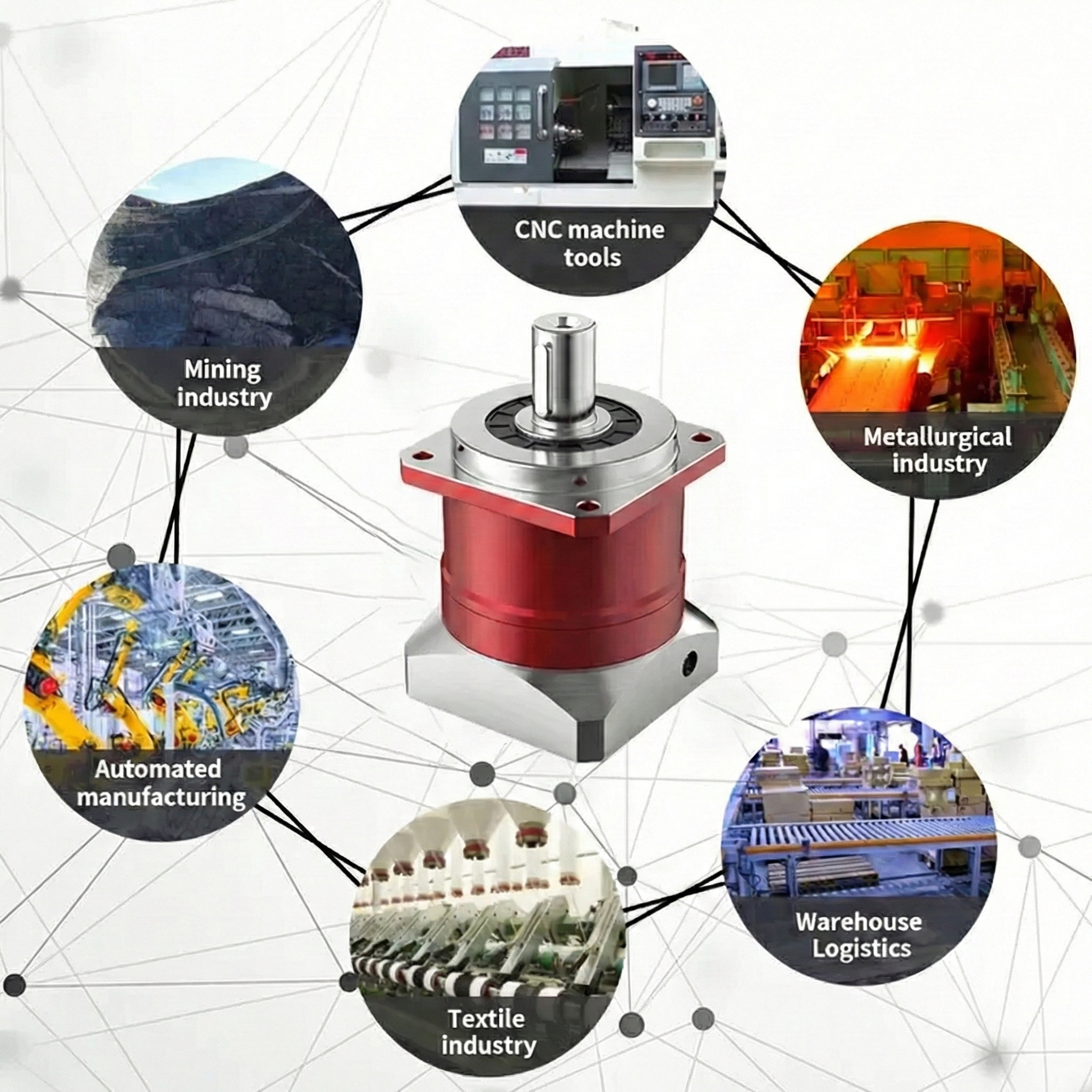
Критично изискване за позициониране на тета оста: центърът на пластината трябва да бъде разположен в рамките на ±0,5 mm от целевата позиция при номиналния радиус на пластината 300 mm (150 mm от центъра на пластината). Това изисква ъгловата грешка на тета оста да бъде:
ИЗИСКВАНЕ ЗА ХЛАБИНА НА ТЕТА ОСА — МАНИПУЛАТОР НА ПЛАСТМАСА
Ъглова грешка θ_max = Δx / r = 0,5 / 300 = 0,00167 rad
= 0,00167 × (180 × 60 / π) = максимум 5,7 дъгови минути
Бюджет на луфта на скоростната кутия (40% от общата грешка):
θ_скоростна кутия ≤ 5,7 × 0,40 = 2,3 arcmin
→ Изисква се хлабина ≤ 2,3 дъгови минути на изходния вал
→ P1 (≤3′) е гранично — в най-лошия случай може да надвиши бюджета
→ P0 (≤1′) осигурява 2,3× марж — правилна спецификация
→ EP-AFH (стандарт ≤1′) елиминира стъпката на спецификация на класа
За корейските производители на оригинално оборудване за обработка на пластини, Ултрапрецизна серия EP-AFH е стандартната препоръка за тета оста. Всеки EP-AFH модул се доставя със стандартна спецификация ≤1 arcmin — без избор на код на клас, без вариабилност на измерването между модули в рамките на диапазона на клас. Сертификатът за доставка потвърждава измерената стойност за всеки модул. За удължителната (радиална) ос изискването за прецизност е по-ниско (±1 mm толеранс на върха на ефектора) и P0 или P1 е подходящо в зависимост от геометрията на рамото.
Чистите помещения в корейските фабрики за полупроводникови пластини поддържат температурна стабилност от 20°C ±0,1°C. Този прецизен температурен контрол се поддържа специално, за да се предотврати термичното разширение на оборудването, причиняващо отклонение в позиционирането. Скоростна кутия в чисто помещение в термично стабилна среда постига повторяемост на позиционирането, ограничена от хлабината и разделителната способност на енкодера, а не от термичното разширение. Високостабилната температура в чистото помещение сама по себе си е фактор, който позволява проектирането: термичното отклонение на скоростната кутия, което е сериозен проблем в стандартните индустриални приложения, е практически нулево в правилно контролирана производствена среда.
FOUP Transport AGV — Спецификация на задвижващите колела за работа на Fab Floor
Транспортът с предно отварящ се унифициран под (FOUP) в корейските фабрики за полупроводници използва надземни подемни транспортни системи (OHT) на таванни релси като основно средство за движение на FOUP от фабриката до секцията, както и AGV на нивото на пода за прехвърляне от секцията до оборудването в зони с по-нисък трафик. Предавателните кутии на задвижващите колела на AGV на нивото на пода работят в същата чиста среда като технологичното оборудване.
Изискванията за скоростна кутия на AGV за транспортни системи FOUP комбинират спецификациите за чисти помещения от модули 2–3 със специфичните за AGV изисквания от чл. 12: синхронизация на скоростта на диференциалното задвижване (съчетана двойка, сертификат за вариация на съотношението ≤0,01%), нисък работен шум (акустични вибрации, които биха могли да нарушат подравняването на близката литография в съседни секции, трябва да бъдат под 55 dB(A) на границата на секцията) и херметична конструкция без нужда от поддръжка.
The Хипоидна серия EP-KF/KH Подходящ е за задвижващи колела на корейски фабрични AGV — фабричната среда поддържа постоянна температура от 20°C, доста над минималната работна температура от 0°C за KF/KH. Геометрията на контакта на хипоидното зъбно колело произвежда приблизително 6–8 dB(A) по-нисък работен шум от стандартните планетарни предавки при еквивалентен въртящ момент, което е от значение в акустично чувствителна фабрична среда. За FOUP транспортни AGV, посочете опцията за смазка за чисти помещения (PFPE) и уплътненията на вала FFKM в допълнение към сертификата за синхронизация на скоростта на съчетаната двойка.

| Задвижване на полупроводниково оборудване | Изискване за хлабина | Спецификация за чисти помещения | Корея Ever-Power Series |
|---|---|---|---|
| θ-ос на манипулатора за вафли (ISO 4–5) | ≤1 дъгова минута | PFPE + FFKM + анодизиран | EP-AFH + спецификация за чисти помещения |
| Удължителна ос на манипулатора на пластини (ISO 4–5) | ≤3 дъгови минути | PFPE + FFKM | EP-AB P0/P1 + спецификация за чисти помещения |
| Задвижващо колело FOUP AGV (ISO 6–7) | Съотношение на съвпадение ≤0.01% | PFPE + FKM уплътнение | EP-KF съвпадаща двойка + спецификация за чисти помещения |
| Въртене на главата на CMP (ISO 6) | ≤1 дъгова минута | PFPE + FFKM + анодизиран | EP-AFH + спецификация за чисти помещения |
| Етап на подравняване на порта за натоварване (ISO 5) | ≤1 дъгова минута | PFPE + FFKM + анодизиран | EP-ABR P0 или EP-AFH + спецификация за чисти помещения |
| Поддръжка на Fab / помощни устройства (ISO 8) | P2 адекватен | Стандартен запас | Стандарт EP-AB P2 — без специална поръчка |
Изработване на MRAM и EUV литография — Спецификация за немагнитна конструкция
Производството на магнитна RAM (MRAM) и спин-трансферна въртяща сила (STT-RAM) – нововъзникваща усъвършенствана технология в Samsung и SK Hynix – изисква контролирана магнитна среда по време на етапите на отлагане, които определят слоя магнитен тунелен преход (MTJ). Коерцитивността на тези слоеве е в диапазона от 5–50 Ерстед; разсеяно магнитно поле от дори 1 Ерстед от близко оборудване по време на етапа на отлагане може да промени желаната ориентация на магнитния момент в MTJ слоя.
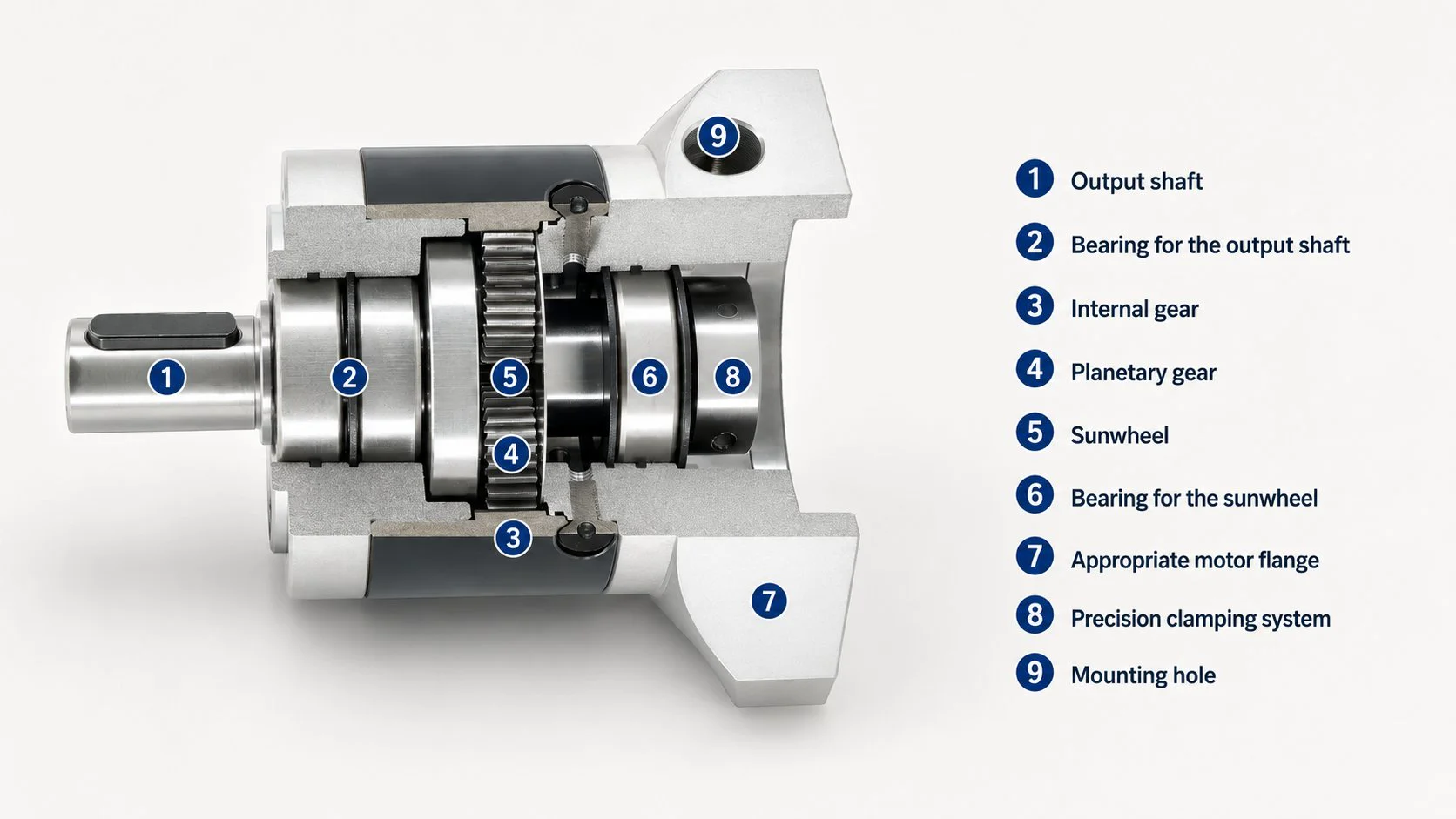
Системите за литография с EUV (екстремно ултравиолетово) лъчение — внедрени във фабриките на Samsung в Хвасонг и Пьонгтек от 2019 г. — използват електронно-оптични колони, чувствителни към разсеяни магнитни полета на субнанотеслово ниво. Стандартна стоманена скоростна кутия на разстояние 500 мм от електронно-оптичната ос създава разсеяно поле от приблизително 100–500 nT — от два до четири порядъка над изискването за стабилност на полето на системата.
μᵣ ≈ 100–1000 — НЕ е за магнитно-чувствителни зони
μᵣ ≈ 50–200 — НЕ е за магнитно-чувствителни зони
μᵣ ≈ 1.003 — приемливо за повечето фабрични зони
μᵣ ≈ 1.000006 — пренебрежимо малка магнитна сигнатура
Относителна магнитна проницаемост μᵣ. По-ниска стойност = по-ниска магнитна сигнатура. Стандартните стоманени скоростни кутии произвеждат разсеяни полета приблизително 1000 пъти по-силни от еквивалентите им с алуминиев корпус на същото разстояние.
За корейски доставчици на оборудване, работещи в зони MRAM и EUV, включително тези, които проектират компактни сценични системи с Компактна серия EP-ADS, Скоростните кутии от серията Korea Ever-Power EP могат да бъдат специфицирани с варианти на алуминиев корпус както за корпуса, така и за компонентите на планетарния водач. Обърнете внимание, че вътрешните стоманени зъбни елементи (планетарни зъбни колела, коронно зъбно колело, слънчево зъбно колело) остават стоманени - това е неизбежно за производството на прецизни зъбни колела. Стоманените зъбни елементи създават много по-малка магнитна сигнатура от корпуса, тъй като се въртят със скорост (намалявайки нетния принос на статичното поле) и са значително екранирани от външния корпус. Пълната немагнитна конструкция (включително керамични или титаниеви зъбни елементи) е персонализирано инженерно упражнение, отвъд стандартните каталожни продукти от който и да е производител.
Верига за доставки на Samsung и SK Hynix — Изисквания за документация за квалификация на оборудването
Корейските доставчици на полупроводниково оборудване, които участват в търгове за Samsung (Пьонгтек, Хвасон, Гихънг) и SK Hynix (Чонджу, Ичон), трябва да квалифицират оборудването си чрез многоетапен процес на приемане от доставчика. Документация на ниво компоненти за задвижващи компоненти – включително скоростни кутии – обикновено се изисква на етапа IQ (Квалификация на инсталацията). Необходимият пакет документи варира в зависимост от класа на чистото помещение в технологичната зона и от типа на оборудването, но стандартният пакет за прецизни задвижващи компоненти в зони по ISO клас 4–5 включва следните елементи.
Писмена декларация от производителя, че всички материали (корпус, уплътнения, смазка) отговарят на спецификацията на материалите на производителя. За смазка PFPE: посочете клас PFPE и име на доставчика. За уплътнения FFKM: потвърдете спецификацията на флуоровъглеродния полимер. Korea Ever-Power предоставя това като писмена декларация на корейски език.
Резултати от тест за отделяне на газове по ASTM E1603 или еквивалентни за смазочния материал и уплътнителните материали при 20–25°C. Показва обща загуба на маса (TML) и събрани летливи кондензиращи вещества (CVCM). За PFPE грес тези стойности обикновено са <0,01% TML и <0,001% CVCM — в рамките на стандартните фабрични граници.
Специфична за уреда измерена стойност на хлабината (не само декларация за съответствие с класа). Korea Ever-Power предоставя тази стойност за всички EP-AFH модули и за EP-AB/AF на класове P0 и P1. Изисква се за IQ документация на критични за позиционирането задвижващи оси.
Писмено потвърждение, че скоростната кутия не съдържа забранени вещества съгласно списъците на EU RoHS 2 (2011/65/EU revitalized) и REACH (EC 1907/2006) SVHC. Изисква се за оборудване, продавано на мултинационални производствени оператори. Korea Ever-Power предоставя това като стандартен документ с поръчки за чисти помещения.
Пълен чертеж с толерирани размери за квалификация на монтажа. Изисква се за документиране на IQ/OQ протокола. Korea Ever-Power го предоставя в рамките на 3 работни дни от поръчката за всеки модел от серията EP.
За FOUP AGV с диференциално задвижване: сертификат за вариация на предавателното число и за двете скоростни кутии на задвижващите колела, потвърждаващ разлика в предавателното число ≤0.01% между двойката. Korea Ever-Power предоставя това като стандартна опция, когато са посочени поръчки за AGV с двойка, съчетана с двойка.
Квалификационните цикли на оборудване на Samsung и SK Hynix обикновено продължават 6–12 месеца от замразяването на проекта на оборудването до приемането му от фабриката. Пакетът с документация за скоростната кутия се изисква на етапа на квалификация — обикновено 4–6 месеца след началото на квалификационния цикъл. За скоростни кутии, предназначени за чисти помещения (PFPE + FFKM, срок за изпълнение 2–4 седмици), поръчката трябва да се направи не по-късно от 10 седмици преди да се изисква документация за чисти помещения. Свържете се с Korea Ever-Power на етапа на проектиране — не на етапа на обществена поръчка — за да потвърдите наличността на документите и срока за изпълнение за вашата конкретна производствена зона и клас чисти помещения.
Изчисляване на бюджета за дегазиране — Как да определите дали е необходима стандартна или PFPE грес
Изборът между стандартна запечатана грес и PFPE смазка за чисти помещения зависи от натоварването с газове, което скоростната кутия допринася за въздуха в чистите помещения, и от близостта ѝ до открити повърхности на пластините. Следният подход за изчисление позволява на корейските доставчици на оборудване да вземат това решение количествено, а не по консервативен начин, което може да добави ненужни разходи.
БЮДЖЕТ ЗА ЗАМЪРСЯВАНЕ С ОТГАЗЯВАНЕ — ОПРОСТЕН МОДЕЛ
D ≈ P_vap × M_grease × k_geom / (R × T)
където:
P_vap = налягане на парите на базово смазочно масло при 20°C (Pa)
M_grease = площ на откритата повърхност на грес (cm²)
k_geom = геометричен коефициент (зависи от разстоянието и ъгъла, ~10⁻⁵ до 10⁻³)
R, T = газова константа, температура
Минерално масло PAO (стандартно): P_vap ≈ 10⁻³ Pa
→ D ≈ 0,05–0,5 ng/cm²/час на разстояние 300 mm
→ За 24 часа: натрупване на 1,2–12 ng/cm² върху пластината ← НЕПРИЕМАМ ISO 5
PFPE (клас за чисти помещения): P_vap ≈ 10⁻¹⁰ Pa
→ D < 10⁻⁷ ng/cm²/hr — със 7 порядъка по-ниско
→ Неизмерими със стандартни аналитични методи ✓
Изчислението показва защо PFPE е необходим, а не просто предпочитан, за всяка скоростна кутия в пряка видимост на открити пластини: стандартното налягане на парите на грес е със седем порядъка по-високо от PFPE. Никакви геометрични фактори или разстояния не компенсират тази фундаментална разлика. За всяка скоростна кутия в зони по ISO клас 3–6, където пластините могат да бъдат изложени на атмосферата, PFPE грес е двоично изискване, а не предпочитание.
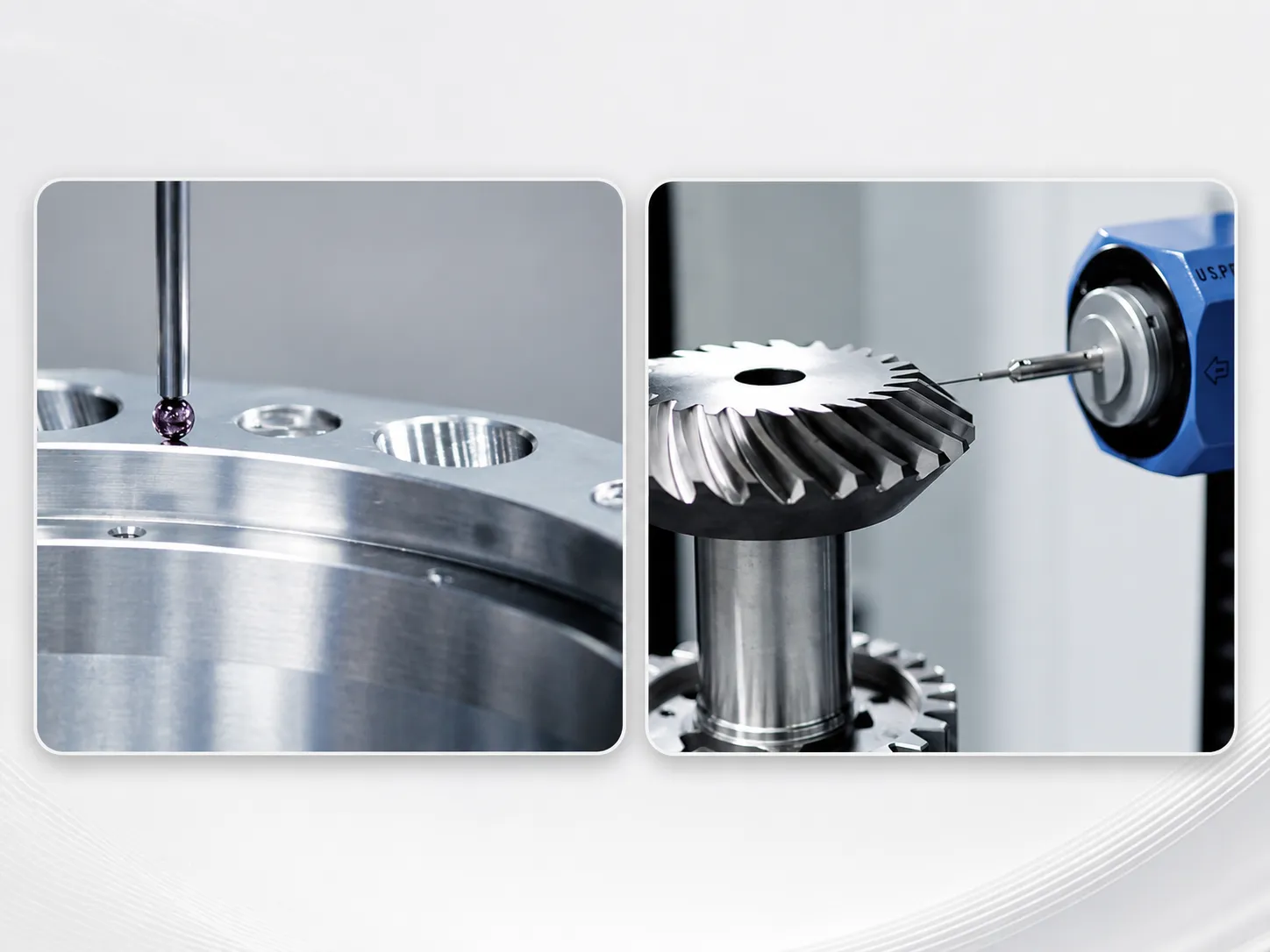
Редукторите, инсталирани в зони с ISO клас 8 или по-нисък (коридори за поддръжка на производството, сервизни помещения, подове за оборудване), където никога не се наблюдават пластини, не изискват смазка PFPE. Стандартната серия EP-AB или EP-BPG със стандартна грес е правилната и най-рентабилна спецификация за тези зони. Премията за PFPE (обикновено с 30–50% по-висока единична цена) е оправдана само когато редукторът е в зона, където е възможно излагане на пластини. Прилагането на спецификация за чисти помещения към всички редуктори в производствено съоръжение, независимо от зоната, ненужно увеличава разходите за спецификация на материала (BOM) без функционална полза.
Често задавани въпроси — Планетарни скоростни кутии в корейското полупроводниково оборудване
Специфицирайте вашите редуктори за полупроводниково оборудване с Korea Ever-Power
Korea Ever-Power предлага скоростни кутии от серия EP, предназначени за чисти помещения, със смазка PFPE, уплътнения FFKM, анодизиран корпус и пълния пакет документация за Samsung/SK Hynix IQ — на корейски, с време за изпълнение от 2 до 4 седмици. Ангажирайте се още на етапа на проектиране за най-добри резултати.