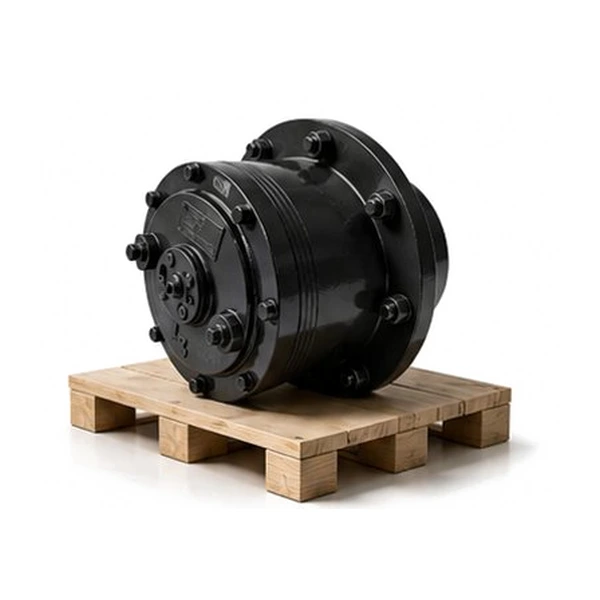
406AW เกียร์ทดรอบแบบเฟืองดาวเคราะห์สำหรับขับวินช์
23 — 220
9.6:1 spread. One gearbox. Every speed.
The EP-406AW is the เกียร์ทดรอบแบบเฟืองดาวเคราะห์สำหรับขับเคลื่อนวินช์ that refuses to specialise. At ratio 23, it runs a fast harbour cargo hoist. At ratio 220, it positions a 12-tonne ship section to within 2 mm. Everywhere between, it delivers 12,500 Nm with 430 Nm of integral brake torque and 95% efficiency — covering a speed-torque envelope that would normally require three separate gearbox models from the catalogue.
The 406AW is the first of three models in the 406 family. Alongside it sits the 406W (13,000 Nm, ratios 28-140) and the 406BW3 (17,500 Nm, ratios 63-136). All three deliver approximately the same torque class, but from radically different ratio architectures. The 406AW is the wide-range generalist. The 406W is the mid-range production model. The 406BW3 is the narrow-range heavy-duty specialist. Choosing between them is not about torque — it is about the speed envelope the winch must cover and the duty cycle it must sustain.
406AW Winch Drive Planetary Gearbox — Technical Parameters
| แรงบิดเอาต์พุตที่กำหนด | 12,500 Nm |
| ช่วงอัตราทดเกียร์ | 23 to 220 (catalogue widest, 9.6:1 spread) |
| ความเร็วอินพุตสูงสุด | 3,500 รอบต่อนาที |
| ความเร็วเอาต์พุตสูงสุด | 25 รอบต่อนาที (FEM M5 ใช้งานต่อเนื่อง) |
| ประสิทธิภาพเชิงกล | ≥ 95% |
| เบรกมือ | 430 Nm, multi-disc, spring-applied, hydraulic release |
| Brake at drum (ratio-dependent) | 9,890 Nm (r=23) to 94,600 Nm (r=220) |
| การติดตั้ง | Rotating housing flanges |
| น้ำหนักแห้ง | Approx. 210 kg |
| การหล่อลื่น | Oil bath splash, EP gear oil |
| อุณหภูมิในการทำงาน | -20 ถึง +85 องศาเซลเซียส |
Three 406 Models, Three Philosophies — 406AW vs 406W vs 406BW3
The 406 family is unique in the winch drive catalogue: three models sharing the same torque class but engineered around fundamentally different ratio architectures. The choice between them reveals the application more precisely than the torque rating alone.
| พารามิเตอร์ | 406AW | 406W | 406BW3 |
|---|---|---|---|
| แรงบิด | 12,500 Nm | 13,000 Nm | 17,500 Nm |
| ช่วงอัตราส่วน | 23 - 220 | 28 - 140 | 63 - 136 |
| Ratio spread | 9.6 : 1 | 5.0 : 1 | 2.2 : 1 |
| เวที | 2-3 | 2 | 3 |
| เบรค | 430 Nm | 430 Nm | 430 Nm |
| น้ำหนัก | 210 kg | 240 kg | 270 kg |
| เหมาะที่สุดสำหรับ | Multi-purpose cranes, R&D prototyping, diverse fleets | Production cranes with known speed spec | Heavy-duty narrow-band applications |
406AW: the explorer
When the crane OEM is developing a new model and the final hoist speed specification is not yet locked — the 406AW covers virtually any speed the prototype testing might require. Also ideal for rental fleet operators who redeploy cranes across different cargo types and hoist speed requirements.
406W: the production standard
When the crane specification is fixed and the ratio requirement falls within 28-140 — the 406W delivers 500 Nm more torque and a proven two-stage architecture at the most common ratios.
406BW3: the heavy-duty specialist
When the application needs 17,500 Nm and the ratio falls within 63-136 — the three-stage 406BW3 provides 40% more torque than the 406AW at the same brake and input speed.
Ratio 220 — What Happens When the Drum Turns Once Per Minute
At ratio 220 with a 1,500 rpm motor speed, the drum output is 6.8 rpm. On a 400 mm PCD drum, this produces a line speed of approximately 8.6 m/min. Reduce the motor speed to 500 rpm (common for precision positioning) and the drum turns at 2.3 rpm — one revolution every 26 seconds — delivering a line speed of 2.9 m/min. This is the speed domain where loads are placed, not merely lifted.
Shipbuilding Block Positioning
Ship sections weighing 5-12 tonnes must be positioned to within 2-5 mm of the weld line during block assembly. At ratio 220, the 406AW provides the creep speed and the motor torque controllability to achieve this precision. Each revolution of the motor shaft translates to only 5.7 mm of cable travel on a 400 mm PCD drum — giving the crane operator effectively infinite positioning resolution through motor speed control alone.
Subsea Equipment Deployment
Lowering subsea manifolds, wellheads, and pipeline end terminations through the splash zone at controlled speed. The wave action at the surface creates dynamic cable tensions that the winch must absorb without jerking the load. At ratio 220, the motor operates at moderate speed (1,000-2,000 rpm) while the drum barely moves — the motor inertia and the gear reduction together act as a mechanical damper against wave-induced load fluctuations. The 430 Nm brake through ratio 220 produces 94,600 Nm of holding torque at the drum — sufficient to hold any load within the 12,500 Nm gearbox capacity on any drum diameter.
Heavy Module Final Placement
Industrial plant construction, bridge erection, and heavy lift operations where the final 50 mm of lowering determines whether a 10-tonne module seats correctly on its foundation bolts. At ratio 220 with a variable-displacement motor reduced to minimum displacement, the winch delivers sub-millimetre-per-second lowering speed. The crane operator can hear and feel the motor response before the load moves visibly — providing an intuitive control feedback loop that fast-ratio winches cannot offer.
12,500 Nm Winch Drive — From Fast Cargo to Slow Precision in One Housing

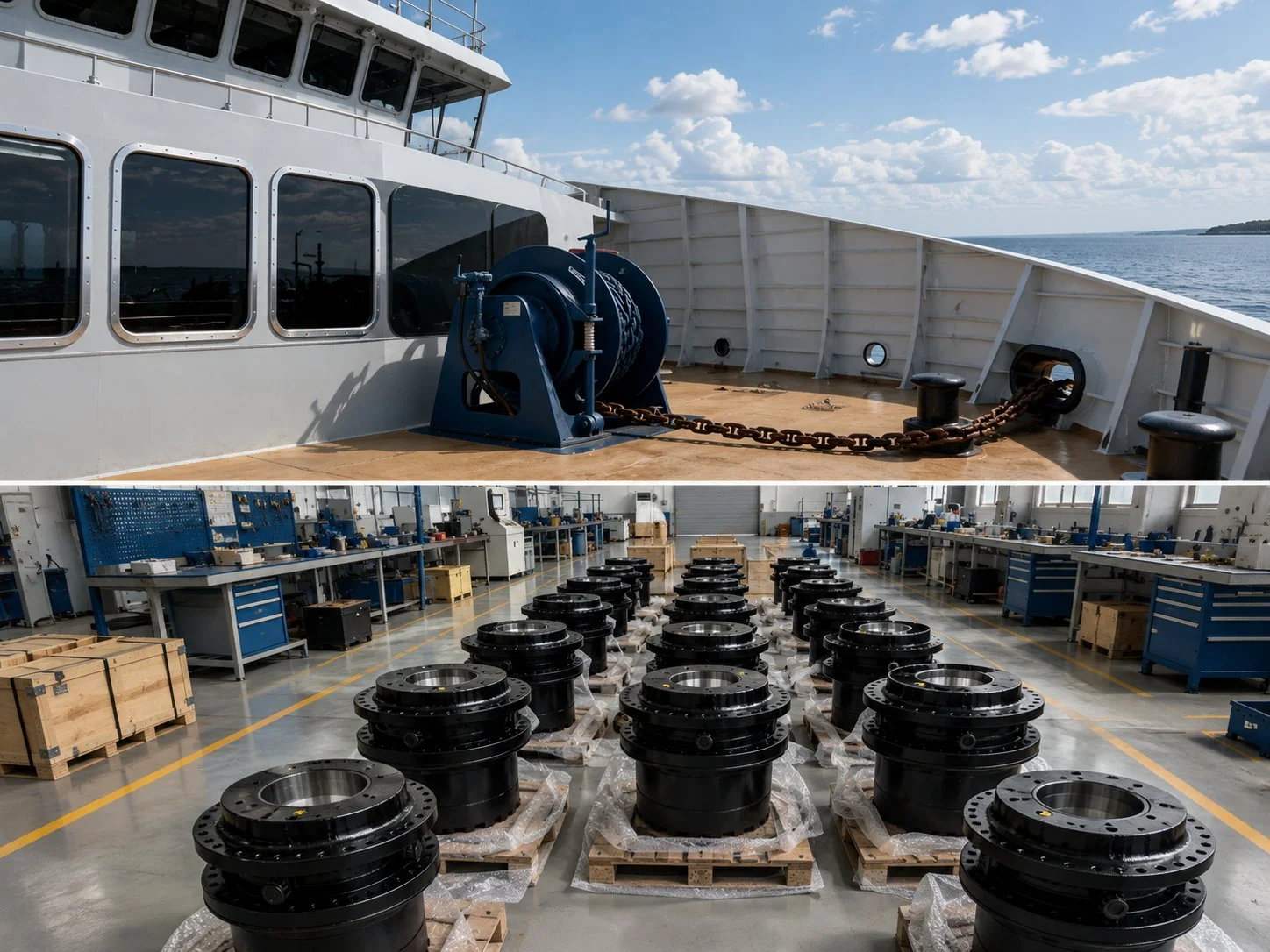
Heavy Offshore Platform Cranes (10-25 t SWL)
Main hoist winches on offshore pedestal and knuckle-boom cranes that must handle both fast cargo transfer (ratio 23-60, 25-40 m/min) and slow subsea deployment (ratio 150-220, 2-8 m/min) depending on the operation. The 406AW eliminates the need for a two-speed winch design or a separate auxiliary winch for slow work — one winch drive covers both speed regimes by selecting the appropriate ratio at order. The ชุดเกียร์ดาวเคราะห์ขับเคลื่อนการหมุน handles the crane rotation on the same platform.
Shipyard Gantry and Portal Cranes
Shipyard cranes that lift and position hull sections, engine blocks, and superstructure modules ranging from 5-12 tonnes. These cranes need fast hoisting for general lifting (ratio 30-50) and ultra-slow positioning for block assembly (ratio 180-220). The 406AW wide ratio range allows the shipyard to specify a single gearbox model for all yard cranes — fast-cycle units at low ratio and precision units at high ratio — with common spare parts and maintenance procedures across the fleet.
Rental Fleet Multi-Purpose Cranes
Crane rental companies that deploy the same crane across different job types — today lifting precast panels (fast hoist, ratio 30), next week positioning a generator set on vibration mounts (slow precision, ratio 150). The 406AW allows the rental fleet to match the winch drive to the job by selecting ratio at order, then redeploying the crane to different customers without any winch modification. The เกียร์ทดรอบแบบเฟืองดาวเคราะห์ขับเคลื่อนล้อ handles the crane carrier travel for the same rental fleet.
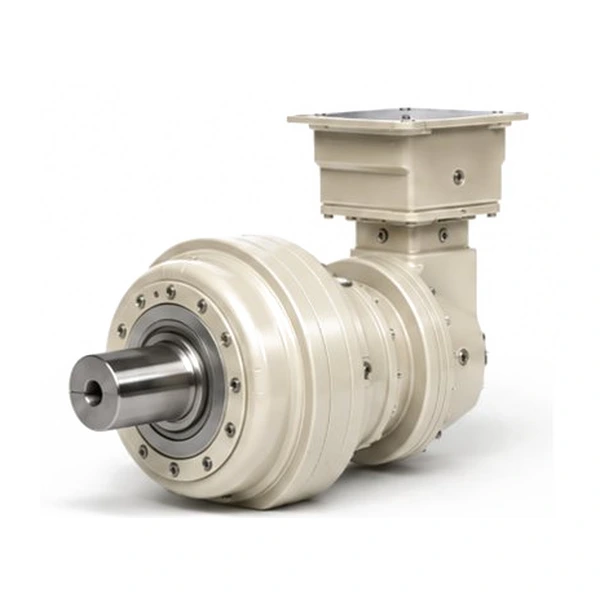
Adjacent Models and Complementary Drives

Winch Drive Planetary Gearbox — Wide-Range Heavy Hoist FAQ
รายงานภาคสนาม
20 t SWL offshore crane, main hoist. We selected the 406AW at ratio 80 for general cargo work (18 m/min at full load) but our client added a subsea deployment requirement during the build phase. With any other gearbox, this would have required a complete winch redesign. With the 406AW, we simply respecified at ratio 190 for the subsea variant — same housing, same drum, same frame, same hydraulic circuit, same classification documentation. The two cranes are mechanically identical except for the internal gear set. Spare parts inventory for both cranes: one kit. This is the product that makes mid-project scope changes survivable.
Shipyard gantry crane, 12 t capacity, block assembly duty. 406AW at ratio 200. The positioning precision at this ratio is remarkable — our welders report that the ship sections arrive within 3 mm of the weld line on first approach, compared to 15-20 mm with our previous fast-ratio winch that required manual chain-block final positioning. The time saving on each block join is approximately 20 minutes (eliminating the chain-block step). Across 400 block joins per vessel: 133 hours saved. At 4 vessels per year: 532 hours of production time recovered. The investment in the 406AW paid for itself during the first hull.
Rental fleet, 8 cranes across 3 job types. The 406AW standardisation reduced our gearbox part numbers from 5 to 1 and eliminated the ratio-mismatch risk that caused two redeployment delays last year (wrong gearbox for the job, 3-week wait for replacement). The 4-star is a logistics observation: the 406AW three-stage variant (ratios above 140) weighs and measures slightly differently from the two-stage variant (ratios below 80), which means the "one part number" advantage has a caveat — the two variants are not dimensionally interchangeable even though they share the same product designation. Making the dimensional differences explicit in the ordering documentation would prevent the assumption that any 406AW fits any 406AW drum.
ข้อมูลเพิ่มเติม
| บรรณาธิการ | ซีเอ็กซ์เอ็ม |
|---|
ผลิตภัณฑ์ที่เกี่ยวข้อง
-
ZL150 Winch Drive Planetary Gearbox — 1-5 Stage
-
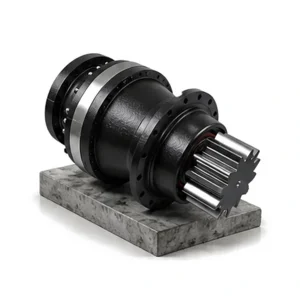
ZL55 Winch Drive Planetary Gearbox — 1-5 Stage
-
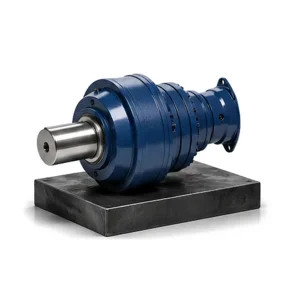
เกียร์ทดรอบแบบแพลเนตารีสำหรับขับวินช์ ZL45 — 1-4 สเตจ
-
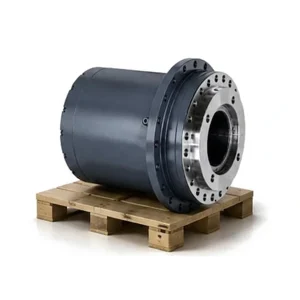
419W3 ชุดเกียร์ทดรอบแบบเฟืองดาวเคราะห์สำหรับขับวินช์
-

416W3 ชุดเกียร์ทดรอบแบบเฟืองดาวเคราะห์สำหรับขับวินช์
-

415W3 ชุดเกียร์ทดรอบแบบเฟืองดาวเคราะห์สำหรับขับวินช์
-
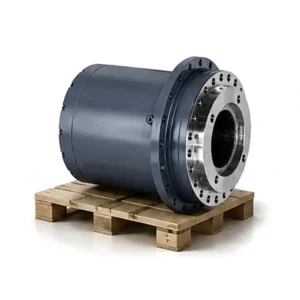
413W3 Winch Drive Planetary Gearbox Reducer
-

405.4W ชุดเกียร์ทดรอบแบบเฟืองดาวเคราะห์สำหรับขับวินช์